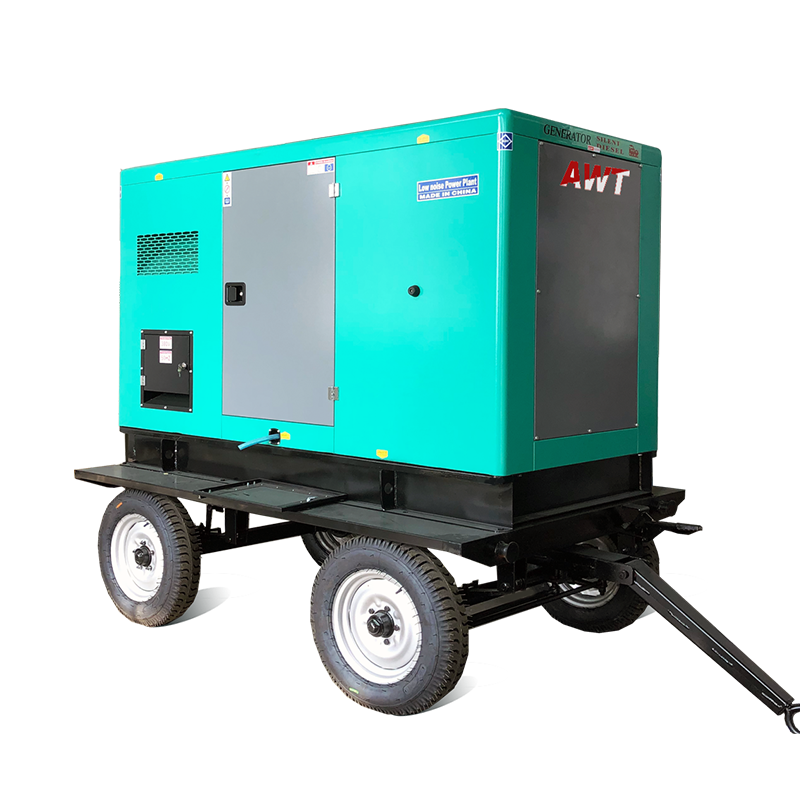
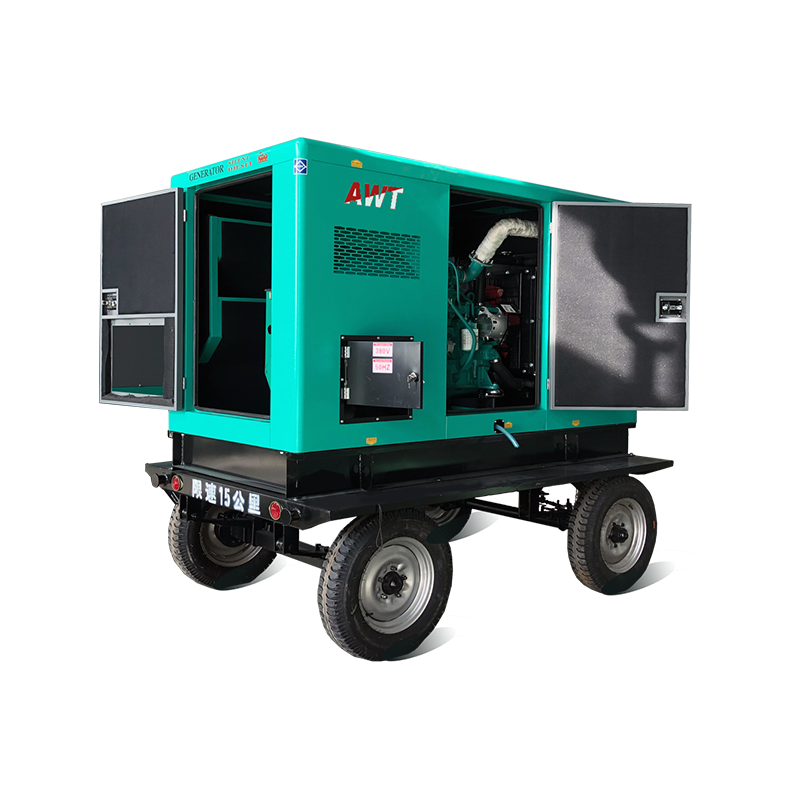
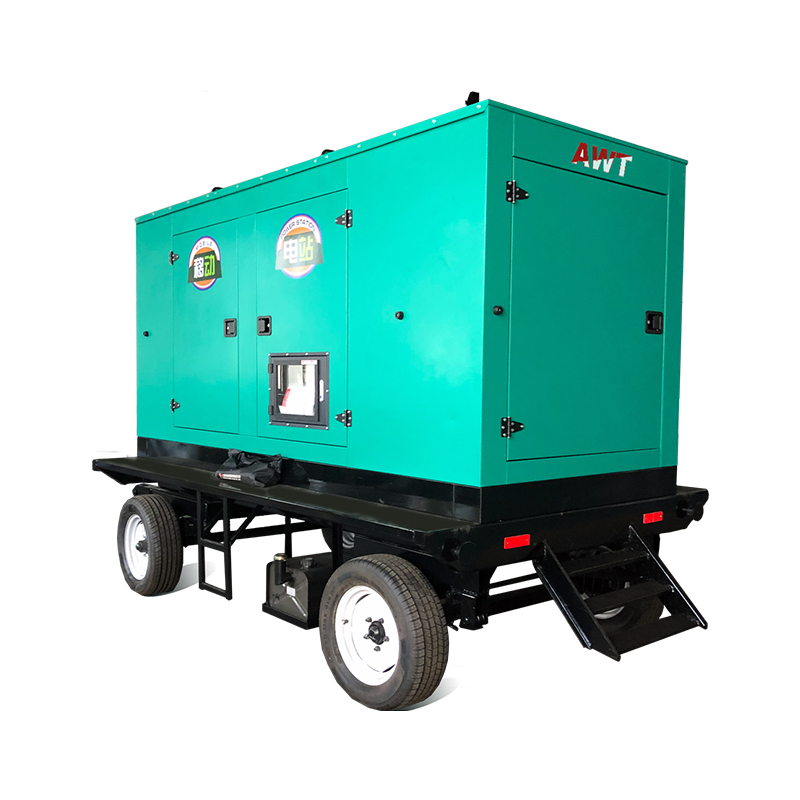
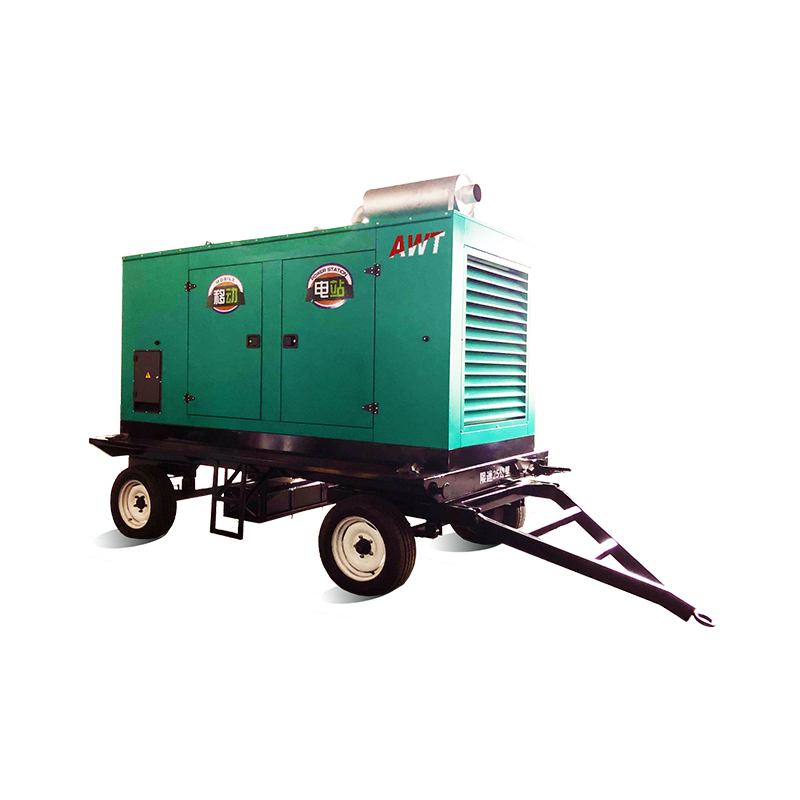
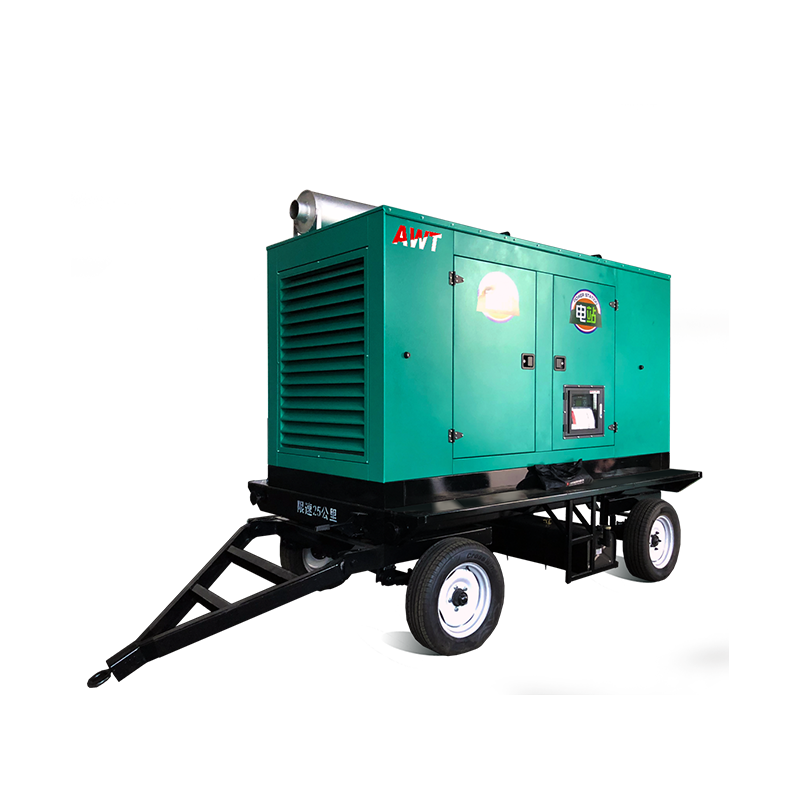
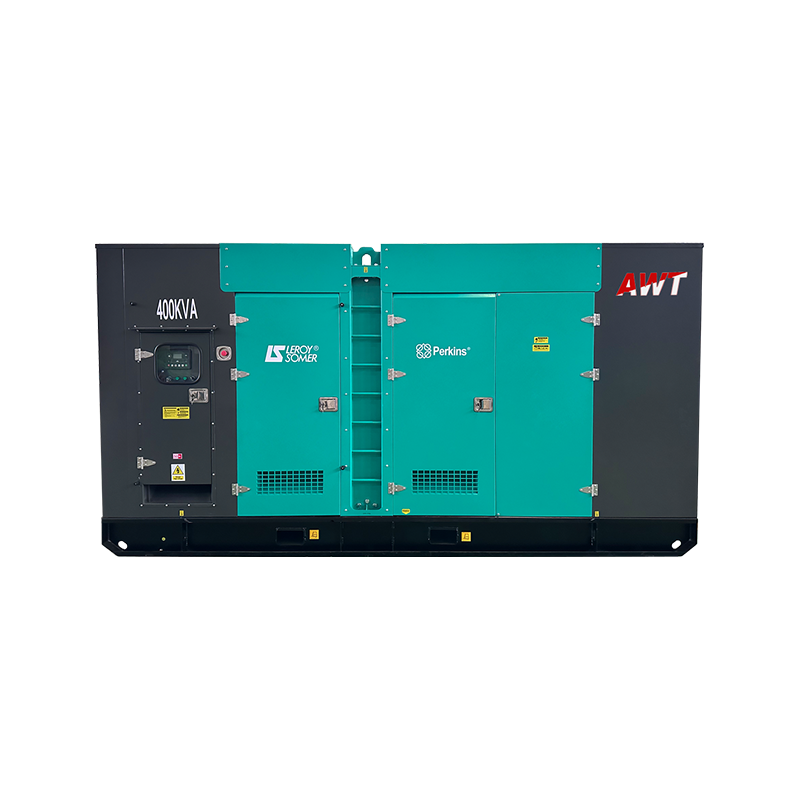
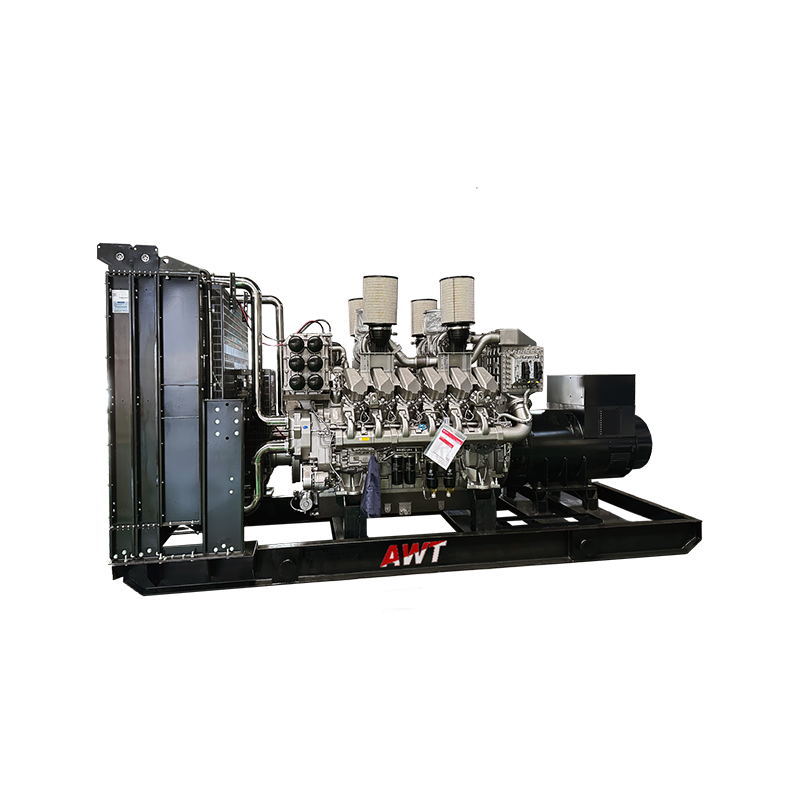
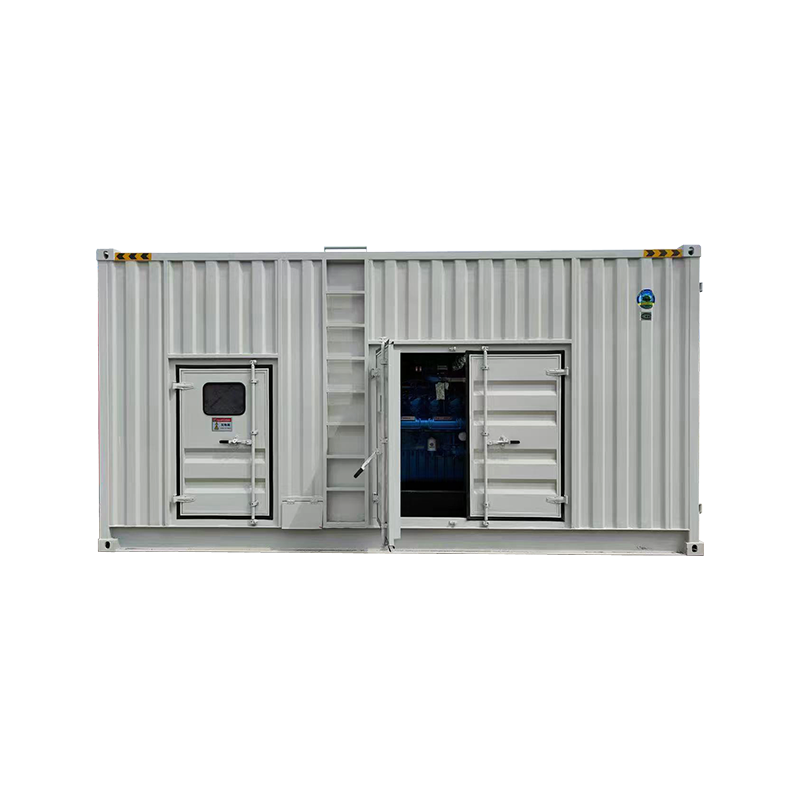
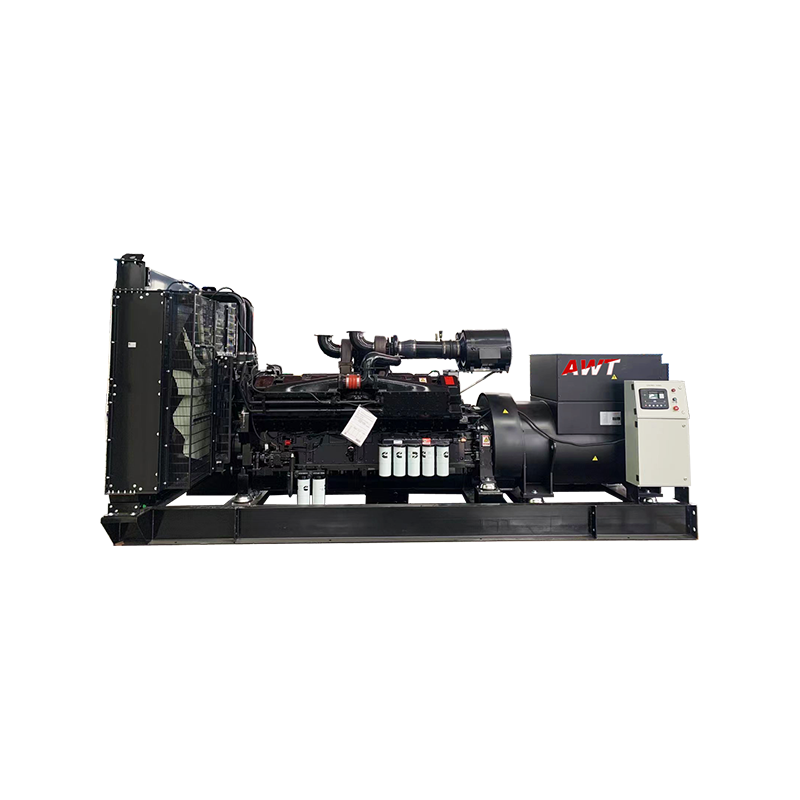
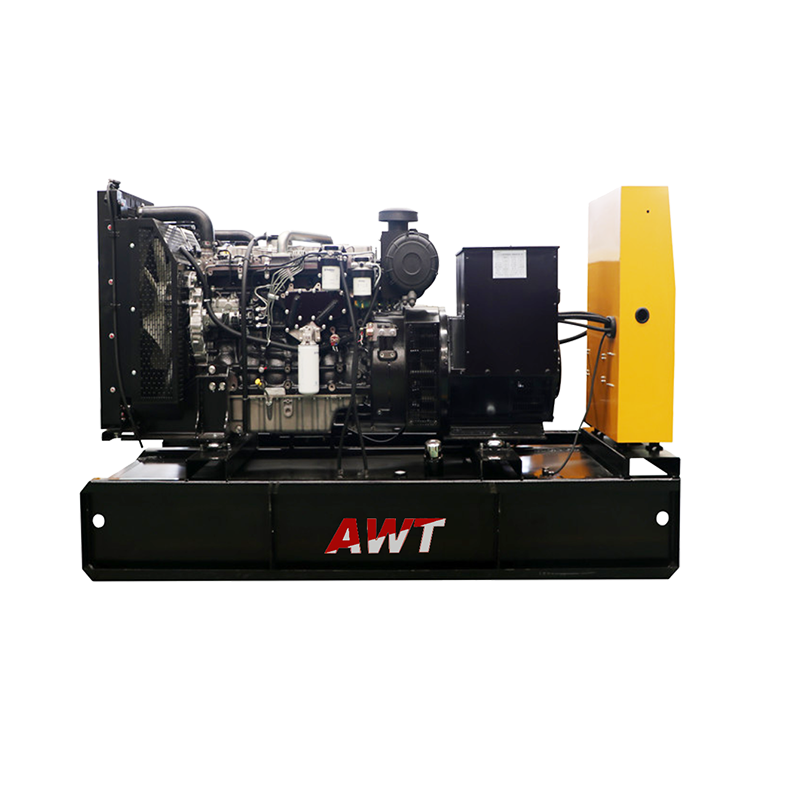
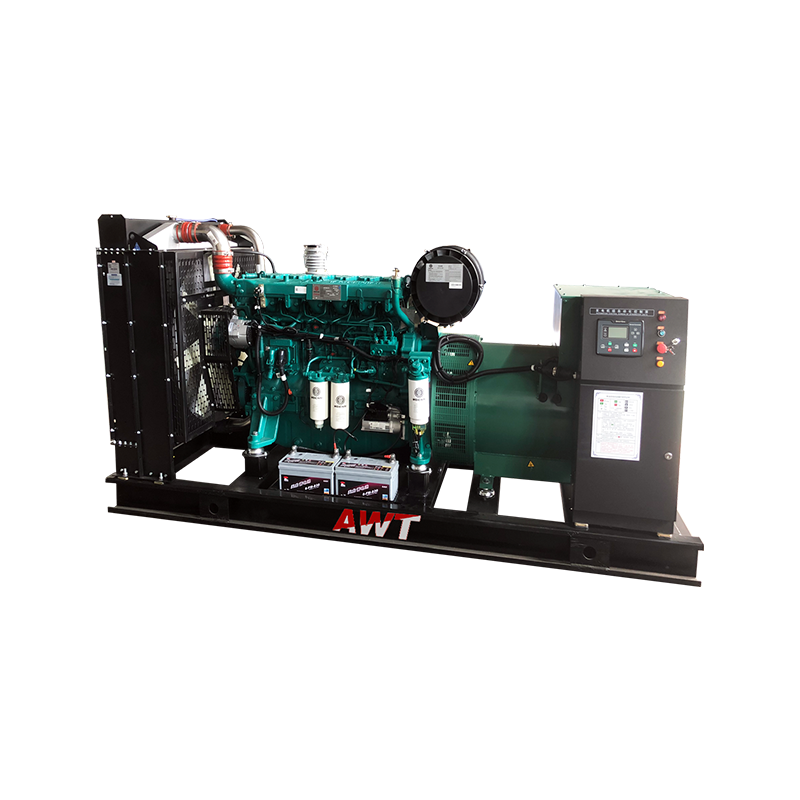
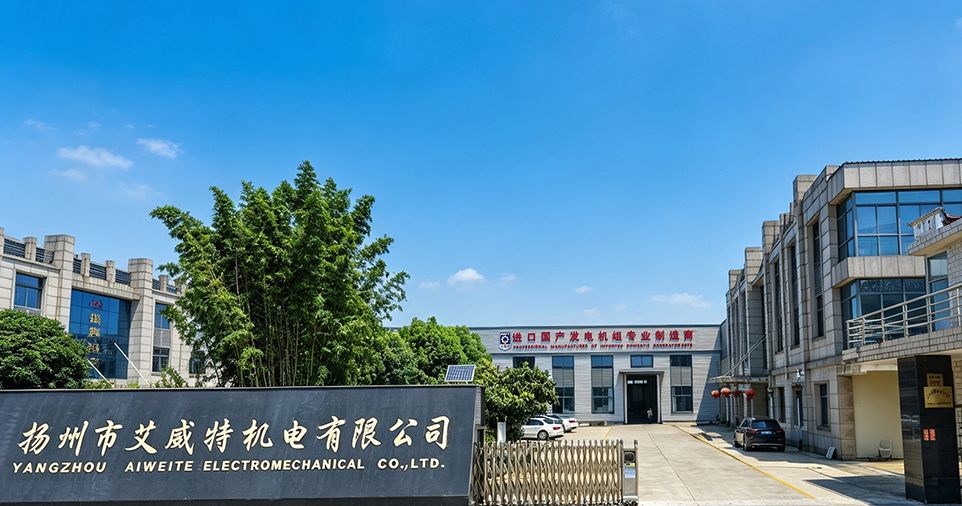
Yangzhou Aiweite Electromechanical Co., Ltd. builds Trailer Type Diesel Generator Sets as towable power units on dedicated heavy-duty chassis. The range covers 10 kVA to 2500 kVA and is compatible with Cummins, Perkins, Volvo, MTU, Weichai, Yuchai, Baudouin, SDEC and Mitsubishi engines, so a single mobile platform can be specified around the engine, alternator and control system that match the project.
These units are upgraded from open or silent-type generator sets and are intended for work that moves: road, bridge and rail construction, emergency rescue, mining and oilfield support, outdoor events and municipal standby power. We manufacture the trailer structure, integrate the power system and test the complete unit before it leaves the factory.
What a Trailer Type Diesel Generator Set Includes
A trailer set is not a fixed generator placed on wheels. The chassis, canopy, fuel system, control panel and towing hardware are engineered as one mobile assembly. Our units are built to ISO 8528 industrial standards and use a dedicated mobile chassis with traction wheels, braking systems, dampers and support legs.
- Mobile chassis: heavy-duty trailer frame with towing eye, traction wheels, brakes and parking support legs.
- Power module: diesel engine coupled to an alternator, rated for standby, prime or continuous duty as required.
- Weatherproof canopy: dustproof, rainproof and sound-attenuated enclosure for direct outdoor operation.
- Integrated fuel tank: base-mounted tank sized for the required unattended running period.
- Control and protection: Deep Sea, SmartGen, ComAp or customer-specified control systems with remote monitoring and parallel operation options.
Power Range and Engine Selection
The trailer platform is available across the full Aiweite power range. Engine brand, alternator, enclosure and chassis are matched to the load profile and the site conditions rather than sold as a single fixed model.
| Power Band |
Typical Trailer Application |
Engine Options |
| 10 kVA – 100 kVA |
Small construction crews, event power, light rescue equipment, field camps |
Weichai, Yuchai, SDEC, Cummins, Perkins |
| 100 kVA – 400 kVA |
Road and bridge works, municipal standby, mobile workshops, disaster relief |
Cummins, Perkins, Volvo, Weichai, Yuchai, Baudouin |
| 400 kVA – 1000 kVA |
Mining support, oilfield operations, large temporary sites, cross-region field power |
Cummins, Perkins, Volvo, MTU, Baudouin, Mitsubishi |
| 1000 kVA – 2500 kVA |
Heavy field operations, remote infrastructure, high-capacity mobile standby |
Cummins, MTU, Volvo, Baudouin |
Engine selection is confirmed against the required duty rating, altitude, ambient temperature and fuel quality. Where a project specifies a particular brand, we build around that engine and match the alternator, radiator and control system to it.
Configuration Choices for Mobile Power Projects
Trailer sets are configured around the way the unit will be moved, parked and loaded. The following options are defined during engineering review and released to production only after the configuration is validated.
- Frequency and voltage: 50 Hz or 60 Hz, with voltage and phase matched to the destination market.
- Enclosure: silent canopy with acoustic treatment for urban or residential-adjacent work, or a lighter weatherproof canopy where noise is not restricted.
- Control system: Deep Sea, SmartGen, ComAp or a customer-specified panel, with remote monitoring and parallel operation available.
- Fuel autonomy: base tank capacity sized to the required running hours between refuelling.
- Towing equipment: braking system, dampers, support legs, lights and reflectors suited to the intended road use.
- Ancillary items: cable reels, external connection points, battery isolation, fire protection and tool storage where the project requires them.
Where Trailer Sets Fit Best
The trailer format suits projects where power must follow the work rather than stay in one place. It removes the need for a permanent generator room and shortens the time between arrival and first power.
Construction and Infrastructure
Roads, bridges, railways and municipal projects that shift location during the build programme.
Emergency and Disaster Relief
Rapid deployment after grid failure, flooding or reconstruction, where the unit must run outdoors immediately.
Off-Grid Field Operations
Remote mountains, mining, oilfields and exploration sites without a reliable grid connection.
Temporary and Event Power
Outdoor exhibitions, sports events, field camps and municipal standby duties.
Operating Boundaries and Site Planning
A trailer set is more flexible than a fixed unit, but it still has physical limits that should be planned for before delivery. Large trailer units are restricted by road width and terrain and are not suitable for extremely rugged or inaccessible ground.
- Access route: confirm towing vehicle capacity, road width, bridge limits and turning radius for the largest unit in the fleet.
- Parking surface: level, load-bearing ground for support legs and stable operation under load.
- Exhaust and ventilation: exhaust discharge directed away from occupied areas and air intakes kept clear of dust and obstruction.
- Fuel and servicing: safe refuelling access and enough clearance for filter and oil service.
- Electrical connection: cable route, protection and earthing arranged for the site distribution system.
Manufacturing, Testing and Acceptance
Trailer sets are assembled in the same controlled production system as our fixed generator sets. Incoming components are inspected, assembly and electrical safety are checked at defined control points, and mechanical fitting is verified before the unit moves to testing.
Every unit undergoes full-load testing from 0 to 110% of rated capacity, step load response testing, continuous operation endurance testing, voltage and frequency stability checks, and emergency protection verification. The trailer chassis, brakes and towing hardware are inspected as part of the same release process.
Documentation supplied with the unit covers the test record, control system settings and operating information needed for commissioning and handover. Where a project requires third-party inspection or specific acceptance criteria, those are agreed before production and built into the test plan.
Maintenance and Serviceability
Frequent towing adds vibration and structural load that fixed units do not see. Regular inspection of fasteners, chassis welds, brake adjustment, suspension dampers and support legs should be part of the site maintenance routine, alongside normal engine and alternator servicing.
- Engine components, alternator parts, control system parts, filters and consumables are available as spare parts.
- Canopy panels and access doors are arranged for routine service without removing the enclosure.
- Control system parameters can be reviewed and adjusted during commissioning and after service.
- Installation guidance, operation support and technical troubleshooting are provided after delivery.
Information We Use to Configure Your Solution
A trailer set quotation is built from the working point, not from a catalogue number. The following project inputs let us confirm the engine, alternator, chassis and control configuration before production.
| Project Input |
Why We Need It |
| Required kVA and duty rating |
Sets the engine and alternator frame size and the trailer load class |
| Load profile and starting method |
Confirms step load response and alternator excitation requirements |
| Voltage, frequency and phase |
Matches the unit to the destination market and site distribution |
| Site altitude, ambient temperature and dust |
Affects derating, cooling package and canopy filtration |
| Towing route and vehicle |
Defines chassis dimensions, braking and towing hardware |
| Noise limit and location |
Determines acoustic canopy specification |
| Control, monitoring and parallel requirements |
Selects the control panel and communication interfaces |
| Fuel autonomy and refuelling method |
Sizes the base tank and fuel connections |
Related Generator Ranges
Trailer sets share engines, alternators and control systems with the rest of the Aiweite range, which keeps spare parts and service knowledge consistent across a mixed fleet.
Frequently Asked Questions
What power range do you build trailer type diesel generator sets in?
We build trailer sets from 10 kVA to 2500 kVA, using the same engine and alternator combinations as our fixed ranges. The trailer chassis is sized to the unit, so a 100 kVA set and a 1000 kVA set use different frame, axle and braking arrangements.
Can the trailer set run outdoors in rain and dust?
Yes. The canopy is dustproof and rainproof, and the unit is designed for direct outdoor operation without a dedicated generator room. Air intake and exhaust positions should still be kept clear, and the parking surface should be level and load-bearing.
Do you support remote monitoring and parallel operation on trailer units?
Remote monitoring and parallel operation are available as configuration options. The control system is selected during engineering review, using Deep Sea, SmartGen, ComAp or a customer-specified panel, and the communication interface is matched to the site monitoring arrangement.
How is a trailer set tested before delivery?
Each unit goes through full-load testing from 0 to 110% of rated capacity, step load response testing, continuous operation endurance testing, voltage and frequency stability checks, and emergency protection verification. The trailer chassis, brakes and towing hardware are inspected before release.
What maintenance does a towed generator need compared with a fixed unit?
Towing vibration increases structural fatigue, so fasteners, chassis welds, brake adjustment, dampers and support legs should be inspected regularly in addition to normal engine and alternator servicing. We supply genuine spare parts for engine, alternator, control system, filters and consumables.
Can you build a trailer set around a specific engine brand?
Yes. We build around Cummins, Perkins, Volvo, MTU, Weichai, Yuchai, Baudouin, SDEC and Mitsubishi engines, and match the alternator, radiator, canopy and control system to the selected engine and the project conditions.



 English
  Français
  Español