English
 Français
 Español
Cummins Powered Diesel Generator Sets: Fuel Consumption & Performance Factors
Nov 13, 2026
Content
A 500 kVA Cummins-powered diesel generator set burns almost as much fuel at 22 percent load as it does at 35 percent load, yet it produces 13 percent less usable power. That curve is why teams that size generators by nameplate power alone often blow the fuel budget inside two quarters. Fuel consumption on a Cummins set is not a single number: it is shaped by load, base engine model, operating conditions, and how the set was configured at the factory. Understanding these variables separates an efficient standby installation from a recurring cost problem.
What Directly Drives Fuel Consumption in Cummins Generator Sets
Load factor is the dominant input. A Cummins B, C, N, or K series engine burns fuel according to its brake-specific fuel consumption (BSFC) curve, so the liters of fuel per kilowatt-hour change as electrical output changes. Alternator efficiency adds a second layer: on a well-matched set, it holds above 94 percent at 75 percent load, but falls under 90 percent at light load.
The table below shows typical consumption figures for common Cummins-powered sets under standard ISO 3046 conditions. These are induction and load-bank verified numbers, not manufacturer idealizations.
| Load point | 100 kVA output (kW) | 100 kVA burn (L/h) | 500 kVA output (kW) | 500 kVA burn (L/h) |
| 25% | 20 | 6.5 | 100 | 32 |
| 50% | 40 | 10.5 | 200 | 53 |
| 75% | 60 | 14.5 | 300 | 72 |
| 100% | 80 | 19 | 400 | 96 |
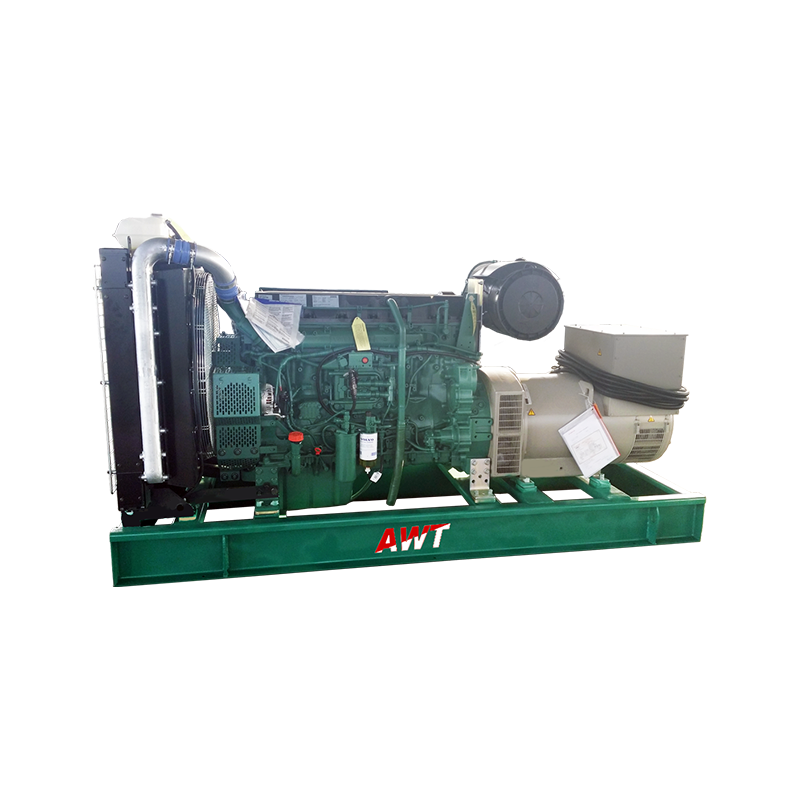
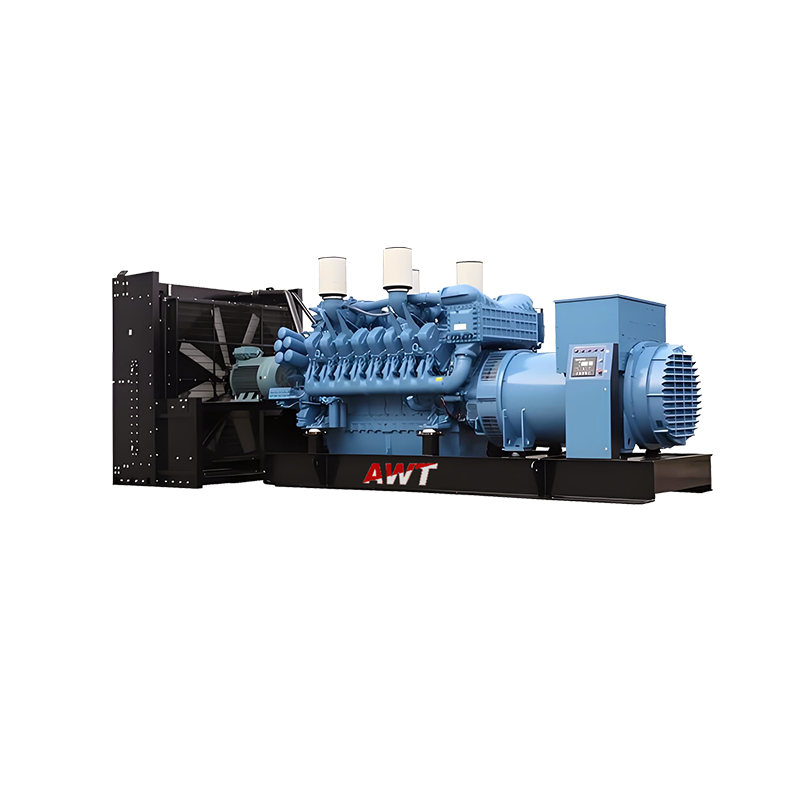
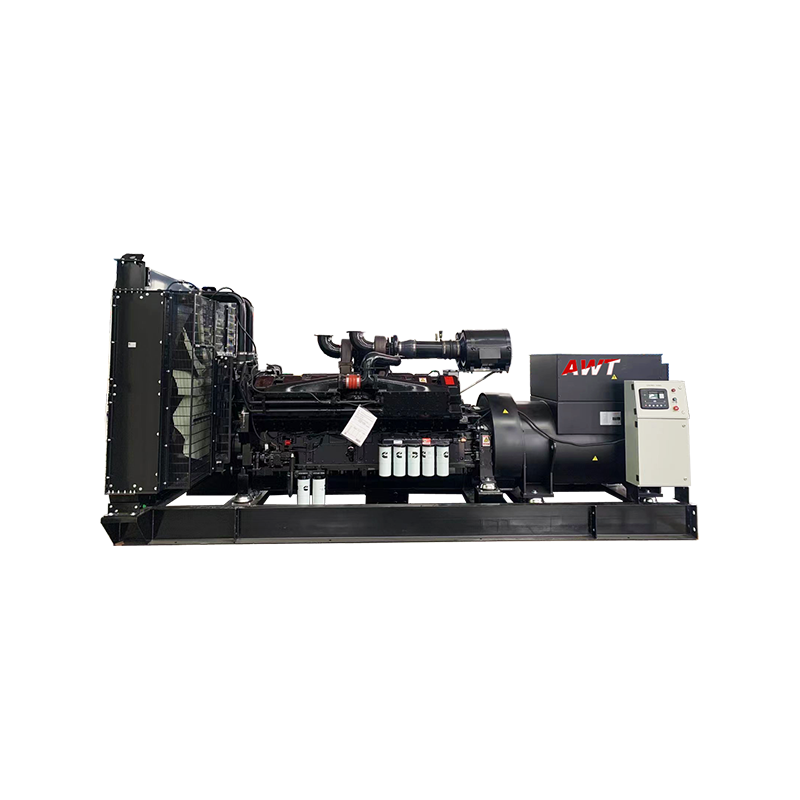 Cummins Powered Diesel Generator Sets with Genuine EnginesThis range covers 8kW to 3750kW with certified fuel consumption figures under ISO 3046 conditions, helping you compare realistic efficiency for standby, prime, or continuous duty.View Product →
Performance Factors That Shift the Numbers
Alternator efficiency, ambient temperature, altitude, and cooling system condition each move the fuel curve. A clean air filter, a properly tensioned radiator belt, and a 10 deg C drop in intake temperature can improve combustion efficiency by 2 to 4 percent. Altitude is the most predictable factor: above 1,000 meters, air density drops about 11 percent per 1,000 meters, and a turbocharged Cummins engine loses roughly 1 percent of rated power for every 300 meters of additional elevation unless the fuel system is recalibrated.
For industrial power applications where the set runs continuously, these factors compound. A 1 percent efficiency loss on a 500 kVA unit running 300 days per year adds roughly 3,000 liters of unplanned fuel burn annually.
Load Strategy: The Most Overlooked Performance Factor
Below 30 percent load, a Cummins engine runs outside its efficient zone and begins to accumulate carbon on valve seats and exhaust passages. This condition, called wet stacking, gradually reduces compression and raises fuel consumption even after loads return to normal. The efficiency sweet spot for most Cummins generator-drive engines sits between 70 and 80 percent load.
At 30% load
- Specific fuel burn roughly 18-22% higher
- Exhaust temperature too low to keep the turbocharger clean
- Carbon build-up raises maintenance frequency
- Voltage regulation becomes less stable under step loads
At 75% load
- Best specific fuel consumption on the BSFC curve
- Exhaust temperature supports clean turbocharger operation
- Combustion deposits burn off instead of accumulating
- Step-load response stays within governor specifications
Relative specific fuel consumption index, lower is better (75 percent load = 100).
Applying this to smaller site requirements, a unit should be selected on its average load, not its peak load, so the operating point stays inside that band.
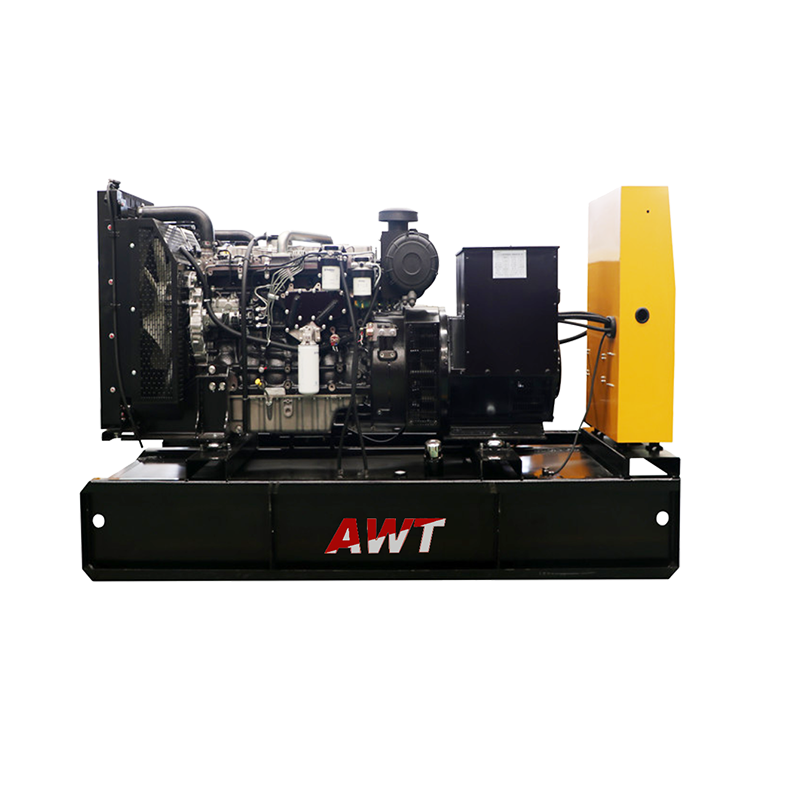
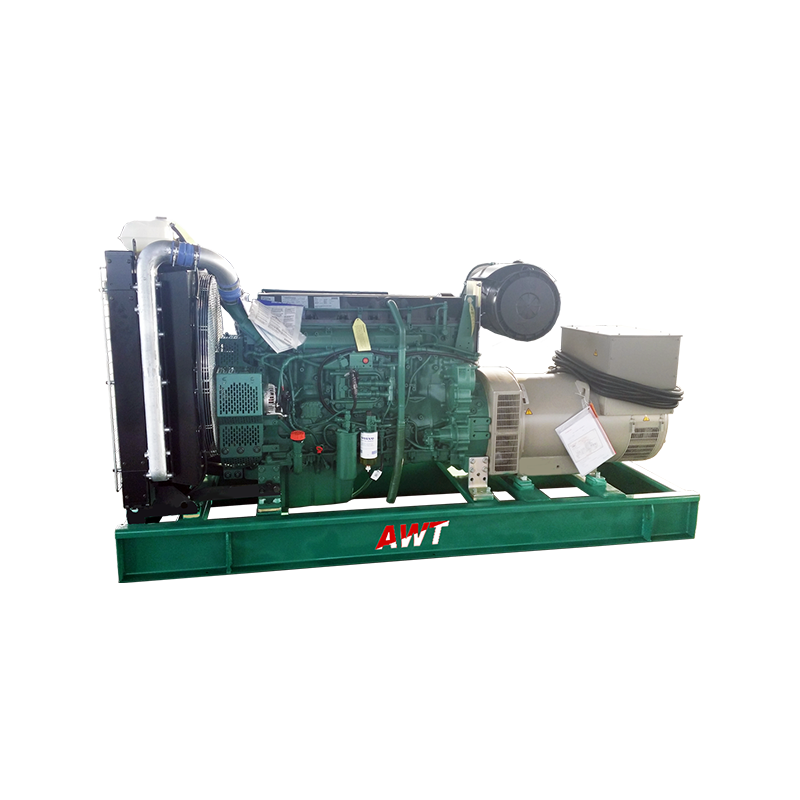 100kVA to 400kVA Universal Diesel Generator SetsThese mid-power gensets are suited for average-load sizing, offering strong overload resistance and stable operation for commercial and medium industrial sites.View Product →
How to Estimate Fuel Consumption for Your Site
Start from real load data, not nameplate power. Map the maximum demand in kilowatts, the average demand across a working day, and the duration of occasional peaks. With those three values you can estimate annual fuel use within practical tolerance.
Record max and average kW
Log load over at least seven days to capture production peaks and low-load periods.
Choose a candidate kVA range
Convert maximum kW demand into kVA using a 0.8 power factor, then select from standard ranges such as 100-400 kVA or 400-1000 kVA.
Apply the load-specific fuel figures
Use the consumption table in section one and interpolate for your actual average load point.
Add site corrections and contingency
Apply the altitude and temperature adjustments from section two, then add 8 percent contingency for filter loading and fuel quality variation.
For larger continuous loads in the same planning exercise, the next power band up becomes the practical starting point.
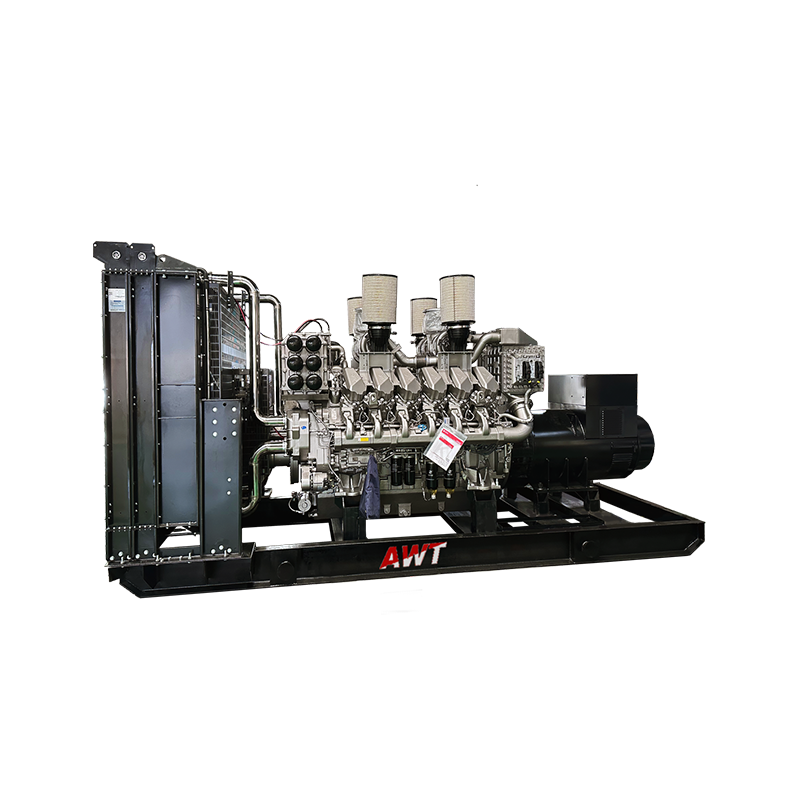
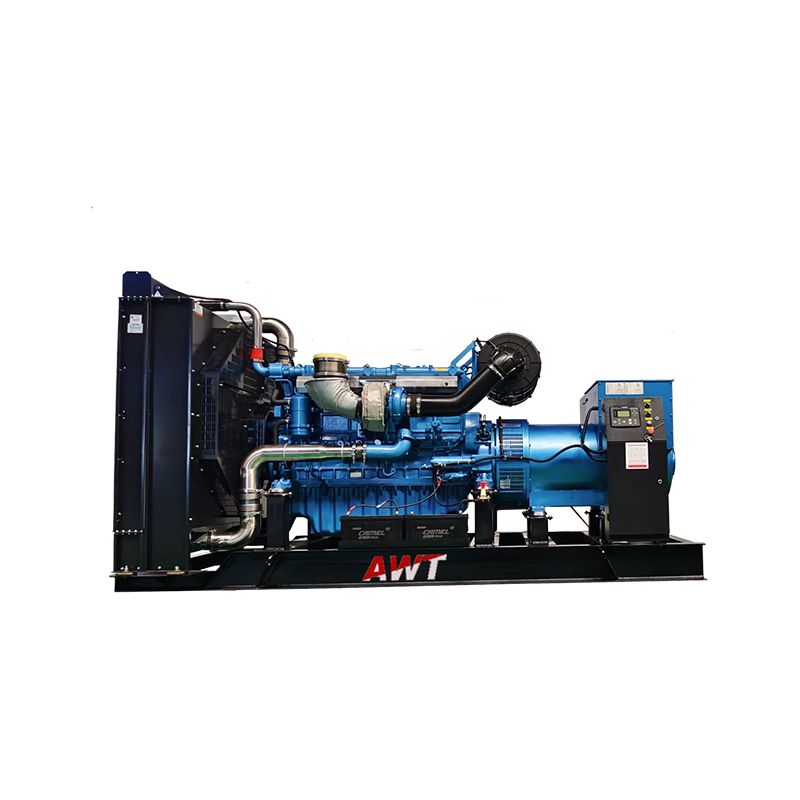 400kVA to 1000kVA Heavy-Duty Diesel Generator SetsFor larger continuous loads, this band provides industrial-grade alternators and smart controls, so you can verify BSFC curves and load acceptance before finalizing configuration.View Product →
What to Lock In Before You Order a Cummins Set
The right configuration prevents fuel waste that no operating adjustment can fix. Confirm the base engine series, alternator rating, radiator size, and whether the set will run in prime or standby duty. Ask for the load acceptance test report, the engine data sheet BSFC curve, and a written fuel consumption guarantee.
- Prime versus standby rating, because the fuel data sheet changes with duty
- Alternator efficiency at the intended load point, not just at 100 percent
- Altitude and ambient temperature de-rating applied to the quotation
- Spare parts proximity for the base Cummins engine in your region
- Structural build: open, silent, container, or trailer-mounted configuration
Many project teams also find that standardized mechanical platforms simplify maintenance; for unique specifications, suppliers who operate an OEM/ODM program can adapt base engine layouts without revalidating the whole machine from scratch. Yangzhou Aiweite Electromechanical Co., Ltd., for example, offers Cummins-powered sets across its 10 kVA to 2,500 kVA production range and supports installation, commissioning, and after-sales service for project-based orders.
Frequently Asked Questions
What is the average fuel consumption of a Cummins diesel generator set?
A Cummins-powered diesel generator set burns roughly 0.20 to 0.22 gallons (0.75 to 0.85 L) per kWh at 75 percent load. At light loads, that figure rises to 0.25 to 0.30 gallons per kWh because fixed engine losses are spread over less output.
Why is fuel consumption higher at partial load?
Friction and pumping losses stay nearly constant while electrical output drops, so the same amount of fuel work produces fewer kilowatt-hours. Absolute fuel burn falls, but the fuel required per delivered kWh rises.
Can running a Cummins engine at high load damage the set?
Continuous operation above 110 percent of the prime rating is the main cause of premature cylinder and exhaust wear. Sustained running between 85 and 100 percent is acceptable for prime-rated sets, but the recommended continuous band is 70 to 80 percent load.
How does altitude affect Cummins generator performance?
Above 1,000 meters, air density falls by roughly 11 percent per 1,000 meters, reducing available combustion air. A turbocharged Cummins engine loses about 1 percent of rated power for every 300 meters of additional elevation, with a corresponding shift in fuel consumption.