Combined Heat and Power

CHP Gas Generator Set

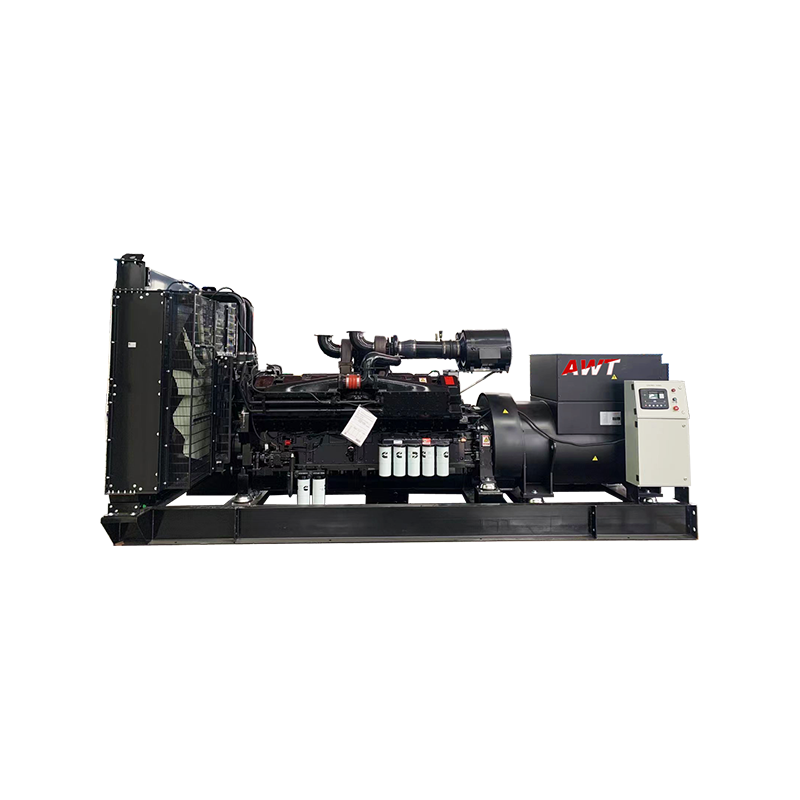
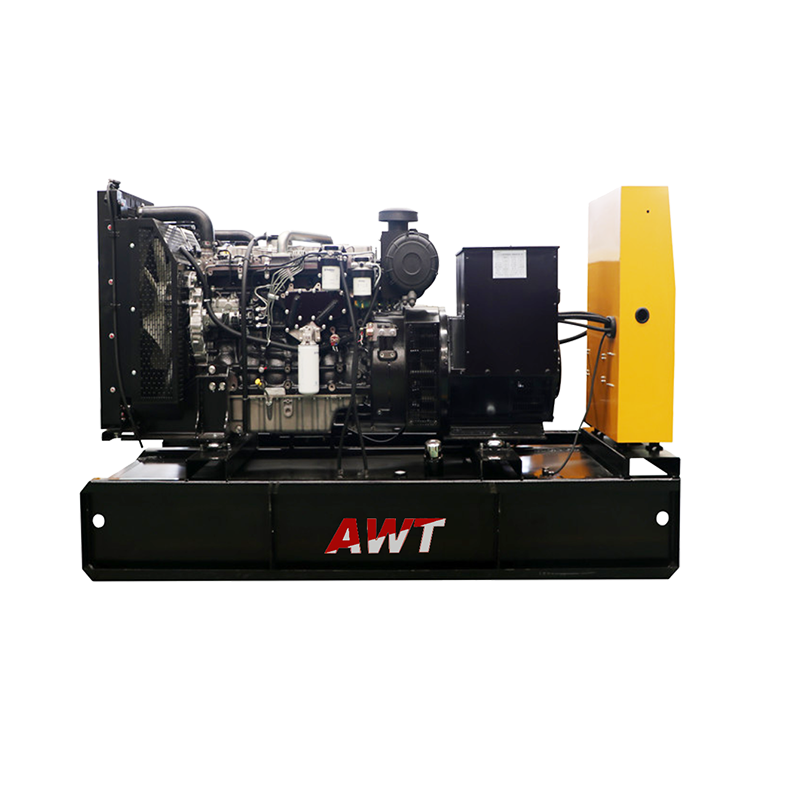
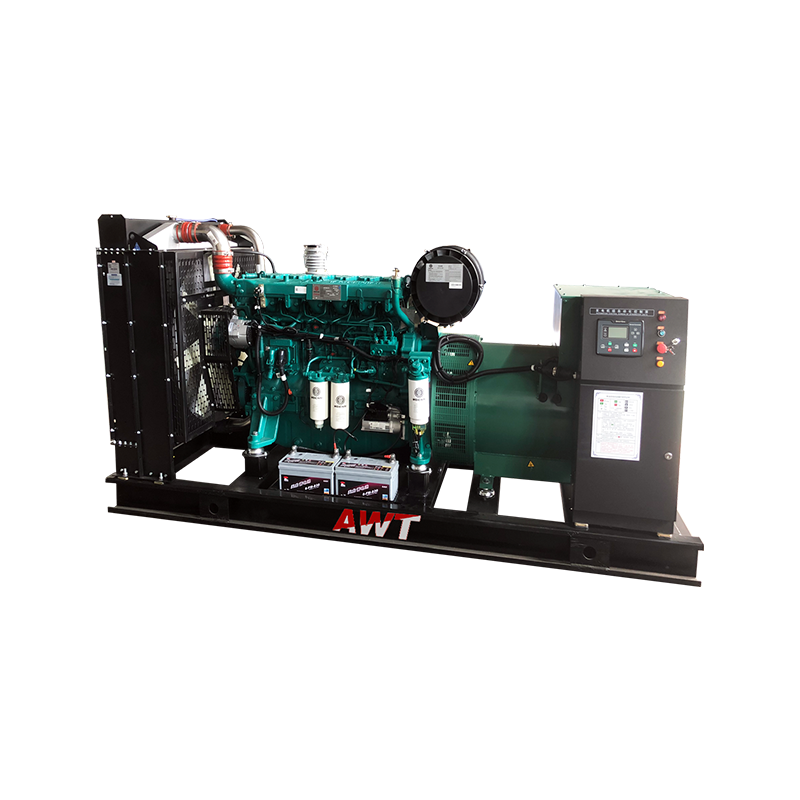
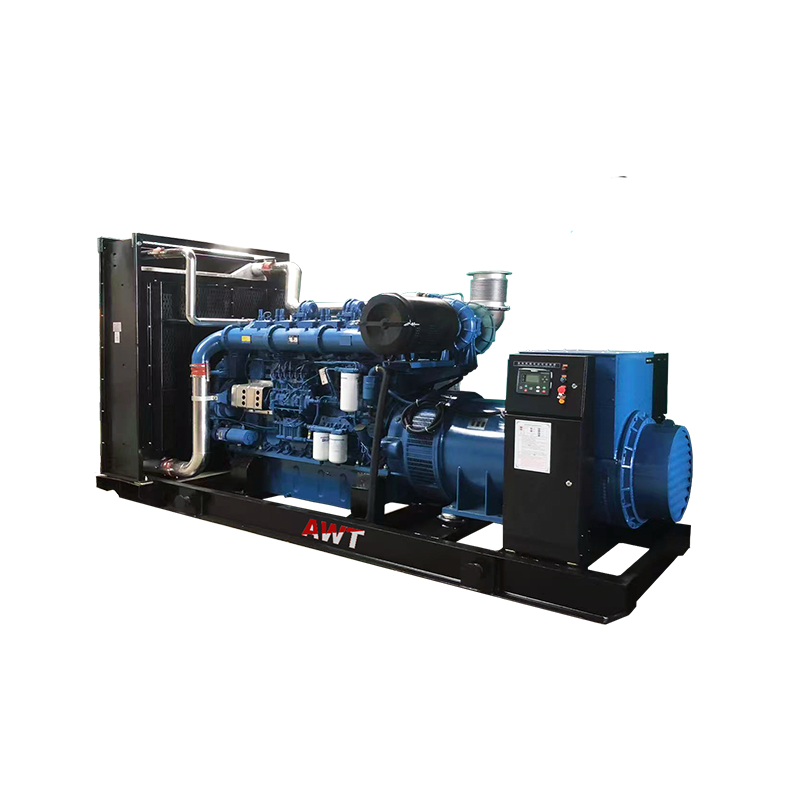
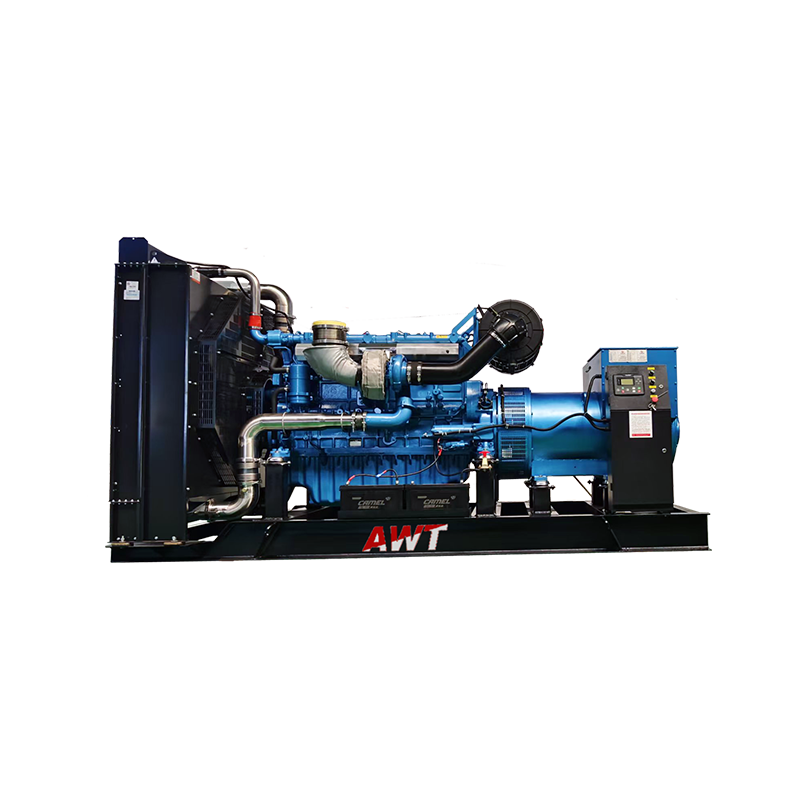
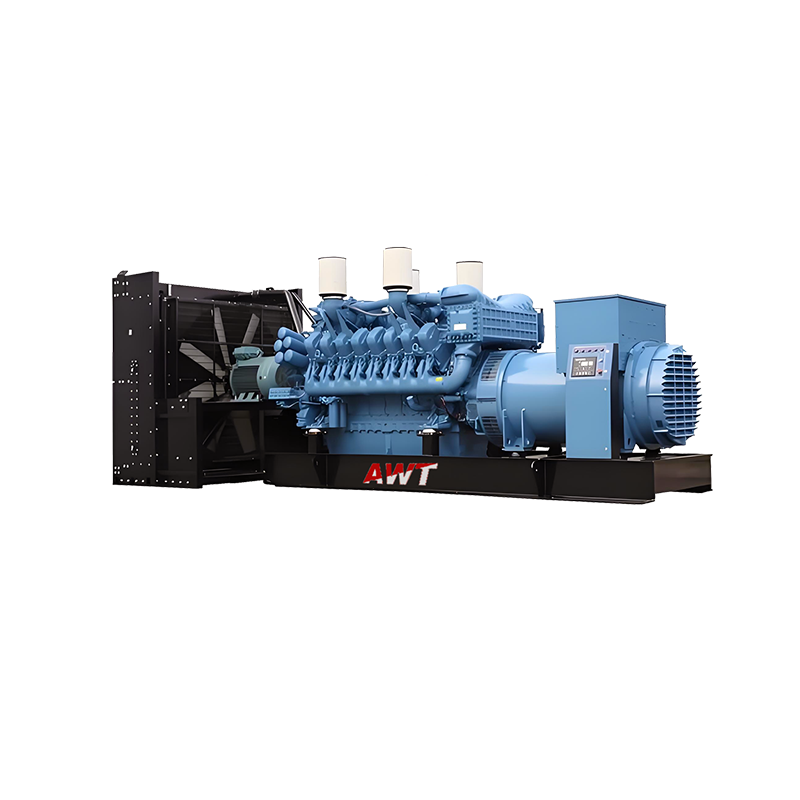
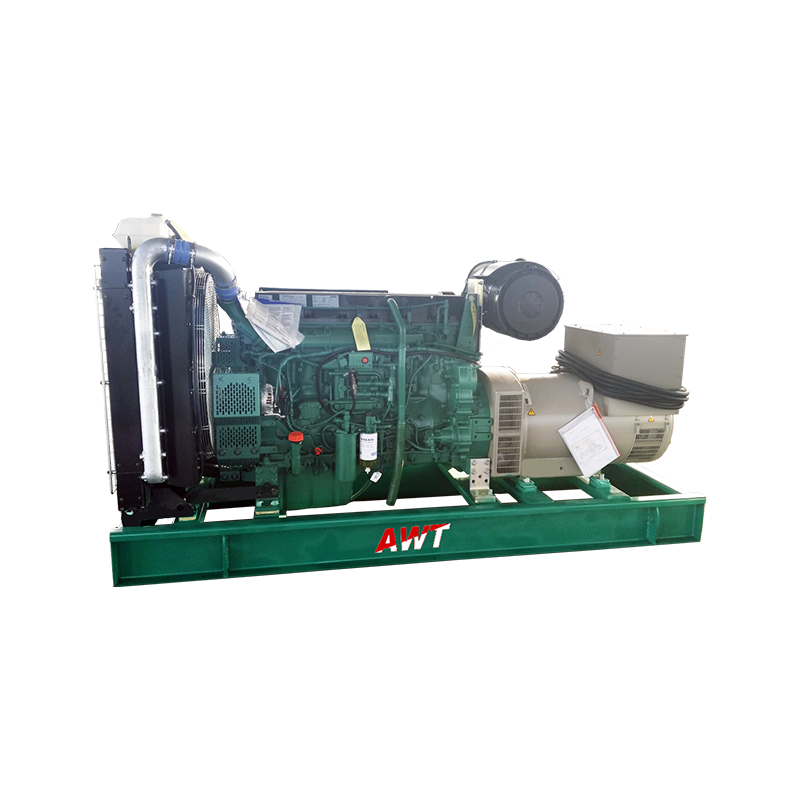
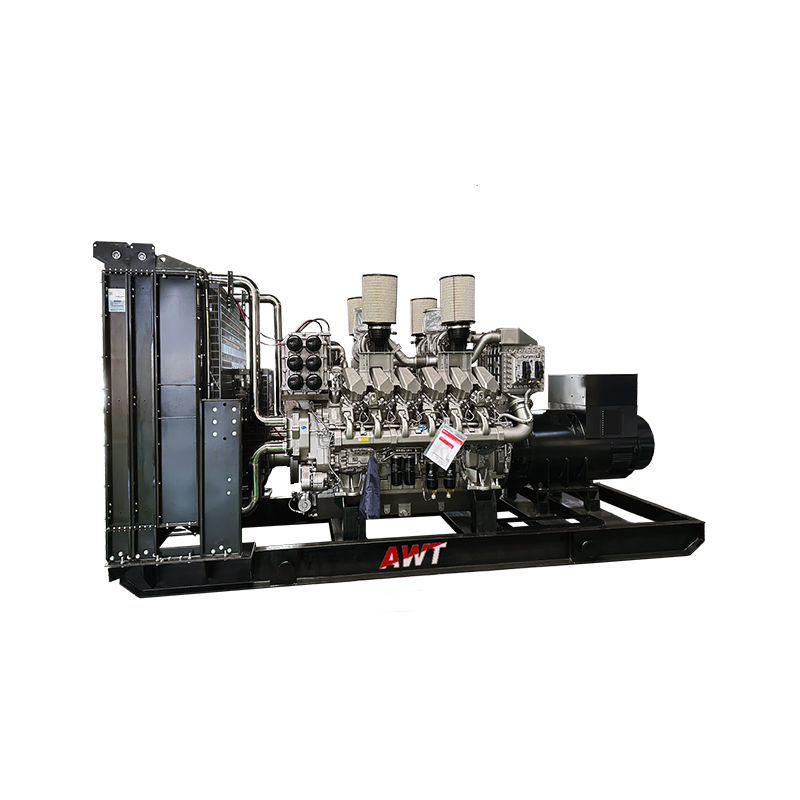
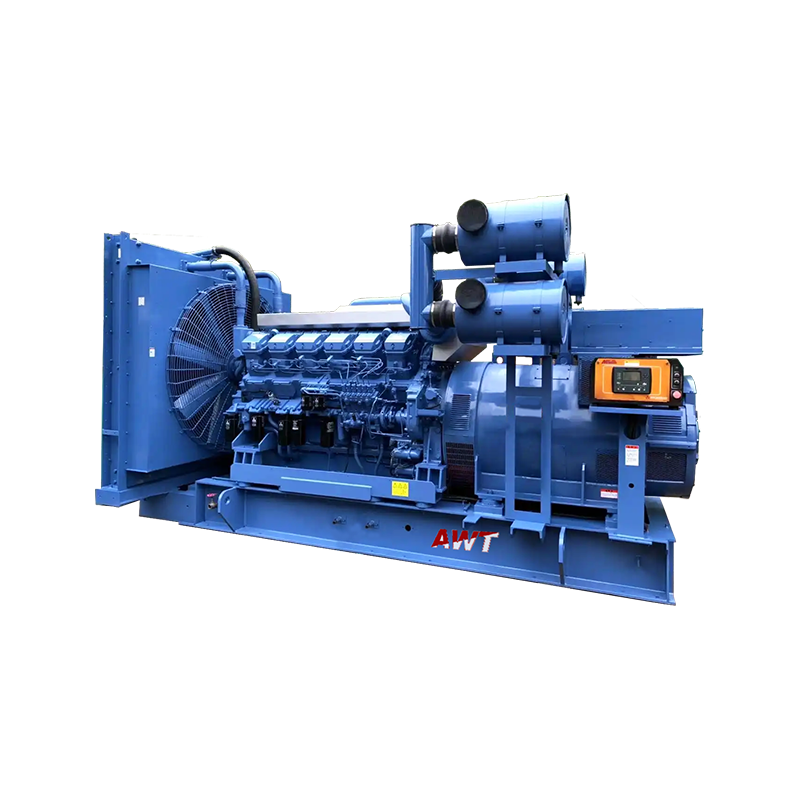
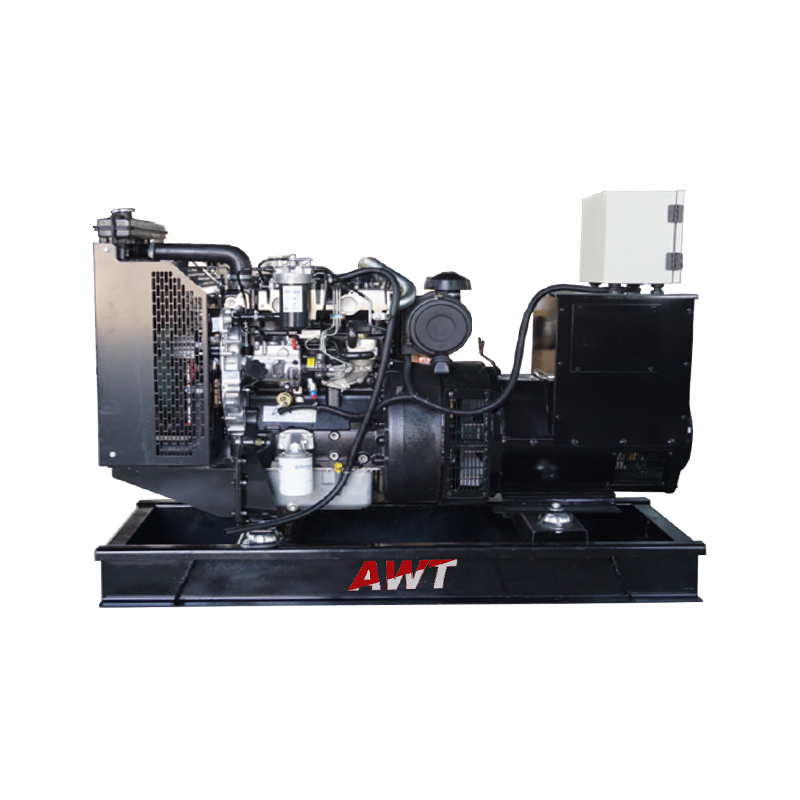
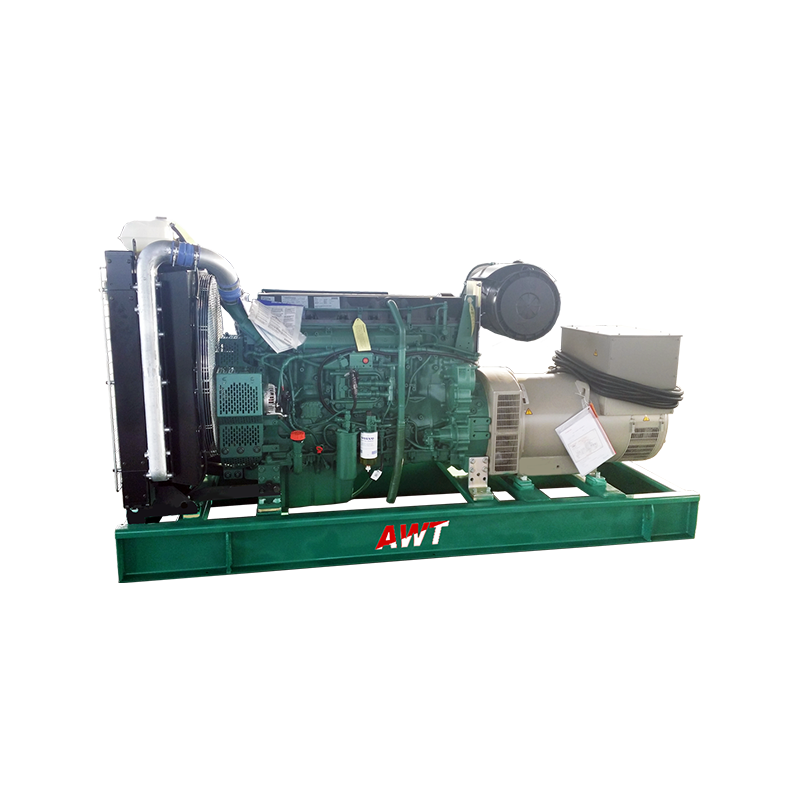
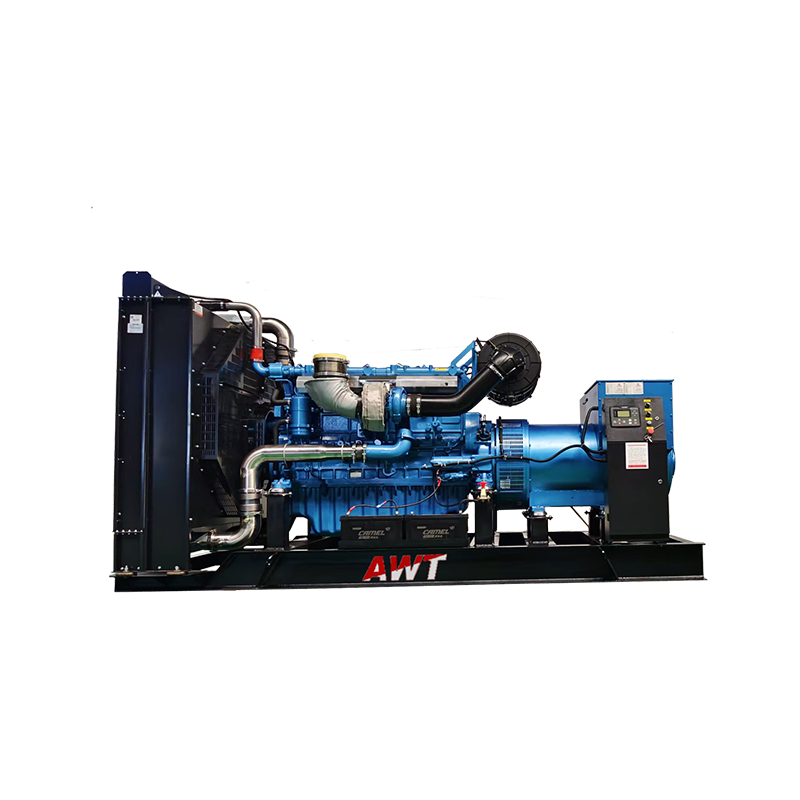
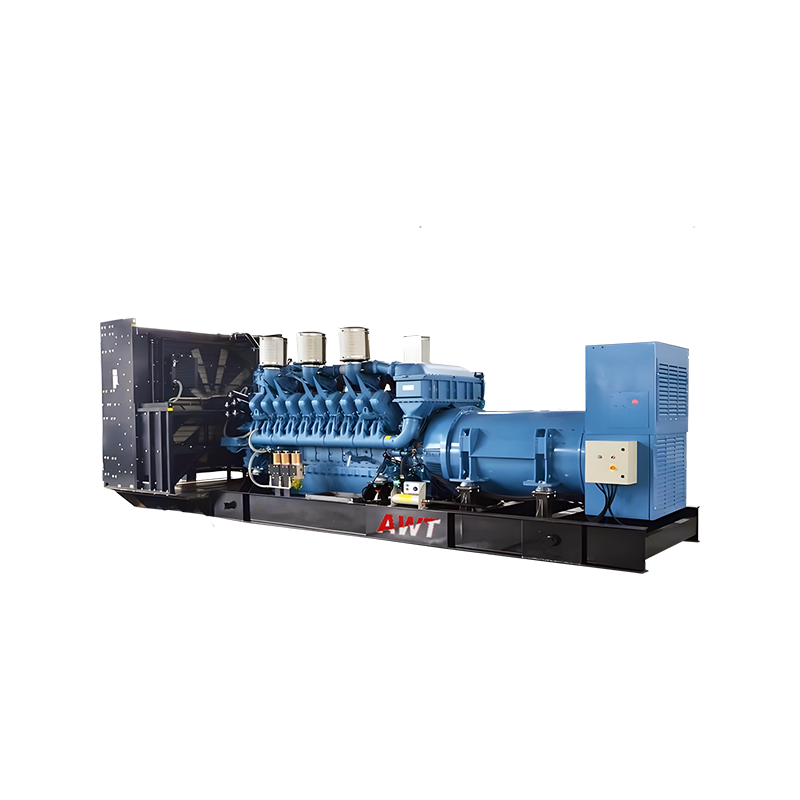
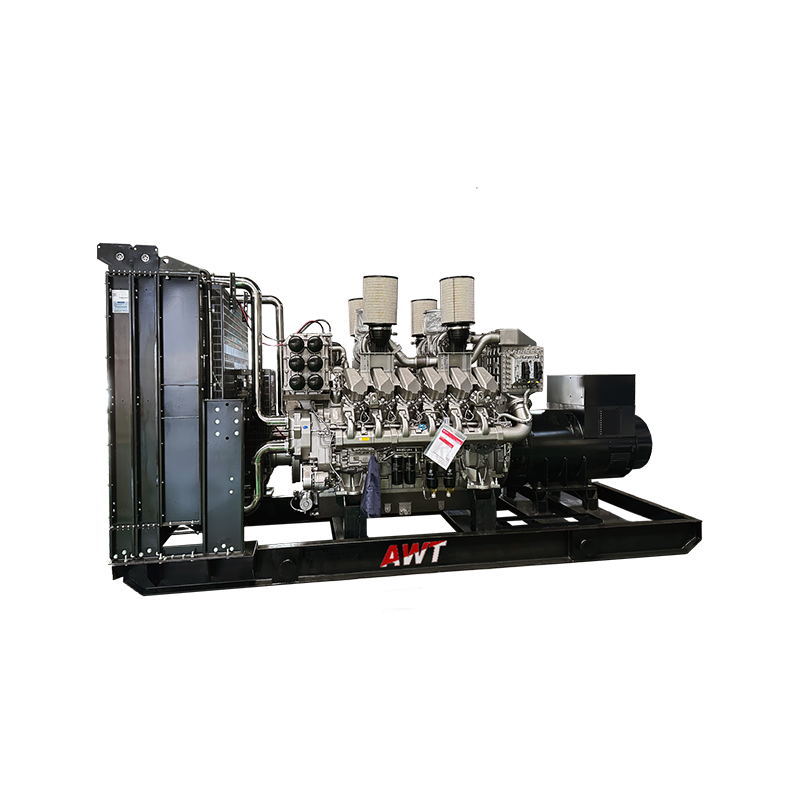
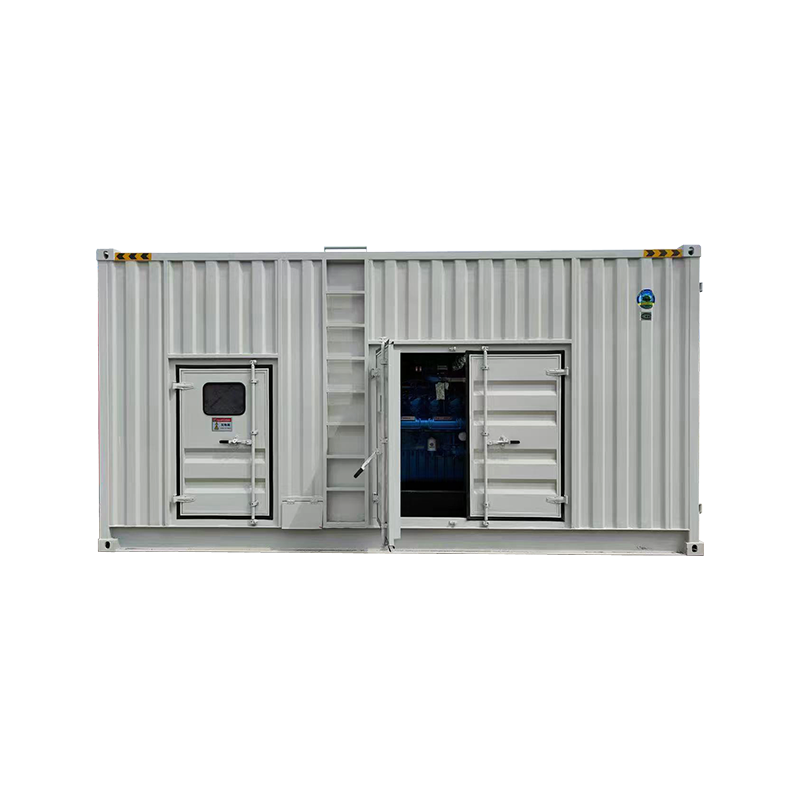
Gas engine generator set configured for combined heat and power operation, capturing engine jacket water and exhaust heat through integrated recovery circuits to supply electrical power and usable thermal energy from a single fuel input.

Up to 90% Total Energy Efficiency
40-45% Electrical Efficiency
40-50% Thermal Efficiency
01

Product Introduction

The CHP Gas Generator Set is a gas engine generator configured for combined heat and power operation, in which the engine drives an alternator to produce electrical power while jacket water and exhaust heat are recovered through heat exchangers to supply usable thermal energy. The set integrates the gas engine, alternator, exhaust heat recovery boiler or heat exchanger, jacket water circuit, control panel, and hydraulic and electrical auxiliaries as an assembled unit. Depending on the configuration, thermal output is delivered as hot water at 80 to 95 degrees Celsius, low-pressure steam, or thermal oil for process heating. Total energy utilization reaches up to 90 percent of the fuel input when both electrical and thermal output are fully used. Power output ranges from 100 kW to 4,000 kW, with engine speed set at 1500 rpm for 50 Hz or 1800 rpm for 60 Hz output. The control panel manages engine start and stop, gas supply regulation, alternator excitation, synchronization, thermal circuit monitoring, and protection functions. The set is applied at facilities with simultaneous electrical and thermal demand, where on-site generation with heat recovery improves overall energy utilization compared with separate purchase of electricity and fuel for heating.

Core Advantages for B2B Operations

Engineered for facilities with simultaneous electrical and thermal demand, where energy cost and carbon intensity are managed at the site level.

Total Energy Utilization

Up to 90 Percent Fuel Efficiency

By capturing both electrical output and engine waste heat, CHP configurations utilize up to 90 percent of the fuel energy input, compared with approximately 40 to 45 percent for power-only generation. This directly reduces fuel cost per unit of useful energy delivered to the facility.

Thermal Output

Multiple Heat Delivery Formats

Thermal energy can be delivered as hot water, low-pressure steam, or thermal oil depending on the process requirement. Heat recovery circuits are configured at the design stage to match the facility's thermal load profile, temperature level, and return conditions.

Cost Management

Reduced Energy Cost per Unit Produced

On-site generation with heat recovery reduces purchased electricity and boiler fuel consumption simultaneously. For facilities with continuous thermal demand, the combined cost of electricity and heat per unit of output is lower than the separate purchase of grid power and boiler fuel.

Carbon

Lower Carbon Intensity per Unit of Energy

Higher overall fuel utilization reduces the carbon dioxide emitted per unit of useful energy delivered. For facilities operating under carbon reporting or reduction targets, CHP configurations provide a measurable reduction in scope 1 and scope 2 emissions compared with separate power and heat supply.

Grid Interaction

Reduced Grid Dependency and Demand Charges

On-site generation reduces the electrical load drawn from the grid, lowering demand charges and exposure to electricity price volatility. Where grid connection is limited, CHP capacity can be sized to cover a portion of the facility load while maintaining supply reliability.

Compliance

Support for Efficiency and Emissions Requirements

CHP operation can support compliance with facility energy efficiency requirements, industrial emissions reduction programs, and building energy performance standards. The control system provides operating data for reporting on fuel input, electrical output, thermal output, and overall efficiency.

02

Product Characteristics

Fuel Type
Natural gas, biogas, landfill gas, coal mine gas, or associated petroleum gas
Output Capacity
100 kW to 4,000 kW electrical output
Electrical Efficiency
40 to 45 percent, engine dependent
Thermal Efficiency
40 to 50 percent, configuration dependent
Total Efficiency
Up to 90 percent with full heat recovery
Engine Type
Four-stroke spark-ignition gas engine, turbocharged
Engine Speed
1500 rpm for 50 Hz, 1800 rpm for 60 Hz
Alternator Type
Brushless synchronous alternator, Class H insulation
Output Voltage
400 V, 480 V, 6300 V, or custom values on request
Heat Recovery Format
Hot water, low-pressure steam, or thermal oil
Hot Water Temperature
80 to 95 degrees Celsius, configuration dependent
Heat Recovery Circuit
Jacket water circuit, exhaust heat exchanger, or combined configuration
Control Panel
PLC-based controller with HMI, auto start and stop, synchronization, thermal circuit monitoring, protection functions
Installation Form
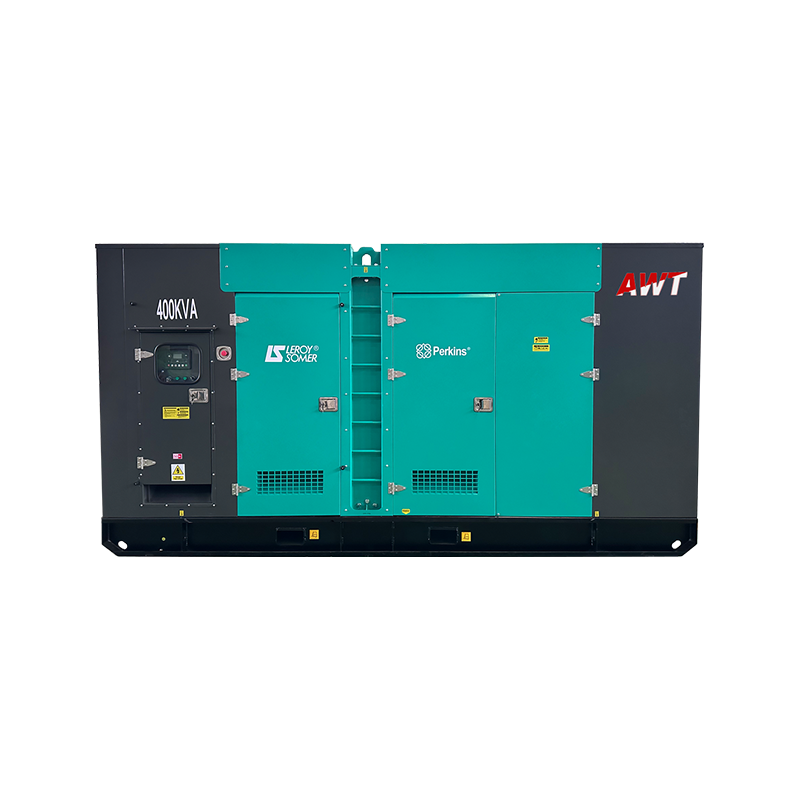
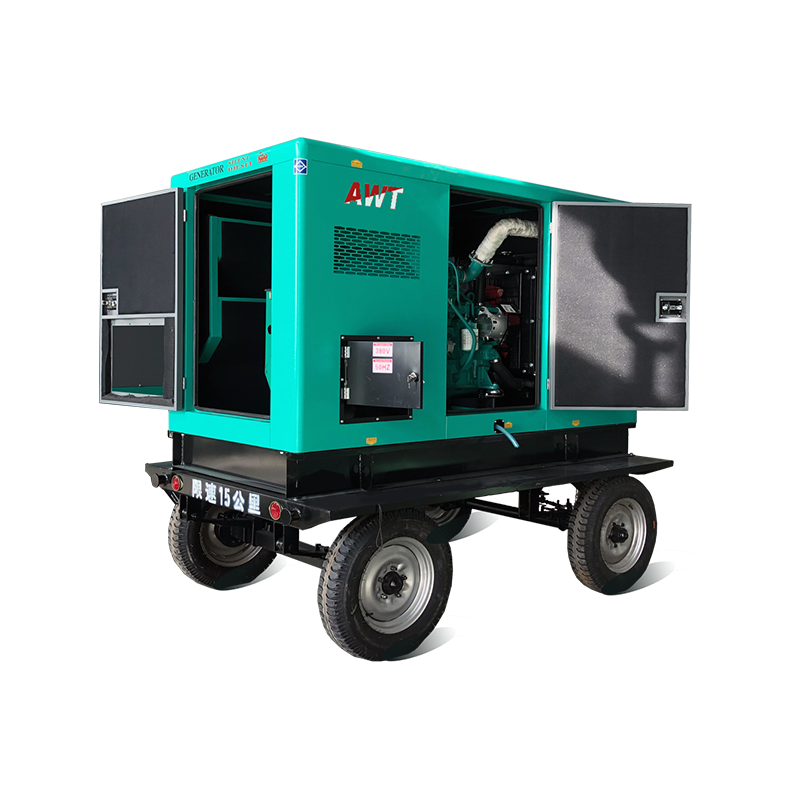
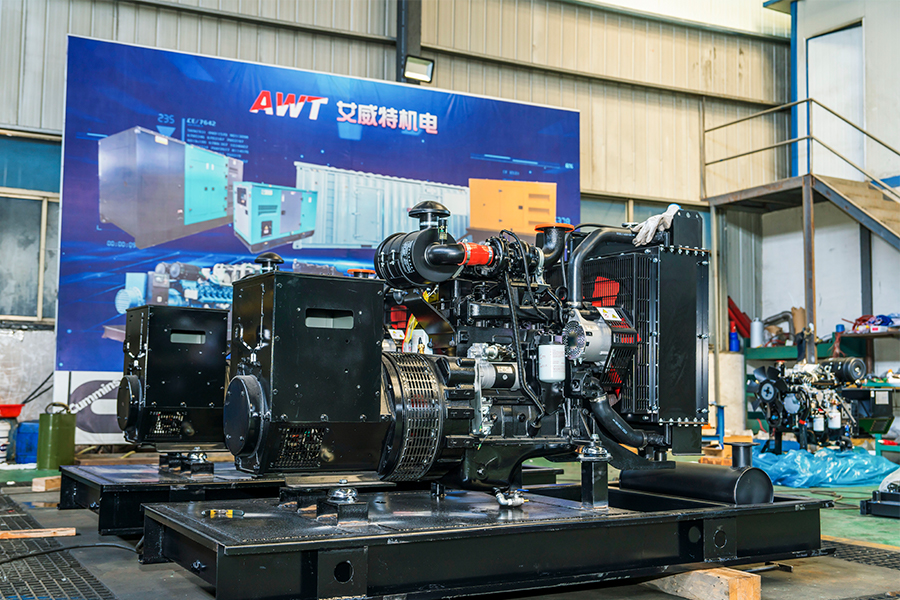
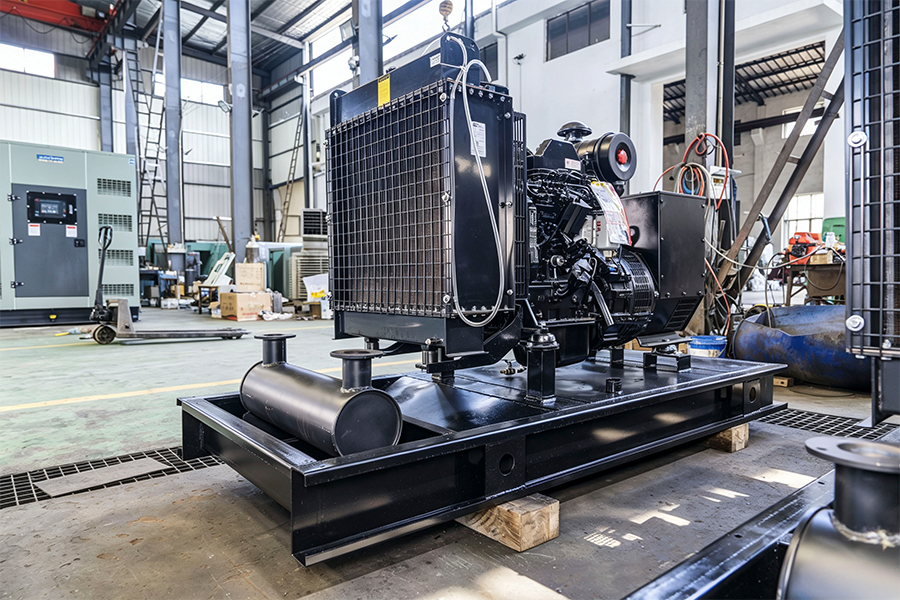
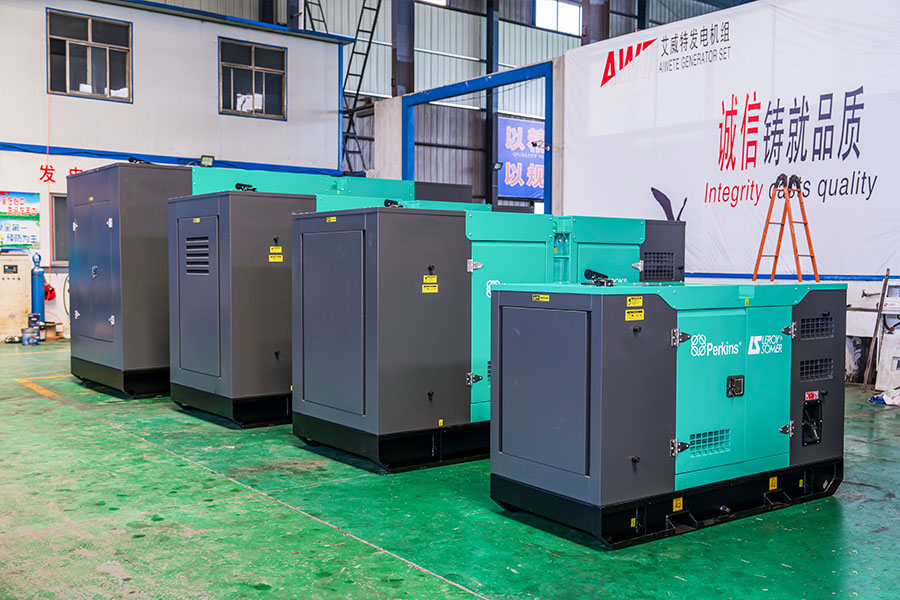
Open skid, soundproof canopy, or containerized enclosure
Grid Parallel Operation
Synchronization and load sharing with grid or other generation units
Monitoring and Reporting
Fuel input, electrical output, thermal output, efficiency data logging

Application Scenarios

01

Industrial Process Heating

Facilities requiring both electrical power and process heat for manufacturing operations, where engine heat is recovered for drying, melting, or process heating.

02

District Heating and Cooling

Community or campus energy systems supplying both electricity and thermal energy for heating or absorption cooling through district networks.

03

Commercial and Institutional Buildings

Hospitals, hotels, shopping centers, and data centers with simultaneous electrical and thermal demand, where on-site CHP reduces purchased energy cost.

04

Wastewater Treatment Plants

Facilities operating on biogas from anaerobic digestion, using recovered heat for digester heating while supplying electricity for plant operations.

05

Food and Beverage Processing

Processing facilities with continuous thermal demand for pasteurization, cleaning, or drying, combined with electrical demand for production equipment.

06

Greenhouse and Agricultural Operations

Greenhouses and agricultural processing sites where recovered heat is used for space heating while electricity is used for lighting, pumps, and climate control.
Frequently Asked Questions and Solutions

01 Thermal output below the required temperature
Verify the heat recovery circuit design against the actual thermal load temperature requirement, check the jacket water temperature setpoint, inspect the exhaust heat exchanger for fouling, and confirm flow rates match the design specification.
02 Low overall efficiency compared with design value
Check the heat recovery circuit for heat loss or bypass, verify that thermal output is actually being used rather than dumped, inspect the exhaust heat exchanger for fouling, and confirm the engine is operating near rated load.
03 Exhaust heat exchanger fouling
Inspect the exhaust heat exchanger surface at scheduled intervals, clean according to the maintenance procedure, and verify the engine combustion condition since incomplete combustion increases soot loading on the heat exchanger.
04 Thermal load varies significantly through the day
Configure a thermal storage tank or buffer to match the thermal demand profile with the generator set operating point, and verify the control system can modulate heat recovery or exhaust bypass as required.
05 Grid parallel operation and load sharing
Verify synchronization settings, check the power factor control configuration, confirm load sharing parameters between the generator set and grid or other units, and validate protection coordination with the local grid operator.
06 Emissions and efficiency reporting requirements
Confirm the reporting parameters required for the applicable program, verify the control system data logging covers fuel input, electrical output, thermal output, and efficiency, and schedule emission testing according to the applicable regulatory requirements.
07 Heat recovery system leakage or pressure loss
Inspect the heat recovery circuit for leaks at flanges and connections, verify circuit pressure at scheduled intervals, and check the expansion tank and makeup water system function.

Operating Notes

01
Verify gas supply pressure and fuel composition before starting the engine; composition variation affects combustion stability and output.
02
Check engine oil level and coolant level at the start of each shift.
03
Verify heat recovery circuit pressure, flow rate, and temperature at scheduled intervals.
04
Inspect the exhaust heat exchanger for fouling and clean according to the maintenance procedure.
05
Check the expansion tank and makeup water system function for the heat recovery circuit.
06
Verify synchronization and load sharing settings when operating in parallel with the grid or other generation units.
07
Conduct oil analysis at regular intervals to monitor wear metals and adjust oil change intervals based on results.
08
Confirm the installation space meets ventilation, clearance, and thermal insulation requirements.
09
Record operating parameters including fuel input, electrical output, thermal output, and efficiency for reporting and fault diagnosis.
About AWT Genset

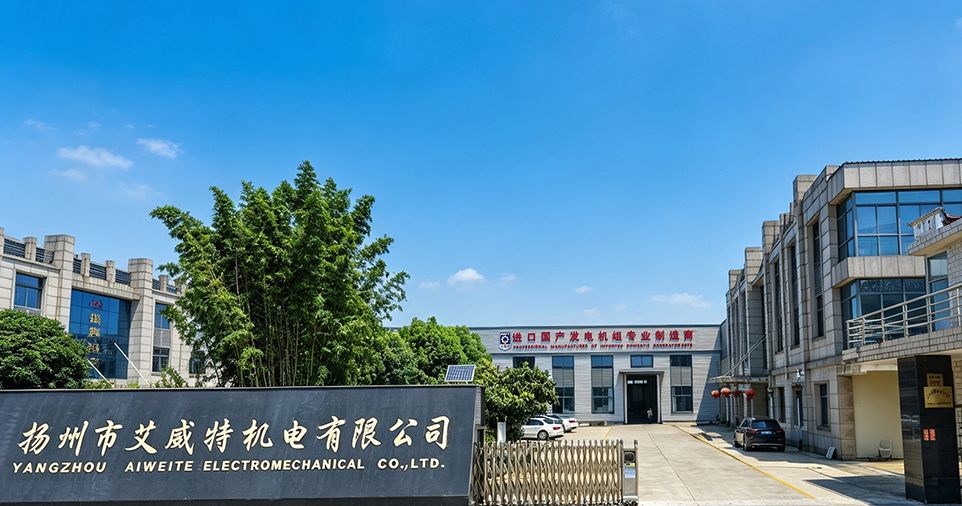
Yangzhou Aiweite Electromechanical Co., Ltd.

Diesel generator manufacturing, flexible configurations, and dependable support for industrial, commercial, and infrastructure projects. We are China CHP Gas Generator Set OEM/ODM Manufacturers and Custom CHP Gas Generator Set OEM/ODM Suppliers & Factory

AWT Genset diesel generator manufacturing facility
01

Professional Diesel Generator Manufacturing

AWT Genset specializes in diesel generator set manufacturing and installation, offering power solutions ranging from 1 kVA to 2,500 kVA. With experience in power generation equipment, we serve industrial, commercial, and infrastructure projects with different power requirements. Our product range supports both standby and continuous power applications, helping customers select generator sets according to their operating conditions, load requirements, and installation environments.

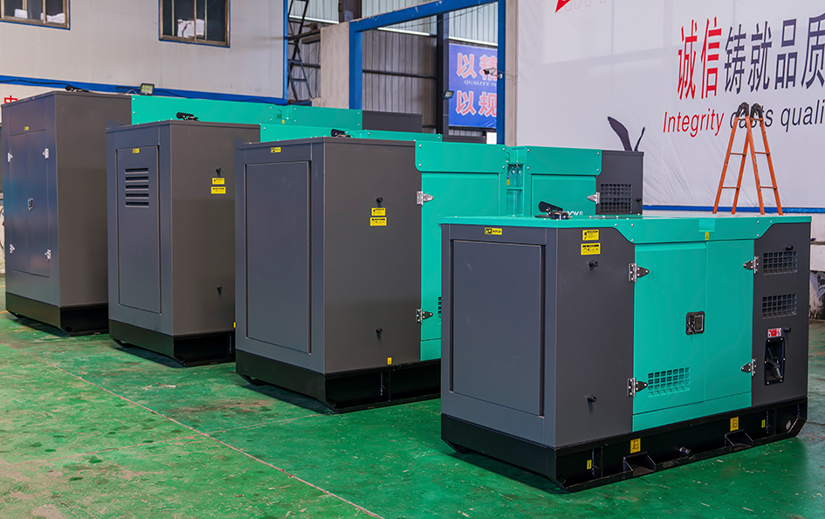
AWT Genset diesel generator product range
02

Comprehensive Product Range and Flexible Configurations

We offer diesel generator sets powered by internationally recognized engine brands, including Cummins, Perkins, Weichai, Yuchai, Baudouin, MTU, Volvo, SDEC, and Mitsubishi. Our product range includes open-type, silent-type, trailer-type, and container-type generator sets. Different configurations can be selected according to power capacity, noise control requirements, site conditions, mobility needs, and project specifications, providing greater flexibility for distributors, contractors, and industrial end users.

Customized generator set engineering at AWT Genset
03

Customized Engineering and OEM/ODM Services

AWT Genset provides flexible configuration solutions for customers with specific technical and project requirements. Available options may include engine selection, generator capacity, control systems, electrical specifications, enclosure structures, and other configuration details. By considering the intended application, operating environment, and installation conditions, we help customers identify suitable generator set configurations for their projects, distribution businesses, and equipment integration requirements.

Generator quality control and performance testing
04

Quality Control and Performance Testing

Quality management and performance verification are important parts of our generator manufacturing process. Production inspections and generator testing procedures help verify equipment operation and identify potential issues before delivery. By focusing on assembly consistency, electrical performance, and operational checks, we aim to provide generator sets that meet the applicable technical requirements and intended operating conditions. Customers can also confirm specific testing procedures and documentation requirements when discussing their projects with our team.

AWT Genset technical support and service
05

Technical Support and Comprehensive Service

Our support covers generator selection, technical consultation, configuration recommendations, installation guidance, spare parts supply, and after-sales troubleshooting. We understand that choosing a generator involves more than comparing rated power; factors such as load characteristics, operating hours, environmental conditions, voltage, and frequency also influence equipment selection. By providing technical assistance throughout the purchasing and implementation process, we help customers make informed decisions and plan for equipment operation and maintenance.