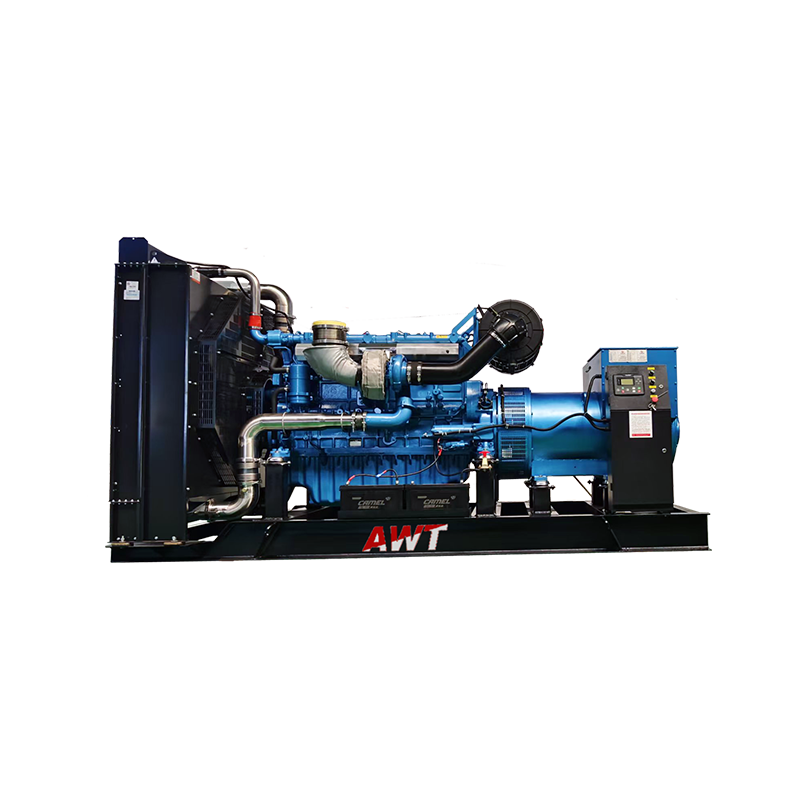
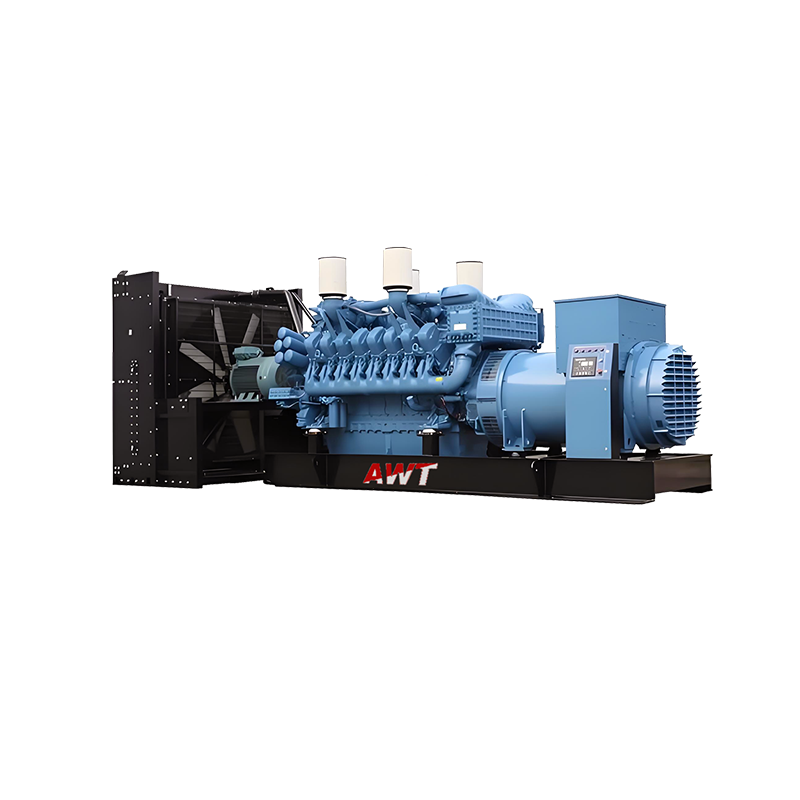
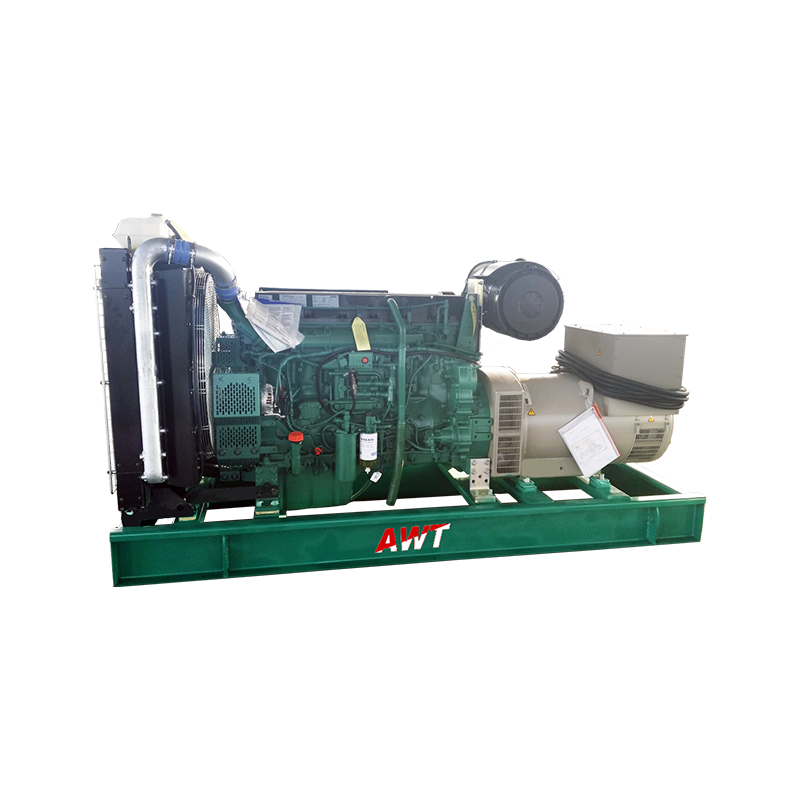
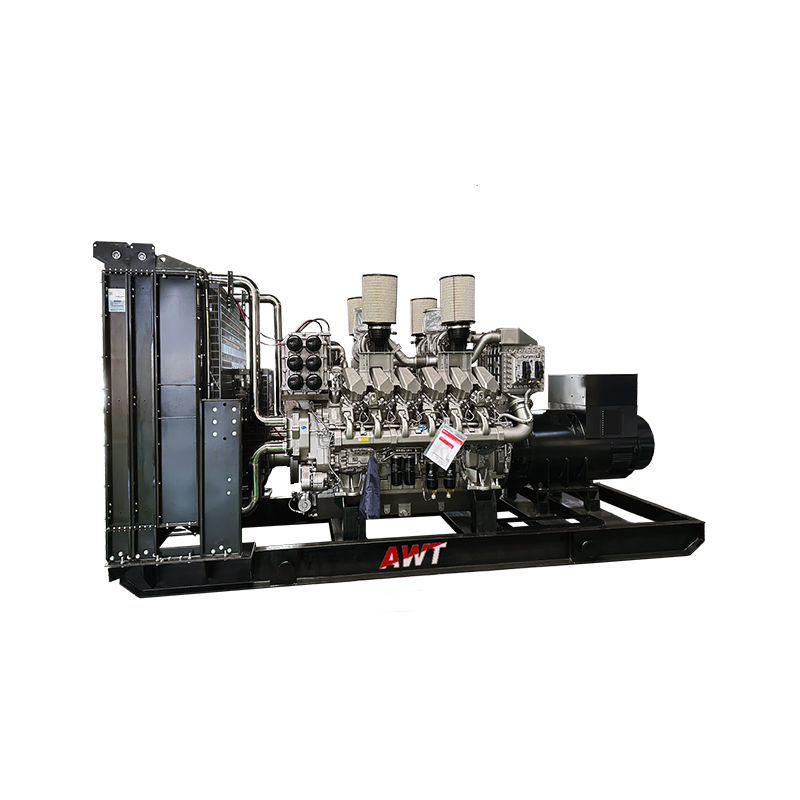
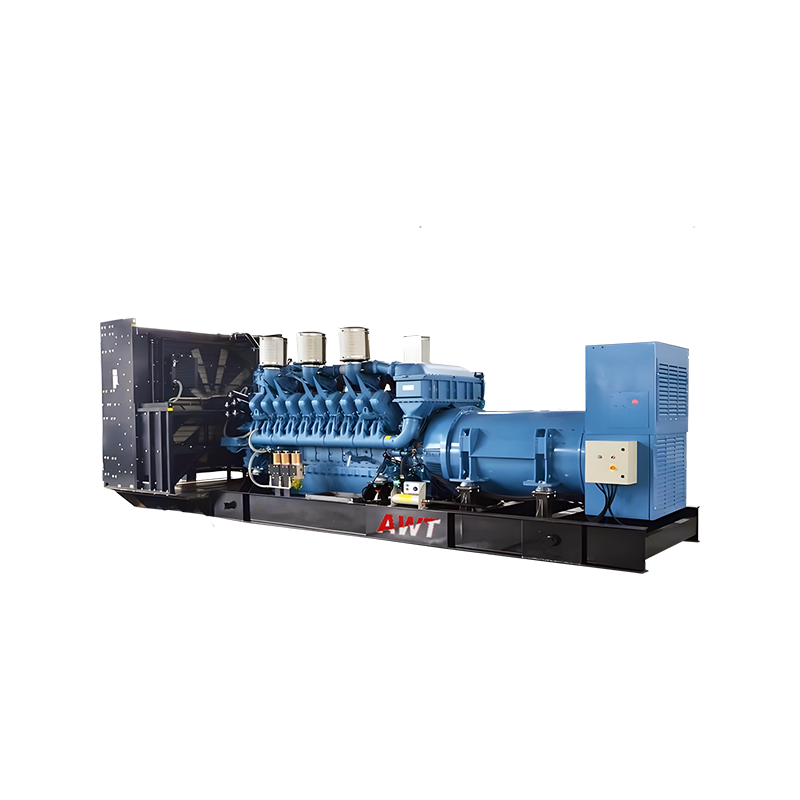
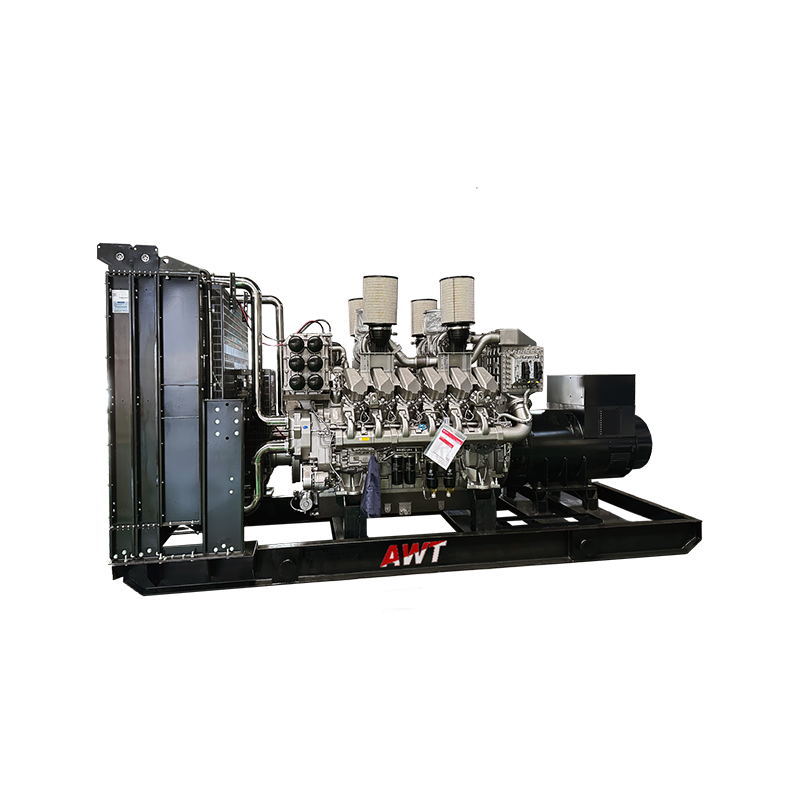
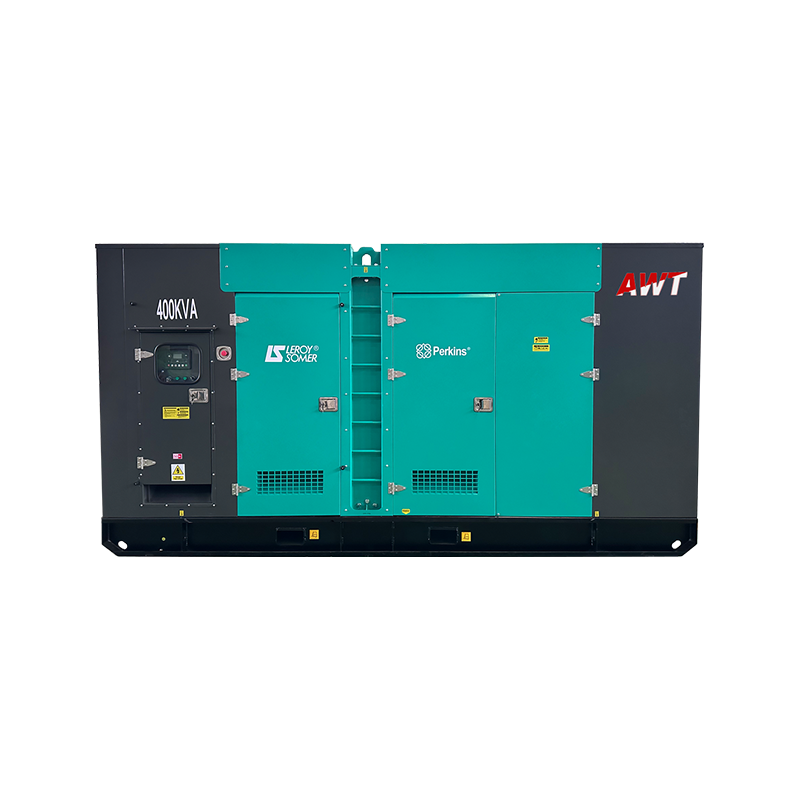
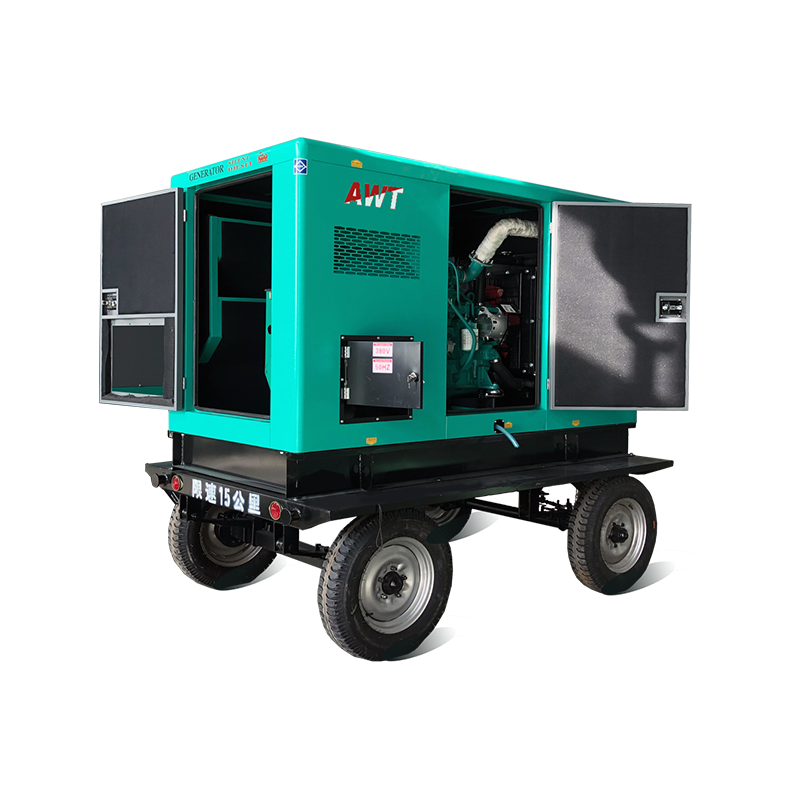
Containerized Power Solutions

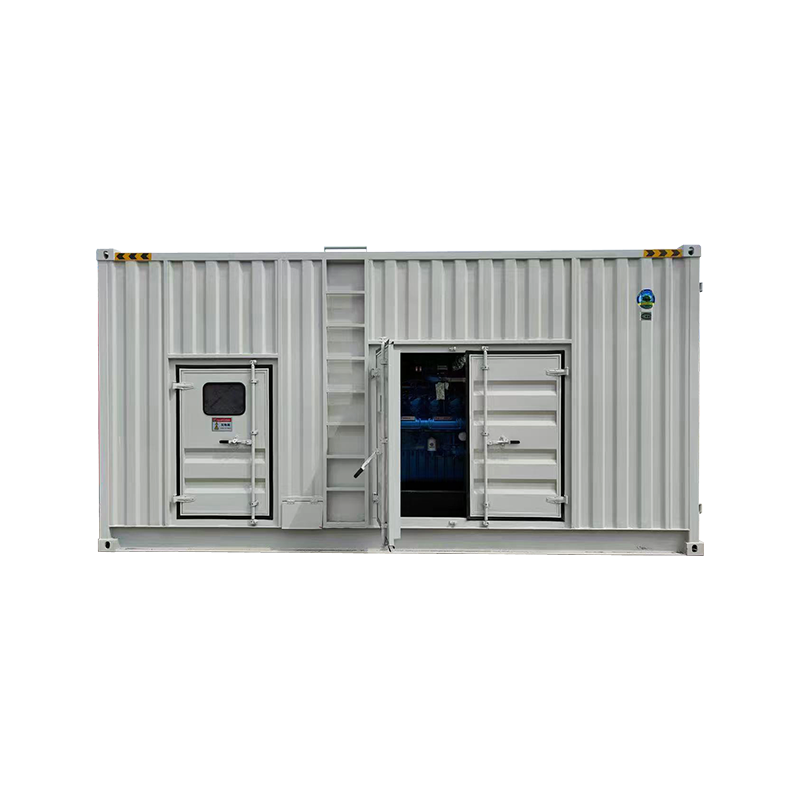
Containerized Gas Generator Set

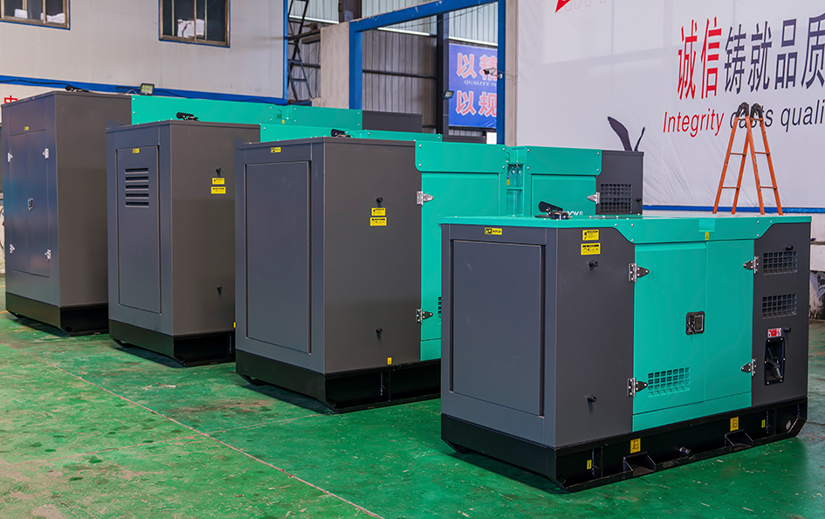
Gas engine generator set supplied in a prefabricated ISO container, with engine, alternator, control panel, cooling system, gas train, and auxiliary equipment pre-installed and pre-commissioned for transport, rapid deployment, and operation at remote or space-constrained sites.

20 ft Standard Container
40 ft High Capacity Option
-40°C Cold Climate Rated
IP54 Weather Protection
01

Product Introduction

The Containerized Gas Generator Set is a gas engine generator configured for installation inside a prefabricated ISO container, in which the engine, alternator, control panel, cooling system, gas train, exhaust system, and auxiliary equipment are assembled, wired, and pre-commissioned at the factory before shipment. The container serves as the enclosure, providing weather protection, acoustic attenuation, and structural support for the generating equipment, while retaining standard ISO dimensions for transport by truck, rail, or ship without special handling equipment. Container configurations are available in 20-foot and 40-foot formats, with layouts arranged for horizontal or vertical radiator orientation depending on the site footprint. The set is available for operation on natural gas, biogas, landfill gas, coal mine gas, or associated petroleum gas, with gas treatment and fuel delivery systems configured to match the specific gas source. Engine speed is set at 1500 rpm for 50 Hz output or 1800 rpm for 60 Hz output, with electrical output ranging from 100 kW to 3,000 kW depending on the model and gas composition. The control panel manages engine start and stop, gas supply regulation, alternator excitation, synchronization, container environment monitoring, and protection functions. The containerized configuration is applied at sites where permanent civil works are limited, where rapid deployment is required, or where equipment relocation over the project lifecycle is expected.

Core Advantages for B2B Operations

Engineered for project schedules, site constraints, and lifecycle economics of distributed gas-to-power deployments.

Deployment

Factory Pre-Assembly and Pre-Commissioning

The engine, alternator, control panel, cooling system, gas train, and auxiliary equipment are assembled, wired, and functionally tested at the factory before shipment. Site work is limited to foundation preparation, container positioning, gas connection, exhaust connection, and electrical interconnection, reducing on-site installation time compared with stick-built installations.

Transport

Standard ISO Dimensions for Freight

Container configurations retain standard ISO dimensions and corner castings, allowing transport by truck, rail, or ship without special handling equipment. This reduces freight complexity and cost compared with oversize equipment requiring flatbed trailers, permits, and escort vehicles.

Site Works

Reduced Civil Works and Building Requirements

The container serves as the enclosure and structural support for the generating equipment, eliminating the need for a dedicated generator building, acoustic enclosure construction, or weather protection works. This reduces civil construction scope, permitting lead time, and permanent site footprint.

Environment

Weather Protection and Acoustic Attenuation

Container construction provides IP54 weather protection for the internal equipment and includes acoustic attenuation treatment for the engine, alternator, and cooling system. The configuration is suitable for outdoor installation in a range of climate conditions, including cold, humid, and dusty environments.

Lifecycle

Relocation and Reuse Across Project Lifecycle

Containerized configurations can be disconnected, lifted, and transported to a new site as the project develops or as gas availability changes over the field lifecycle. This supports asset reuse and reduces the total cost of ownership across multiple deployment phases compared with fixed installations.

Scale

Modular Capacity Expansion

Additional containerized units can be added as gas availability or power demand increases, allowing capacity to be matched to project requirements over time. Units can operate in parallel for load sharing, and the modular approach reduces the risk of capacity mismatch compared with a single large installation.

02

Product Characteristics

Container Size
20-foot or 40-foot ISO container, model dependent
Protection Rating
IP54 weather protection, acoustic attenuation treatment
Fuel Type
Natural gas, biogas, landfill gas, coal mine gas, or associated petroleum gas
Output Capacity
100 kW to 3,000 kW electrical output
Engine Type
Four-stroke spark-ignition gas engine, turbocharged
Engine Speed
1500 rpm for 50 Hz, 1800 rpm for 60 Hz
Electrical Efficiency
35 to 44 percent, engine dependent
Alternator Type
Brushless synchronous alternator, Class H insulation
Output Voltage
400 V, 480 V, 6300 V, or custom values on request
Cooling Method
Container-mounted radiator, horizontal or vertical orientation
Exhaust System
Container-integrated exhaust routing with silencer and flexible connection
Gas Train
Container-mounted gas train with shut-off valve, filter, pressure regulator, and flame arrestor
Control Panel
PLC-based controller with HMI, auto start and stop, synchronization, container environment monitoring, protection functions
Container Environment
Temperature, ventilation, fire detection, and lighting configured for the project climate
Optional Modules
CHP heat recovery, remote monitoring, gas detection, hazardous area classification
Site Preparation
Concrete pad or piling foundation, gas connection, exhaust connection, electrical interconnection

Application Scenarios

A

Remote Oilfield and Gas Field Sites

Power generation at remote well sites and lease facilities where containerized units can be transported to site without permanent civil works and relocated as field development progresses.

B

Landfill and Biogas Projects

Power generation at landfill sites and biogas plants where containerized units match the gas availability and can be scaled as gas volumes develop over time.

C

Mine Site Power Supply

On-site power generation at coal mine sites and mineral processing facilities where containerized units provide weather protection and acoustic attenuation in a compact footprint.

D

Industrial Peak Shaving and Standby Power

Power supply for industrial facilities where containerized gas generators provide backup or peak shaving capacity without the civil works of a dedicated generator building.

E

District Energy and CHP Projects

Combined heat and power applications where containerized units with heat recovery modules supply electricity and thermal energy to district networks or building clusters.

F

Emergency and Temporary Power

Short-term or emergency power supply where containerized gas generators can be delivered, connected, and commissioned on a compressed schedule.
Frequently Asked Questions and Solutions

01 Site foundation requirements for containerized units
A level concrete pad or piling foundation sized for the container's static and dynamic loading is required. Foundation design should account for soil bearing capacity at the site, wind loading at the installation location, and any local seismic requirements. Verify the foundation specification against the container drawing before site preparation.
02 Container environment temperature control
The container includes ventilation and temperature control systems configured for the project climate. For cold climate applications, additional insulation and heating elements may be specified. For hot climate applications, ventilation capacity and radiator sizing are configured for the site ambient temperature. Confirm climate design conditions during project specification.
03 Acoustic performance and noise level
Container construction includes acoustic attenuation treatment to reduce noise emission from the engine, alternator, and cooling system. The specific noise level at a defined distance depends on the configuration and the site layout. Verify the acoustic specification against applicable site noise requirements during project specification.
04 Gas connection and fuel supply interface
The container is delivered with a container-mounted gas train and a defined gas connection interface. Site work is limited to connecting the incoming gas line to the container interface and verifying gas supply pressure and composition against the engine specification. Gas treatment equipment upstream of the container interface may be required depending on the gas source.
05 Relocation and re-deployment of containerized units
Containerized units can be disconnected, lifted, and transported to a new site using standard container handling equipment. Prior to relocation, gas connection, exhaust connection, and electrical interconnection are disconnected, and the container is prepared for transport according to the maintenance manual. Re-commissioning at the new site follows the same procedure as initial commissioning.
06 Remote monitoring and unattended operation
The control panel can be configured with remote monitoring interfaces for supervising operation from a central control room or mobile terminal. Automatic start and stop functions, alarm and shutdown signal transmission, and container environment monitoring are configured according to the site operating model. Verify the communication link and alarm signal transmission during commissioning.
07 Parallel operation with existing generation or grid
The control panel supports synchronization and load sharing with an existing grid or other generation units. Verify protection coordination with the local grid operator, confirm the synchronization and load sharing settings, and validate the parallel operation configuration during commissioning.

Operating Notes

01 Verify gas supply pressure and fuel composition before starting the engine; composition variation affects combustion stability and power output.
02 Check engine oil level, coolant level, and container environment conditions at the start of each shift.
03 Verify container ventilation and temperature control system operation at scheduled intervals.
04 Inspect the gas train for leakage at regular intervals, using a gas detector where required.
05 Inspect container seals, door gaskets, and weather protection elements for damage during routine maintenance.
06 Verify fire detection and alarm systems, and confirm extinguisher or suppression system status according to the maintenance schedule.
07 Conduct oil analysis at regular intervals to monitor wear metals and adjust oil change intervals based on results.
08 Confirm the foundation condition and container anchoring at scheduled intervals for outdoor installations.
09 Record operating parameters and alarm history for each run to support fault diagnosis and maintenance planning.
About AWT Genset

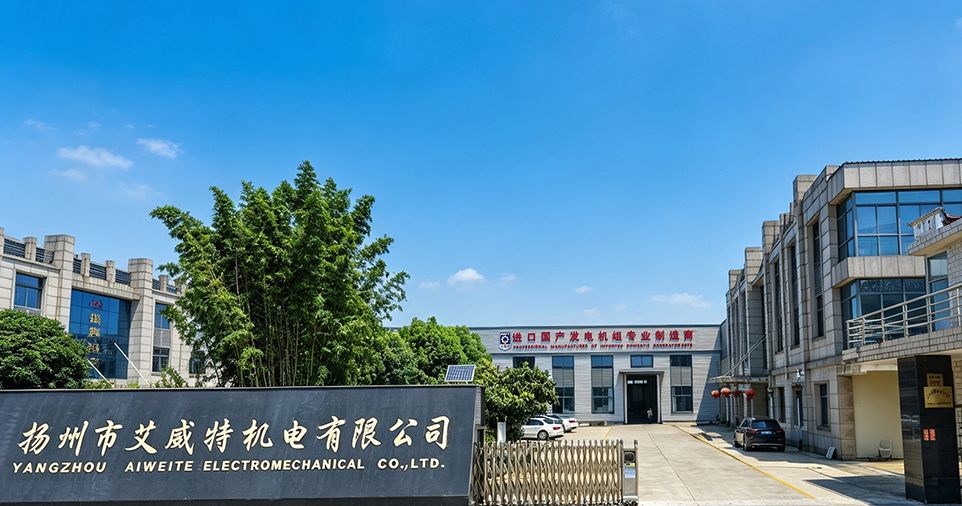
Yangzhou Aiweite Electromechanical Co., Ltd.

Diesel generator manufacturing, flexible configurations, and dependable support for industrial, commercial, and infrastructure projects. We are China Containerized Gas Generator Set OEM/ODM Manufacturers and Custom Containerized Gas Generator Set OEM/ODM Suppliers & Factory

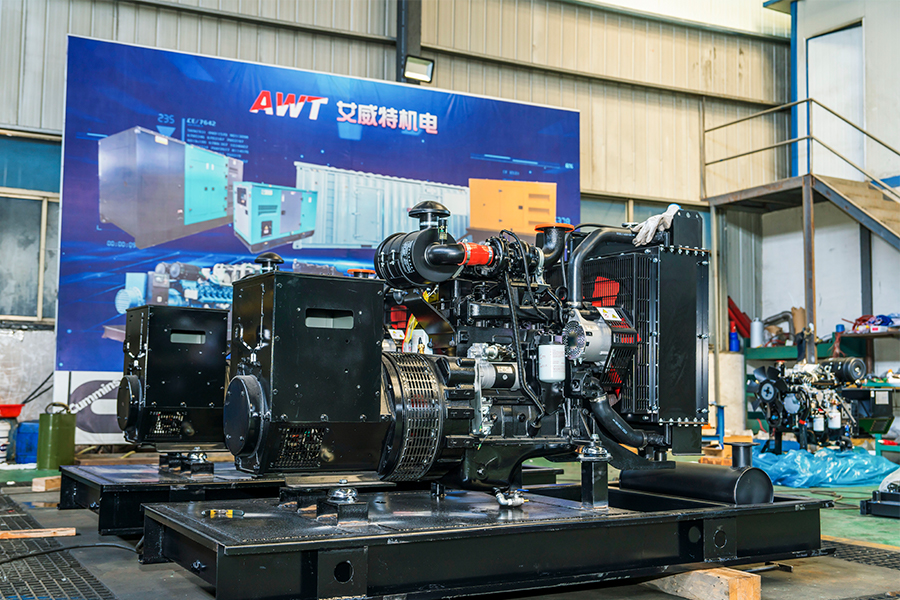
AWT Genset diesel generator manufacturing facility
01

Professional Diesel Generator Manufacturing

AWT Genset specializes in diesel generator set manufacturing and installation, offering power solutions ranging from 1 kVA to 2,500 kVA. With experience in power generation equipment, we serve industrial, commercial, and infrastructure projects with different power requirements. Our product range supports both standby and continuous power applications, helping customers select generator sets according to their operating conditions, load requirements, and installation environments.

AWT Genset diesel generator product range
02

Comprehensive Product Range and Flexible Configurations

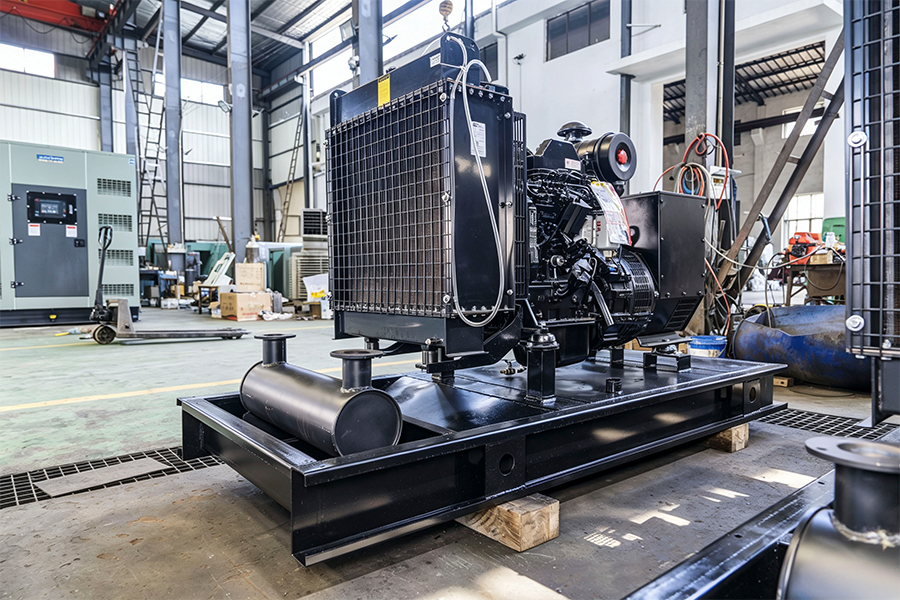
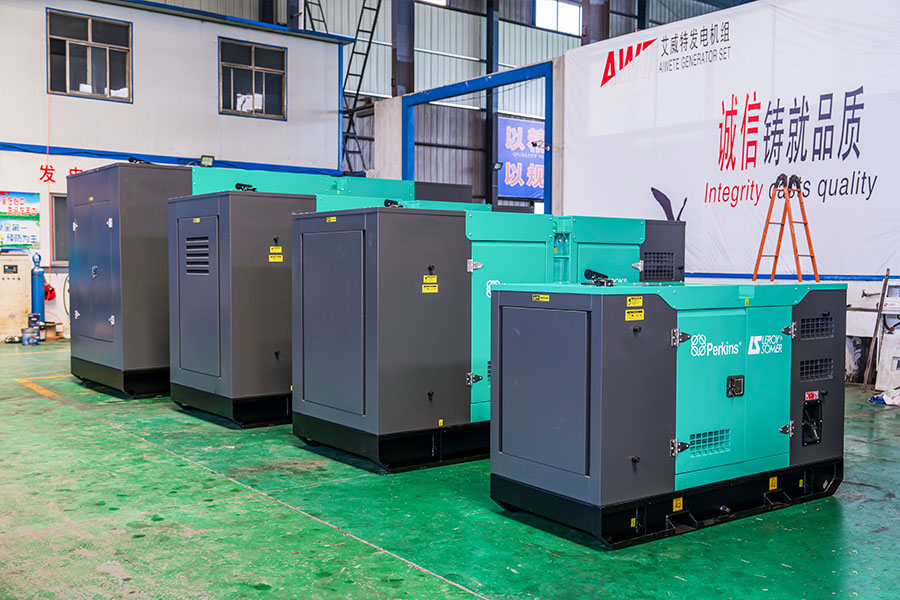
We offer diesel generator sets powered by internationally recognized engine brands, including Cummins, Perkins, Weichai, Yuchai, Baudouin, MTU, Volvo, SDEC, and Mitsubishi. Our product range includes open-type, silent-type, trailer-type, and container-type generator sets. Different configurations can be selected according to power capacity, noise control requirements, site conditions, mobility needs, and project specifications, providing greater flexibility for distributors, contractors, and industrial end users.

Customized generator set engineering at AWT Genset
03

Customized Engineering and OEM/ODM Services

AWT Genset provides flexible configuration solutions for customers with specific technical and project requirements. Available options may include engine selection, generator capacity, control systems, electrical specifications, enclosure structures, and other configuration details. By considering the intended application, operating environment, and installation conditions, we help customers identify suitable generator set configurations for their projects, distribution businesses, and equipment integration requirements.

Generator quality control and performance testing
04

Quality Control and Performance Testing

Quality management and performance verification are important parts of our generator manufacturing process. Production inspections and generator testing procedures help verify equipment operation and identify potential issues before delivery. By focusing on assembly consistency, electrical performance, and operational checks, we aim to provide generator sets that meet the applicable technical requirements and intended operating conditions. Customers can also confirm specific testing procedures and documentation requirements when discussing their projects with our team.

AWT Genset technical support and service
05

Technical Support and Comprehensive Service

Our support covers generator selection, technical consultation, configuration recommendations, installation guidance, spare parts supply, and after-sales troubleshooting. We understand that choosing a generator involves more than comparing rated power; factors such as load characteristics, operating hours, environmental conditions, voltage, and frequency also influence equipment selection. By providing technical assistance throughout the purchasing and implementation process, we help customers make informed decisions and plan for equipment operation and maintenance.