Landfill Gas-to-Energy

Landfill Gas Generator Set

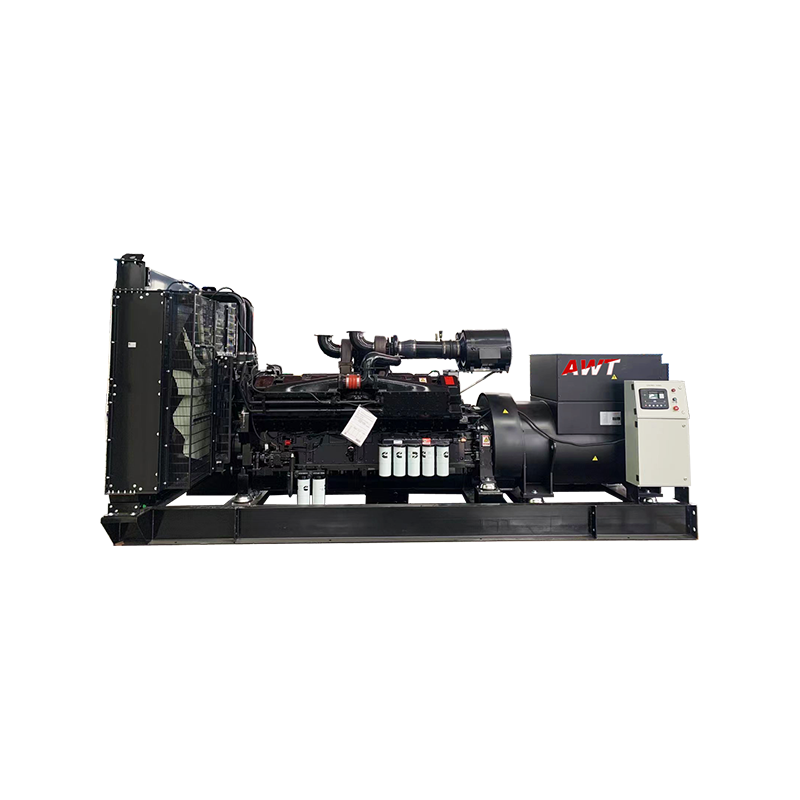
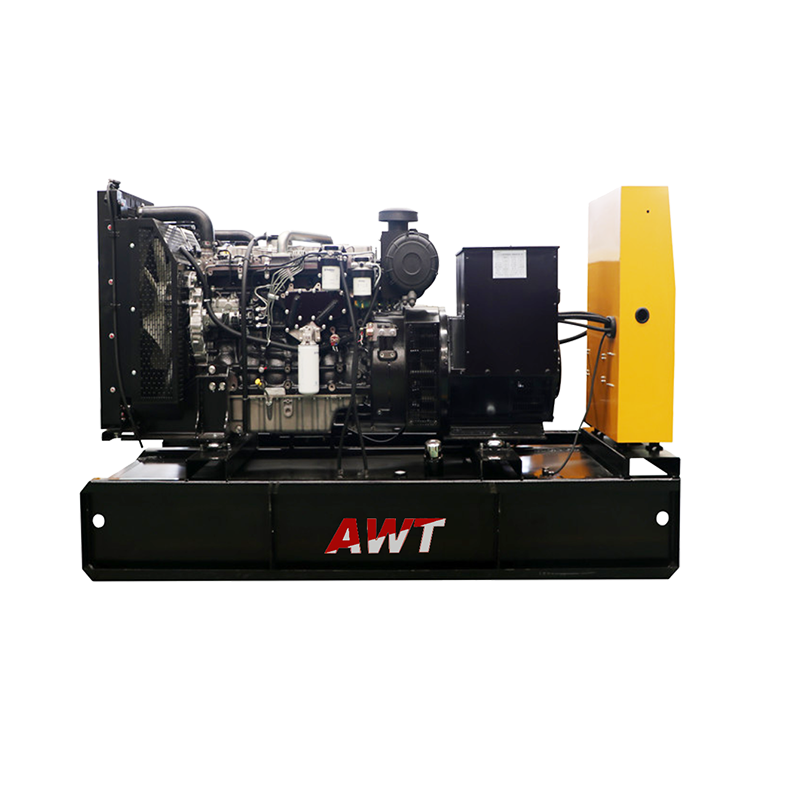
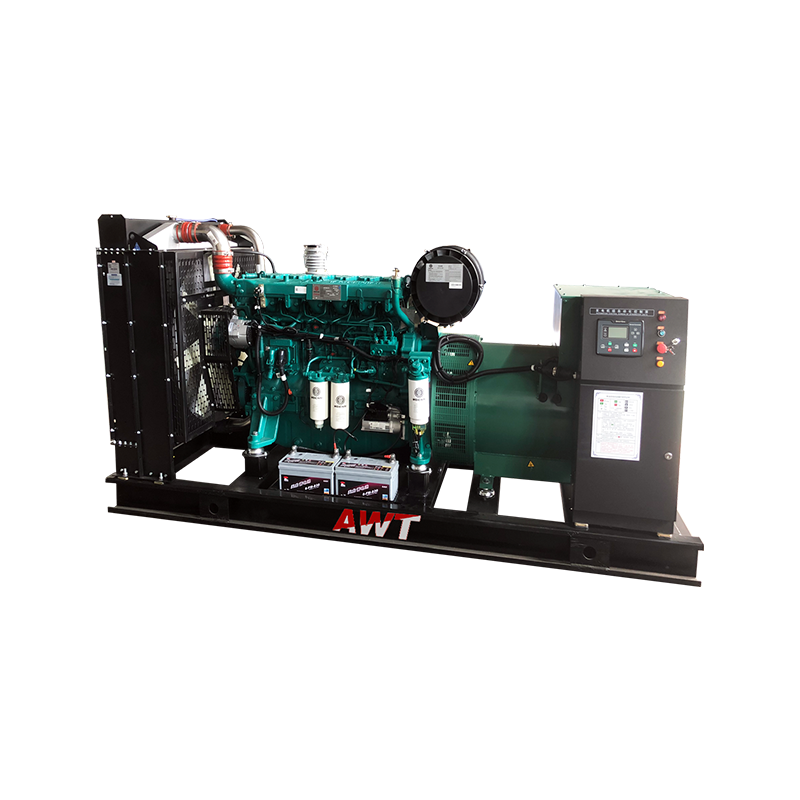
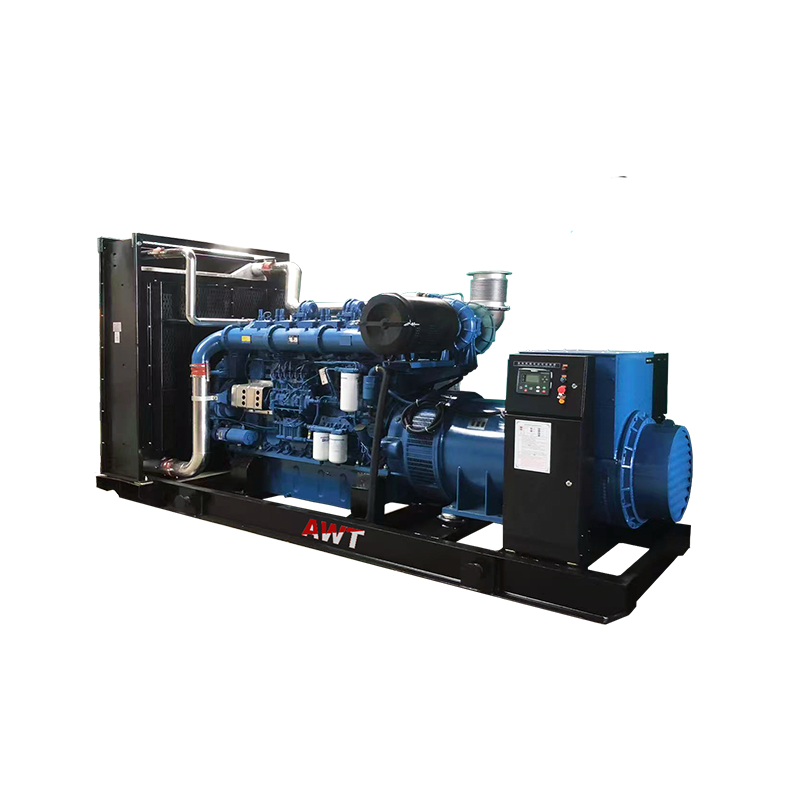
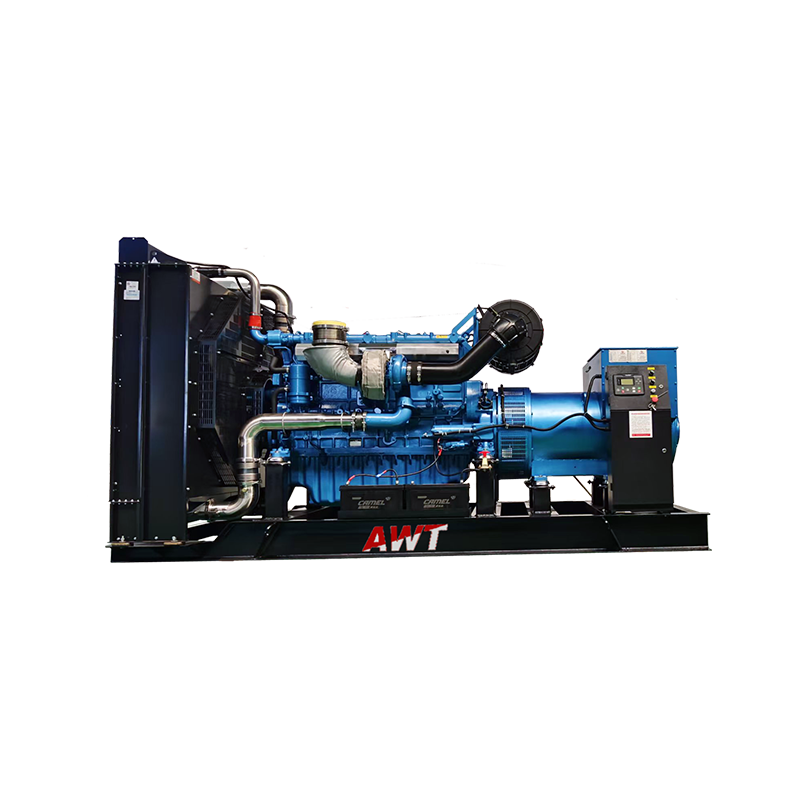
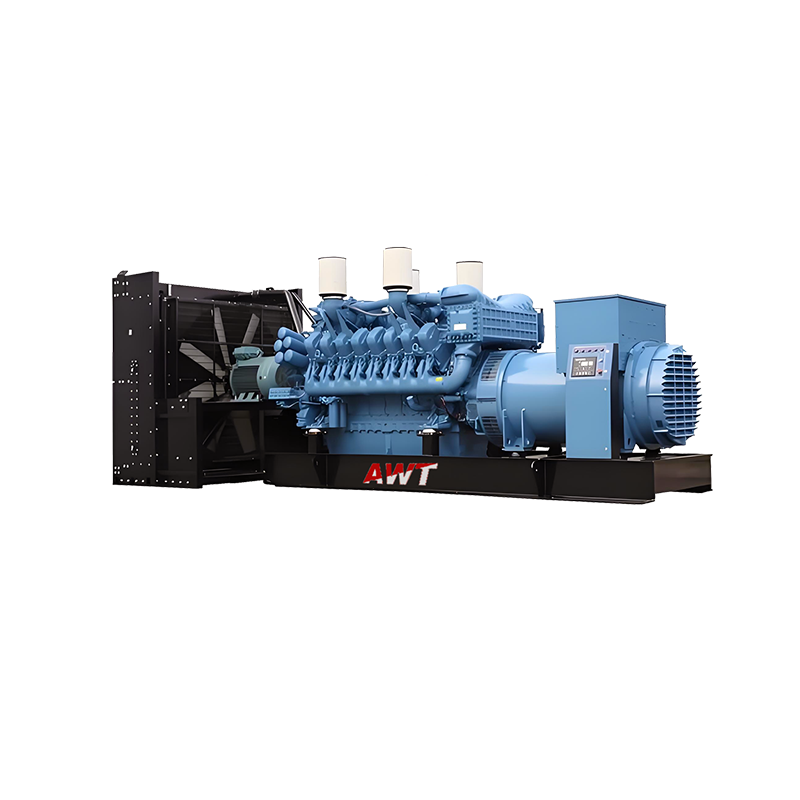
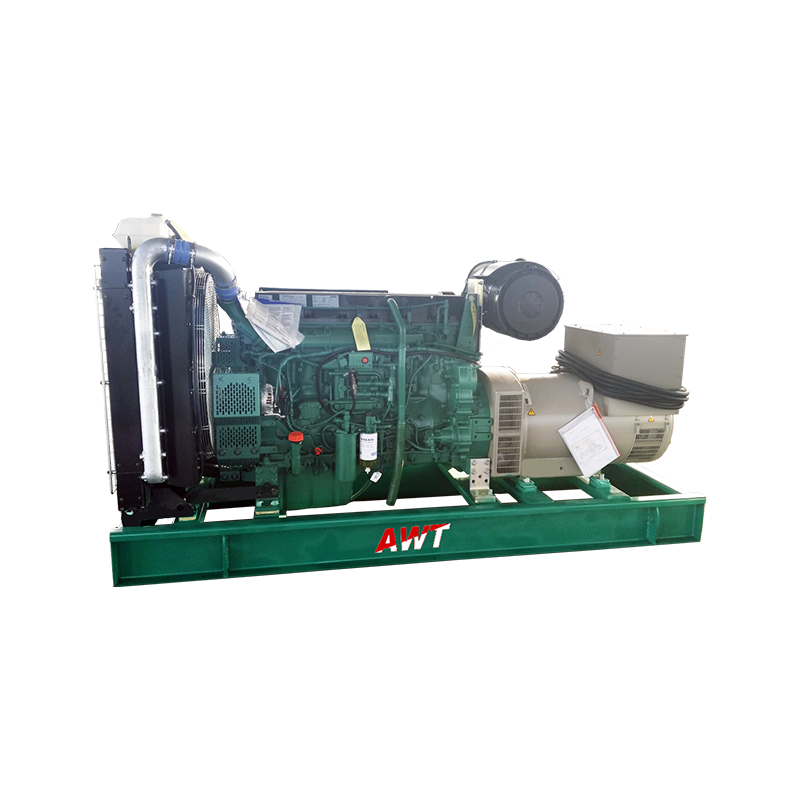
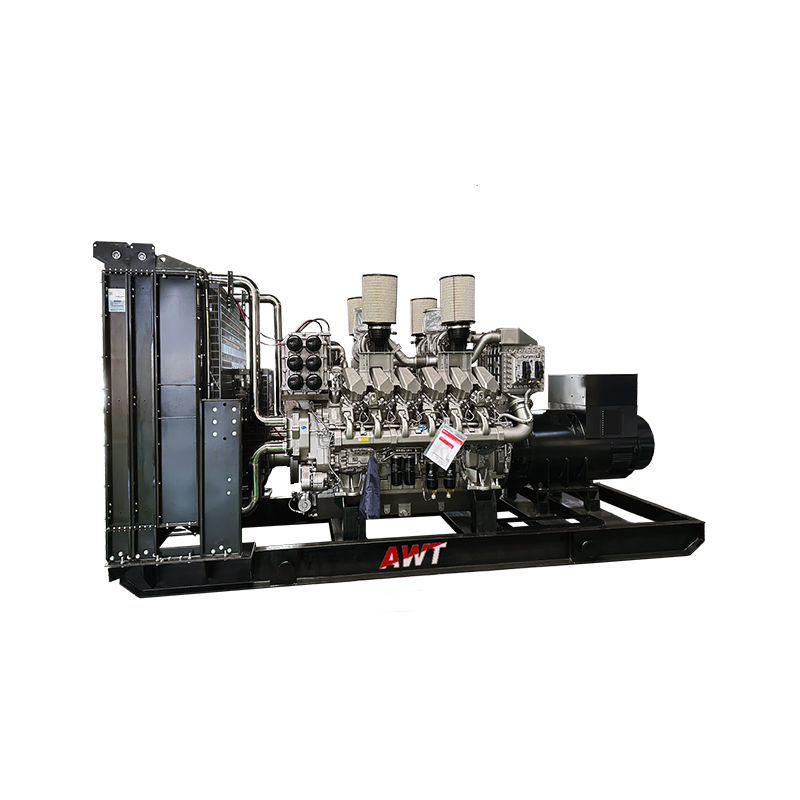
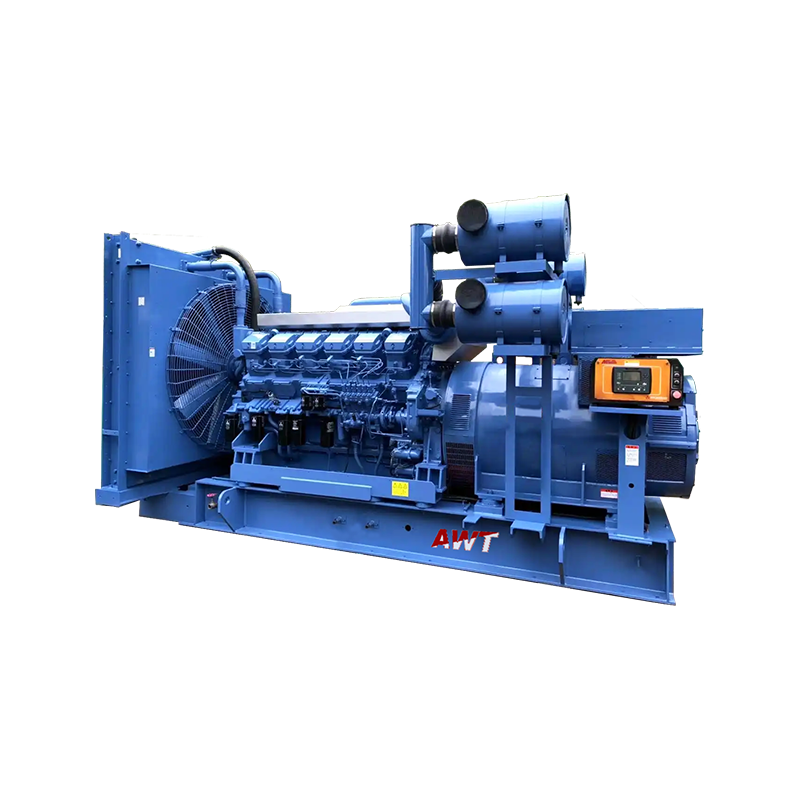
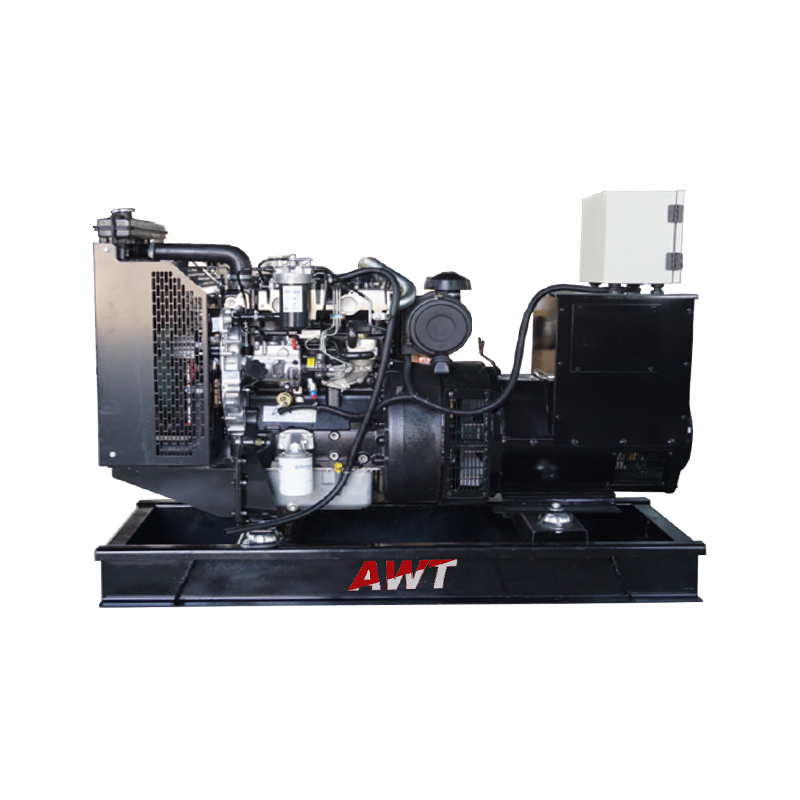
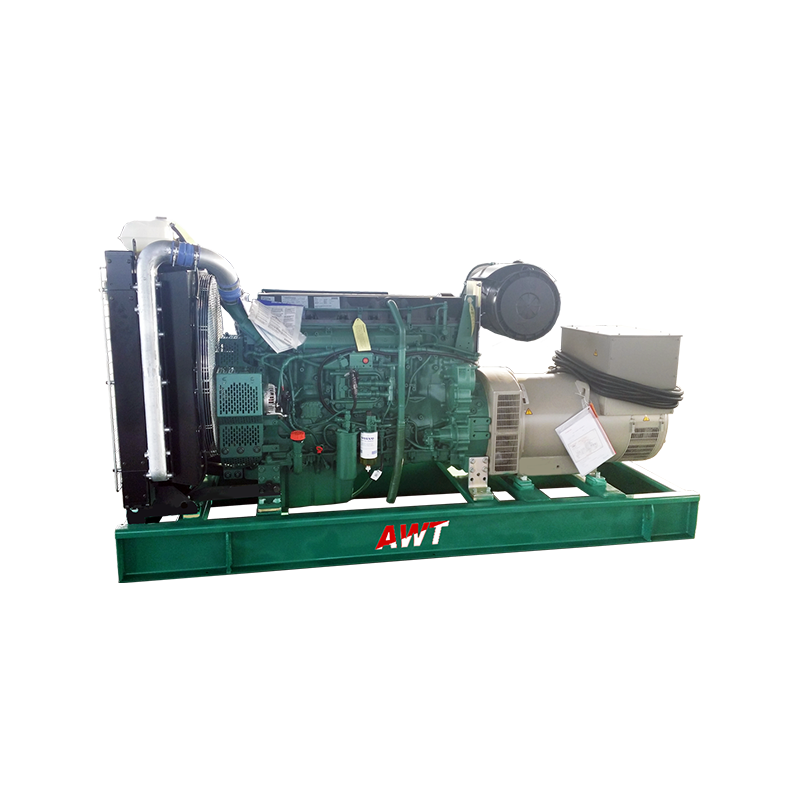
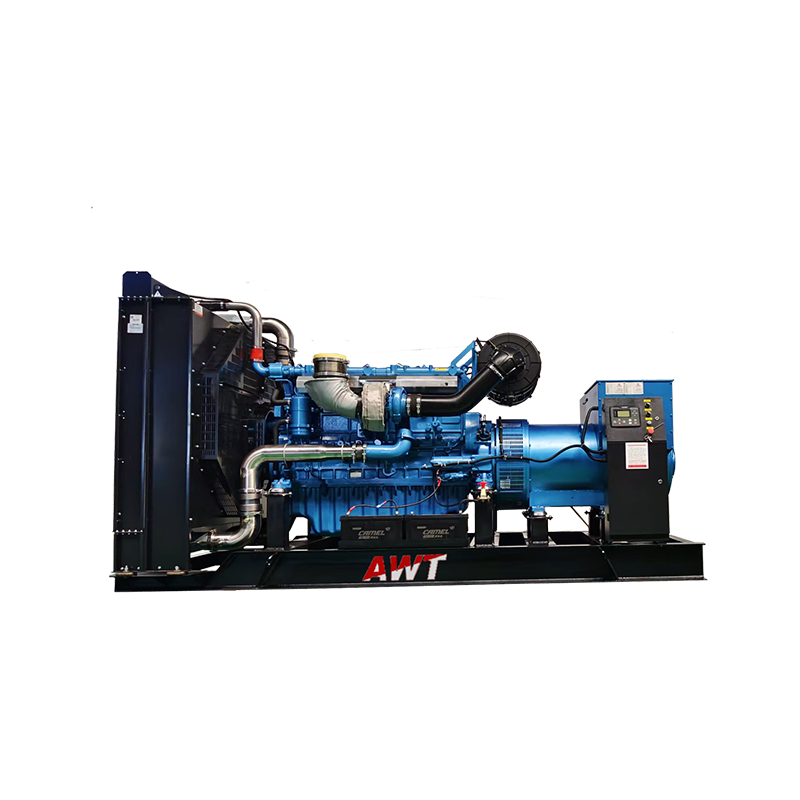
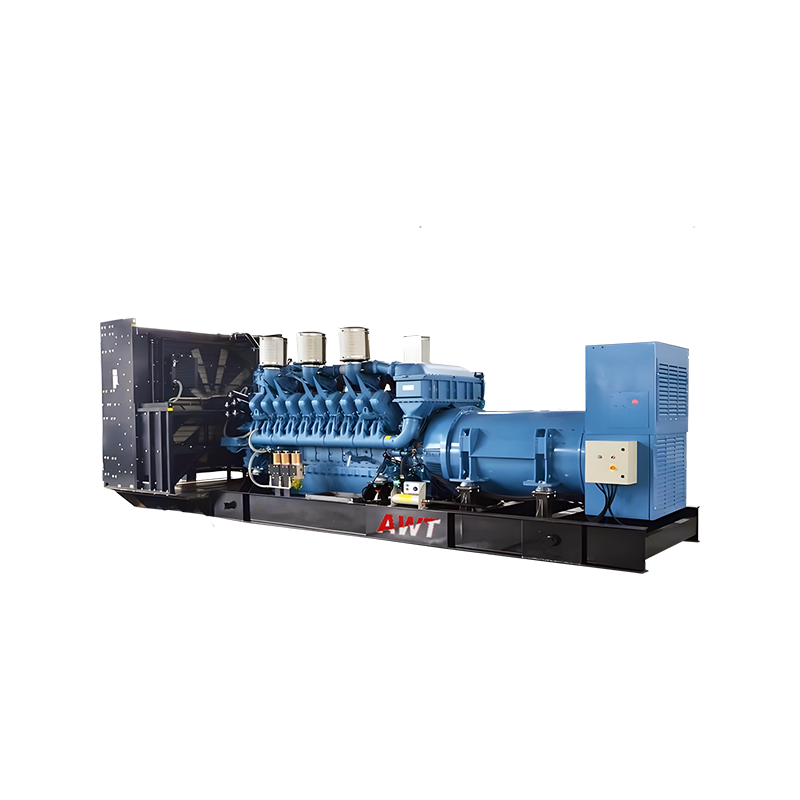
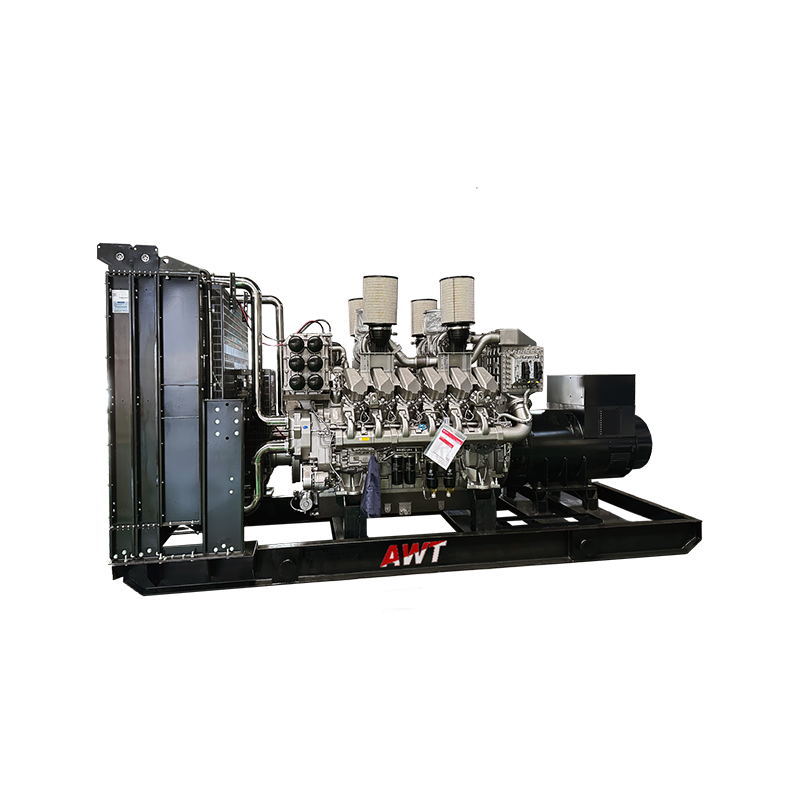
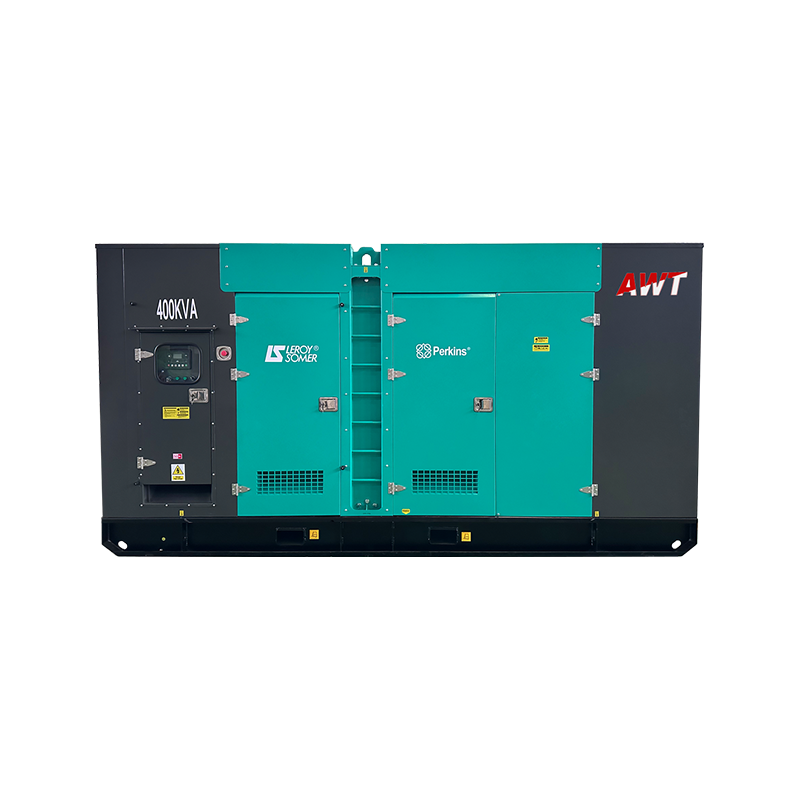
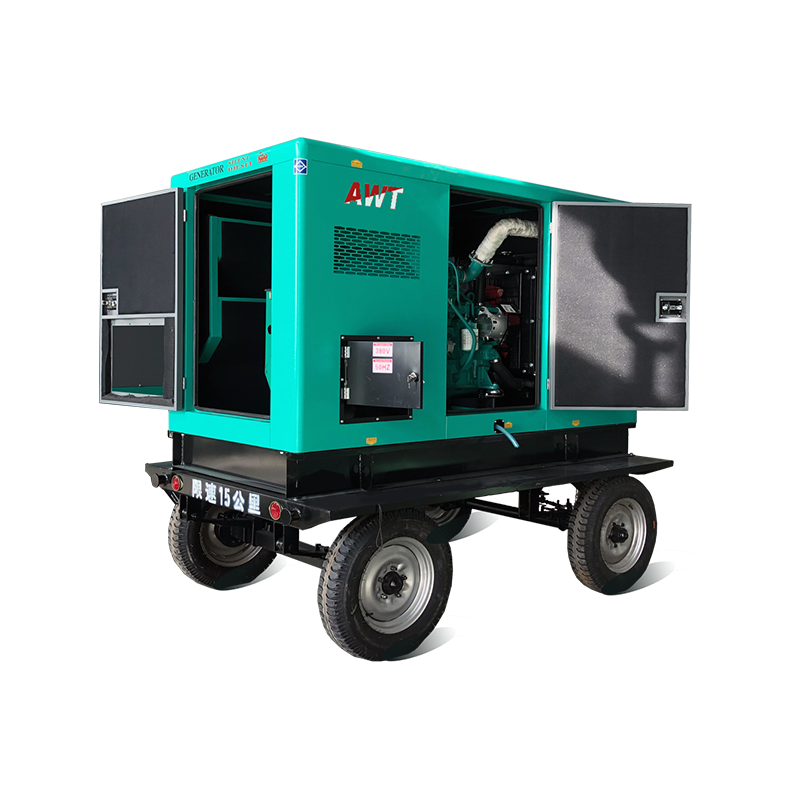
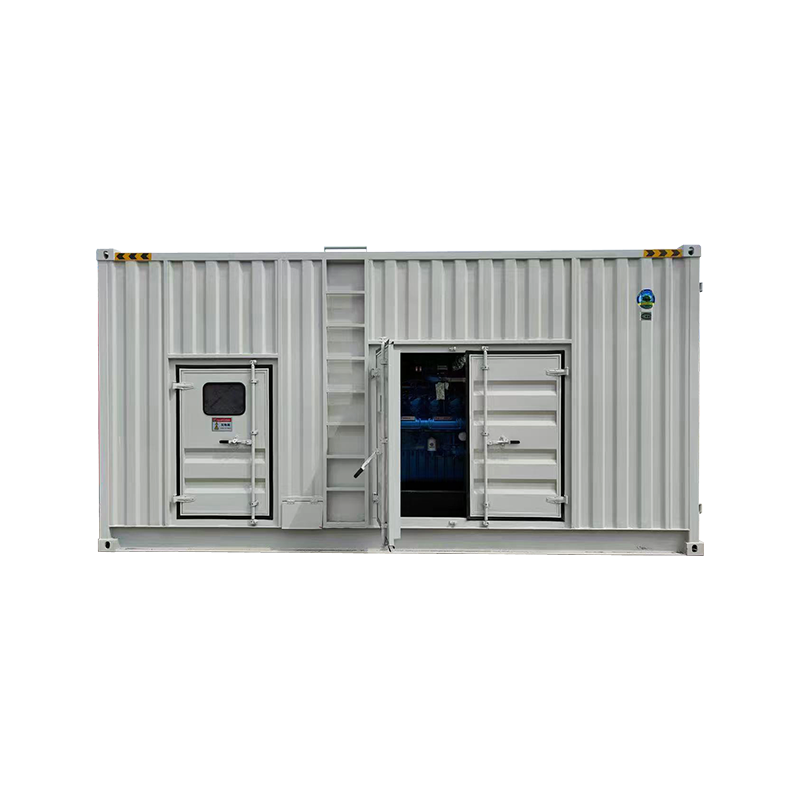
Spark-ignition gas engine generator configured for landfill gas recovered from municipal solid waste decomposition, with integrated gas conditioning, engine, alternator, and control panel for continuous power generation at landfill sites.

Siloxane-Resistant Design NSPS JJJJ Compliant CHP Ready
50-2000
kVA Output Range
40-65%
Methane Content
Up to 85%
CHP Efficiency
01 Product
Introduction

Product Introduction

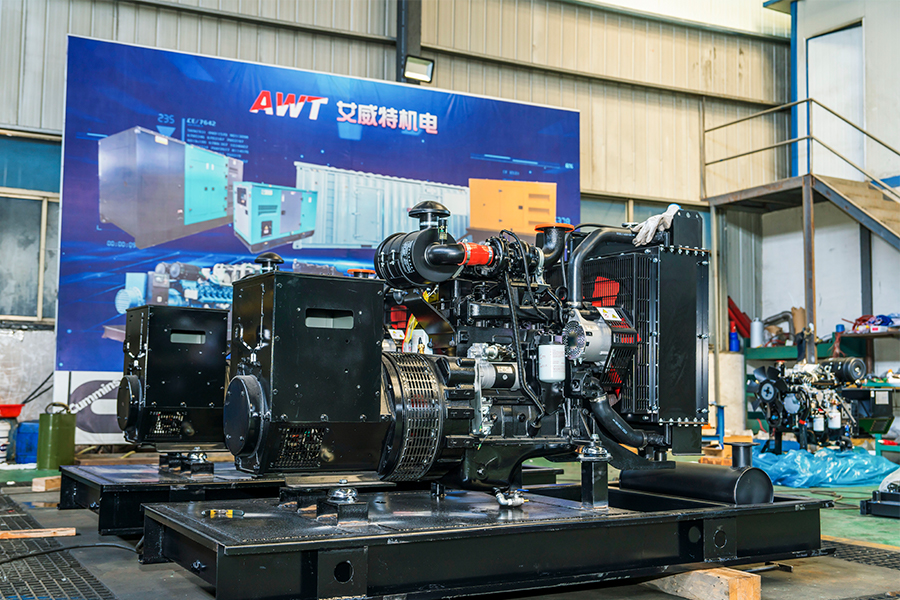
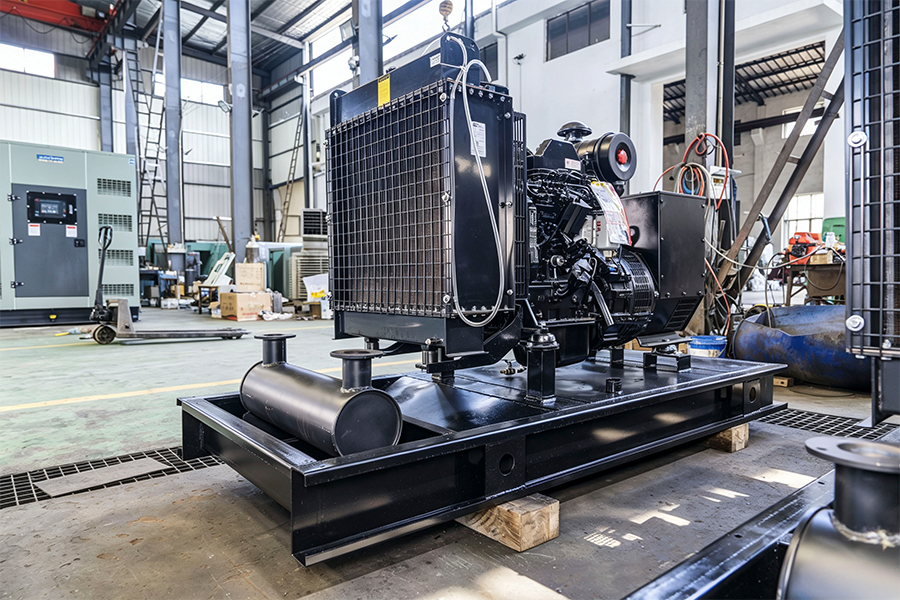
The Landfill Gas Generator Set is a spark-ignition gas engine generator configured to operate on landfill gas recovered from municipal solid waste decomposition. Landfill gas typically contains 40 to 65 percent methane, with variable concentrations of carbon dioxide, nitrogen, oxygen, hydrogen sulfide, and trace contaminants including siloxanes and volatile organic compounds. The set integrates a gas conditioning train for desulfurization, moisture removal, particulate filtration, and pressure regulation upstream of the engine, followed by the gas engine, alternator, cooling system, and control panel assembled as an integrated unit. Power output ranges from 50 kVA to 2,000 kVA, with engine speed set at 1500 rpm for 50 Hz or 1800 rpm for 60 Hz output. The control panel manages engine start and stop, gas supply regulation, alternator excitation, synchronization, and protection functions. The set is applied at landfill sites and waste-to-energy facilities where captured methane is converted to electricity and usable heat, reducing flaring and offsetting purchased power.

Core Advantages for B2B Operations

Engineered for the fuel quality, regulatory, and uptime requirements of landfill gas projects.

01

Contaminant-Hardened Engine Design

Engines configured for landfill gas service use treated aftercooler cores, hardened cylinder heads, and elevated jacket water temperatures to resist corrosive biogas elements including hydrogen sulfide and siloxane-derived acids. This extends component life compared with standard natural gas engines operating on unconditioned landfill gas.

02

Gas Conditioning Integration

The gas train includes desulfurization, moisture removal, and filtration stages sized for the specific landfill gas composition at the site. Upstream siloxane removal through activated carbon filtration has demonstrated oil life extension from 168 hours to nearly 1,000 hours in field trials, reducing oil consumption and associated maintenance costs.

03

Continuous Duty and High Availability

Generator sets configured for landfill gas operation are rated for continuous duty with availability targets up to 99 percent of planned operating hours when maintained according to application guidelines. This supports baseload power supply and consistent revenue from power purchase agreements.

04

Combined Heat and Power Capability

Engine jacket water and exhaust heat can be recovered through heat exchangers to supply hot water or steam. Combined heat and power configurations achieve combined thermal and electrical efficiency up to 85 percent, improving overall fuel utilization and project economics.

05

Emission Compliance Support

Landfill gas engines in the United States are subject to NSPS Subpart JJJJ and NESHAP Subpart ZZZZ requirements, including emission testing every 8,760 operating hours or 3 years and recordkeeping obligations. Generator sets can be configured with emission control systems to meet applicable NOx, CO, and VOC standards for the project location.

06

Extended Maintenance Intervals

For purified landfill gas applications, cylinder head inspection intervals can reach 32,000 operating hours with major overhaul intervals at 64,000 hours on certain engine platforms. For unconditioned landfill gas, cylinder head inspection intervals are shortened to 16,000 hours, reflecting the impact of fuel quality on maintenance planning.

02

Product Characteristics

Fuel Type
Landfill gas from municipal solid waste decomposition
Methane Content
40 to 65 percent, model dependent
Output Capacity
50 kVA to 2,000 kVA
Engine Type
Four-stroke spark-ignition gas engine, turbocharged
Engine Speed
1500 rpm for 50 Hz, 1800 rpm for 60 Hz
Electrical Efficiency
35 to 43 percent, engine dependent
Alternator Type
Brushless synchronous alternator, Class H insulation
Output Voltage
400 V, 480 V, or custom values on request
Gas Supply Pressure
1.5 to 5 kPa at engine inlet, typical for landfill gas applications
Gas Conditioning
Desulfurization, moisture removal, filtration, pressure regulation
Cooling Method
Closed-loop water cooling with radiator or remote heat exchanger
Control Panel
PLC-based controller with HMI, auto start and stop, synchronization, protection functions
Installation Form
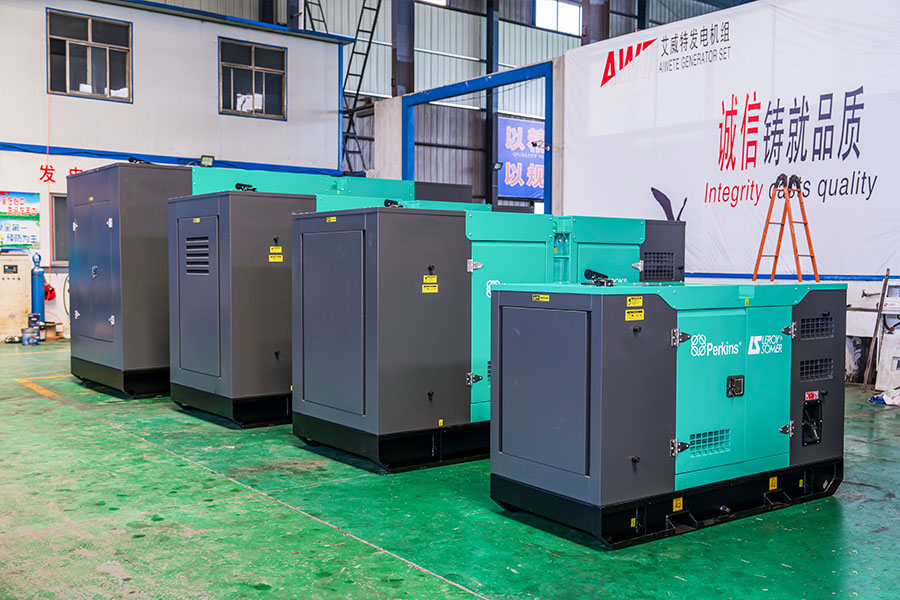
Open skid, soundproof canopy, or containerized enclosure
CHP Option
Heat recovery module available for hot water or steam supply

Application Scenarios

Municipal Landfill Sites

Power generation from landfill gas collected through gas extraction wells, converting captured methane to electricity for on-site use or grid export.

Landfill Gas-to-Electricity Projects

Dedicated landfill gas electricity facilities supplying power under long-term power purchase agreements with utilities or local offtakers.

Combined Heat and Power at Landfills

Applications recovering engine heat for leachate treatment, on-site buildings, or district heating where thermal demand exists.

Waste Management Facilities

On-site power supply for waste transfer stations, recycling facilities, and landfill operations with gas collection systems.

Closed Landfill Sites

Power generation from gas still being produced at closed landfills with active gas collection and flaring systems.

Renewable Energy Portfolio Projects

Landfill gas electricity projects qualifying for renewable energy credits or carbon reduction programs at the state or regional level.
Frequently Asked Questions and Solutions

01 Siloxane contamination causing engine wear
Install activated carbon filtration upstream of the engine to remove siloxanes and volatile organic compounds. Field trials have demonstrated oil life extension from 168 hours to nearly 1,000 hours and reduced ash buildup in combustion chambers with upstream gas purification.
02 Engine power output drops below rated capacity
Check methane content in the landfill gas, verify the air-fuel ratio setting, inspect the gas train for leakage, and confirm the engine load is within the rated range for the current gas composition.
03 Hydrogen sulfide corrosion in the gas train
Verify desulfurization unit performance, replace the desulfurization media according to the schedule, and inspect gas train components for corrosion damage. Elevated jacket water temperatures help discourage acidic condensation in the engine.
04 Emission compliance testing requirements
For engines subject to NSPS Subpart JJJJ, perform initial testing and subsequent performance tests every 8,760 operating hours or 3 years, whichever comes first, and maintain records of maintenance and emission reports. Verify the specific regulatory applicability for the project location.
05 Engine oil degradation at short intervals
Implement upstream gas purification to reduce siloxane loading, conduct regular oil analysis to monitor silicon and metal wear levels, and adjust oil change intervals based on analysis results rather than fixed schedules.
06 Moisture carryover into the engine
Check the moisture removal unit, drain the condensate trap at regular intervals, and verify the gas temperature is within the dew point specification for the site conditions.
07 Maintenance interval differences for conditioned vs unconditioned gas
For purified landfill gas, cylinder head inspection intervals reach 32,000 operating hours with major overhaul at 64,000 hours. For unconditioned landfill gas, cylinder head inspection intervals are shortened to 16,000 hours, reflecting the impact of fuel quality on wear rates.

Operating Notes

01
Verify landfill gas methane content and supply pressure before starting the engine; composition variation affects combustion stability and power output.
02
Check engine oil level and coolant level at the start of each shift.
03
Replace desulfurization media and gas filters according to the maintenance schedule or based on gas quality monitoring.
04
Drain condensate from the gas train at regular intervals to prevent moisture carryover.
05
Inspect the gas train for leakage at regular intervals, using a gas detector where required.
06
Conduct oil analysis at regular intervals to monitor silicon levels and adjust oil change intervals based on results.
07
Confirm the installation space meets ventilation and clearance requirements for landfill gas applications.
08
Verify emission testing schedule and recordkeeping compliance for the applicable regulatory requirements.
09
Record operating parameters and alarm history for each run to support fault diagnosis and maintenance planning.
About AWT Genset

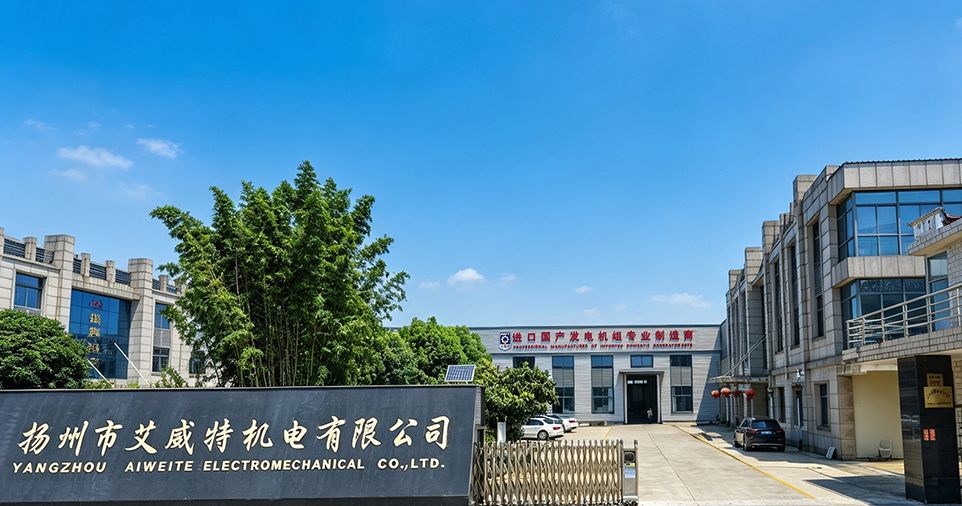
Yangzhou Aiweite Electromechanical Co., Ltd.

Diesel generator manufacturing, flexible configurations, and dependable support for industrial, commercial, and infrastructure projects. We are China Landfill Gas Generator Set OEM/ODM Manufacturers and Custom Landfill Gas Generator Set OEM/ODM Suppliers & Factory

AWT Genset diesel generator manufacturing facility
01

Professional Diesel Generator Manufacturing

AWT Genset specializes in diesel generator set manufacturing and installation, offering power solutions ranging from 1 kVA to 2,500 kVA. With experience in power generation equipment, we serve industrial, commercial, and infrastructure projects with different power requirements. Our product range supports both standby and continuous power applications, helping customers select generator sets according to their operating conditions, load requirements, and installation environments.

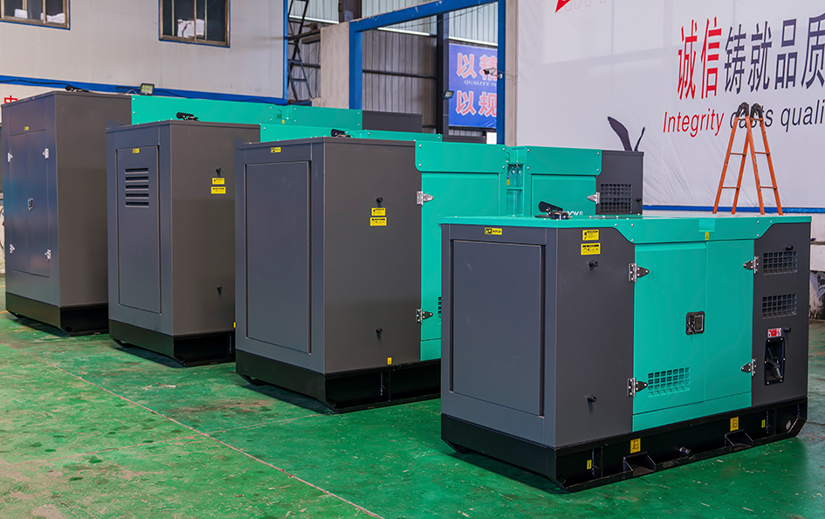
AWT Genset diesel generator product range
02

Comprehensive Product Range and Flexible Configurations

We offer diesel generator sets powered by internationally recognized engine brands, including Cummins, Perkins, Weichai, Yuchai, Baudouin, MTU, Volvo, SDEC, and Mitsubishi. Our product range includes open-type, silent-type, trailer-type, and container-type generator sets. Different configurations can be selected according to power capacity, noise control requirements, site conditions, mobility needs, and project specifications, providing greater flexibility for distributors, contractors, and industrial end users.

Customized generator set engineering at AWT Genset
03

Customized Engineering and OEM/ODM Services

AWT Genset provides flexible configuration solutions for customers with specific technical and project requirements. Available options may include engine selection, generator capacity, control systems, electrical specifications, enclosure structures, and other configuration details. By considering the intended application, operating environment, and installation conditions, we help customers identify suitable generator set configurations for their projects, distribution businesses, and equipment integration requirements.

Generator quality control and performance testing
04

Quality Control and Performance Testing

Quality management and performance verification are important parts of our generator manufacturing process. Production inspections and generator testing procedures help verify equipment operation and identify potential issues before delivery. By focusing on assembly consistency, electrical performance, and operational checks, we aim to provide generator sets that meet the applicable technical requirements and intended operating conditions. Customers can also confirm specific testing procedures and documentation requirements when discussing their projects with our team.

AWT Genset technical support and service
05

Technical Support and Comprehensive Service

Our support covers generator selection, technical consultation, configuration recommendations, installation guidance, spare parts supply, and after-sales troubleshooting. We understand that choosing a generator involves more than comparing rated power; factors such as load characteristics, operating hours, environmental conditions, voltage, and frequency also influence equipment selection. By providing technical assistance throughout the purchasing and implementation process, we help customers make informed decisions and plan for equipment operation and maintenance.