High Voltage Power Generation

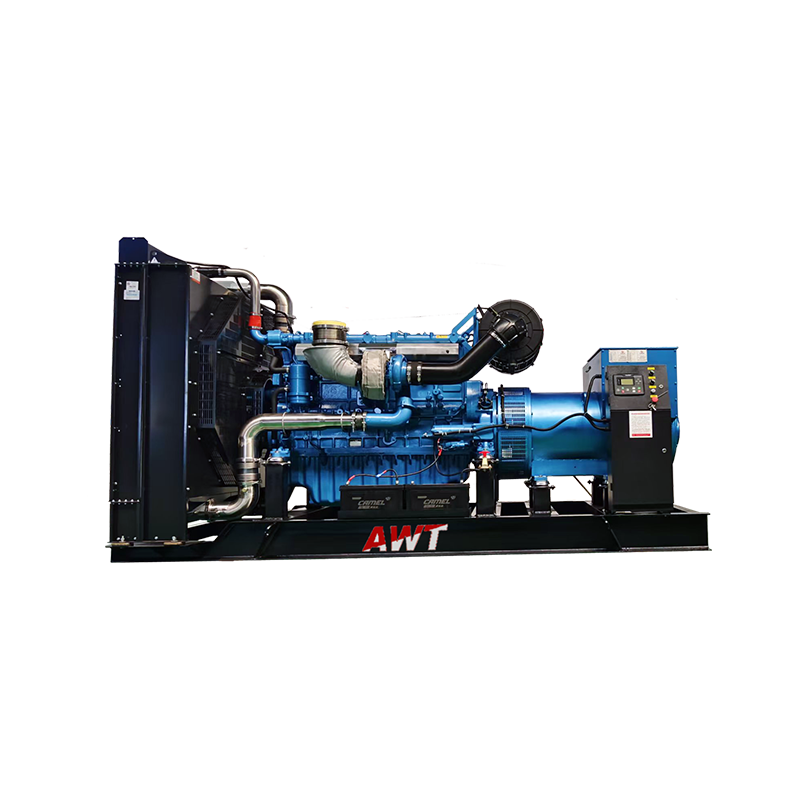
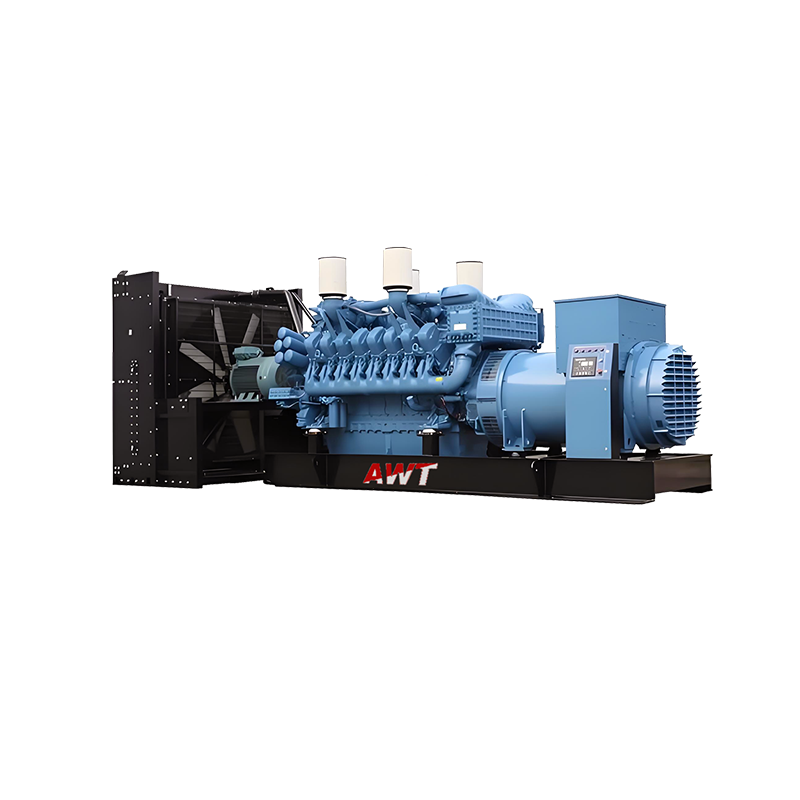
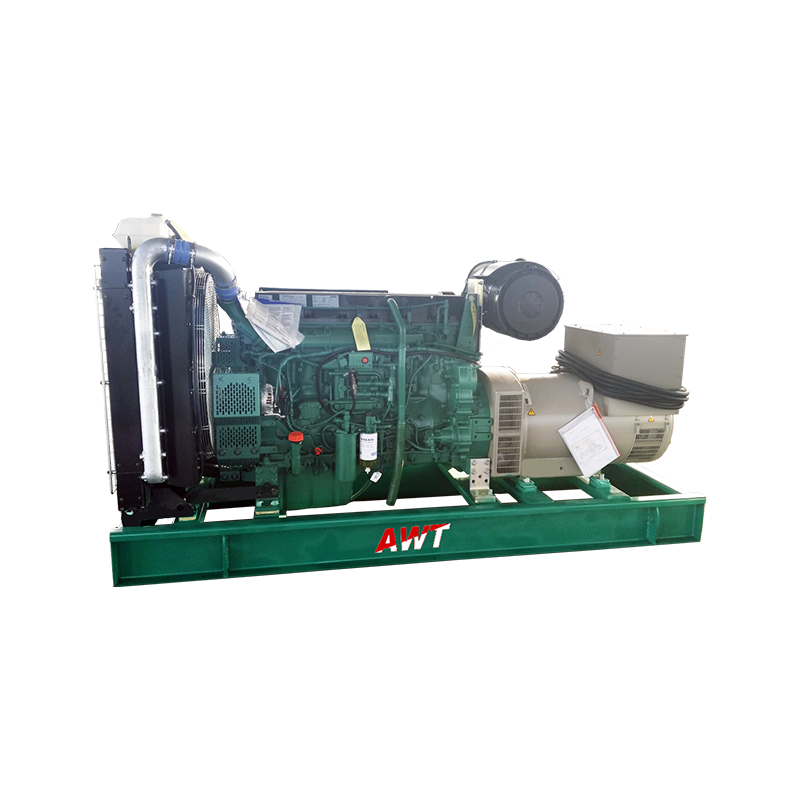
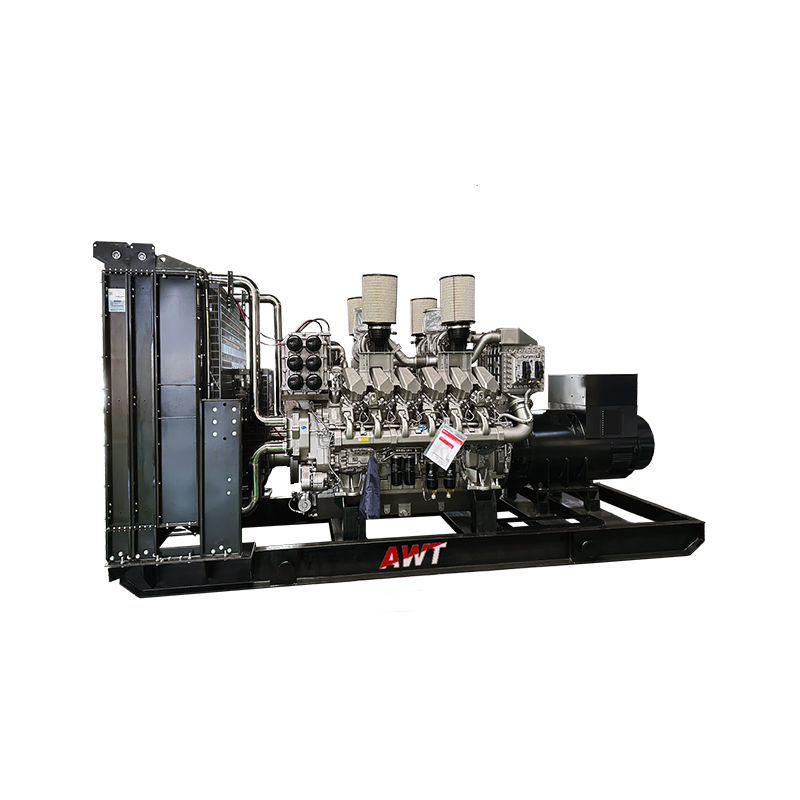
High Voltage Diesel Generator Set

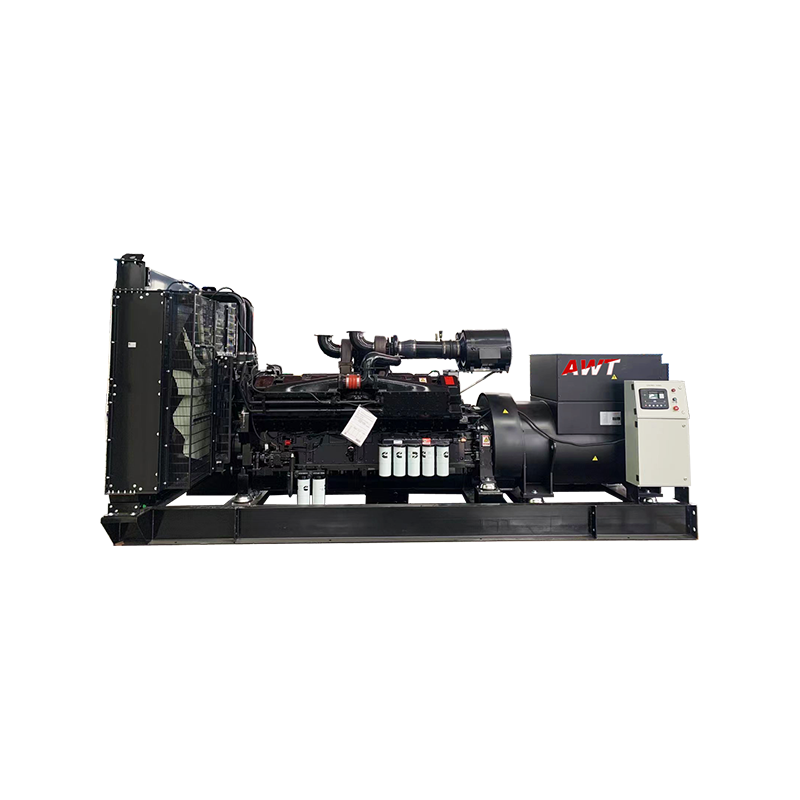
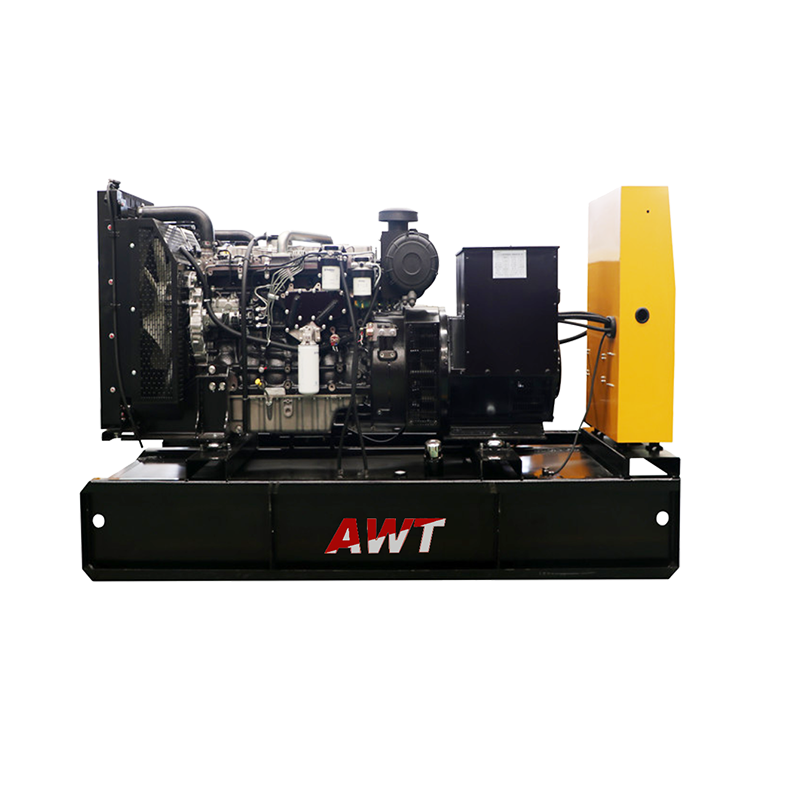
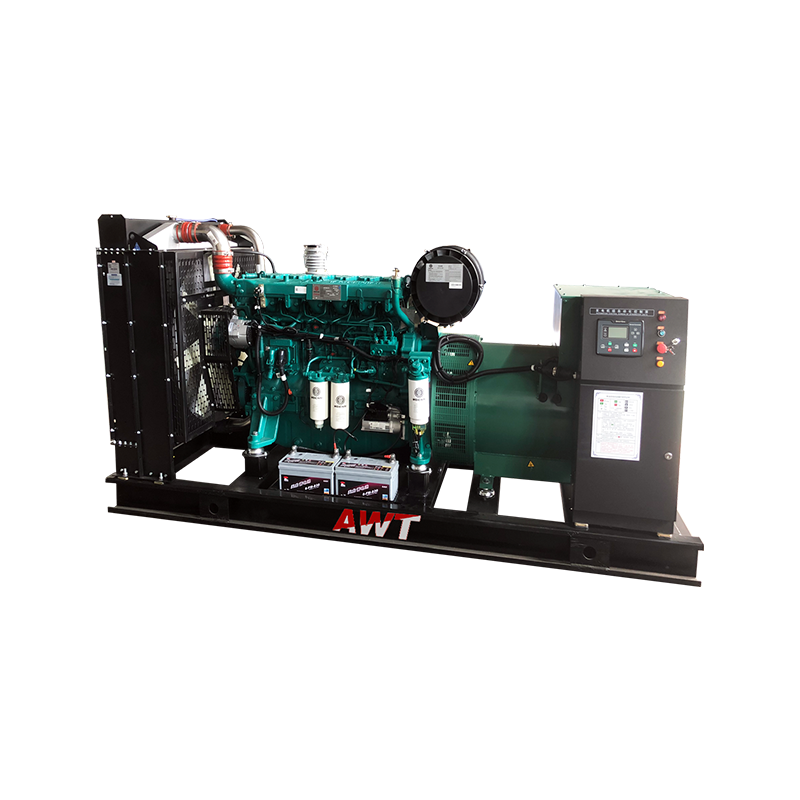
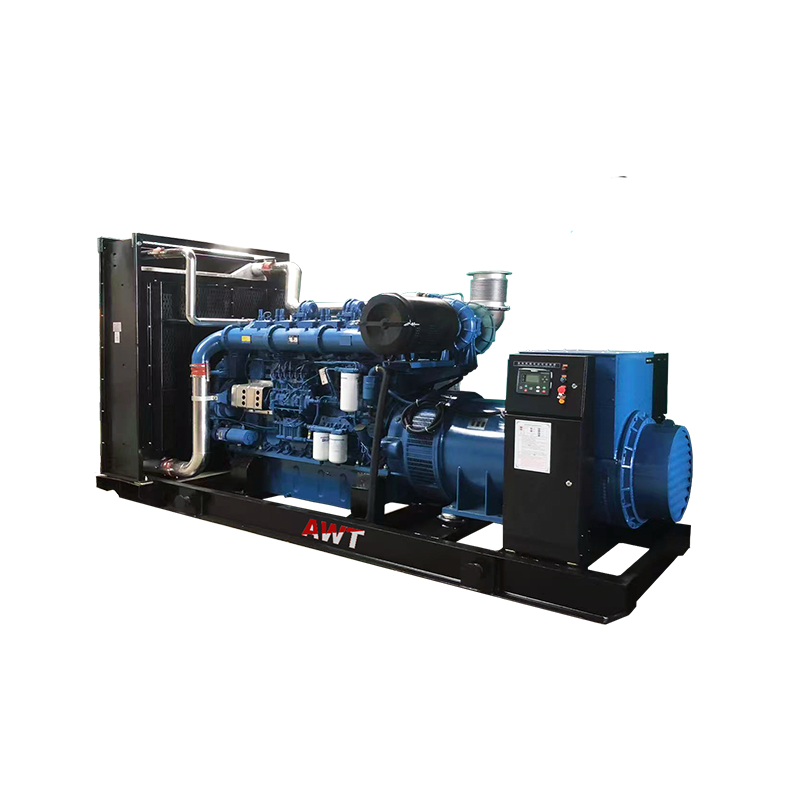
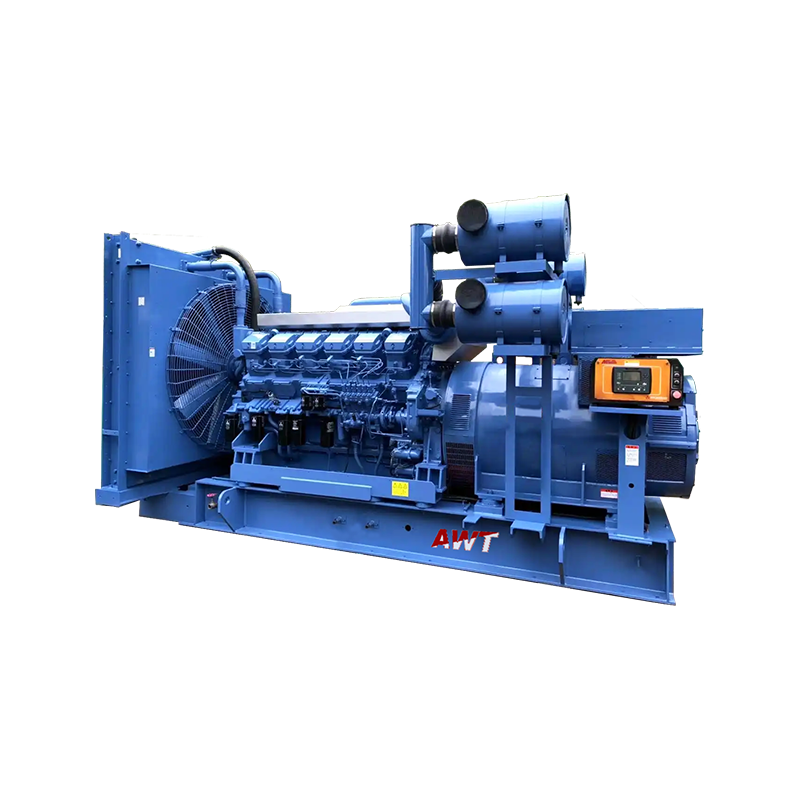
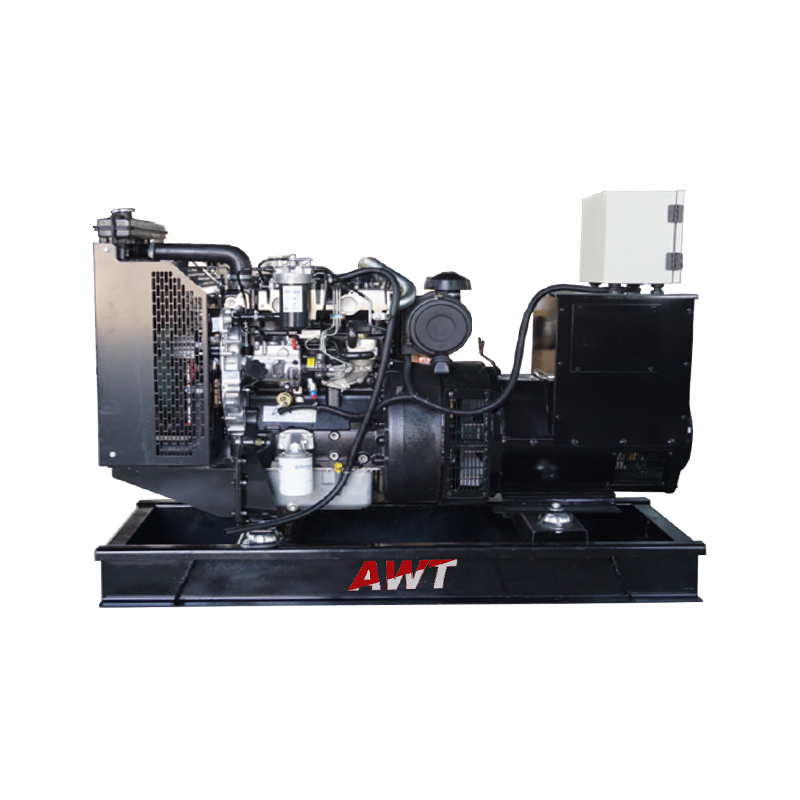
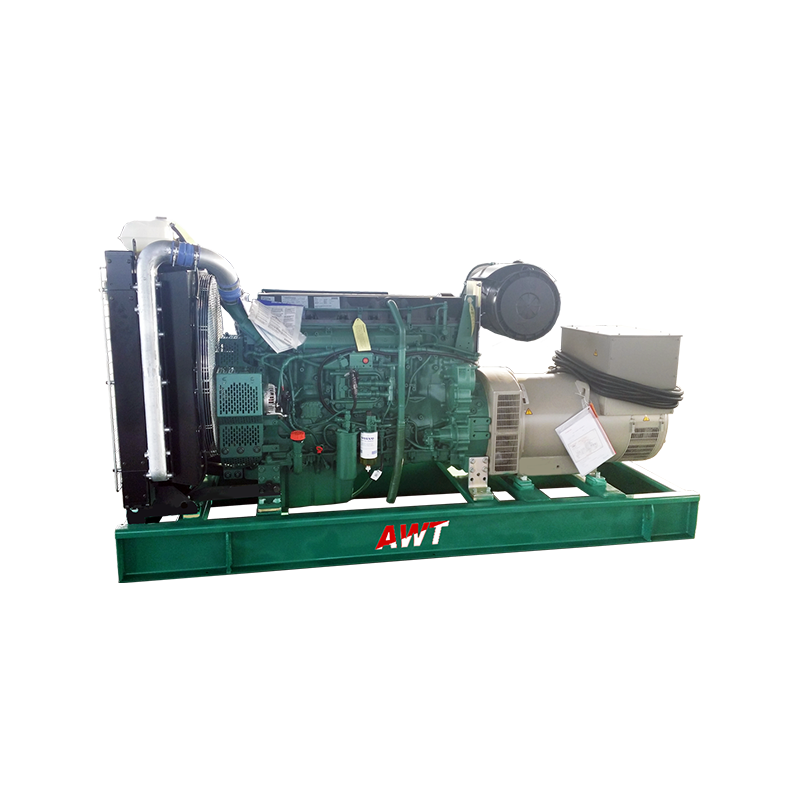
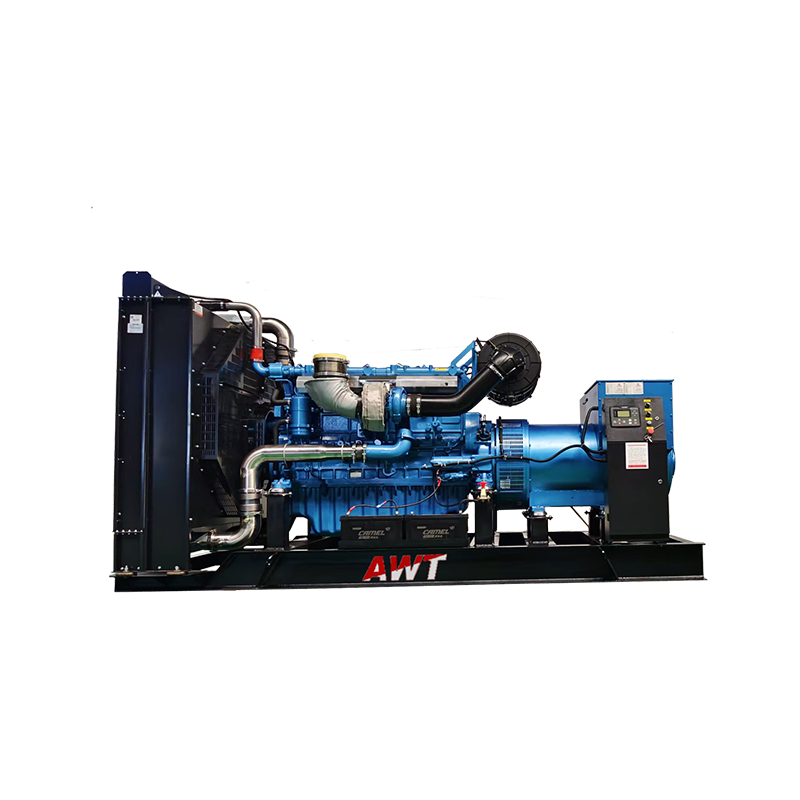
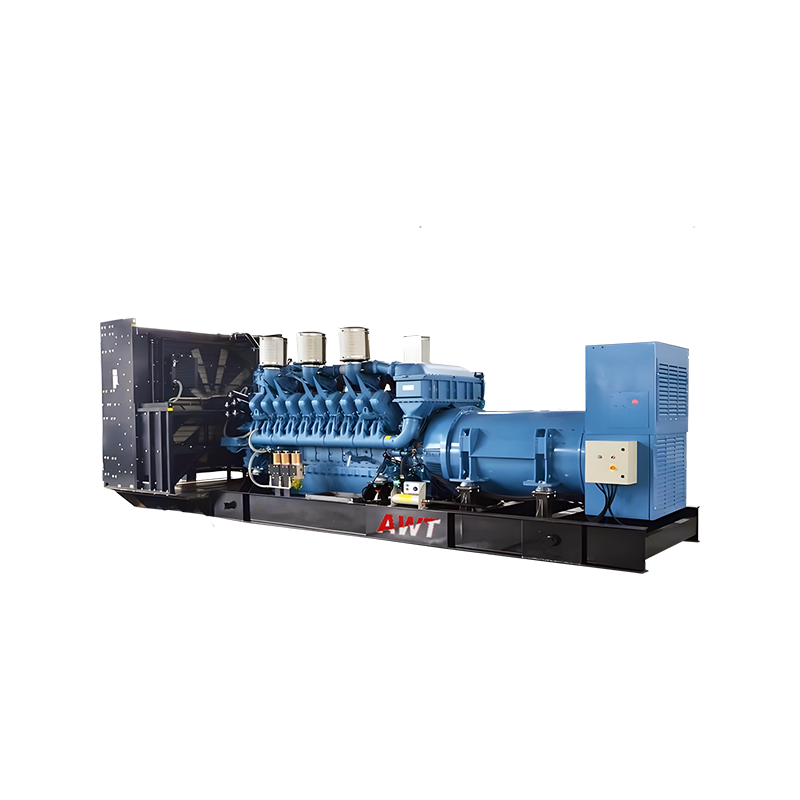
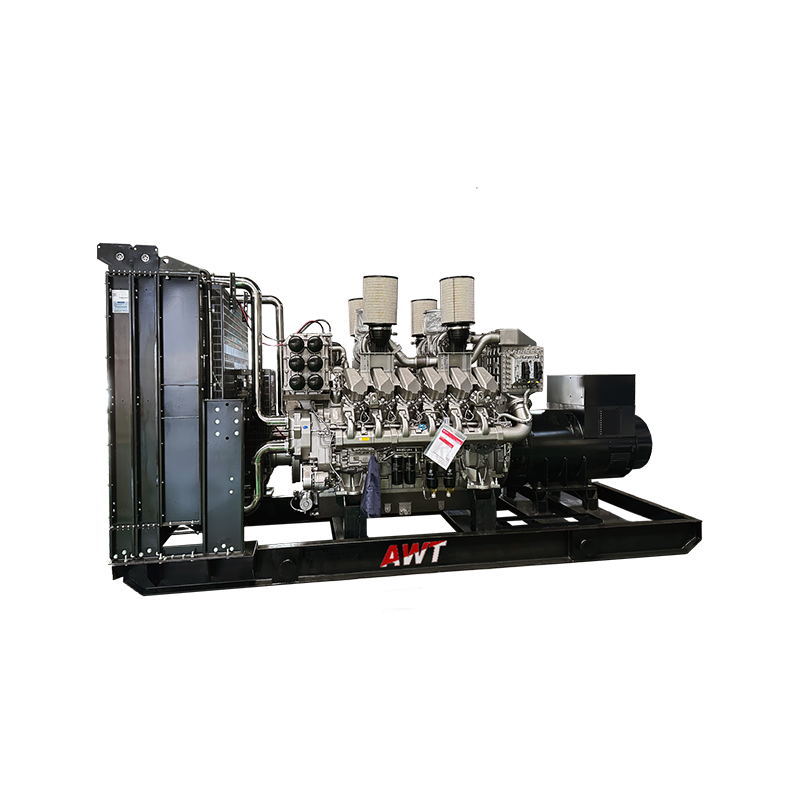
Diesel engine generator set with high voltage alternator output, configured for direct distribution at 6.3 kV, 10.5 kV, or 11 kV without a step-up transformer, supplying large industrial loads, mining operations, and utility-scale standby power.

6.3 / 10.5 / 11
kV Output Voltage
500-4000
kW Output Range
1500 / 1800
rpm for 50 / 60 Hz

Product Introduction

The High Voltage Diesel Generator Set is a diesel engine generator configured to produce electrical output at medium voltage levels, typically 6.3 kV, 10.5 kV, or 11 kV, allowing power to be distributed to high voltage loads without an intermediate step-up transformer. The set consists of the diesel engine, high voltage alternator, excitation system, control panel, protection relays, circuit breaker, and auxiliary systems, integrated as a unit or split into separate modules for transport. High voltage output is suitable for large industrial facilities, mining operations, and utility-scale standby applications where the distribution network operates at medium voltage and where transformer losses and equipment cost are to be minimized. The alternator winding, insulation system, and terminal connections are configured for the specified voltage class, with protection coordination for the high voltage network. Control and protection functions include synchronization, load sharing, voltage regulation, and coordination with upstream and downstream protection devices. The set is applied where the required power output exceeds the practical range of low voltage generation or where the facility distribution network is already at medium voltage.

High Voltage Output vs Low Voltage Output with Step-Up Transformer

Direct HV Output

Generator Set with High Voltage Alternator

  • Eliminates the step-up transformer between the generator and the facility distribution network.
  • Removes transformer losses, improving overall efficiency from fuel input to delivered power.
  • Reduces equipment footprint by removing the transformer and associated switchgear from the layout.
  • Lower current at the generator terminals reduces cable size and copper cross-section for the main power path.
  • Shorter commissioning scope, since transformer installation, oil filling, and protection coordination are not required.
  • Suited to mining, cement, and heavy industrial sites already operating a medium voltage distribution network.
LV with Transformer

Low Voltage Generator Set with Step-Up Transformer

  • Requires a step-up transformer between the generator terminals and the medium voltage network.
  • Transformer losses reduce the overall efficiency of the power conversion path.
  • Additional footprint and civil works for the transformer, oil containment, and protection equipment.
  • Higher currents at low voltage generator terminals require larger cables and more parallel runs.
  • Additional scope for transformer installation, protection coordination, and commissioning.
  • Common configuration where the generator set is standardized on low voltage output across multiple sites.

Configuration Options

Voltage Class
6.3 kV, 10.5 kV, or 11 kV output, other values on request
Output Capacity
500 kW to 4,000 kW, model dependent
Engine Type
Four-stroke diesel engine, turbocharged, direct injection
Engine Speed
1500 rpm for 50 Hz, 1800 rpm for 60 Hz
Alternator Type
High voltage synchronous alternator, Class H insulation, IP23 or IP44 enclosure
Excitation System
Brushless excitation with automatic voltage regulator
Main Circuit Breaker
Vacuum circuit breaker rated for the alternator voltage and current
Protection Scheme
Differential, overcurrent, earth fault, overvoltage, undervoltage, reverse power
Control Panel
PLC-based controller with HMI, synchronization, load sharing, protection functions
Communication
Modbus, Ethernet, or other protocols for SCADA integration on request
Duty Rating
Continuous, prime, or standby, configuration dependent
Fuel Storage
Day tank, base tank, or external bulk storage, configuration dependent
Installation Form
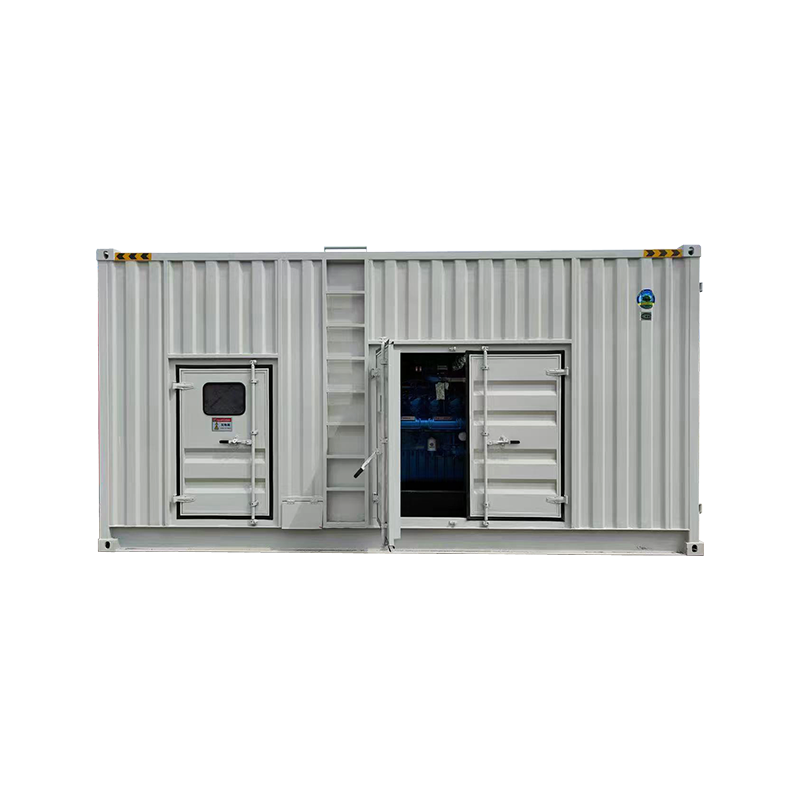
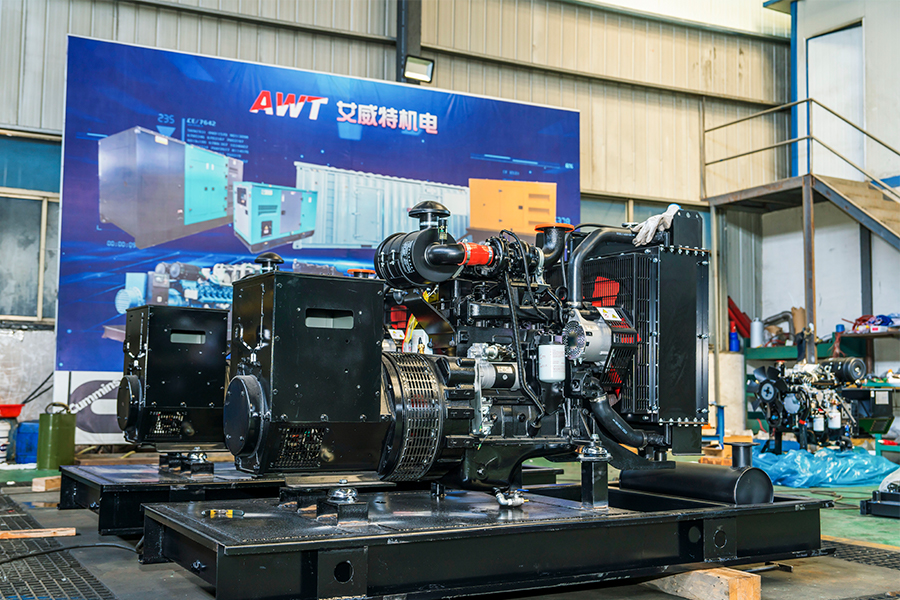
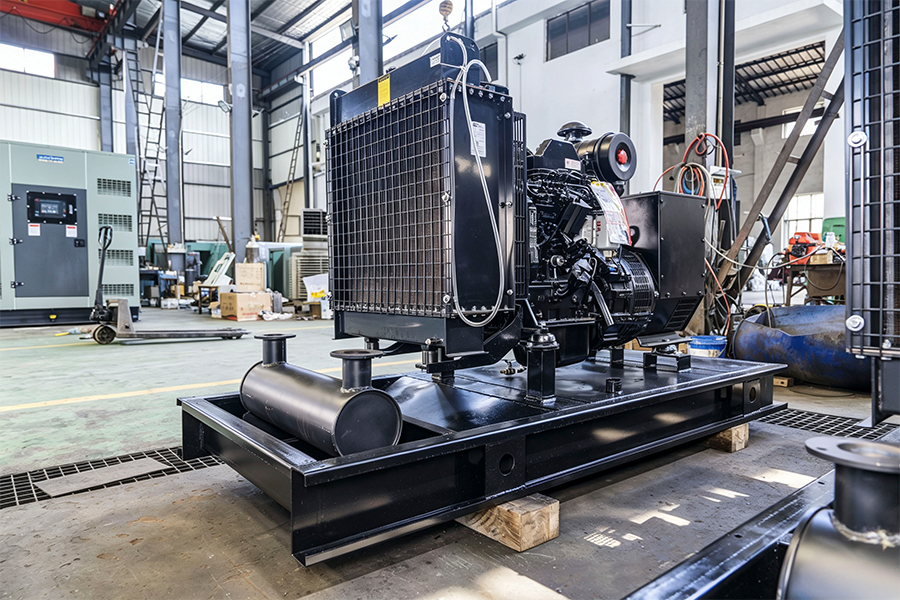
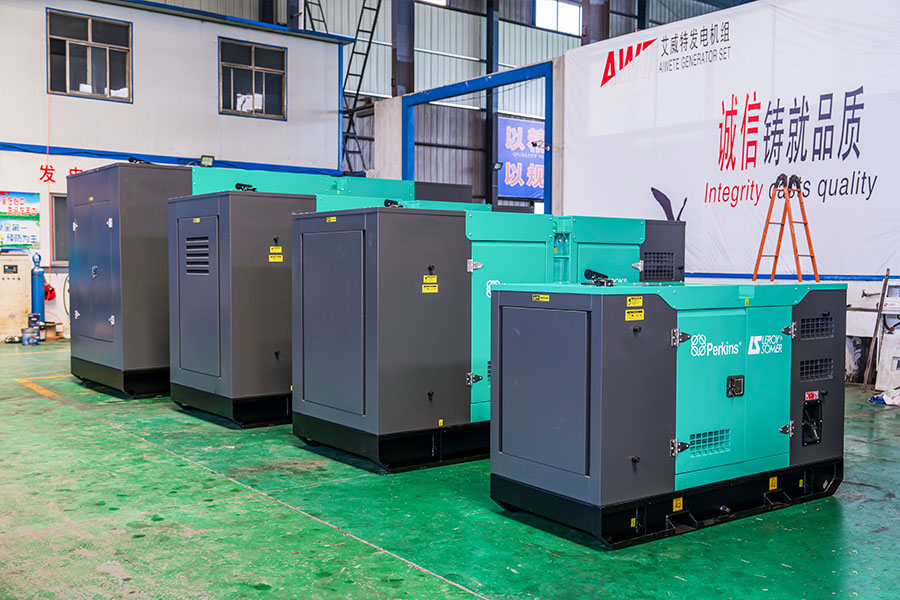
Open skid, soundproof canopy, or containerized enclosure
Parallel Operation
Synchronization and load sharing with other sets or with the utility network

Where High Voltage Output Is Specified

Mining Operations

Mining sites commonly distribute power at medium voltage to haul trucks, crushers, conveyors, and dewatering pumps. Direct high voltage generation avoids the transformer between the generator and the site distribution network.

Cement and Mineral Processing

Mill drives, kilns, and crushing equipment at cement and mineral processing plants operate at medium voltage. Generator sets with high voltage output can supply these loads directly during grid outages or in island mode.

Utility-Scale Standby Power

Substations and utility facilities requiring standby generation at medium voltage can use high voltage generator sets to feed the medium voltage bus directly, avoiding a step-up transformer in the standby path.

Large Industrial Facilities

Steel mills, petrochemical plants, and large manufacturing sites with medium voltage distribution networks can integrate high voltage generator sets for peak shaving, standby, or continuous power supply.

Oil and Gas Processing Facilities

Refineries, gas processing plants, and pipeline compressor stations operating at medium voltage can use high voltage generator sets for standby power and island mode operation.

Data Centers with Medium Voltage Distribution

Large data centers distributing power at medium voltage can integrate high voltage generator sets to supply the medium voltage bus directly during utility outages.
Engineering and Application Questions

Voltage class selection for the project
The voltage class is selected to match the facility distribution network. Where the site already operates at 6.3 kV, 10.5 kV, or 11 kV, the generator set can be specified at that voltage to avoid a step-up transformer. Confirm the network voltage, protection scheme, and neutral earthing arrangement during the project specification phase.
Protection coordination with the existing network
Protection settings for differential, overcurrent, earth fault, overvoltage, undervoltage, and reverse power functions are coordinated with the upstream and downstream protection devices in the facility network. Coordination studies are performed during the design phase, and final settings are validated during commissioning.
Cable and switchgear requirements at high voltage
Cables and switchgear for the high voltage circuit are selected according to the rated voltage, current, and short circuit level at the generator terminals. The higher voltage reduces current for the same power output, allowing smaller cable cross-sections than an equivalent low voltage configuration. Confirm the switchgear type, cable routing, and termination requirements during the project design phase.
Parallel operation with the utility network
Parallel operation with the utility network requires synchronization equipment, protection coordination with the utility, and compliance with the utility interconnection requirements at the project location. Confirm the utility interconnection requirements, protection settings, and metering arrangements during the project specification phase.
Site installation and transport considerations
High voltage generator sets may be supplied as an integrated unit or split into separate modules for the engine, alternator, and control equipment, depending on the transport route and site access. Confirm the transport route, lifting capacity at the site, and foundation requirements during the project planning phase.
Personnel safety and access requirements at high voltage
High voltage equipment requires appropriate access control, earthing and isolation procedures, and personnel training for operation and maintenance. The installation includes earthing points, voltage detection systems, and interlocking to support safe operation. Confirm the local regulatory requirements for high voltage installations during the project design phase.
Maintenance and spare parts for high voltage equipment
Maintenance of high voltage equipment follows the alternator and switchgear manufacturer recommendations, with periodic inspection of insulation, terminations, and protection relay testing. Spare parts inventory should cover wear items identified in the maintenance manual and critical protection components for the specific configuration.

High Voltage Operation and Safety

Isolation
Isolate and earth the high voltage circuit before maintenance, using the earthing switch and voltage detection system provided with the installation.
Access
Restrict access to the high voltage compartment to trained and authorized personnel, with interlocking to prevent opening under live conditions.
Protection
Verify protection relay settings and test protection functions according to the maintenance schedule to maintain coordination with the network.
Insulation
Inspect alternator winding insulation, terminations, and cable joints at scheduled intervals, recording insulation resistance values for trend analysis.
Earthing
Verify earthing system continuity and neutral earthing arrangement at scheduled intervals, confirming the resistance value matches the design specification.
Documentation
Maintain single-line diagrams, protection settings records, and test reports for the high voltage installation according to the site documentation procedures.
About AWT Genset

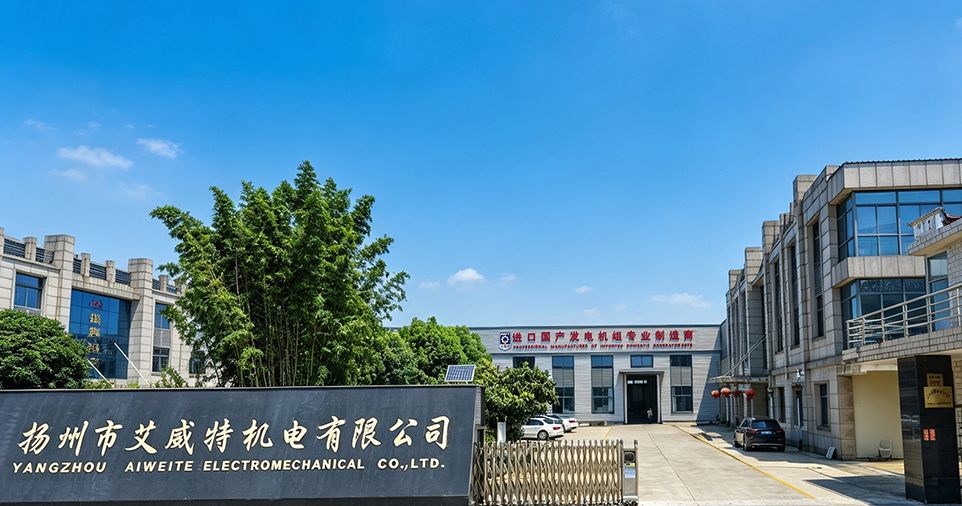
Yangzhou Aiweite Electromechanical Co., Ltd.

Diesel generator manufacturing, flexible configurations, and dependable support for industrial, commercial, and infrastructure projects. We are China High Voltage Diesel Generator Set OEM/ODM Manufacturers and Custom High Voltage Diesel Generator Set OEM/ODM Suppliers & Factory

AWT Genset diesel generator manufacturing facility
01

Professional Diesel Generator Manufacturing

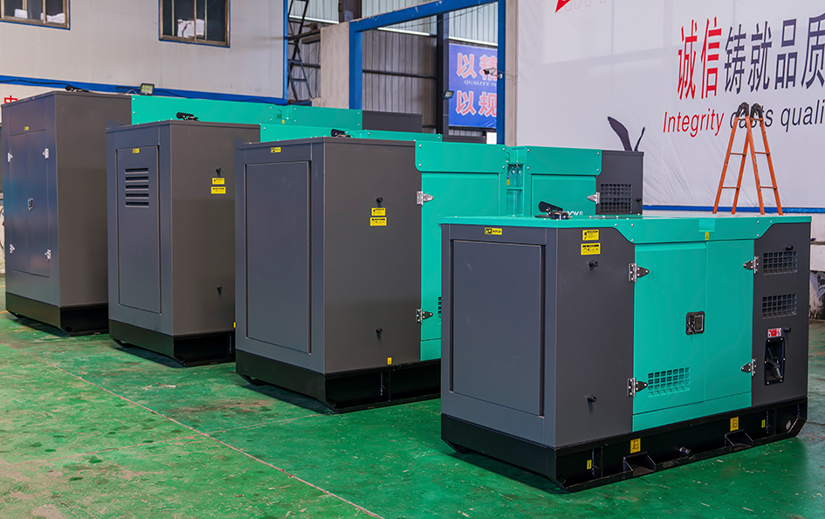
AWT Genset specializes in diesel generator set manufacturing and installation, offering power solutions ranging from 1 kVA to 2,500 kVA. With experience in power generation equipment, we serve industrial, commercial, and infrastructure projects with different power requirements. Our product range supports both standby and continuous power applications, helping customers select generator sets according to their operating conditions, load requirements, and installation environments.

AWT Genset diesel generator product range
02

Comprehensive Product Range and Flexible Configurations

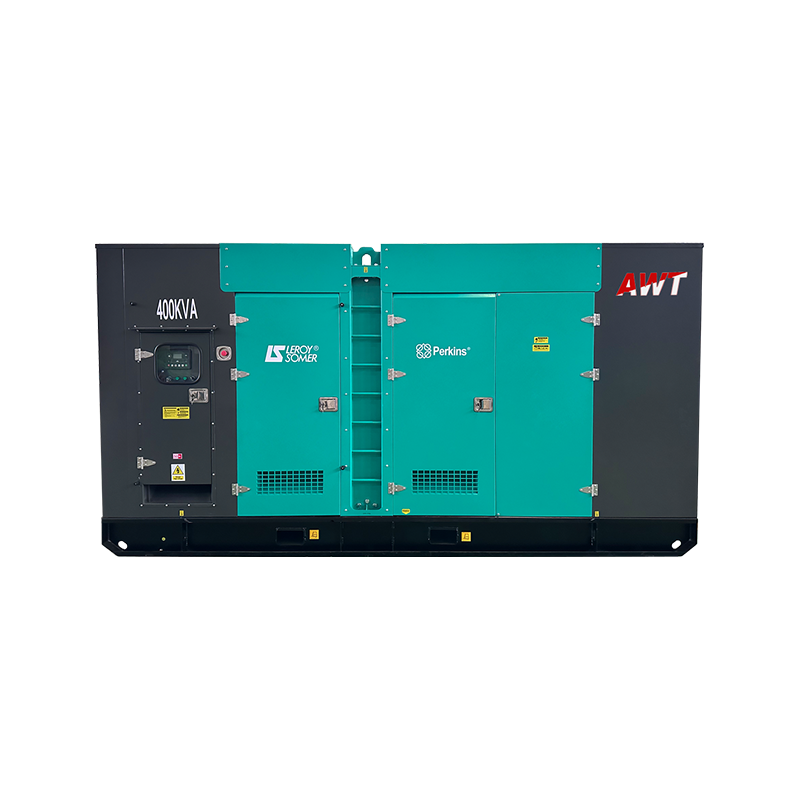
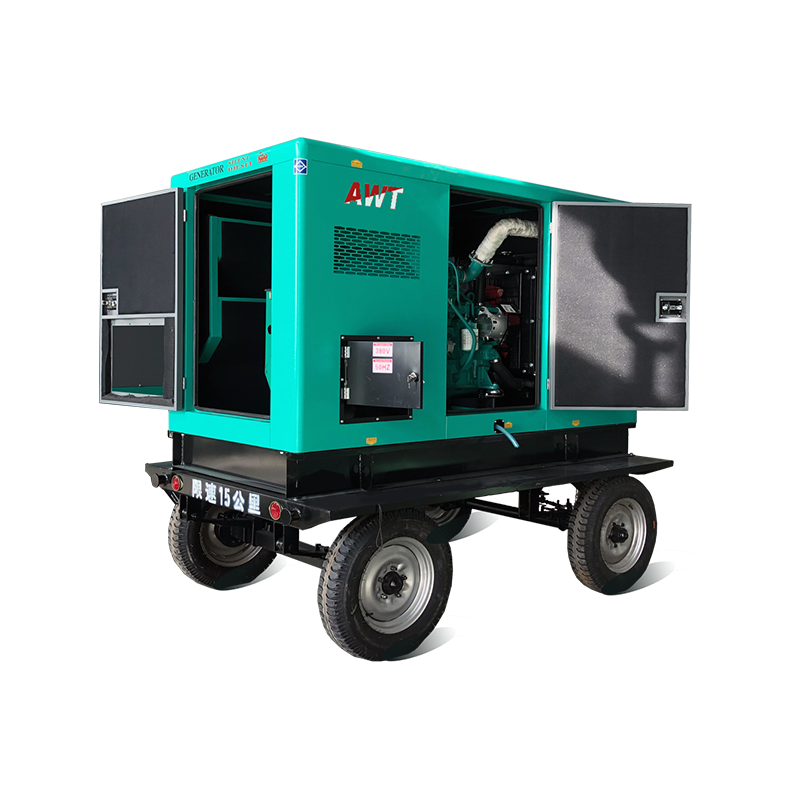
We offer diesel generator sets powered by internationally recognized engine brands, including Cummins, Perkins, Weichai, Yuchai, Baudouin, MTU, Volvo, SDEC, and Mitsubishi. Our product range includes open-type, silent-type, trailer-type, and container-type generator sets. Different configurations can be selected according to power capacity, noise control requirements, site conditions, mobility needs, and project specifications, providing greater flexibility for distributors, contractors, and industrial end users.

Customized generator set engineering at AWT Genset
03

Customized Engineering and OEM/ODM Services

AWT Genset provides flexible configuration solutions for customers with specific technical and project requirements. Available options may include engine selection, generator capacity, control systems, electrical specifications, enclosure structures, and other configuration details. By considering the intended application, operating environment, and installation conditions, we help customers identify suitable generator set configurations for their projects, distribution businesses, and equipment integration requirements.

Generator quality control and performance testing
04

Quality Control and Performance Testing

Quality management and performance verification are important parts of our generator manufacturing process. Production inspections and generator testing procedures help verify equipment operation and identify potential issues before delivery. By focusing on assembly consistency, electrical performance, and operational checks, we aim to provide generator sets that meet the applicable technical requirements and intended operating conditions. Customers can also confirm specific testing procedures and documentation requirements when discussing their projects with our team.

AWT Genset technical support and service
05

Technical Support and Comprehensive Service

Our support covers generator selection, technical consultation, configuration recommendations, installation guidance, spare parts supply, and after-sales troubleshooting. We understand that choosing a generator involves more than comparing rated power; factors such as load characteristics, operating hours, environmental conditions, voltage, and frequency also influence equipment selection. By providing technical assistance throughout the purchasing and implementation process, we help customers make informed decisions and plan for equipment operation and maintenance.