English
 Français
 Español
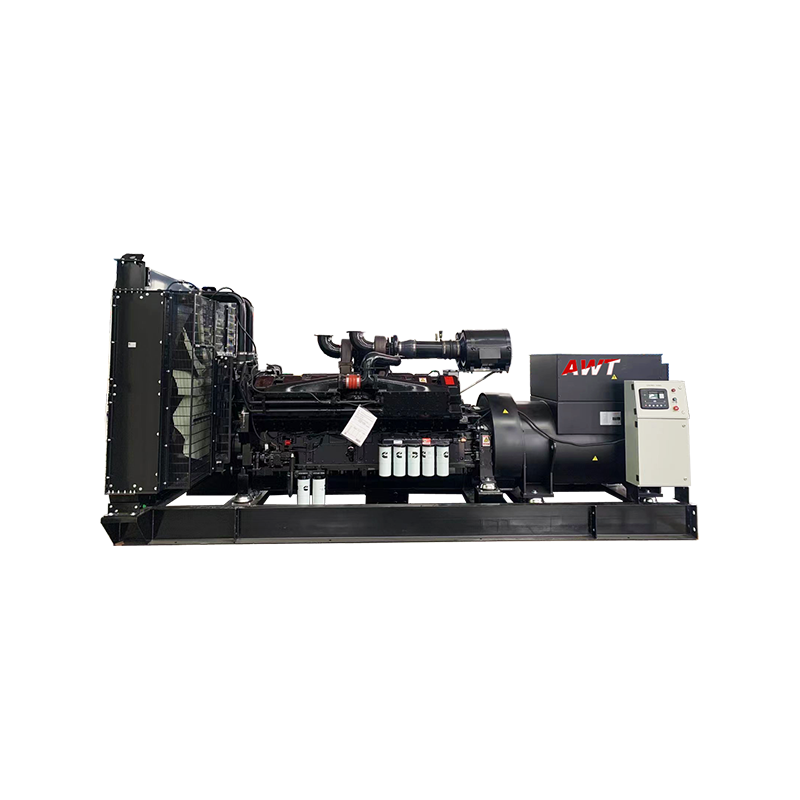
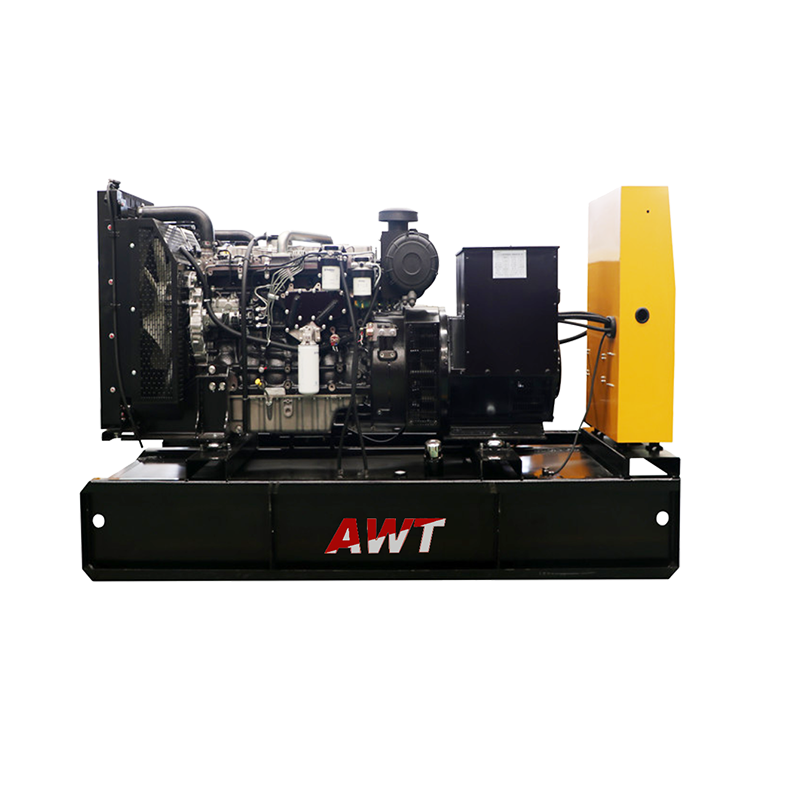
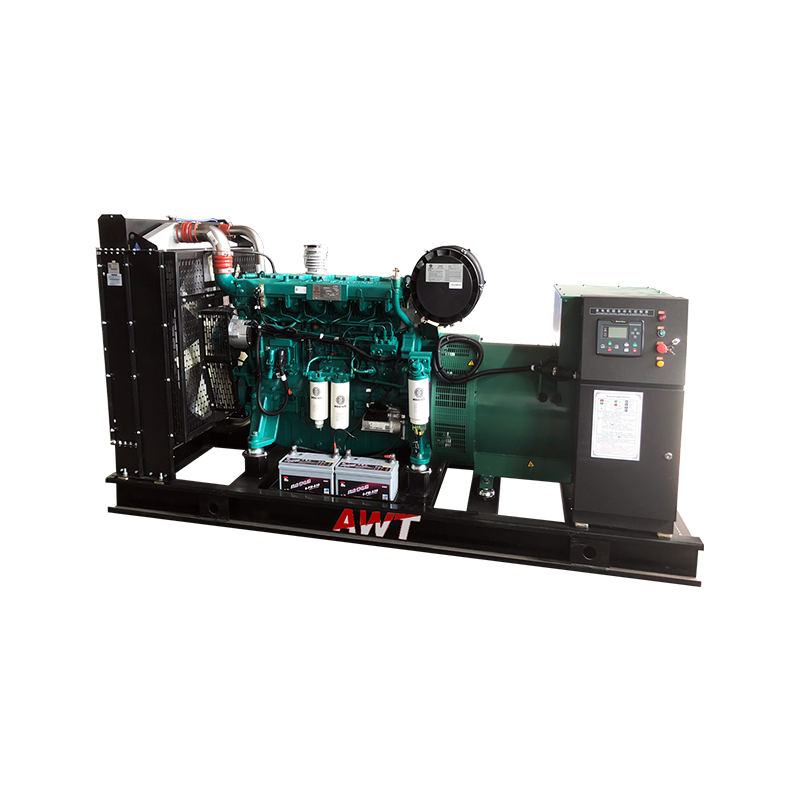
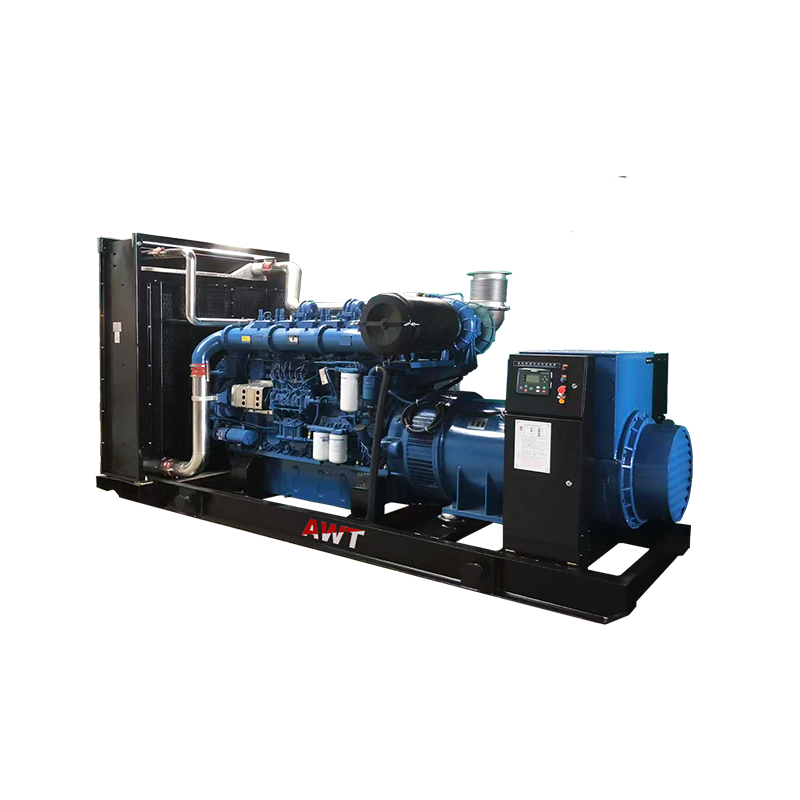
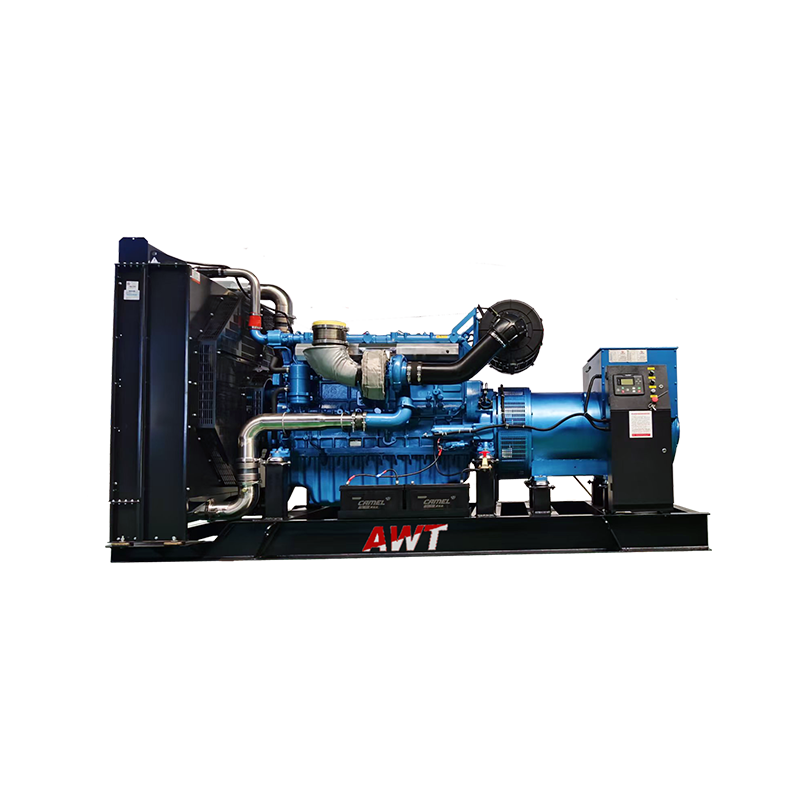
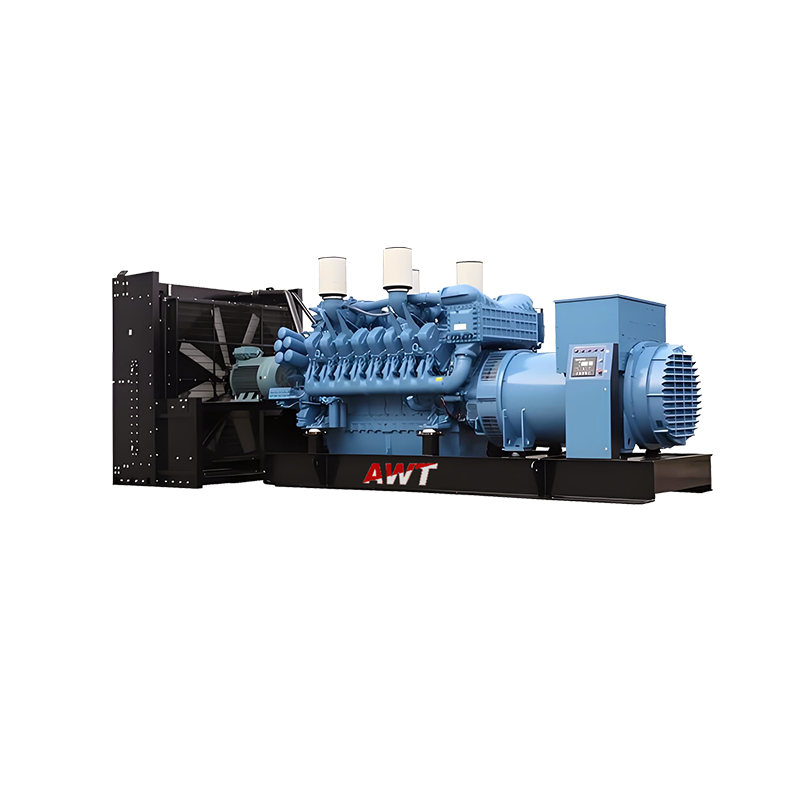
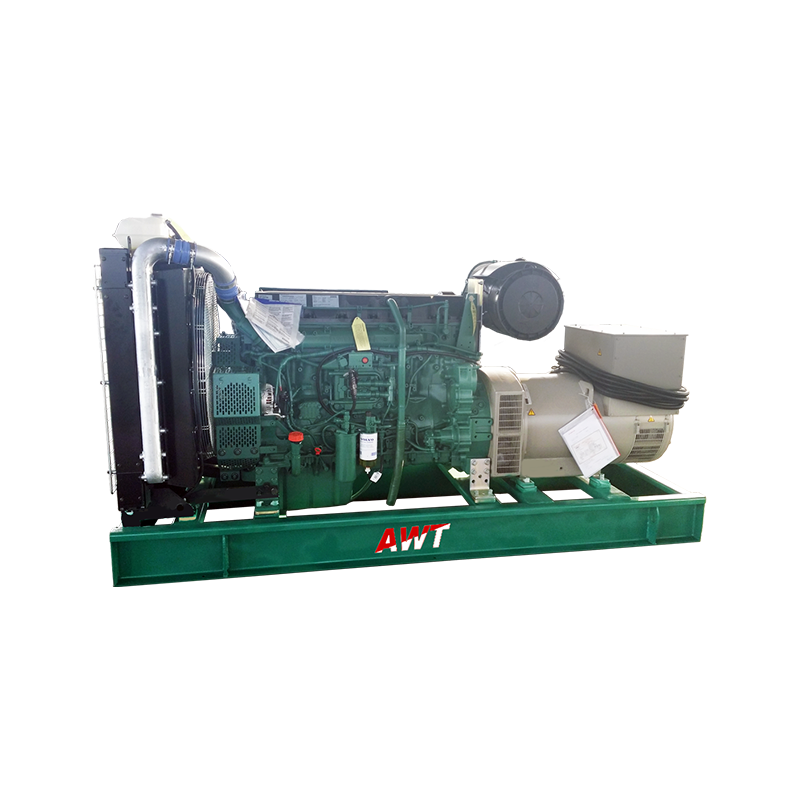
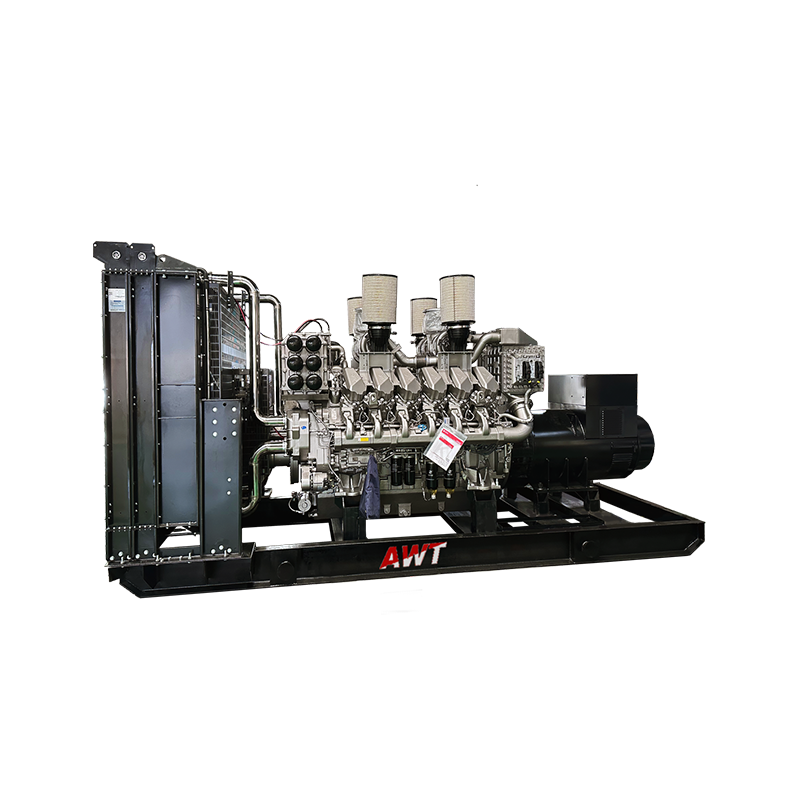
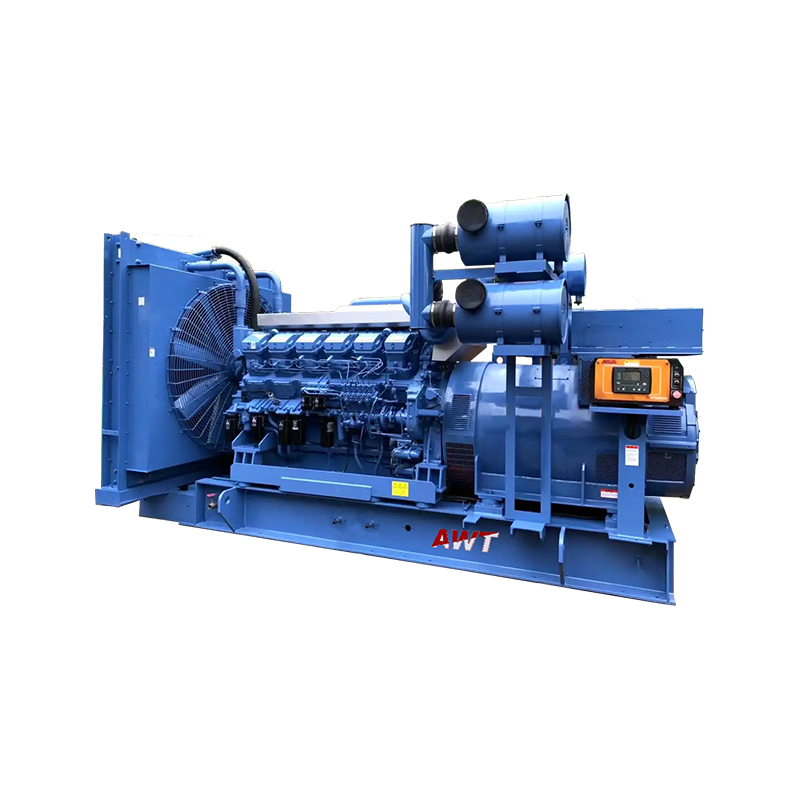
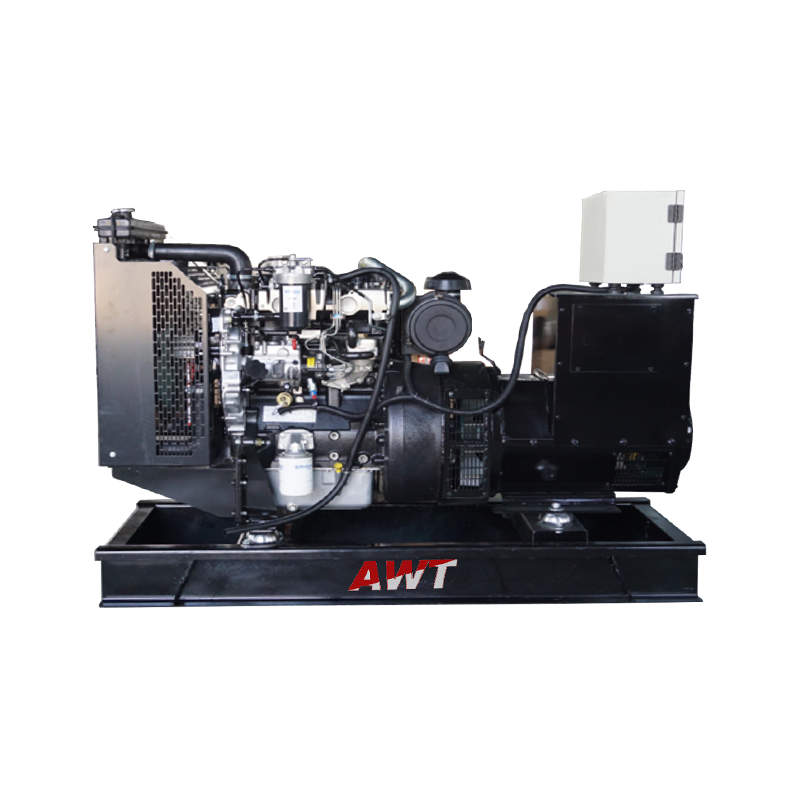
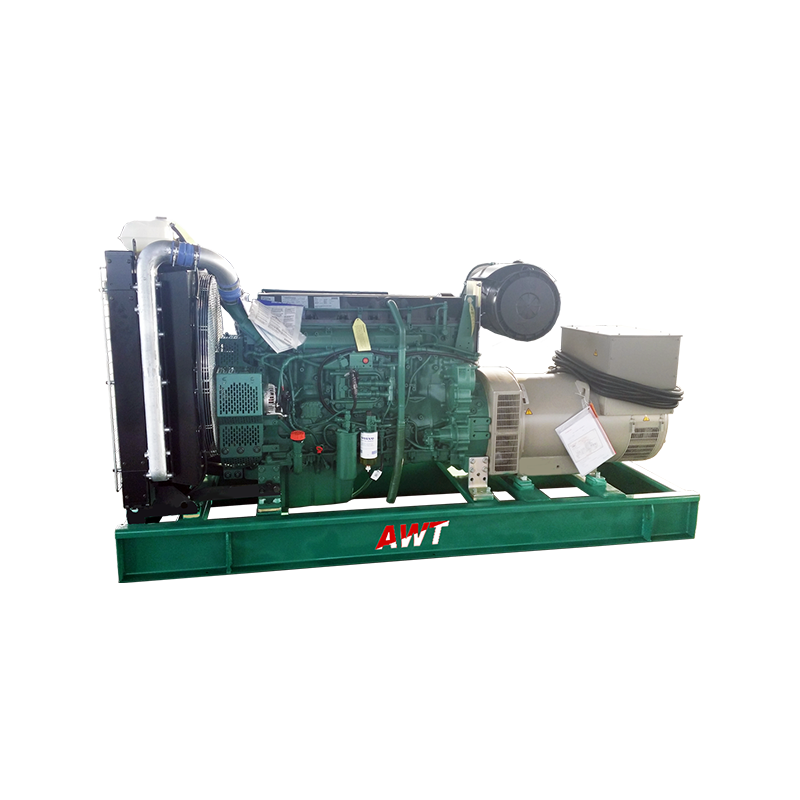
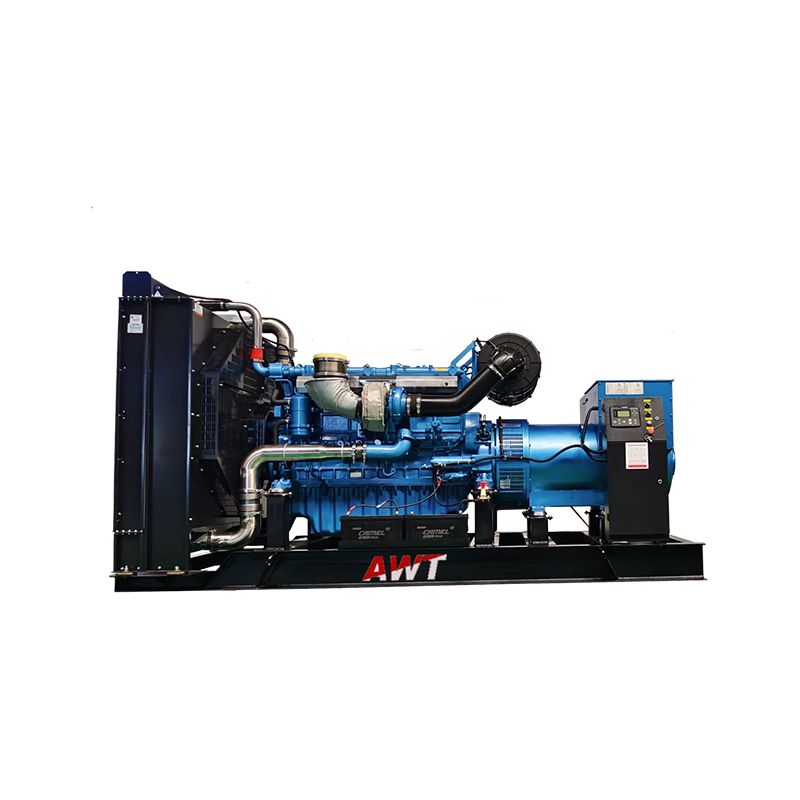
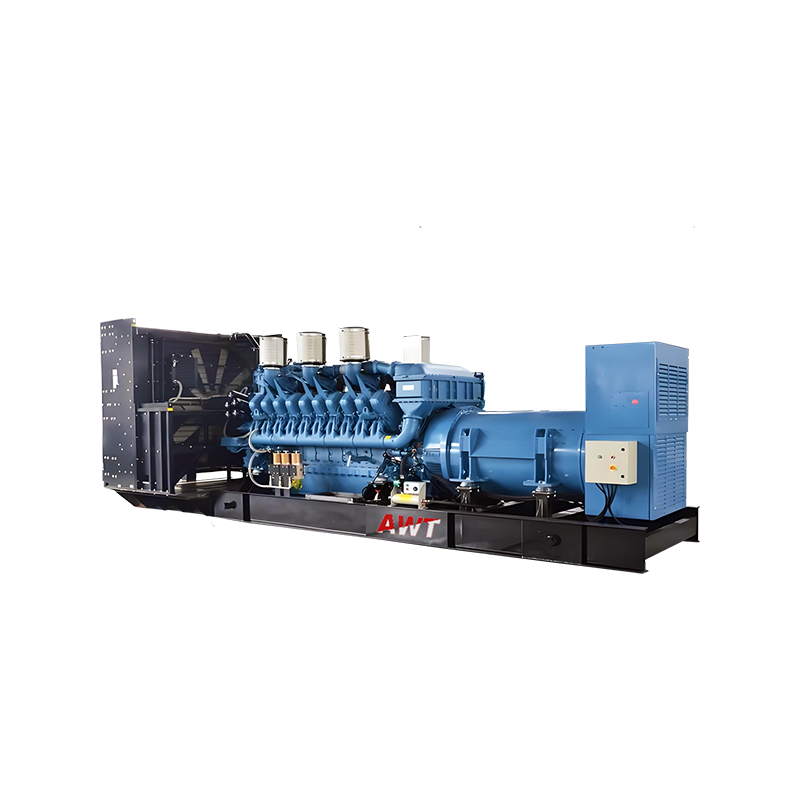
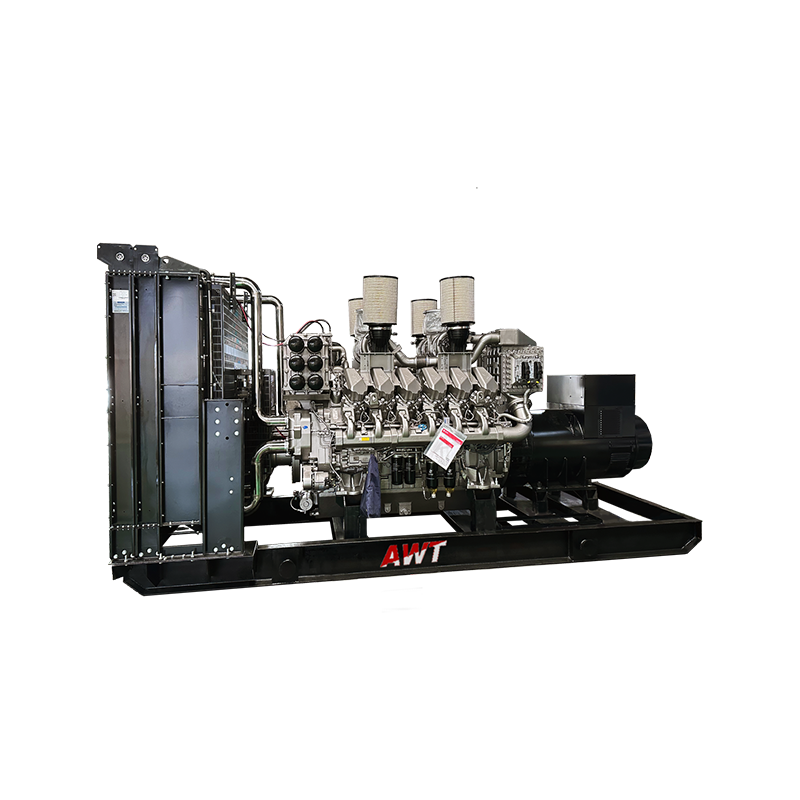
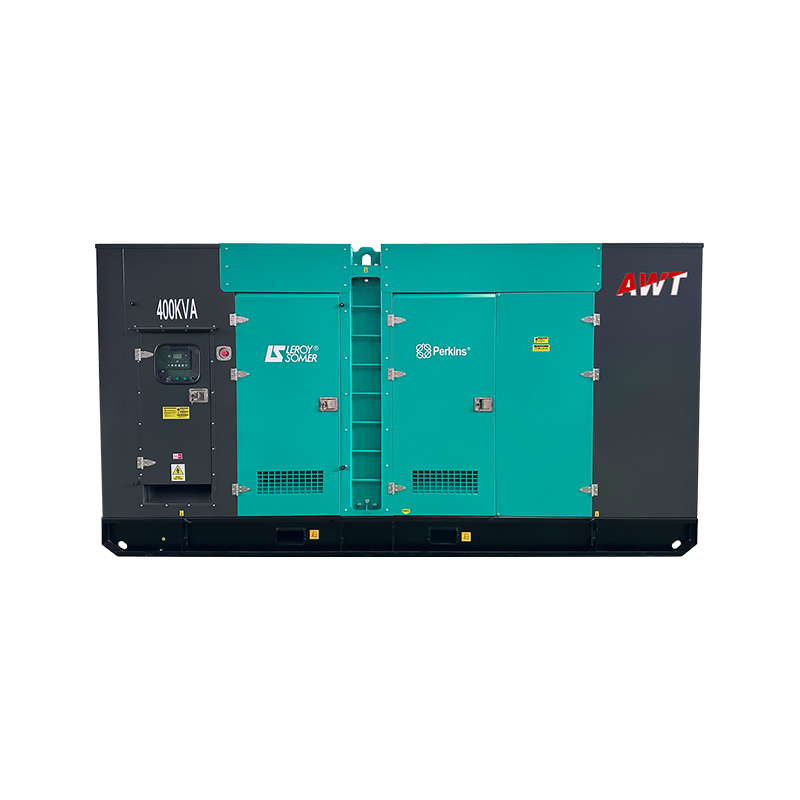
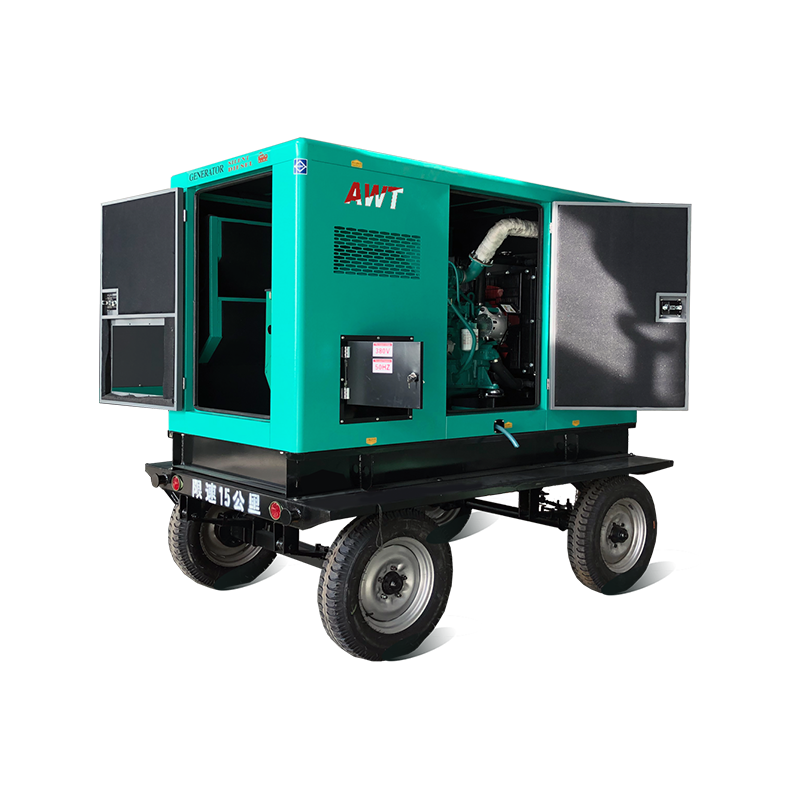
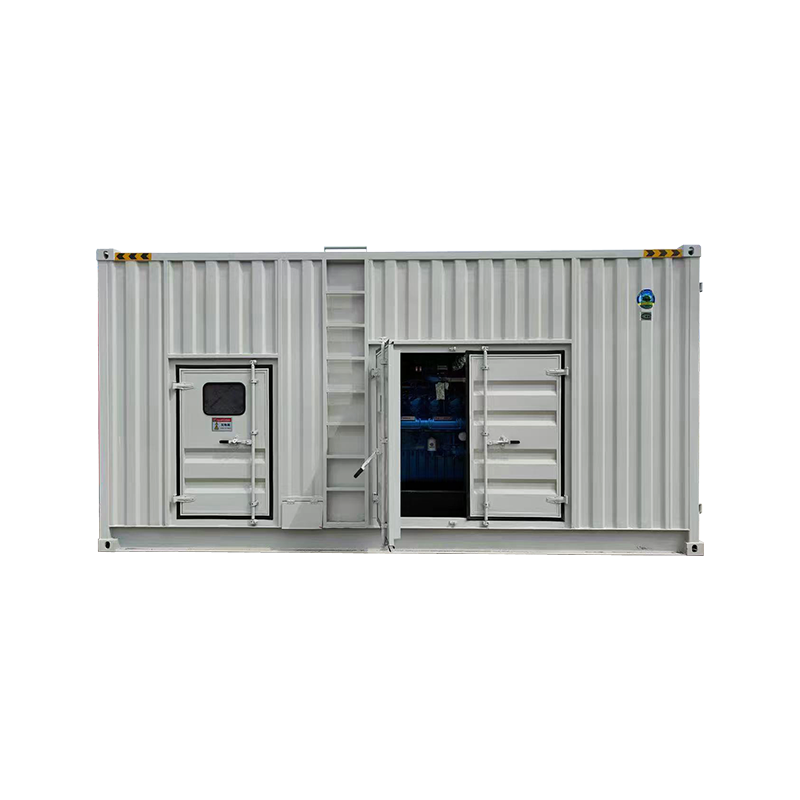
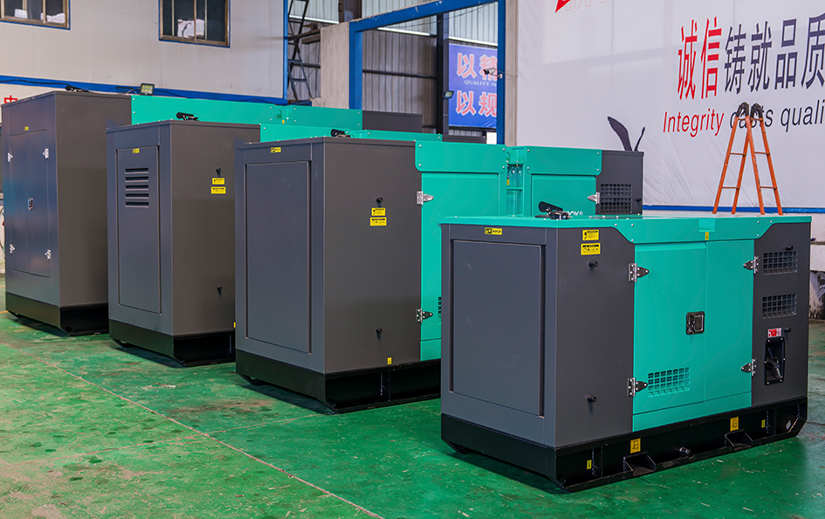
Continuous Power Diesel Generator
A continuous power diesel generator is rated under ISO 8528 for supplying a constant load for unlimited hours at a fixed output level. Unlike prime rated sets that accept a variable load profile with a limited overload window, continuous ratings are declared for steady operation at a defined kVA, without overload capability, and are applied where the electrical demand remains near-constant through the operating period. Typical uses include base load supply for remote communities, process plants with stable demand, and installations where the generator runs alongside other sources in a fixed share of the total load. Engine cooling, lubrication, and fuel systems are specified against uninterrupted running rather than intermittent service.
Rating Definition and Load Profile
| Continuous Rating Basis | Declared output available for unlimited hours at a constant load, without overload allowance, applied to applications where demand does not vary significantly. |
| Position in the Rating Range | The continuous rating sits below the prime rating for identical hardware, reflecting the removal of the overload window and the assumption of steady operation. |
| Load Curve Requirement | The connected load is assessed so that demand remains within the continuous rating across the full operating period, including seasonal and shift-related variation. |
| Site Derating | Output is corrected for ambient temperature, altitude, and humidity at the installation site, with the corrected figure used as the basis for load matching. |
Mechanical and Electrical Design
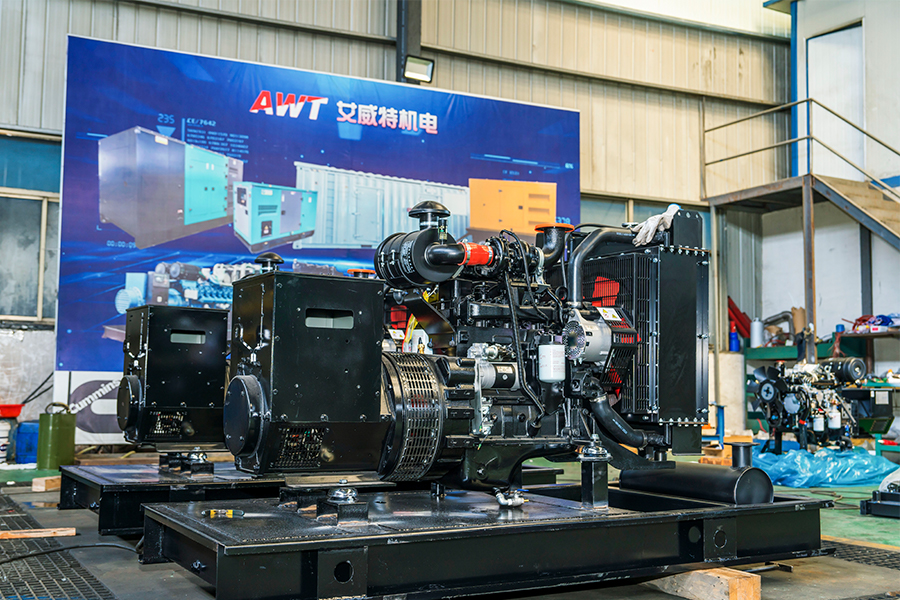
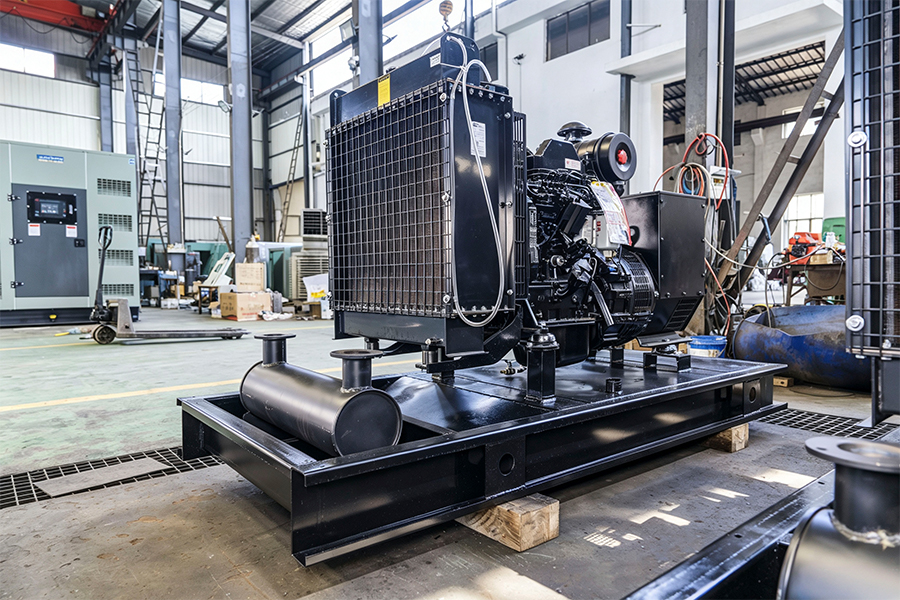
| Engine Structure | Four-stroke diesel engine with cylinder liners or parent bore and a cooling package sized for sustained thermal equilibrium, governed at 1500 rpm for 50Hz output. |
| Lubrication and Cooling | Oil capacity, coolant volume, and radiator surface area are matched to uninterrupted operation, with monitoring of temperature and pressure through the controller. |
| Alternator | Brushless synchronous alternator with class H insulation and AVR control, specified for continuous duty and stable voltage at fixed load. |
| Fuel System | Day tank and bulk storage arranged for refuelling without interruption, with filtration stages appropriate to the fuel quality available at site. |
| Control and Telemetry | Controller provides fixed-output monitoring, alarm logging, and remote communication for unattended sites, with protection settings aligned to continuous operation. |
Application Profiles
| Remote Community Supply | Base load generation for settlements beyond the distribution network, where demand follows a predictable daily curve and fuel delivery is scheduled in advance. |
| Process and Industrial Plants | Steady supply for continuous processes such as pumping, aeration, and material handling where interruptions affect output or product quality. |
| Hybrid Generation Systems | Operation alongside solar or wind sources at a fixed share of total demand, with the diesel set holding a constant output while renewables vary. |
| District Heating and Utilities | Supply for boiler house auxiliaries and treatment plant equipment that draw a stable load through the operating season. |
| Waste and Water Management | Continuous drive for pumping stations and aeration blowers where the electrical demand is defined by process flow rather than peaks. |
Questions from Project Teams
01 When should a continuous rating be specified instead of a prime rating?
The choice depends on how the load behaves over time. Where demand is steady and predictable, and the generator will not be asked to absorb load steps or temporary increases, a continuous rating gives an accurate basis for sizing and avoids the margin that prime ratings carry for overload events. Where demand fluctuates or includes motor starting, the prime rating is the appropriate reference because it includes a defined overload allowance. Project teams typically review the load profile, operating hours, and whether other sources share the supply before selecting the rating class.
02 What happens if demand exceeds the continuous rating during operation?
Continuous ratings carry no overload allowance, so demand above the declared output is outside the operating envelope. Sustained operation above the rating raises exhaust temperature, increases thermal load on the alternator windings, and accelerates wear on engine components. Protection settings in the controller are configured to alarm or trip before the set operates outside its rated condition. Where the load is expected to grow, the set is resized or a second unit is added rather than relying on headroom that the continuous rating does not include.
03 How does continuous operation affect maintenance planning?
Service intervals are set from running hours rather than calendar periods. Oil and filter changes, coolant checks, and air filter inspections follow the engine manufacturer schedule for continuous duty, commonly in the 250 to 500 hour range depending on fuel quality and site conditions. Because the set runs without the idle periods that occur in standby service, consumable replacement is more frequent in calendar terms, and spare parts stock is planned against projected annual hours.
04 What fuel storage arrangement suits uninterrupted operation?
Storage is sized from daily consumption at the continuous rating, multiplied by the refuelling interval plus a reserve for transport delays. A day tank positioned near the set provides a buffer and allows bulk deliveries to be received without stopping the engine. Bunding, level monitoring, and transfer pump arrangements follow local fuel handling regulations, and fuel polishing is considered where stored volumes are large or turnover is slow.
05 Can a continuous rated set run in parallel with a utility or other generators?
Yes. Paralleling controllers synchronise voltage, frequency, and phase before closing the breaker, then hold the set at a fixed share of the total load through load sharing control. In hybrid installations, the diesel set may be assigned a constant output while renewable sources vary, with the controller adjusting only when the combined supply moves outside set limits. Switchgear, protection coordination, and earthing are designed for the parallel operating mode from the start of the project.
Selection and Site Planning
| Load Verification | Recorded demand data is reviewed across the full operating cycle, with the continuous rating corrected for site conditions and compared against the highest sustained demand. |
| Cooling Air Path | Radiator discharge and combustion air intake are planned against room volume and ambient conditions, since continuous duty leaves less margin for restricted airflow. |
| Fuel Logistics | Delivery access, storage capacity, and transfer equipment are planned around uninterrupted operation and the site's refuelling constraints. |
| Acoustic and Emission Limits | Enclosure rating and exhaust treatment are selected against site boundary noise limits and emission standards for stationary engines. |
| Service Access | Layout provides clearance for routine filter changes, injector service, and radiator cleaning at the intervals defined for continuous running. |