English
 Français
 Español
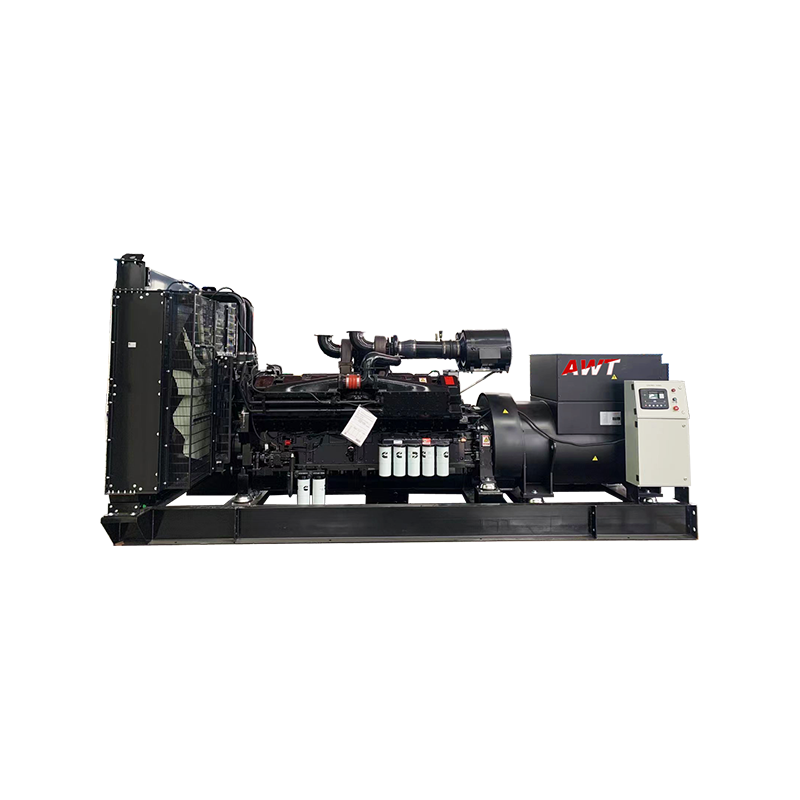
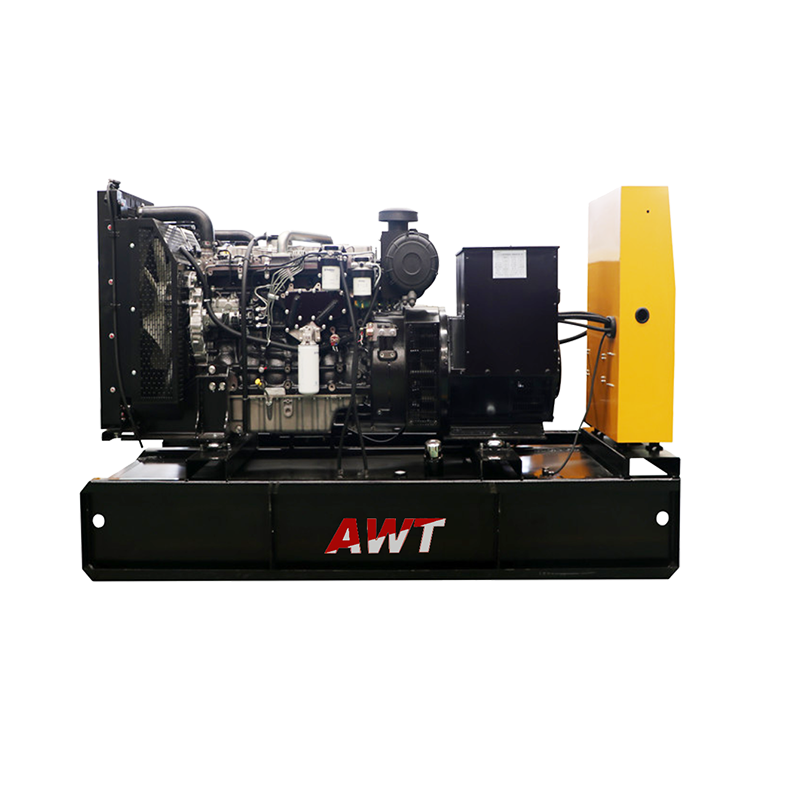
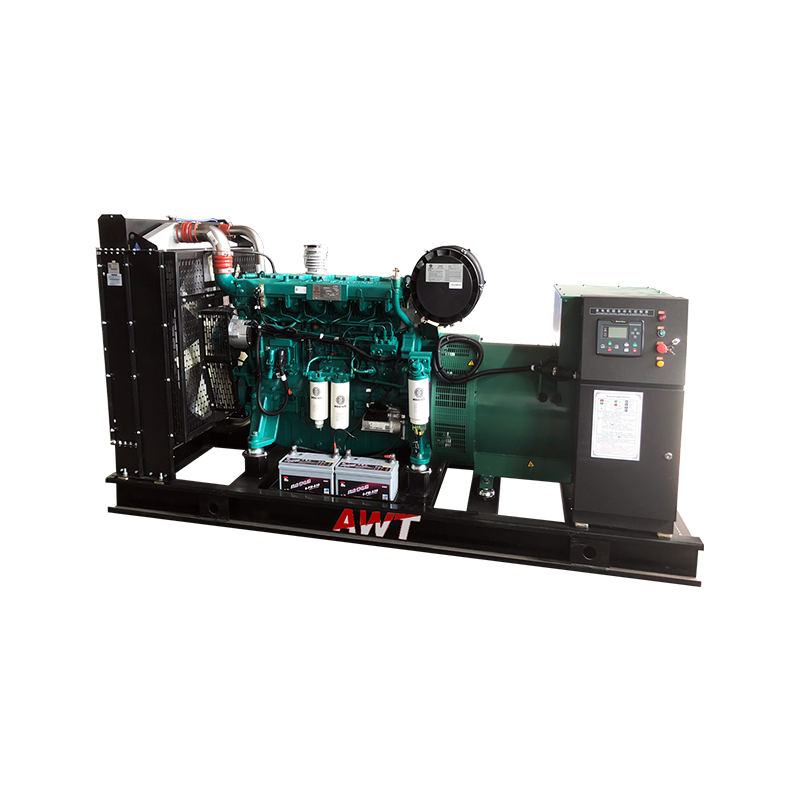
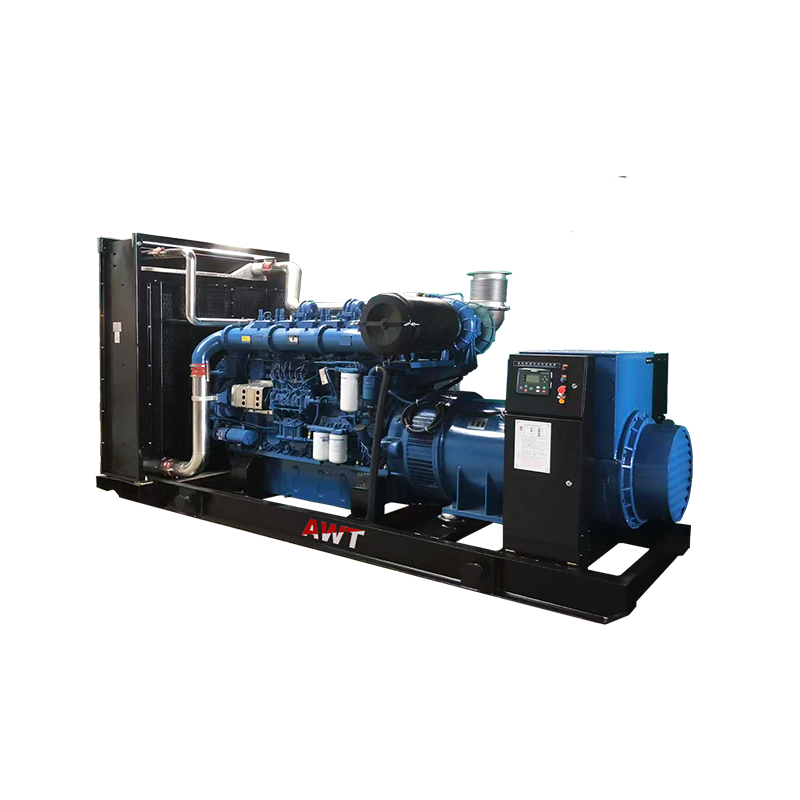
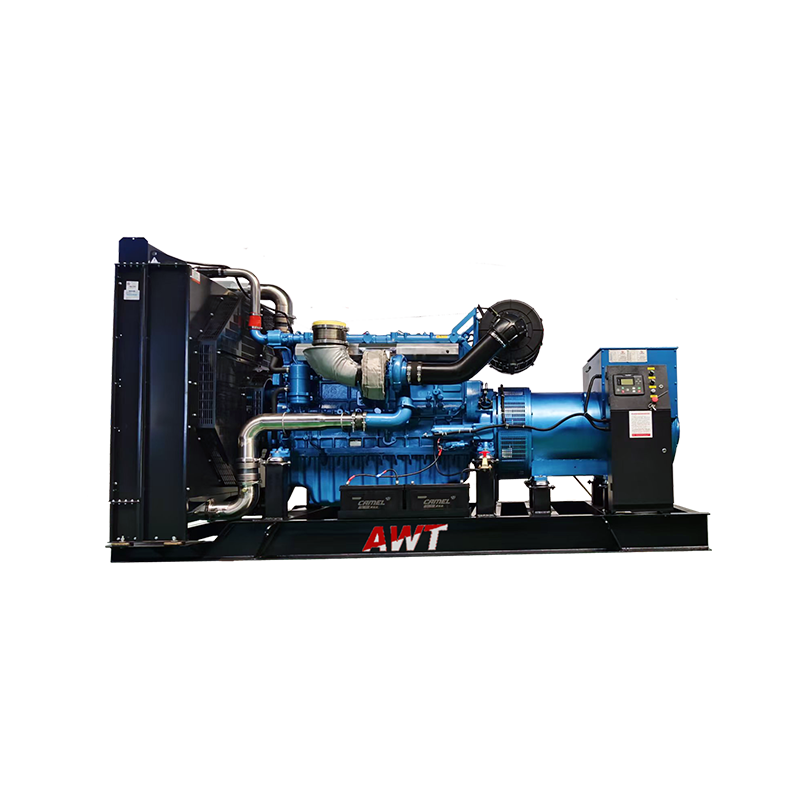
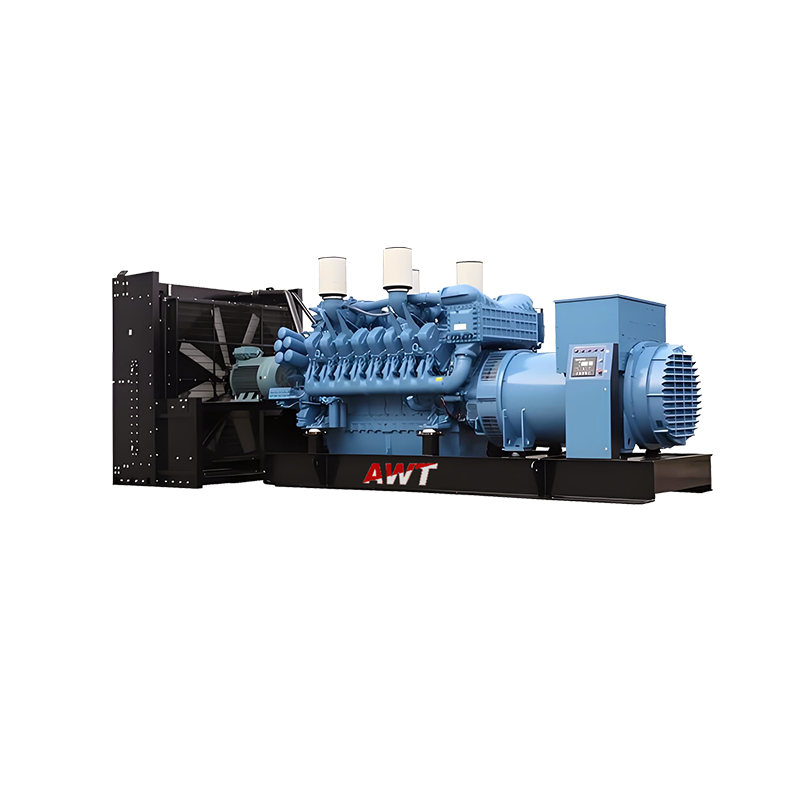
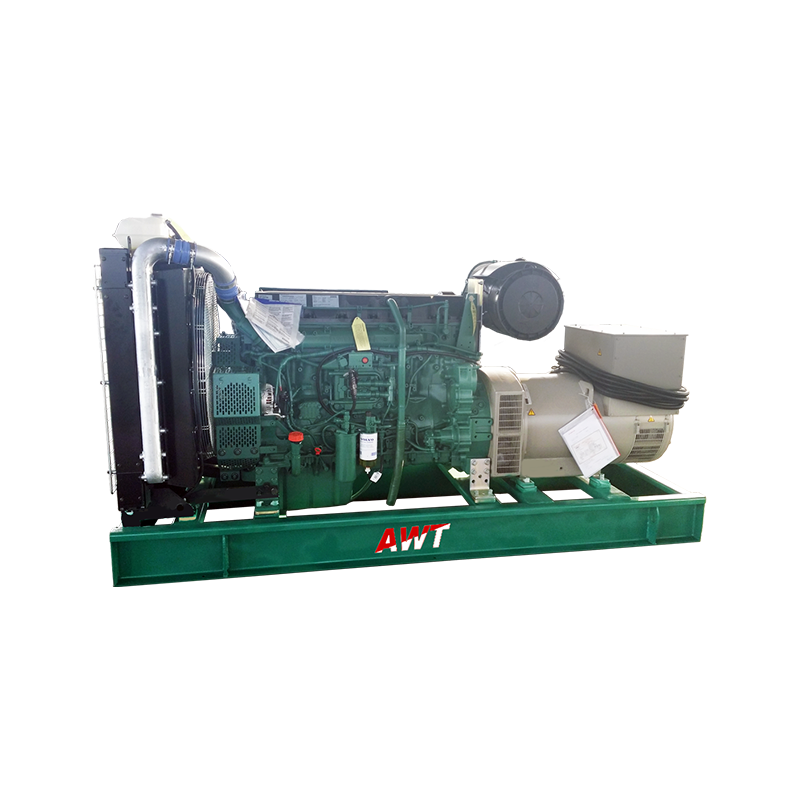
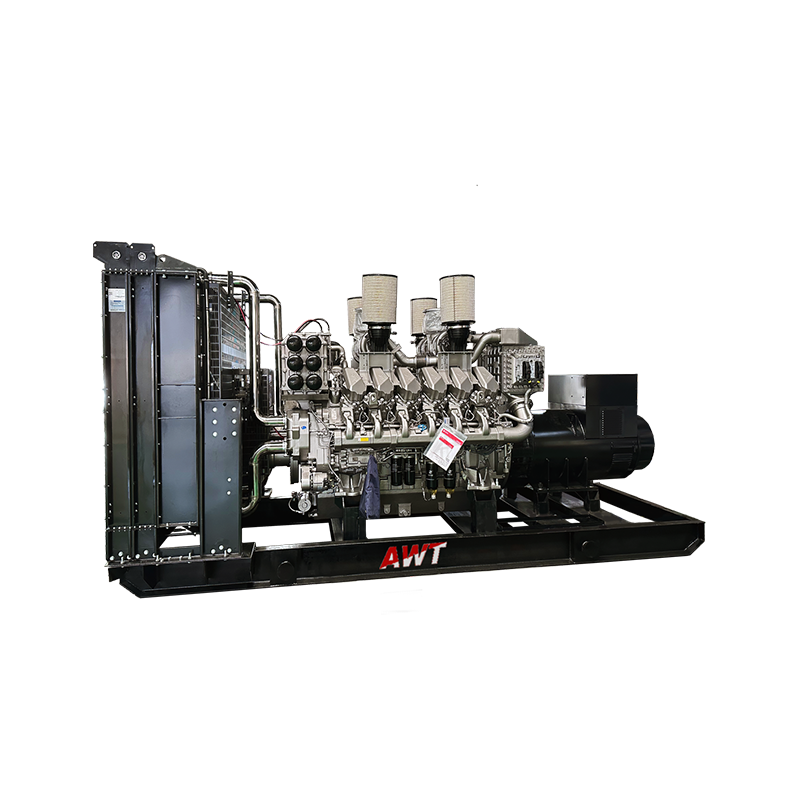
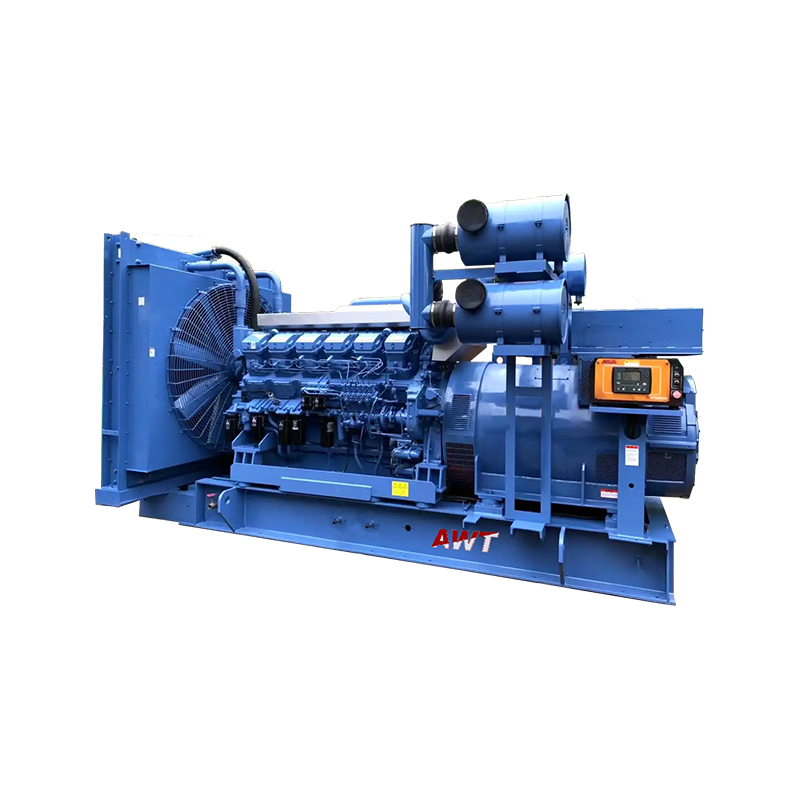
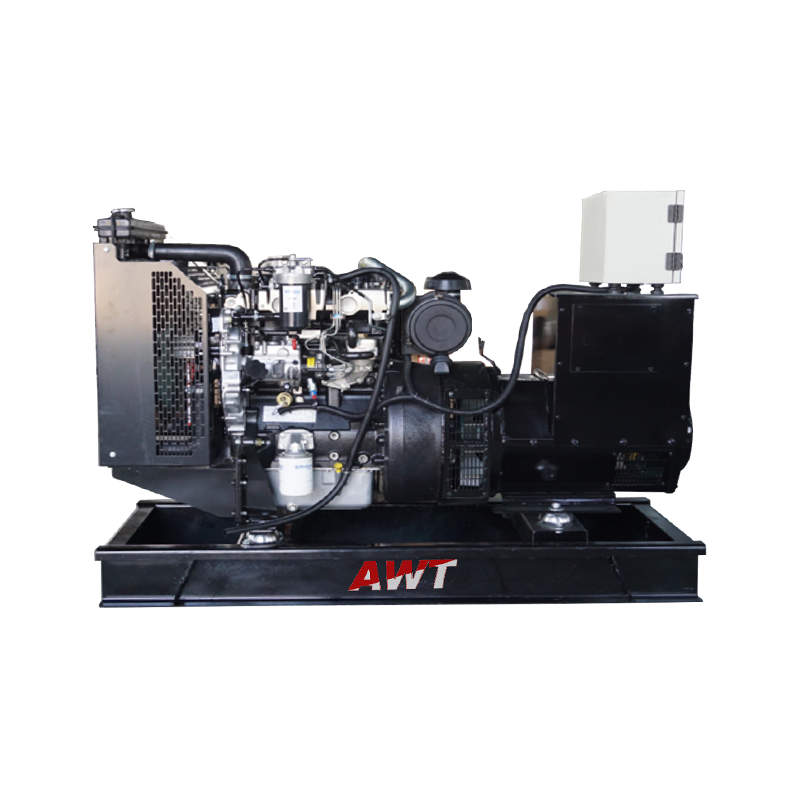
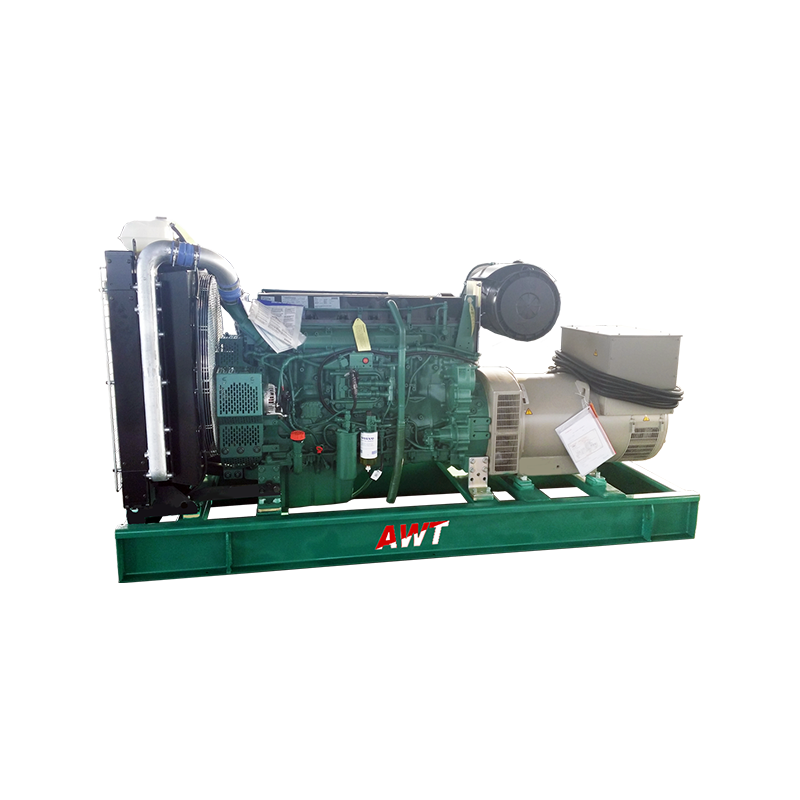
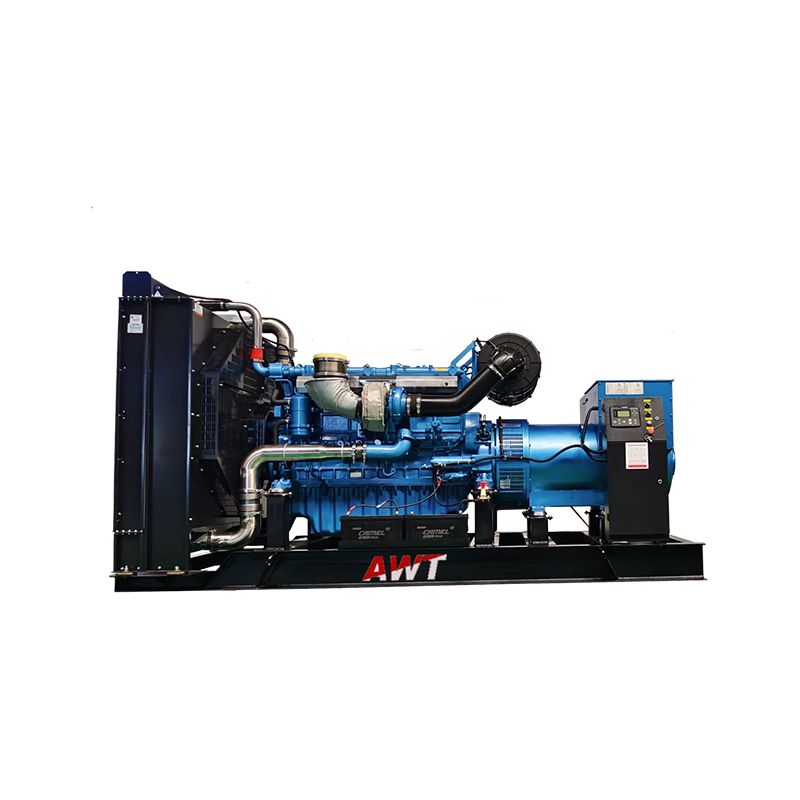
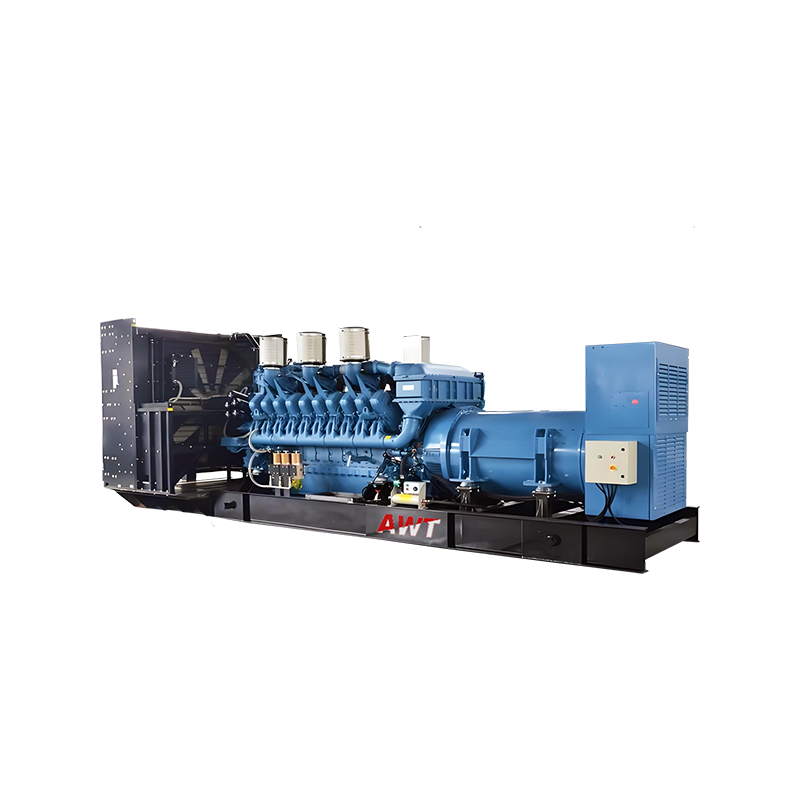
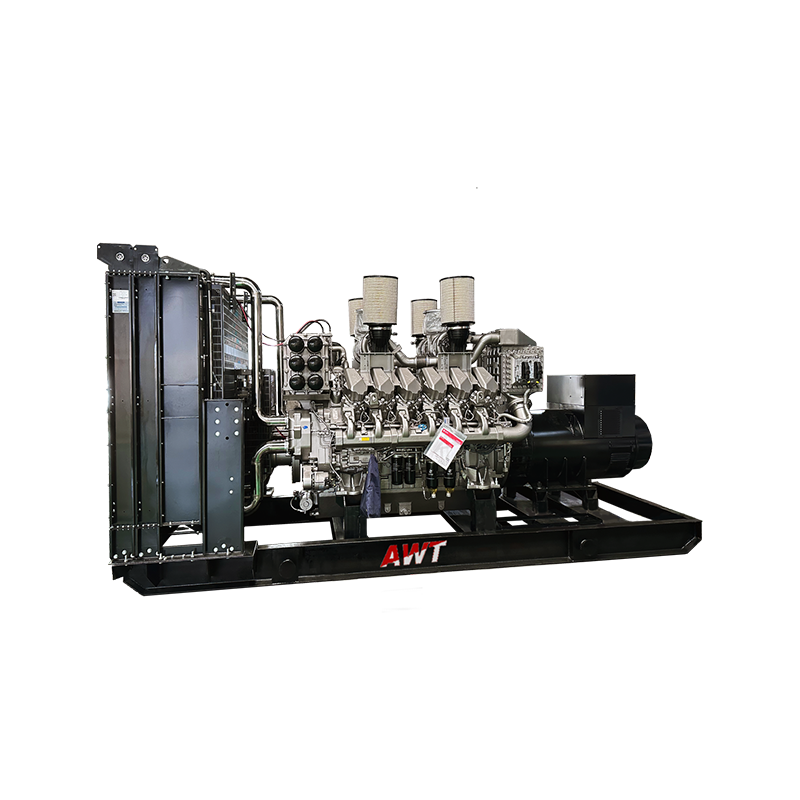
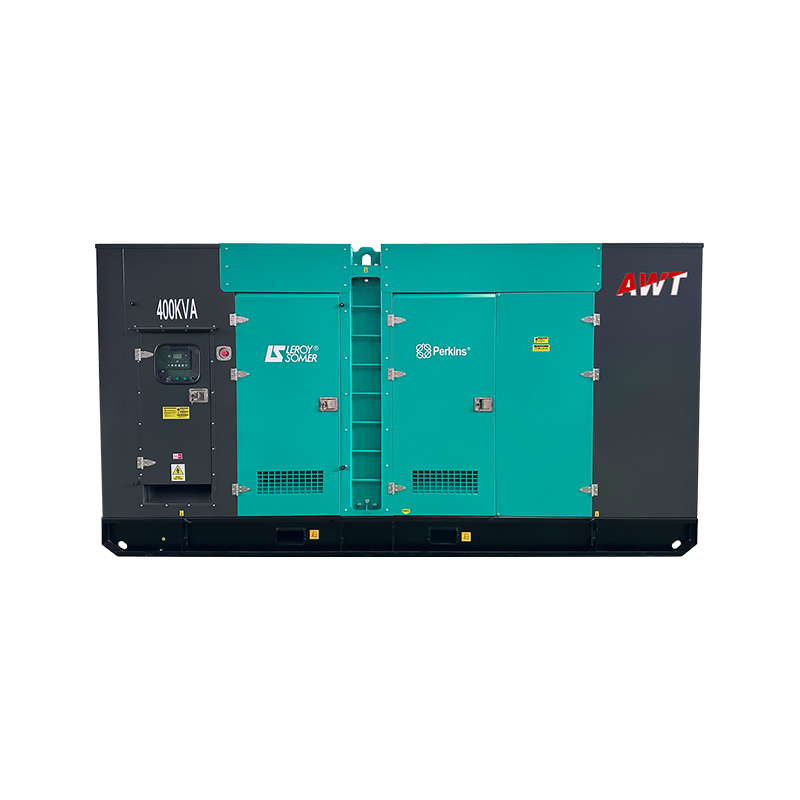
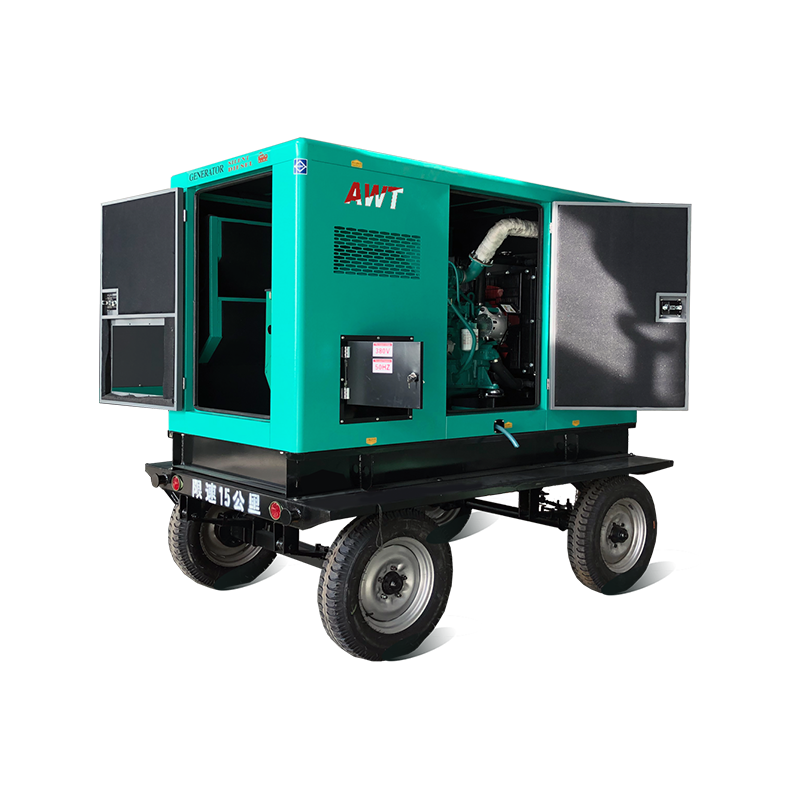
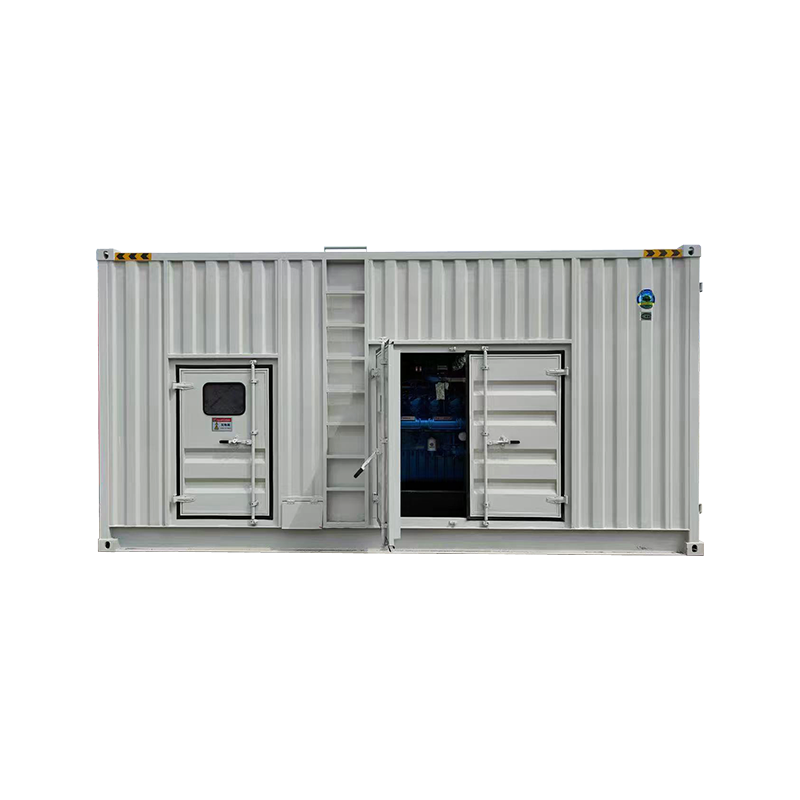
Mobile Diesel Generator Set
A mobile diesel generator set provides temporary or relocatable electrical power for locations where a fixed power supply is unavailable, insufficient, or impractical.
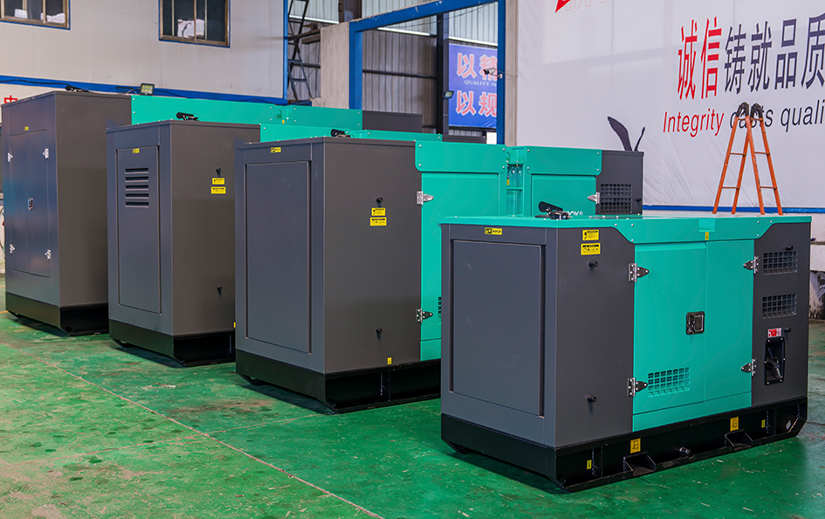
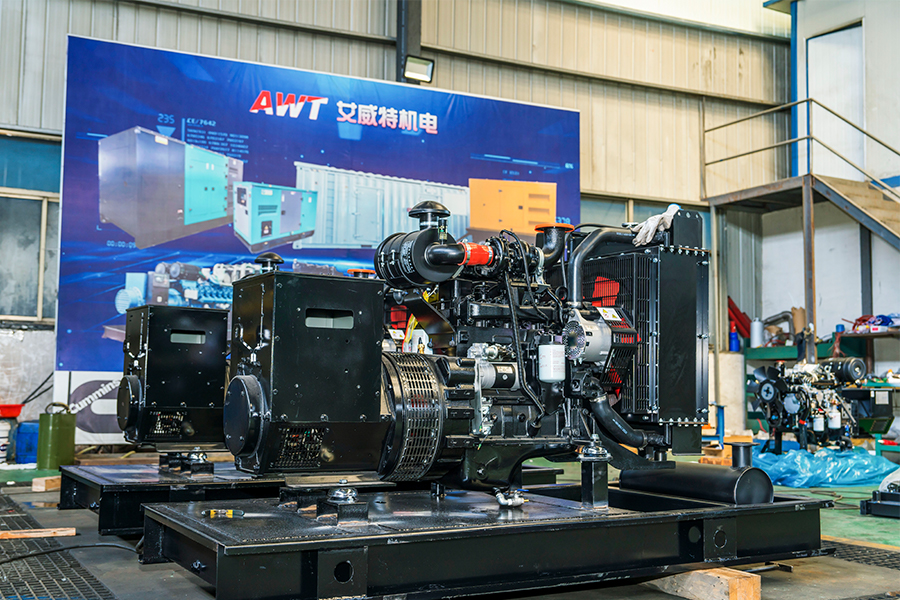
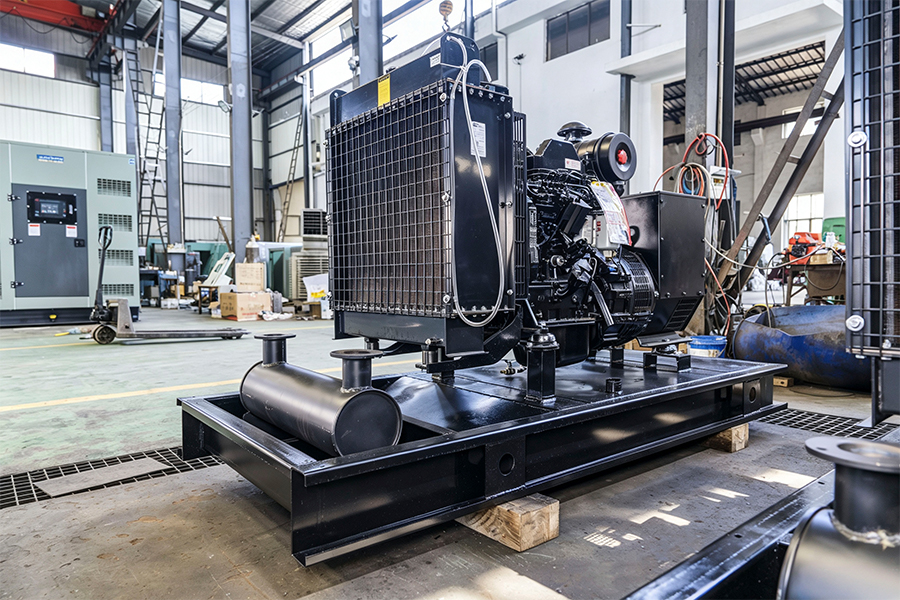
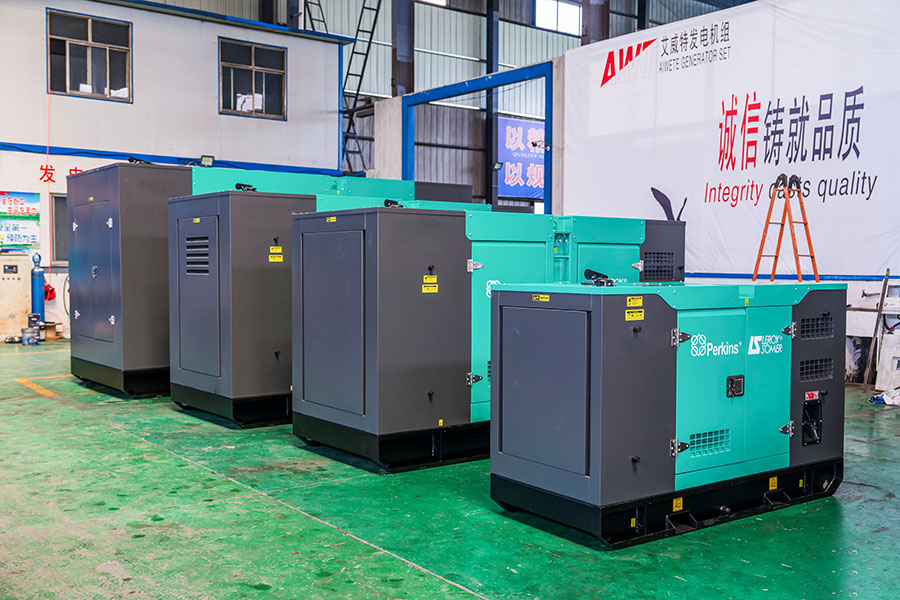
Designed for flexible deployment, a mobile diesel generator set integrates a diesel engine, alternator, control system, fuel arrangement, and supporting structure into a transportable power unit. Depending on the configuration, the equipment can be installed on a skid base, trailer chassis, or other mobile platform. It can be used for construction operations, infrastructure projects, emergency power supply, outdoor events, and temporary industrial facilities.
The generator converts the mechanical energy produced by the diesel engine into electrical energy through the alternator. Its control system monitors operating conditions and supports functions such as starting, stopping, voltage regulation, and fault protection. For project planning, buyers should evaluate rated output, voltage, frequency, load characteristics, operating duration, fuel capacity, noise requirements, and transportation conditions. These factors determine the appropriate generator configuration and its suitability for the intended site.
Core Advantages of a Mobile Diesel Generator Set
Equipment configuration supports power supply across different locations and operating conditions.
Flexible Deployment
The mobile structure allows the generator to be transported between project locations. This is useful for contractors and operators managing multiple temporary power requirements.
Independent Power Supply
The diesel engine drives the alternator without relying on a permanent utility connection, supporting operations in remote or off-grid environments.
Adaptable Equipment Configuration
Output capacity, voltage, frequency, enclosure, fuel system, and control functions can be selected according to the application and operating requirements.
Support for Emergency Operations
A properly specified unit can provide standby or temporary power during utility interruptions, planned maintenance, and infrastructure recovery work.
Key Components and Functional Characteristics
Each component contributes to power generation, equipment protection, or mobile operation.
Diesel Engine
Provides the mechanical power required to drive the alternator. Engine selection should consider rated power, speed, fuel consumption, cooling method, and expected operating hours.
AC Alternator
Converts mechanical energy into electrical output. Rated capacity, voltage, frequency, phase configuration, and voltage regulation are important selection factors.
Control Panel
Displays operating parameters and supports generator control. Depending on the model, functions may include automatic start and stop, alarms, and shutdown protection.
Fuel and Cooling Systems
The fuel system supplies diesel to the engine, while the cooling system manages operating temperature. Their configuration affects runtime, maintenance intervals, and site requirements.
Mobile Support Structure
A skid base, trailer chassis, or other transportable platform supports equipment installation and relocation. The structure should match the transport method and site conditions.
Enclosure and Protection
Depending on the design, an enclosure can provide weather protection, help manage operating noise, and restrict unauthorized access to selected components.
Typical Applications of Mobile Diesel Generator Sets
Mobile power equipment can support projects with changing locations, temporary electrical loads, or limited grid access.
Construction Sites
Supplies electricity for temporary lighting, site offices, portable tools, pumps, and selected construction equipment.
Infrastructure Projects
Supports road construction, bridge work, utility maintenance, and other projects where power demand changes by work phase.
Emergency Power Supply
Provides temporary electricity for designated facilities and equipment during outages or recovery operations, subject to load and connection requirements.
Temporary Industrial Operations
Supports maintenance shutdowns, equipment commissioning, temporary production areas, and operations at remote industrial sites.
Mining and Remote Worksites
Supplies power for selected site facilities, auxiliary equipment, lighting, and field operations where utility access is limited.
Outdoor Events
Provides temporary electricity for event lighting, sound systems, service areas, and other equipment after load planning and electrical safety checks.
Technical Parameters for Generator Selection
Confirm the following specifications before requesting a quotation or finalizing the equipment configuration.
| Parameter | What Buyers Should Confirm |
|---|---|
| Rated Power | Required prime power or standby power in kW or kVA, based on the intended duty cycle. |
| Output Voltage | Rated voltage and allowable voltage range required by connected equipment. |
| Frequency | 50 Hz or 60 Hz according to the local electrical system and equipment requirements. |
| Phase Configuration | Single-phase or three-phase output, according to the connected electrical loads. |
| Load Characteristics | Continuous loads, motor starting current, load variation, and any sensitive electrical equipment. |
| Fuel Tank Capacity | Required operating duration, expected fuel consumption, and refueling arrangements. |
| Cooling System | Cooling method, ambient temperature, ventilation, and installation environment. |
| Mobile Structure | Skid-mounted or trailer-mounted design, transport dimensions, lifting points, and site access. |
| Noise and Enclosure | Noise limits, weather exposure, ventilation, and any required acoustic enclosure. |
| Control and Protection | Monitoring functions, automatic operation requirements, alarms, and shutdown protection. |
Actual ratings, dimensions, fuel consumption, noise levels, and available configurations should be confirmed against the selected generator model and its technical datasheet.
How to Select a Mobile Diesel Generator Set
A structured selection process helps reduce capacity mismatches and avoid transport or installation problems.
Calculate the Required Electrical Load
List all equipment that will operate simultaneously. Include motor starting current, peak demand, power factor, and possible future load increases when determining generator capacity.
Define the Operating Duty
Clarify whether the generator will serve as a continuous, prime, or standby power source. Operating hours and load profiles influence the appropriate rating and maintenance plan.
Confirm Site and Transport Conditions
Check ground conditions, access routes, transport dimensions, lifting requirements, ventilation, exhaust discharge, and available space for operation and maintenance.
Specify Environmental and Control Requirements
Consider ambient temperature, dust, moisture, noise restrictions, automatic operation, remote monitoring, and electrical protection requirements.
Review the Technical Configuration
Compare the engine, alternator, control panel, fuel system, cooling arrangement, enclosure, and mobile platform against the project specification before ordering.
Operation and Maintenance Considerations
Regular inspection helps maintain operating reliability and identify potential issues before they interrupt power supply.
Before Starting
- Check engine oil and coolant levels.
- Inspect fuel lines, connections, and visible leakage.
- Verify battery condition and electrical connections.
- Check ventilation and exhaust discharge areas.
During Operation
- Monitor voltage, frequency, current, and engine temperature.
- Keep the generator within its specified load range.
- Observe unusual noise, vibration, or warning signals.
- Maintain clear access around the equipment.
After Operation
- Follow the manufacturer's shutdown procedure.
- Inspect for leakage, loose fittings, and visible damage.
- Record operating hours and maintenance activities.
- Prepare the unit for transport or the next operating cycle.
Maintenance intervals and operating procedures should follow the engine and generator manufacturer's documentation. Electrical installation, grounding, fuel handling, and exhaust arrangements must comply with applicable local requirements.
Frequently Asked Questions
Common questions about mobile diesel generator selection, operation, and configuration.
What is a mobile diesel generator set?
A mobile diesel generator set is a diesel-powered electricity generation unit designed for relocation between different operating locations. It typically combines an engine, alternator, control system, and supporting structure in a transportable configuration.
What is the difference between a mobile and stationary diesel generator?
A stationary generator is generally installed at a fixed location, while a mobile diesel generator is designed to be transported or repositioned as project requirements change. Their power-generation principles are similar, but mounting structure, transport arrangements, and site connections may differ.
How do I determine the required generator capacity?
Calculate the total simultaneous electrical load, then account for motor starting demand, power factor, load variation, and operating conditions. The final rating should be checked against the generator's prime or standby power specification rather than selected from the sum of equipment nameplate values alone.
Can a mobile diesel generator provide backup power?
Yes. A properly configured mobile diesel generator can provide temporary or standby power during utility interruptions. The electrical connection method, transfer equipment, grounding, load capacity, and operating procedures must be designed for the facility.
How long can a mobile diesel generator run continuously?
Operating duration depends on fuel tank capacity, engine fuel consumption, load level, ambient conditions, and the manufacturer's operating limits. Buyers should confirm the expected runtime at the intended load and follow the specified service intervals.
Can the mobile diesel generator set be customized?
Depending on the manufacturer's capabilities, configuration options may include generator output, voltage, frequency, fuel tank capacity, control functions, enclosure, and mobile platform. Custom requirements should be confirmed during technical review.
What information should I provide when requesting a quotation?
Provide the required power rating, voltage, frequency, phase, load details, operating duty, expected runtime, installation environment, transport requirements, and any noise or control specifications. This information helps the supplier evaluate the required configuration.
Mobile Diesel Generator Set for Relocatable Power Requirements
A mobile diesel generator set supports temporary, emergency, and remote power applications through a transportable diesel-driven generation system. Selecting the right configuration requires a clear understanding of electrical load, operating duty, site conditions, transport requirements, and maintenance needs. Matching these factors with the generator's technical specifications helps ensure that the equipment meets the actual demands of the project.