English
 Français
 Español
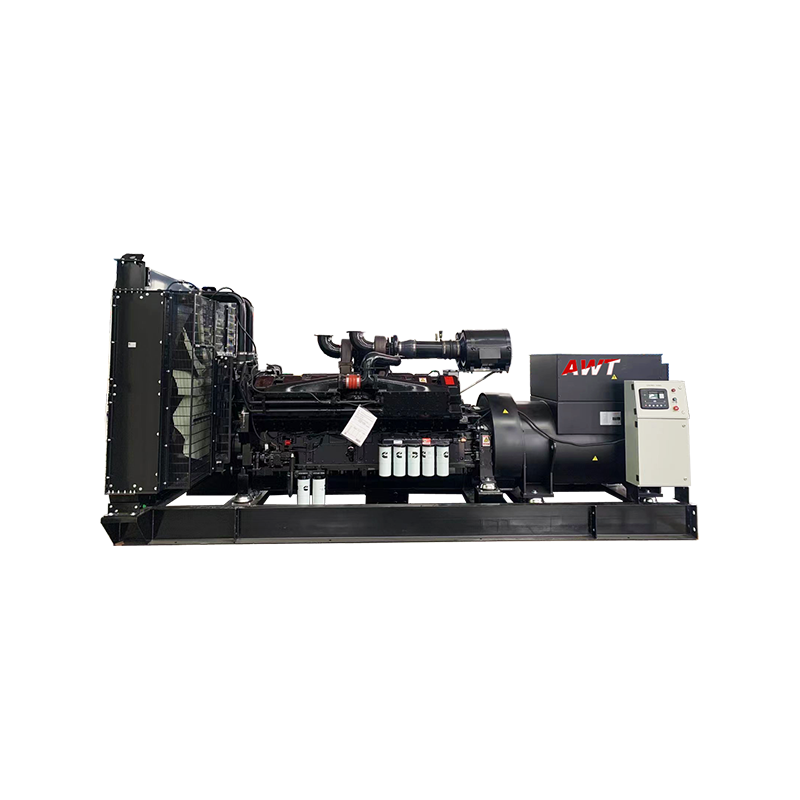
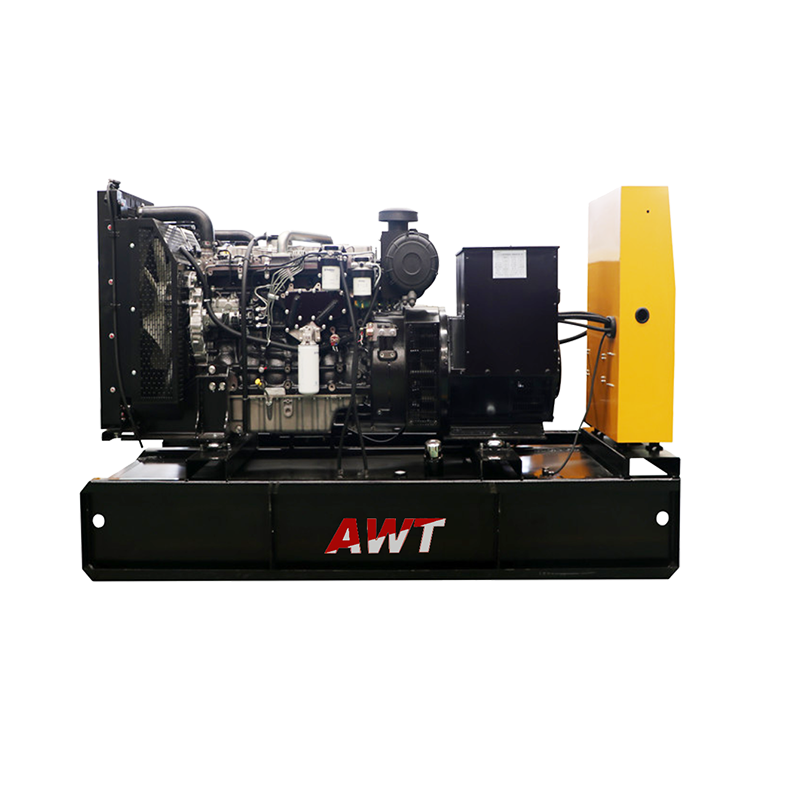
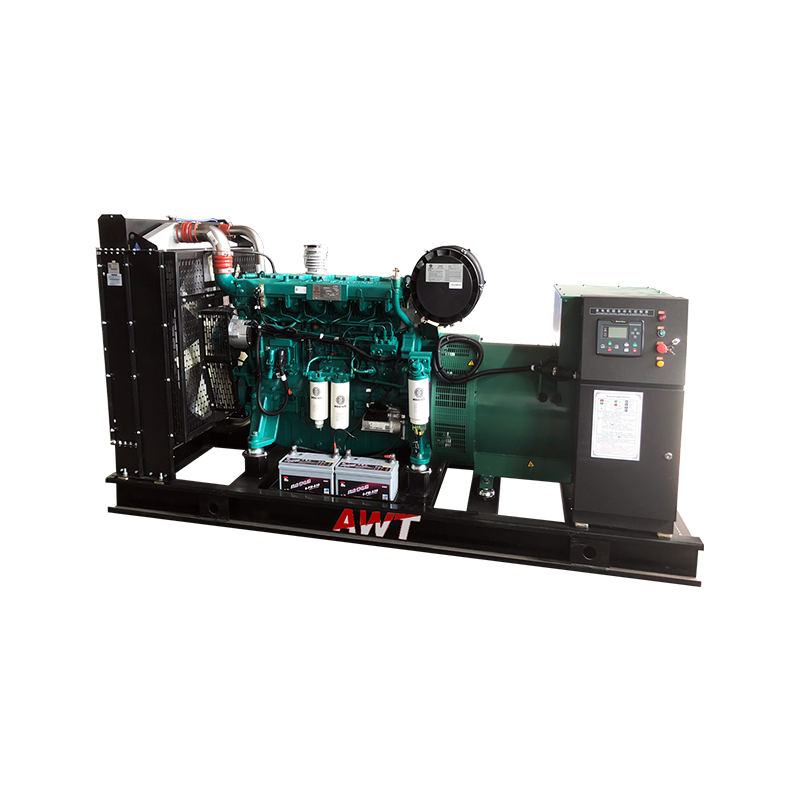
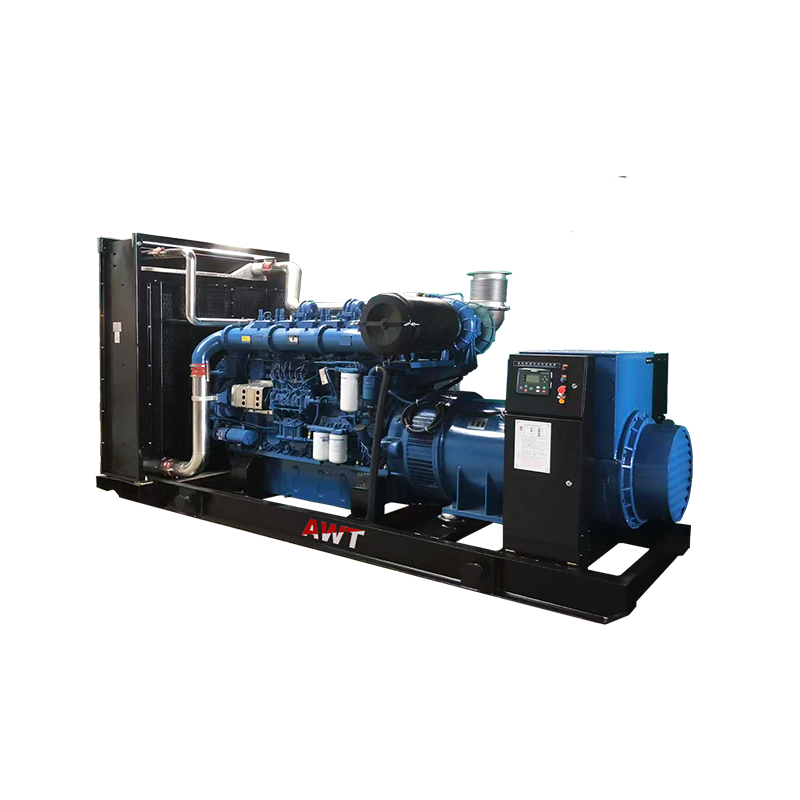
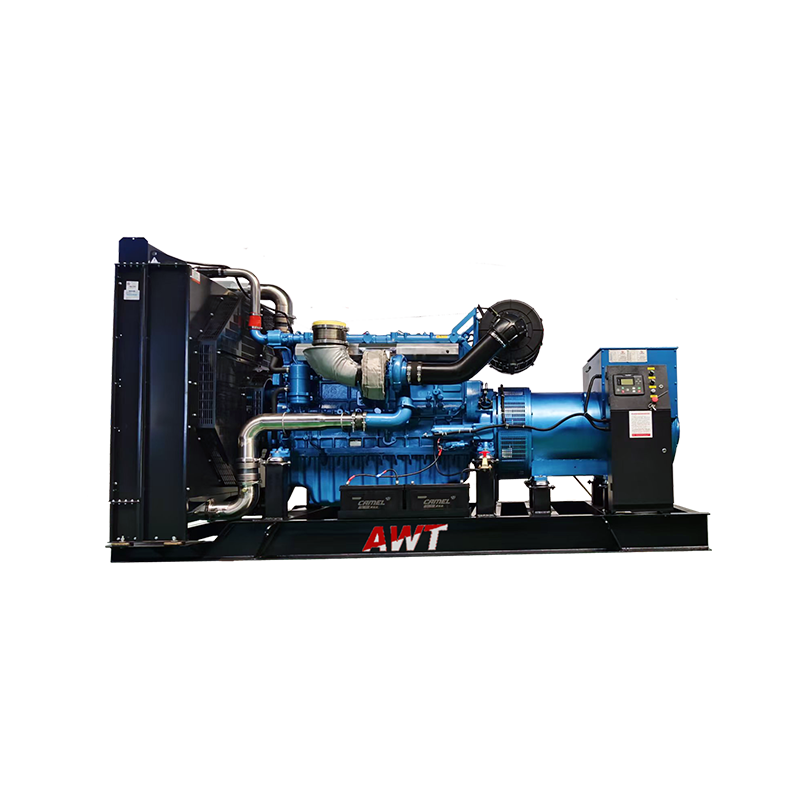
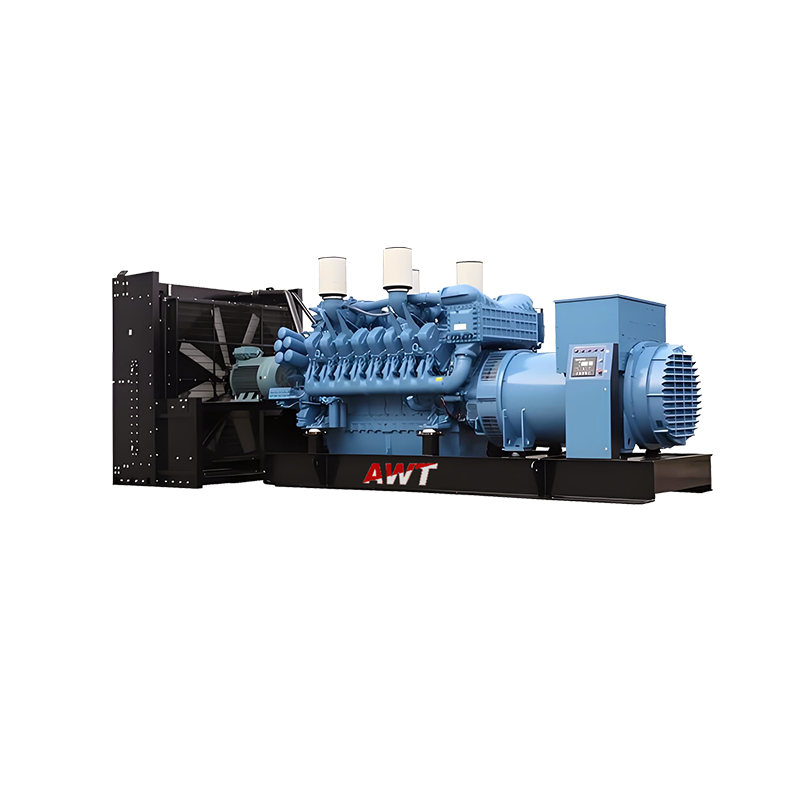
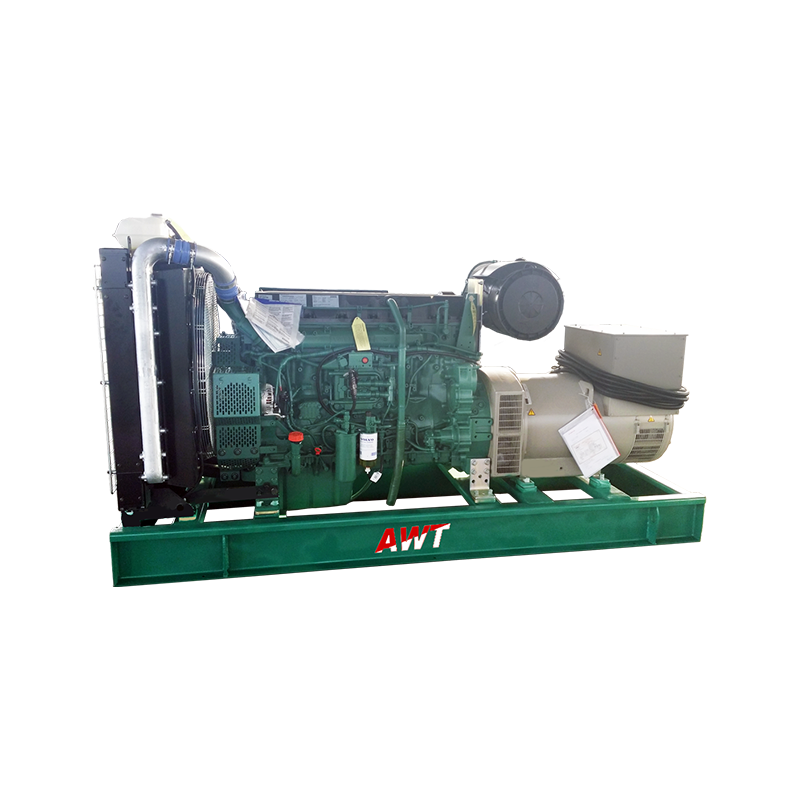
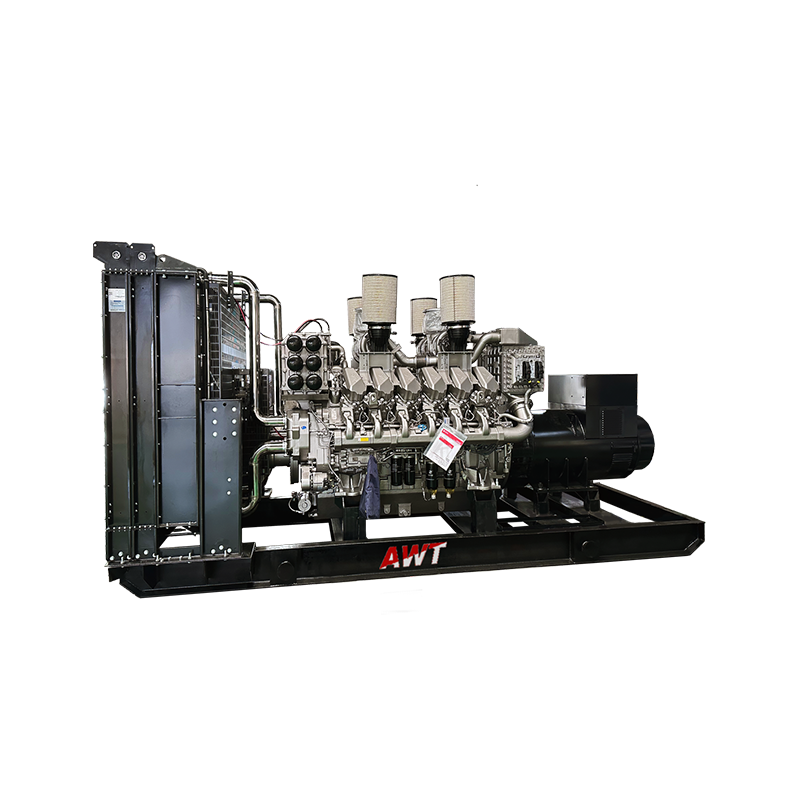
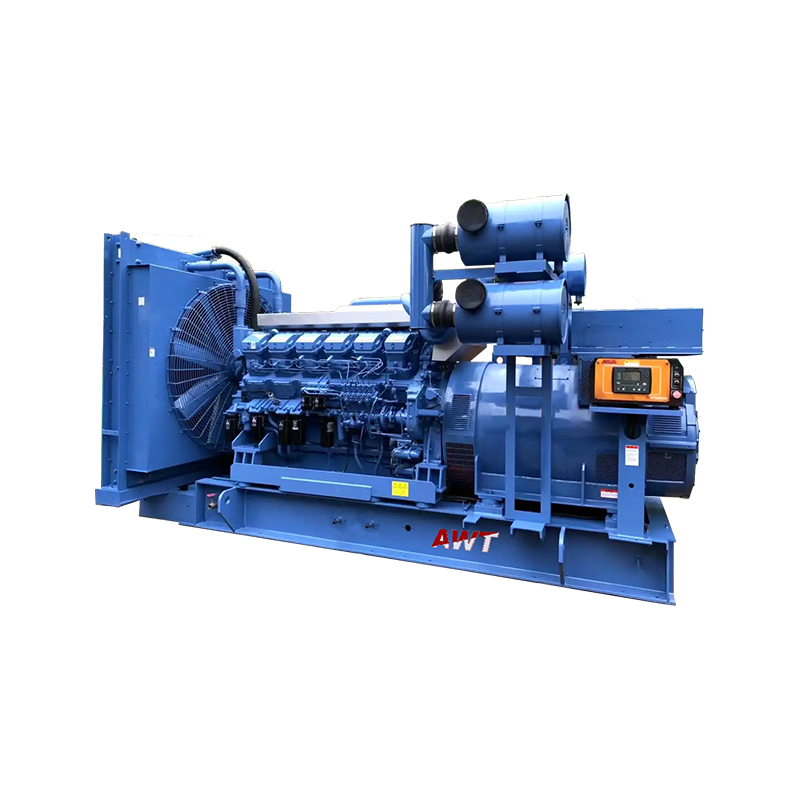
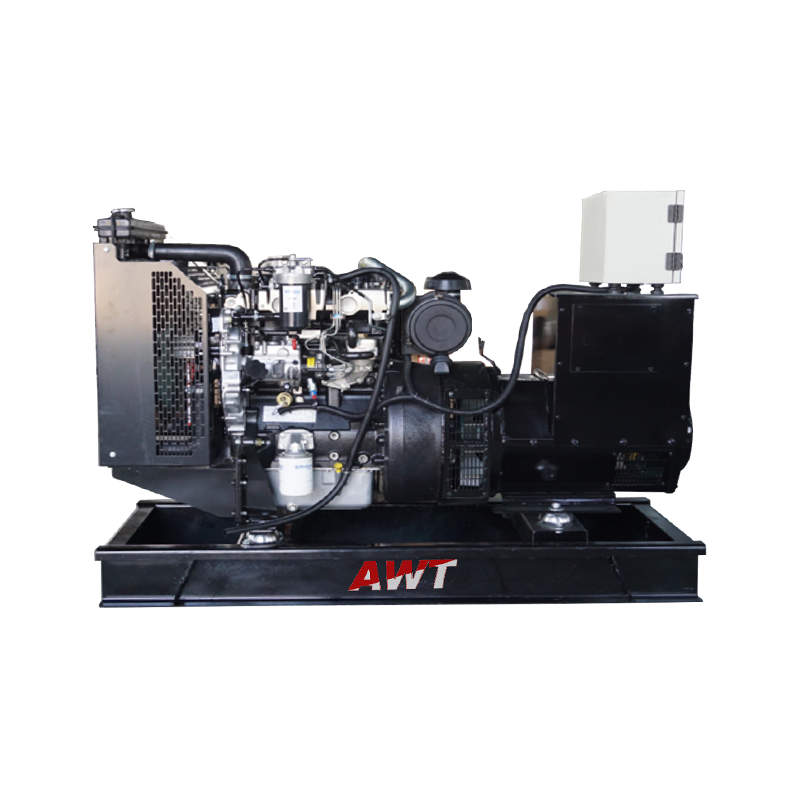
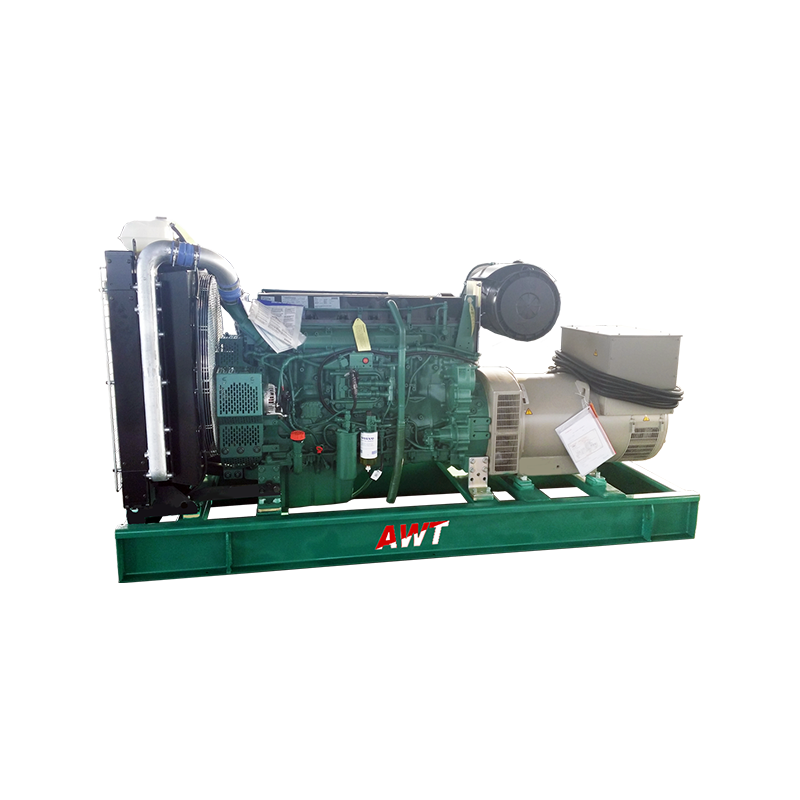
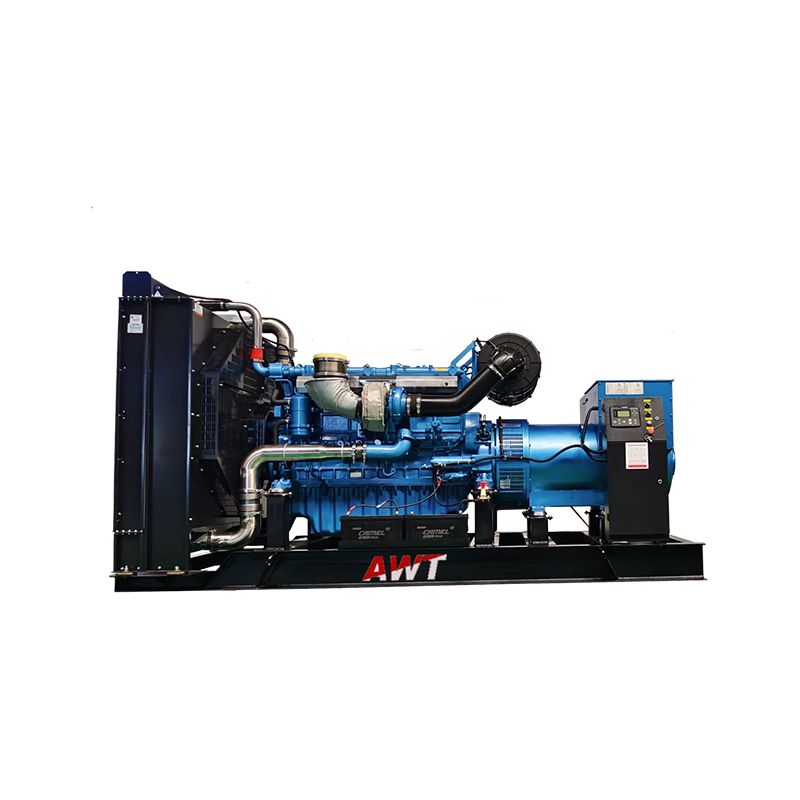
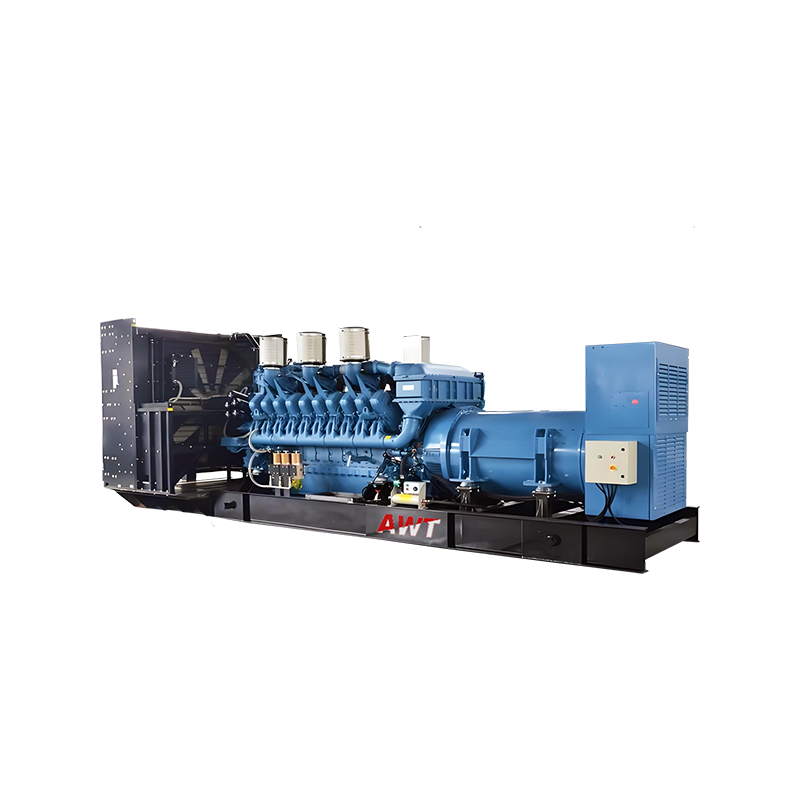
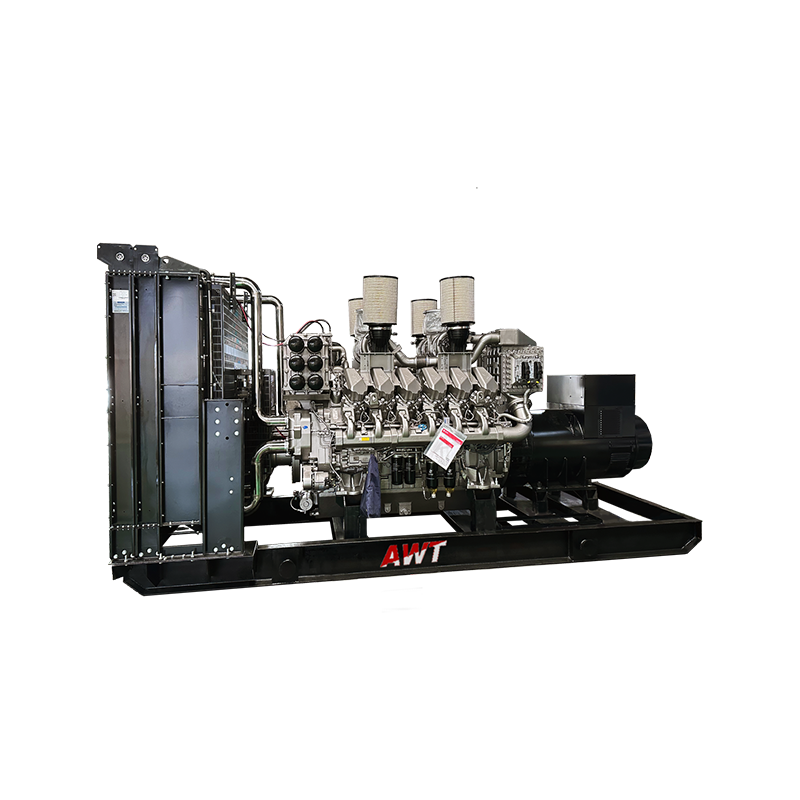
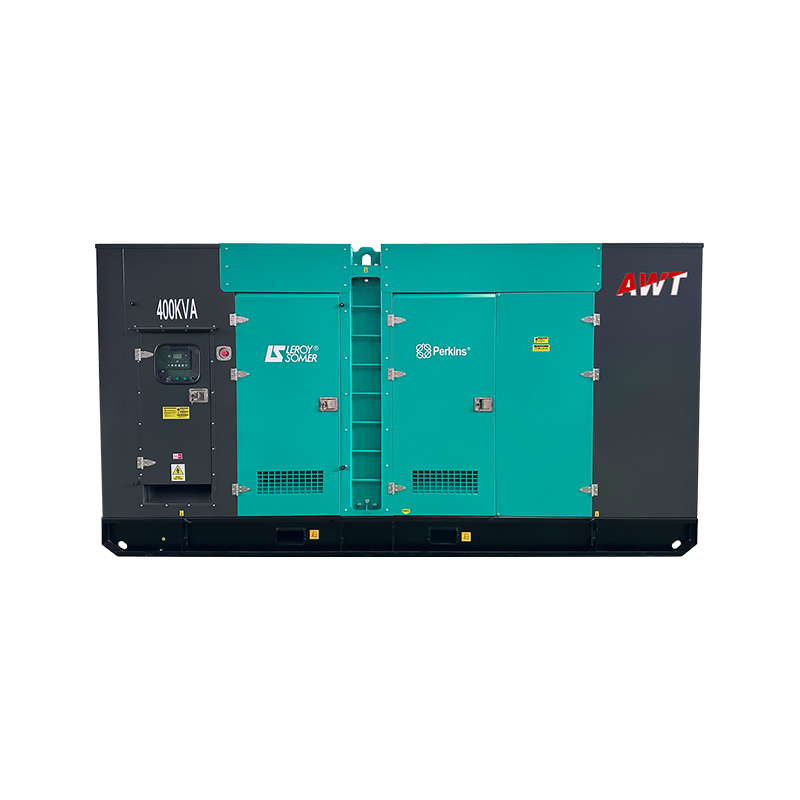
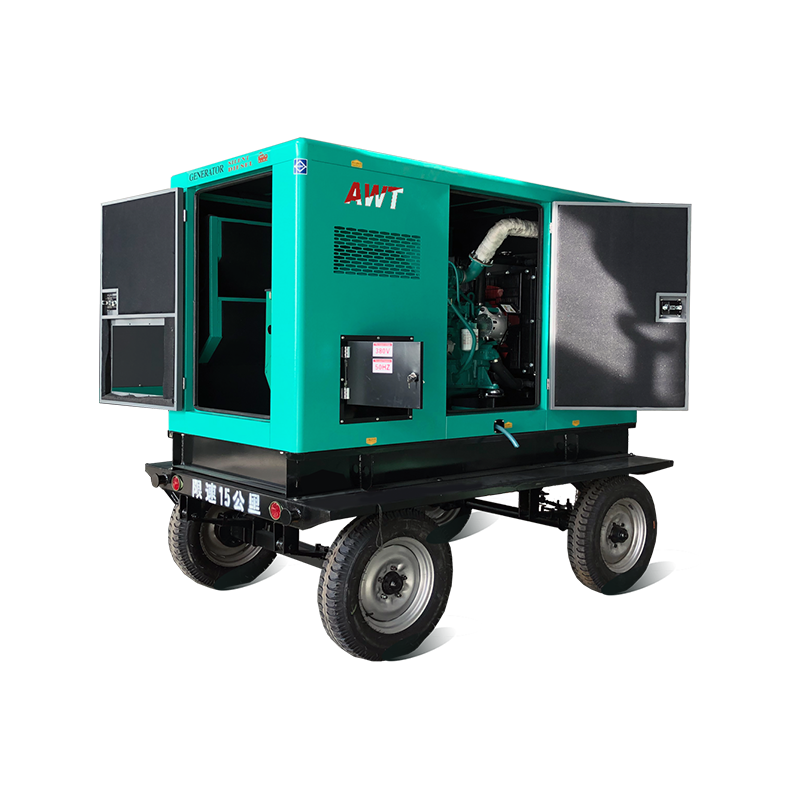
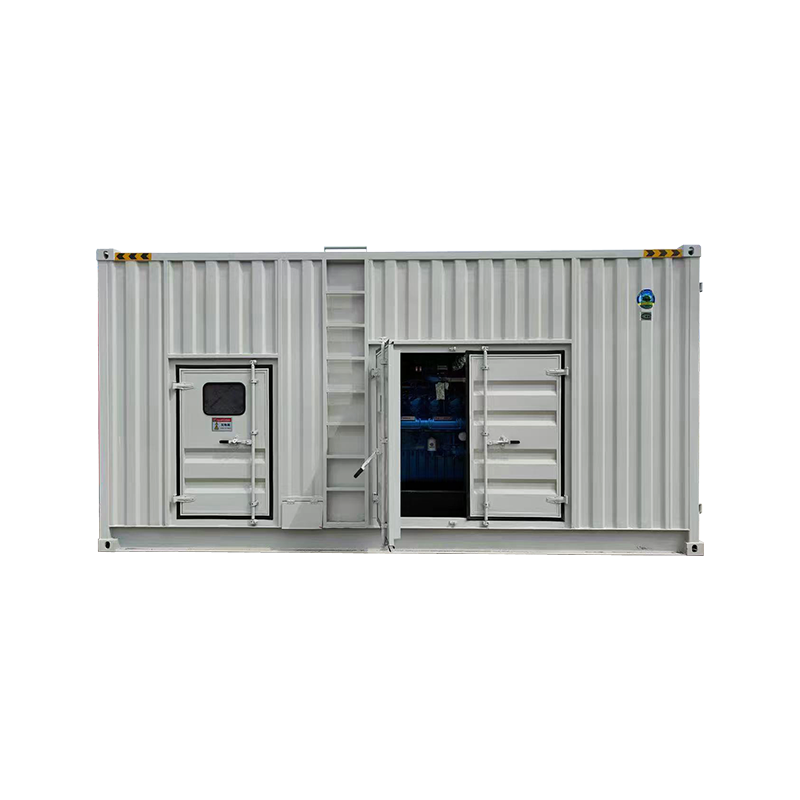
Three Phase Diesel Generator
A three phase diesel generator is a heavy-duty power source that couples a diesel engine to an alternator producing three distinct AC outputs with a 120-degree phase offset. This configuration delivers 400V line-to-line and 230V phase-to-neutral, supporting both industrial three-phase machinery and single-phase auxiliary loads from a single unit. The design provides higher power density than equivalent single-phase sets, with more stable voltage regulation under varying loads and reduced mechanical stress on the alternator windings. These generators are configured for either standby duty with short-term overload tolerance or prime power operation for continuous supply in locations without reliable grid access.
Core Advantages
| Power Density | A three phase generator delivers up to 1.5 times the usable power of a single-phase unit of comparable frame size, reducing footprint per kilowatt output. |
| Electrical Stability | Three separate windings produce overlapping output waveforms, resulting in smoother instantaneous power delivery and reduced vibration compared to single-phase alternators. |
| Load Compatibility | The three-phase four-wire configuration provides 400V for industrial motors and 230V for control circuits or lighting, eliminating the need for a separate single-phase set in mixed-load installations. |
| Duty Rating Flexibility | Standby-rated units tolerate short-duration overloads during grid failure, while prime-rated units sustain continuous variable loads for off-grid operations. |
Product Characteristics
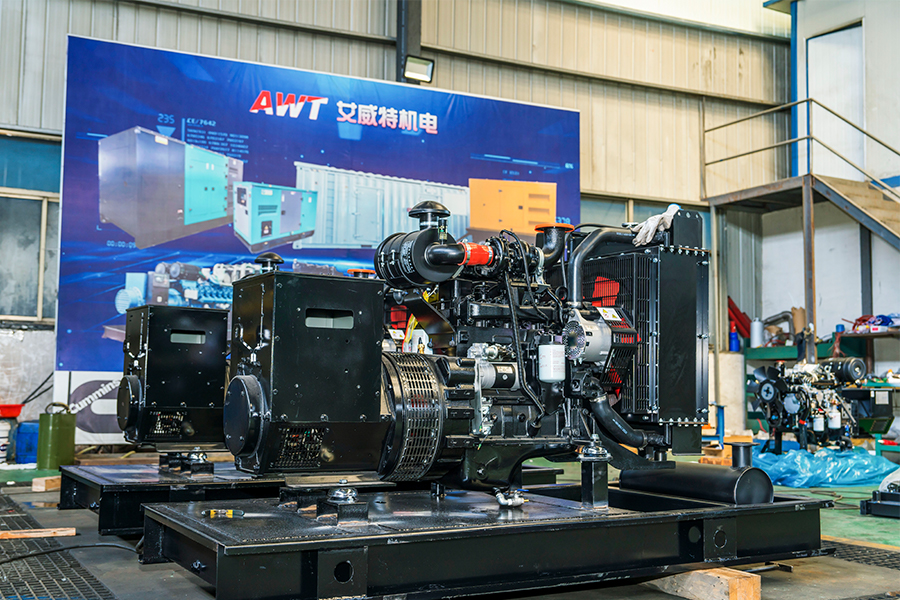
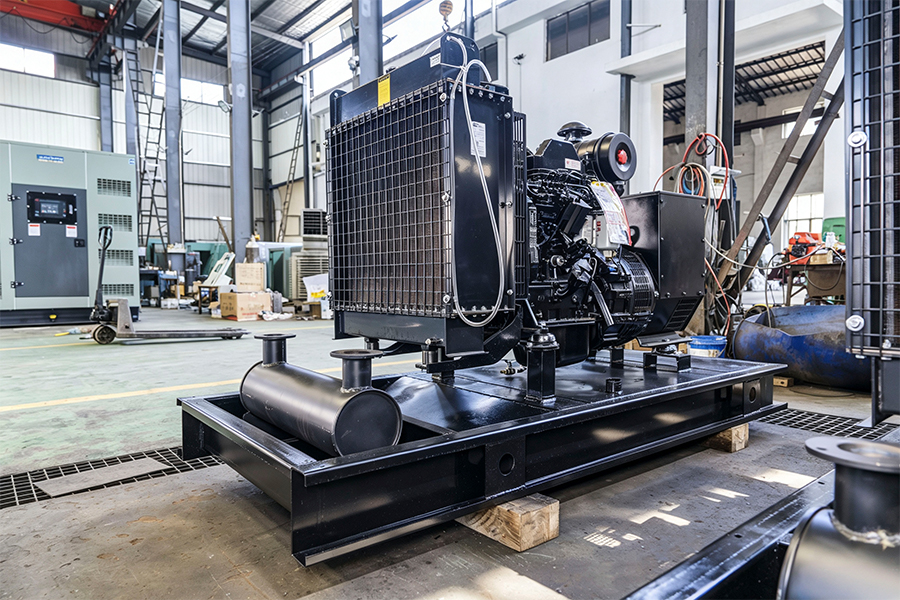
| Engine Configuration | Four-cycle water-cooled diesel engine, typically operating at 1500 rpm for 50Hz applications, with electronic or mechanical governor control. |
| Alternator | Brushless synchronous alternator with automatic voltage regulation (AVR), copper windings, and IP23 or higher ingress protection. |
| Control System | Integrated digital controller providing automatic start/stop, fault detection, and monitoring of voltage, frequency, current, and engine parameters. |
| Fuel System | Base-mounted or external fuel tank with lockable valves and bunded containment on select models to prevent leakage. |
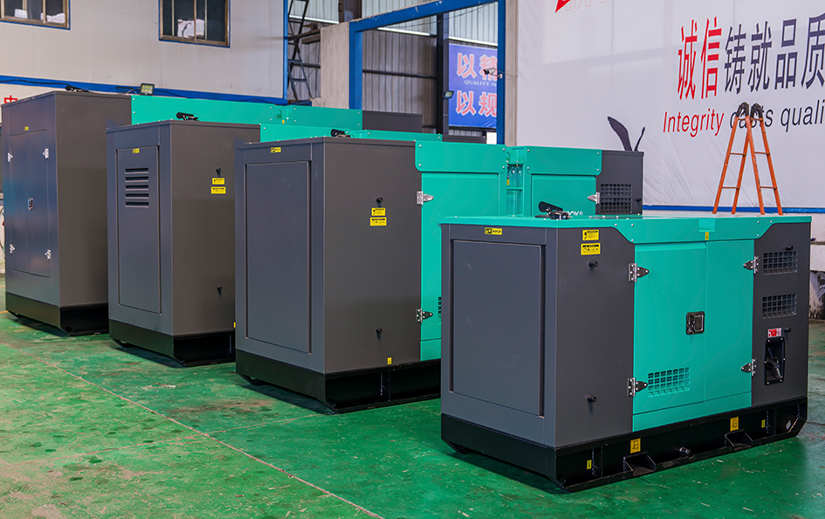
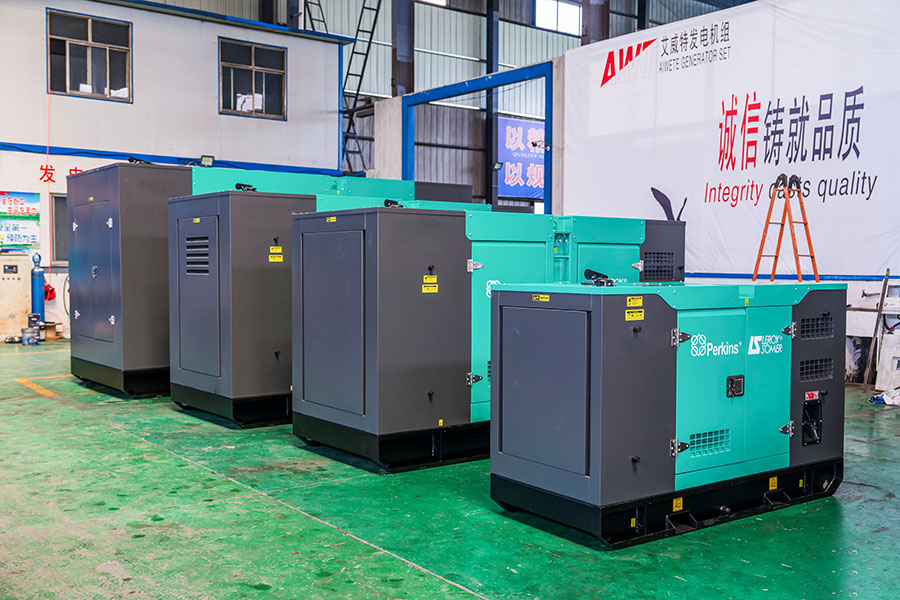
| Enclosure Options | Open skid-mounted configuration for indoor plant rooms, or weatherproof acoustic canopy for outdoor installation with noise attenuation to approximately 71–77 dB(A) at 1 meter. |
| Protection Features | Low oil pressure shutdown, high coolant temperature shutdown, overcurrent protection, and phase imbalance monitoring through the control panel. |
Application Scenarios
| Industrial Facilities | Provides standby power for manufacturing plants with three-phase motors, pumps, and production equipment requiring 400V supply during grid interruptions. |
| Commercial Buildings | Supports emergency loads including elevators, HVAC systems, fire pumps, and security infrastructure in offices, hospitals, and data centers. |
| Construction Sites | Delivers prime power for temporary installations where grid connection is unavailable, running tools, lighting towers, and dewatering pumps. |
| Telecommunications | Serves as backup power for remote cellular towers and switching stations requiring continuous operation during extended outages. |
| Agricultural Operations | Powers irrigation systems, grain drying equipment, and ventilation systems in locations with unreliable rural grid supply. |
Frequently Asked Questions
Can a three phase generator supply single-phase equipment?
Yes, 230V can be drawn between any one phase and neutral. However, the load must be distributed across all three phases to prevent phase imbalance. Excessive load on one phase relative to the others can cause alternator overheating, breaker tripping, and reduced service life. As a general rule, the current difference between phases should remain within the control panel protection threshold, often around 20–50% depending on the model.
What is the difference between standby and prime power ratings?
Standby power is the maximum output available during grid failure for the duration of the outage, typically limited to a few hundred hours per year and not permitting sustained overload. Prime power is the continuous output available under varying load for unlimited hours, commonly used where the generator is the primary source. A unit rated for standby service will have a lower prime rating, often 10% less, reflecting the reduced duty cycle.
What maintenance intervals apply to a three phase diesel generator?
Routine service typically includes oil and filter changes at 250–500 hour intervals, coolant checks at each startup, and annual inspection of the alternator windings and control connections. Standby units require periodic load testing to confirm the engine and alternator reach operating temperature and that the automatic transfer switch functions correctly. Air filters and fuel filters should be replaced according to the engine manufacturer schedule or sooner in dusty environments.
Installation and Operational Notes
| Neutral Connection | The neutral conductor in a three-phase four-wire system must not be fused or switched, as disconnection under load can cause voltage shifts that damage connected equipment. |
| Phase Balance | Single-phase loads should be distributed evenly across L1, L2, and L3. Persistent imbalance can derate the generator's effective capacity and accelerate alternator wear. |
| Earthing | Installation must follow local earthing regulations. For standby applications connected to a building's electrical system, the neutral-earth bond configuration must be coordinated with the transfer switch to avoid parallel neutral paths. |
| Ventilation | Indoor installations require adequate combustion air intake and exhaust discharge to prevent overheating and carbon monoxide accumulation. Canopy-mounted units require unobstructed air paths at the intake and radiator discharge. |