English
 Français
 Español
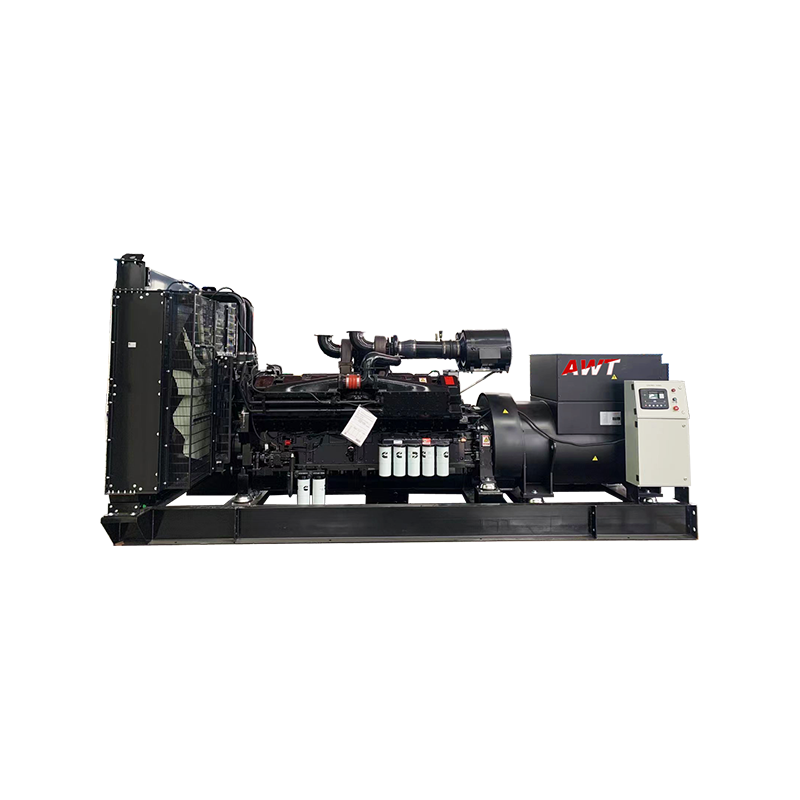
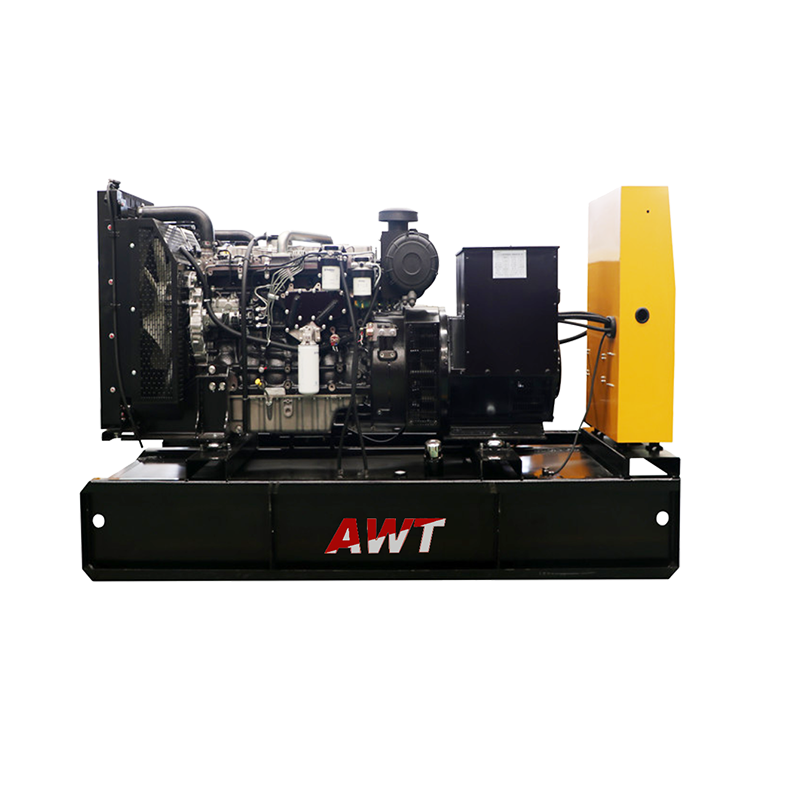
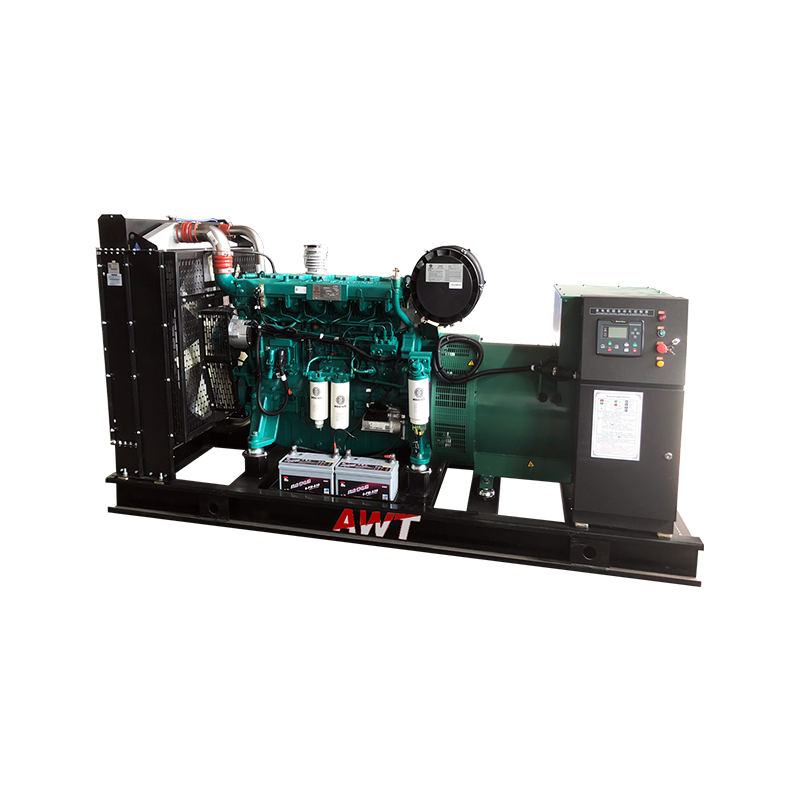
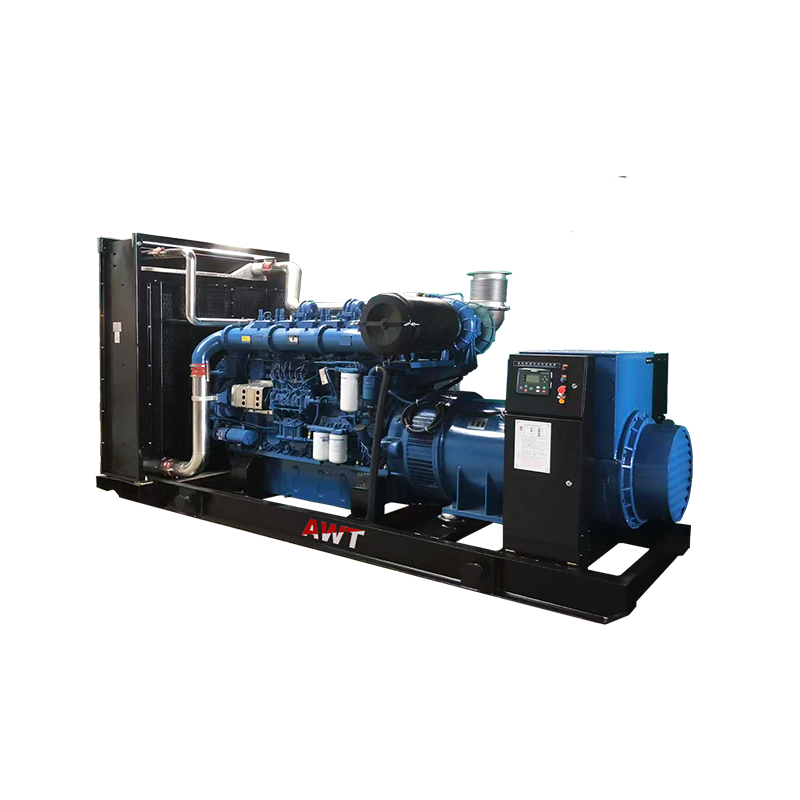
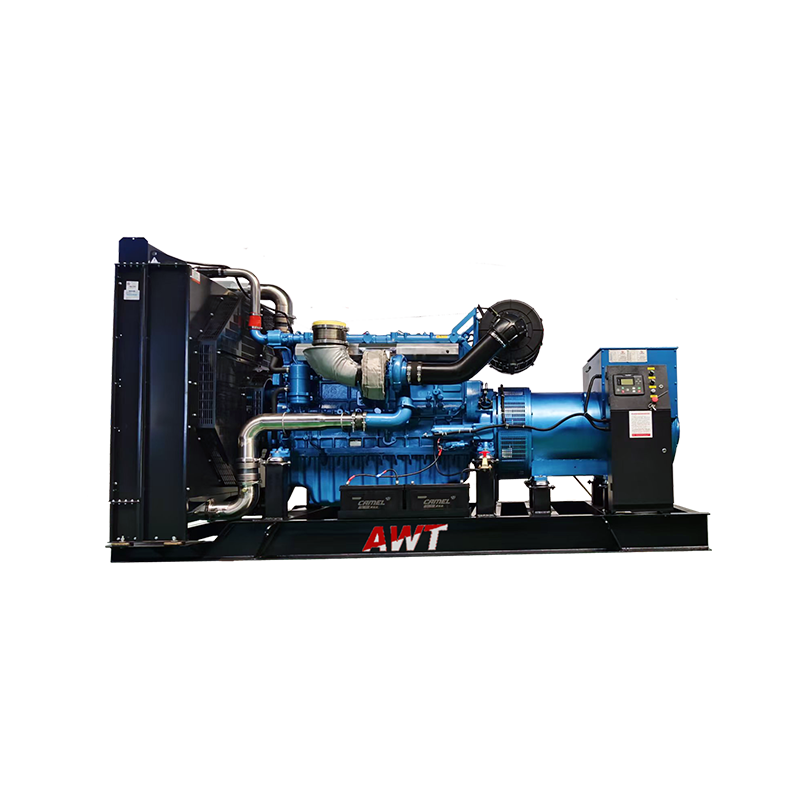
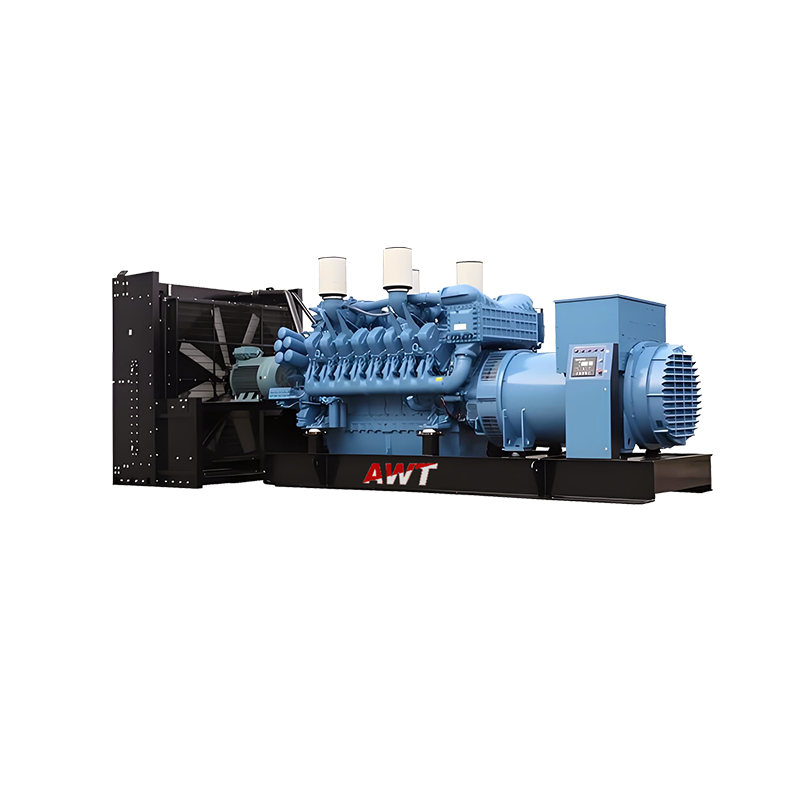
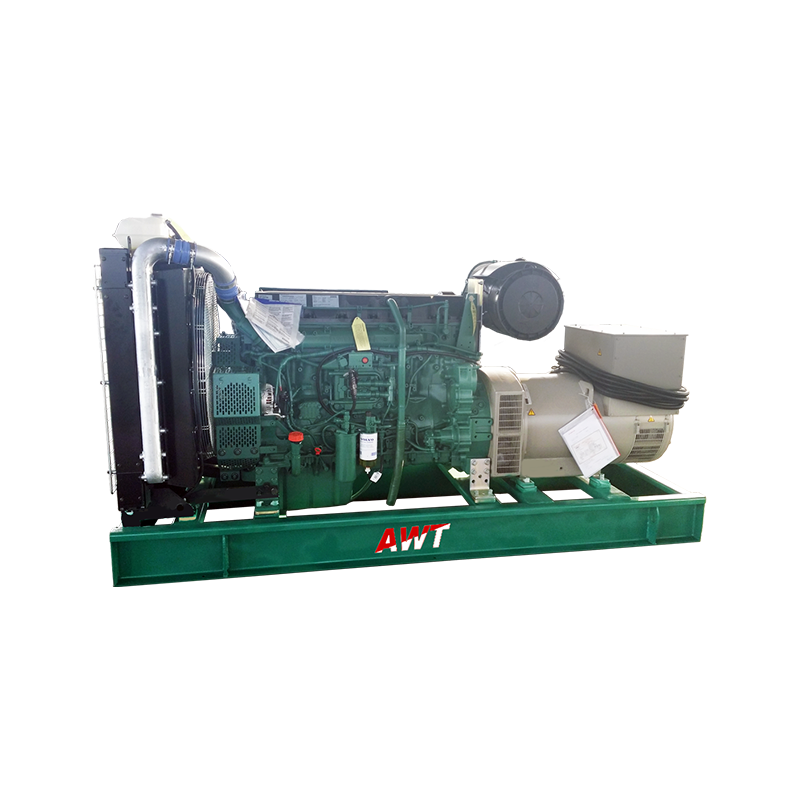
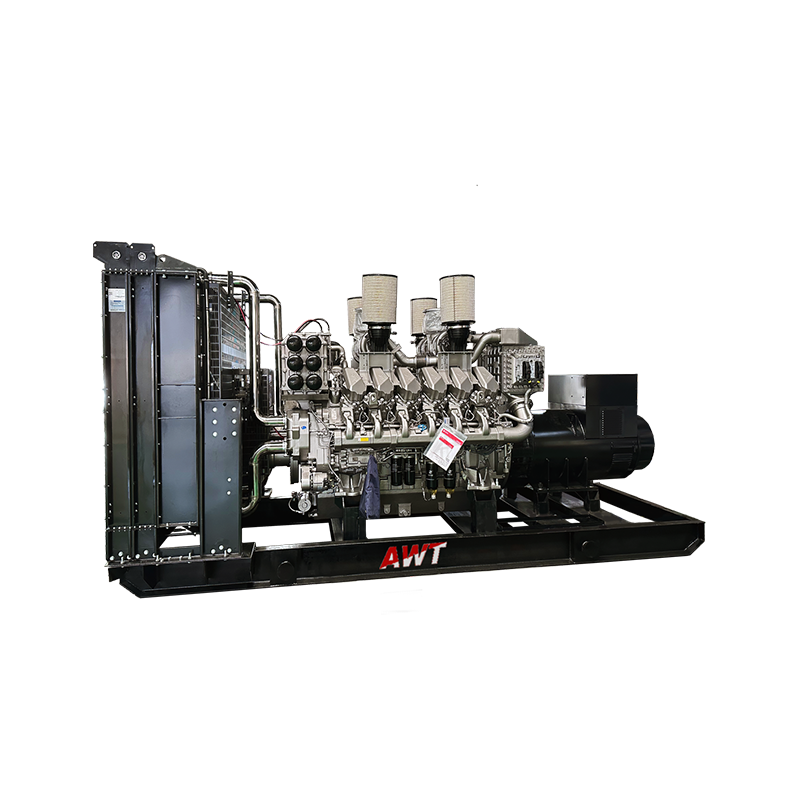
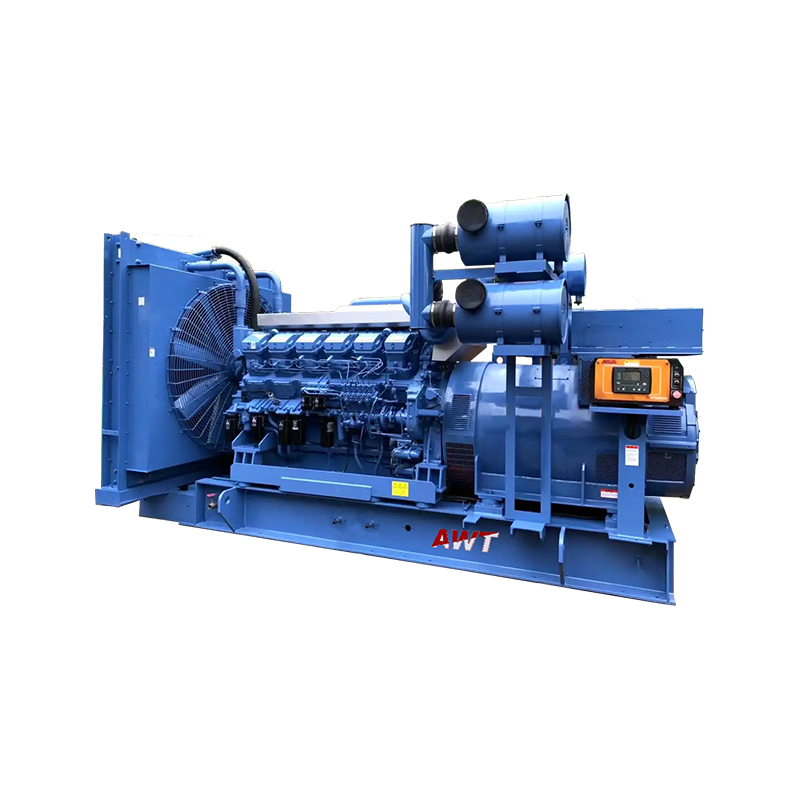
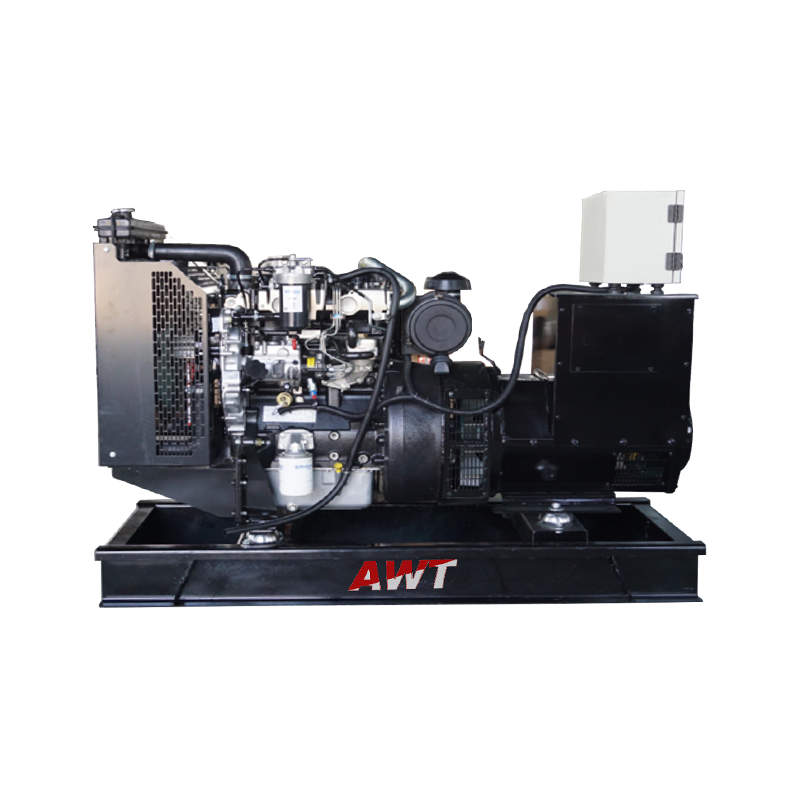
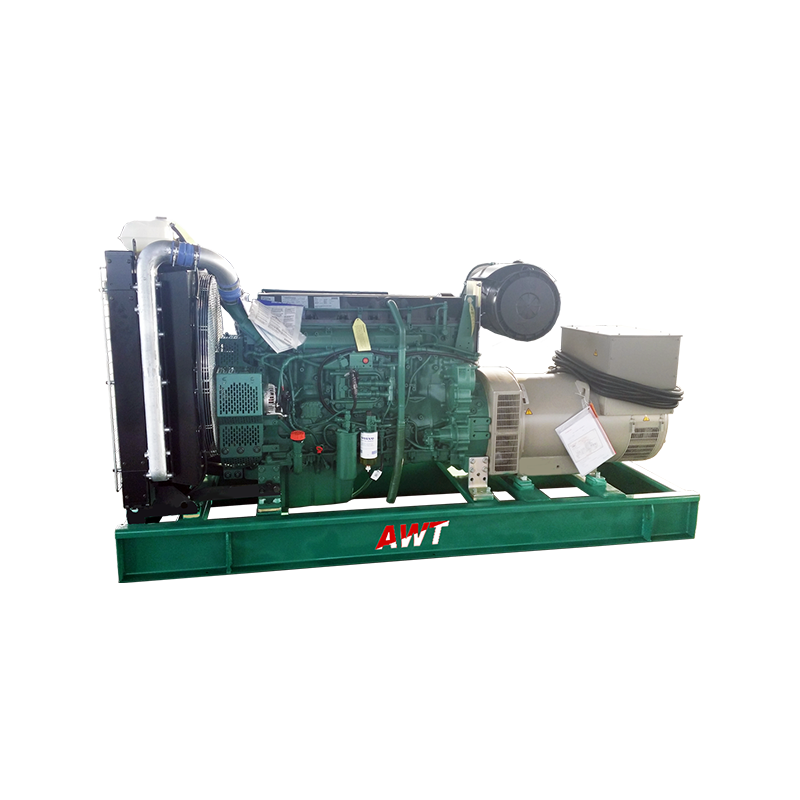
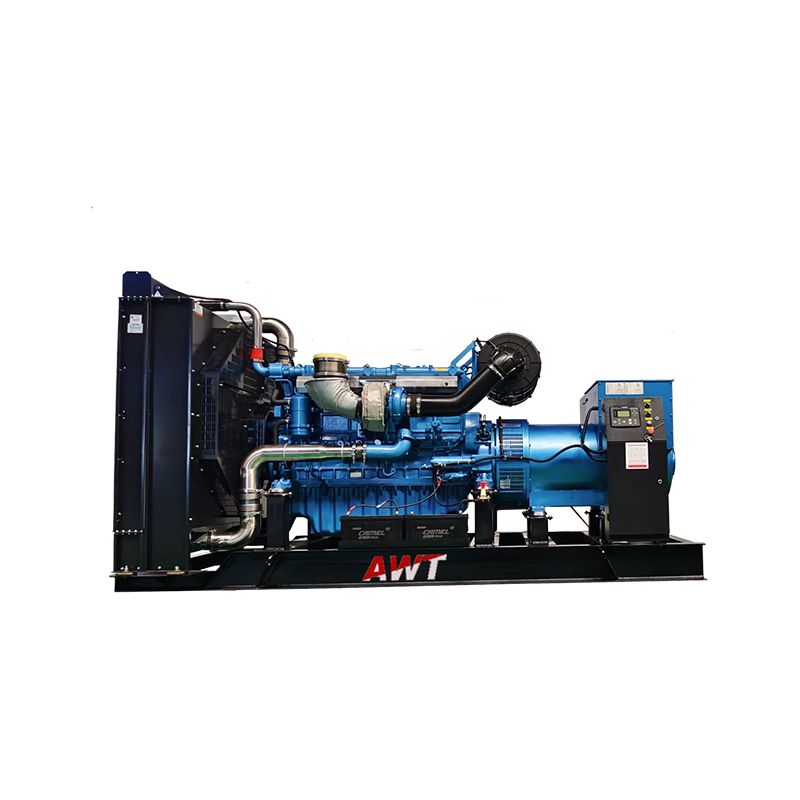
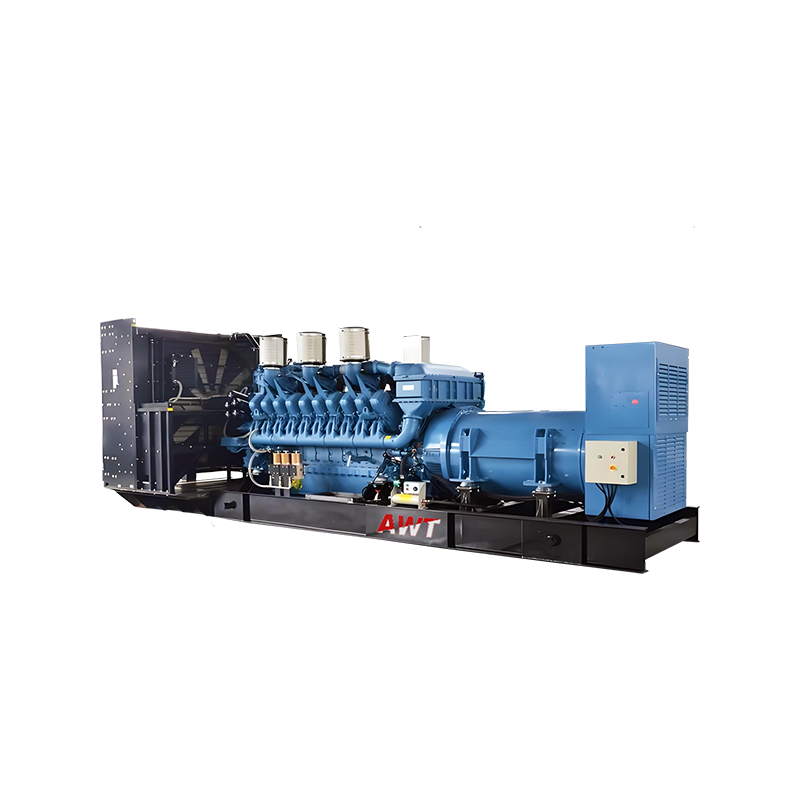
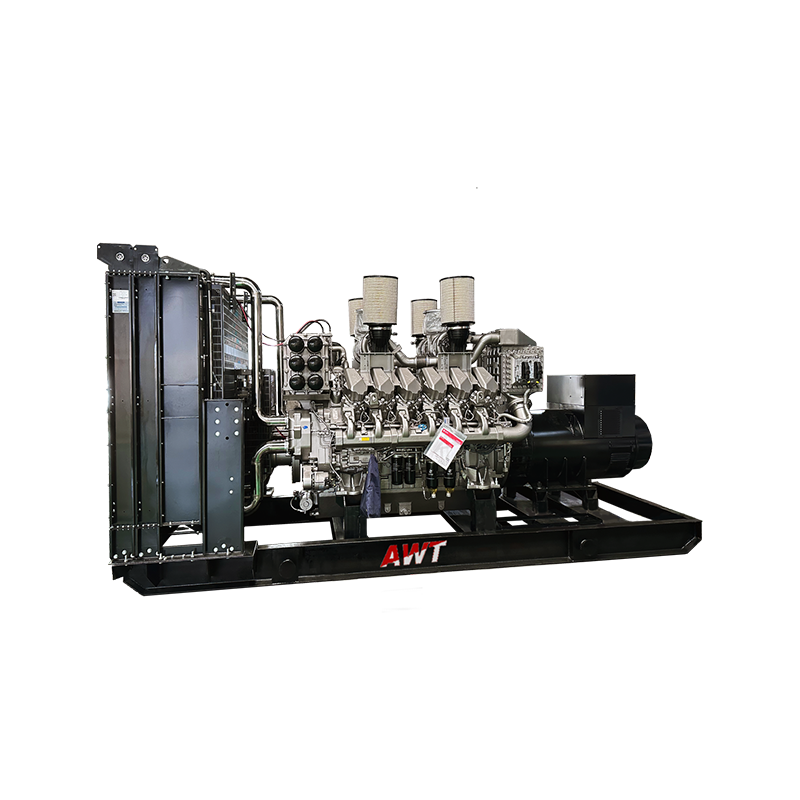
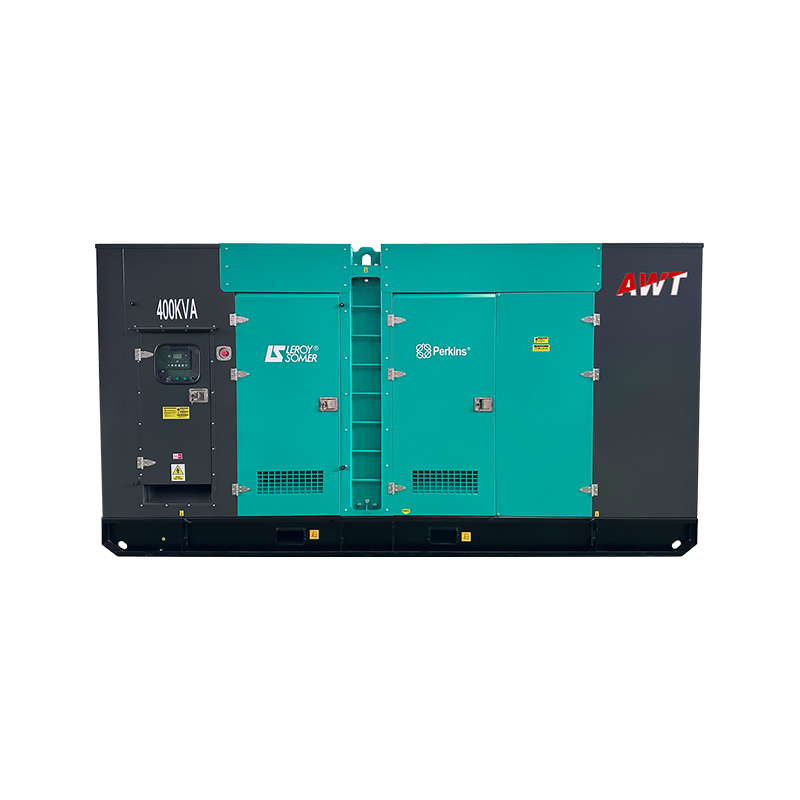
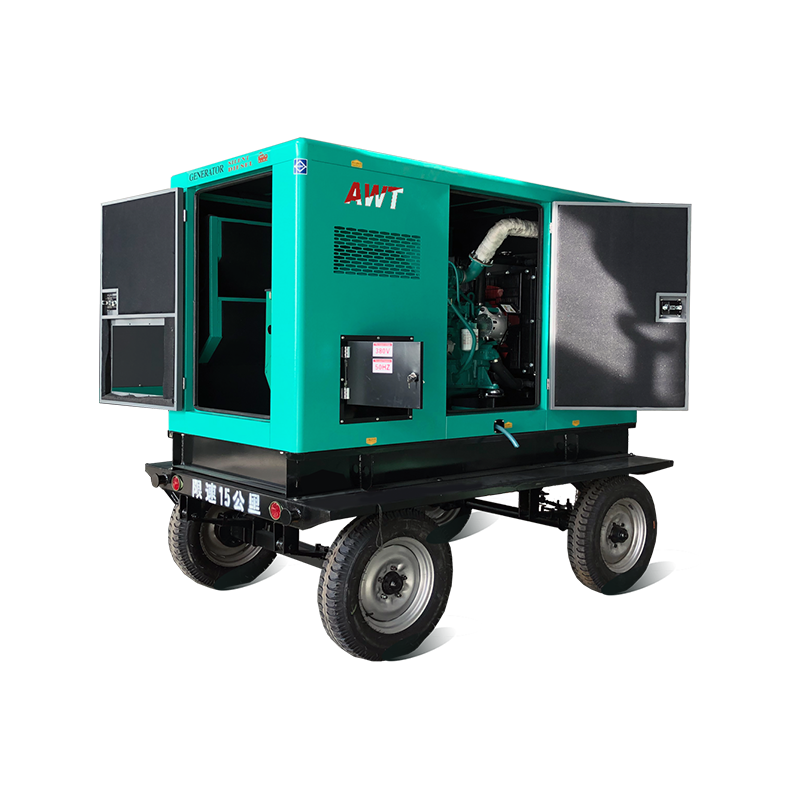
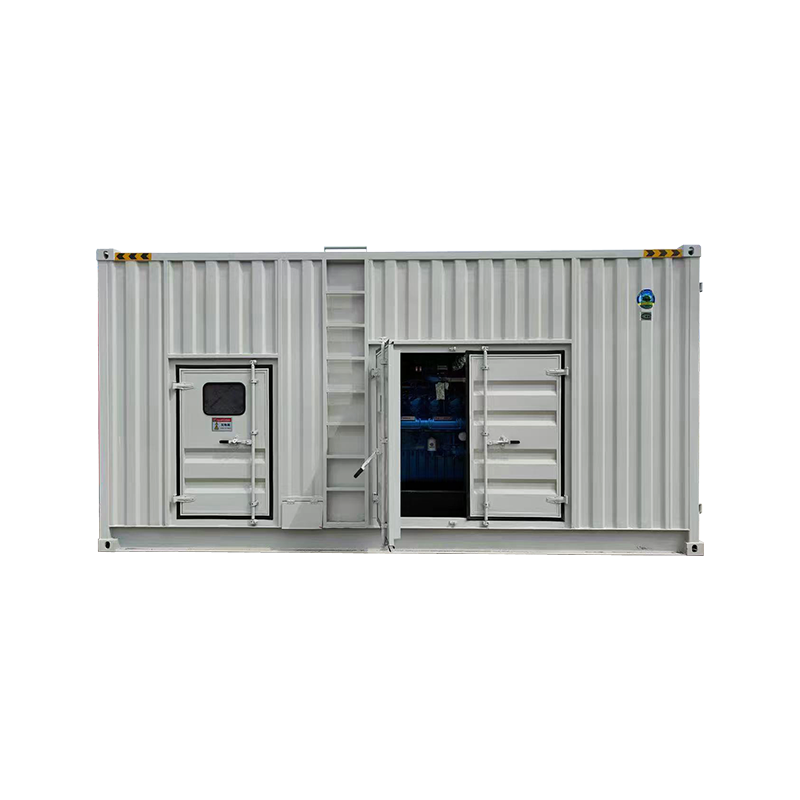
Open Type Diesel Generator Set
An open type diesel generator set is designed for stationary power generation in industrial facilities, commercial buildings, construction projects, and other locations with suitable installation space.
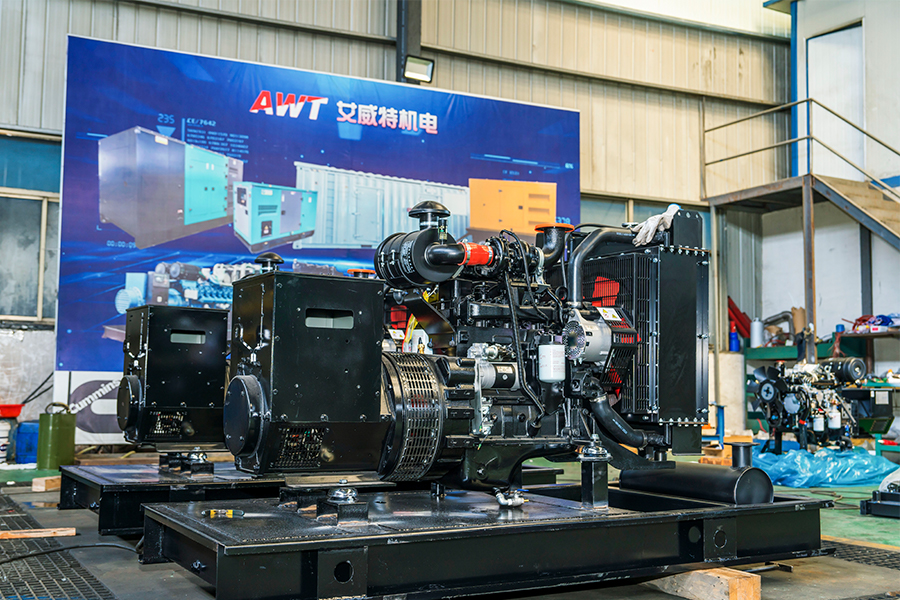
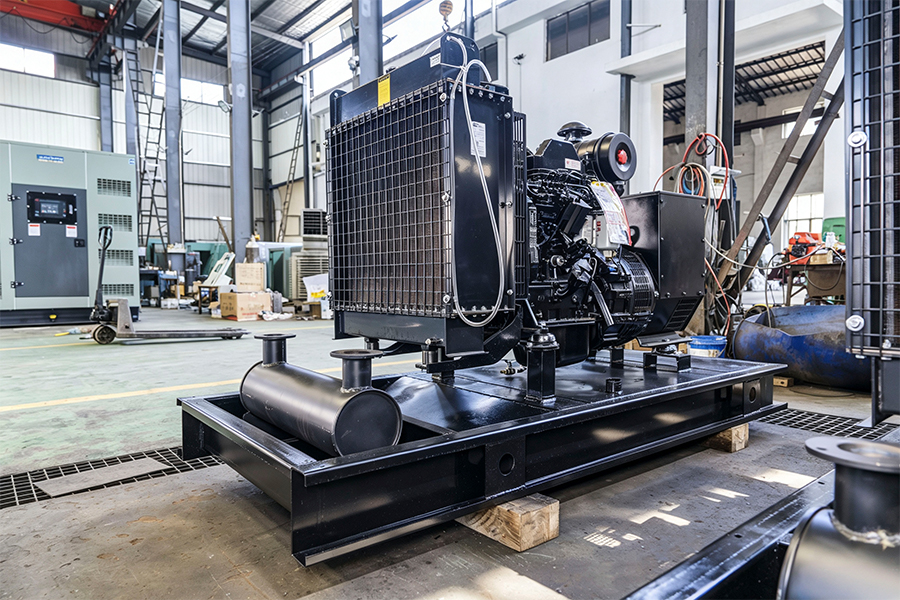
The unit integrates a diesel engine, AC alternator, control panel, cooling system, fuel supply components, and a supporting base frame. Unlike enclosed generator models, its main components remain exposed without an integrated sound-attenuating canopy. This arrangement provides direct access to key components for inspection, servicing, and maintenance.
Open type diesel generator sets are commonly installed in dedicated generator rooms, industrial power stations, and sheltered equipment areas. Buyers should evaluate rated output, voltage, frequency, engine performance, ventilation capacity, exhaust arrangements, noise restrictions, and installation conditions before selecting a model.
What Defines an Open Type Diesel Generator Set?
Its open structural design determines installation requirements, maintenance access, and noise management considerations.
Open Frame Construction
An open type diesel generator set is assembled on a rigid base frame, with the engine, alternator, and auxiliary systems installed in an accessible configuration. It does not include the fully enclosed acoustic canopy commonly found on silent diesel generator sets.
This structure allows technicians to inspect mechanical connections, service filters, check fluid levels, and access electrical components more directly. It can also simplify equipment installation in purpose-built generator rooms where ventilation, exhaust discharge, and sound insulation are provided by the building or a separate engineering system.
Exposed equipment structure with direct maintenance access. Requires suitable external noise and environmental protection.
Uses a protective enclosure, which may incorporate acoustic treatment and weather protection depending on the design.
Main Components and Their Functions
The generator set combines mechanical, electrical, cooling, and control components into one power generation system.
Integrated Power Generation Assembly
Component selection affects electrical output, fuel consumption, operating stability, maintenance requirements, and equipment service life.
Diesel Engine
Supplies mechanical power to drive the alternator. Important considerations include rated power, engine speed, cooling method, fuel consumption, and operating duty.
AC Alternator
Converts mechanical energy into electrical energy. Its specifications determine output voltage, frequency, phase configuration, and rated electrical capacity.
Control Panel
Provides operating controls and parameter monitoring. Depending on the model, it may include voltage, frequency, current, temperature, and fault alarm displays.
Radiator and Cooling System
Removes engine heat during operation. Radiator capacity and airflow arrangements should match the engine specification and installation environment.
Fuel Supply System
Stores or receives diesel fuel and supplies it to the engine. The configuration may include a base fuel tank, external tank connection, filters, and fuel lines.
Base Frame and Vibration Isolation
Supports the engine and alternator assembly. Mounting arrangements and vibration isolators help manage mechanical vibration transmitted to the installation foundation.
Exhaust System
Directs engine exhaust gases away from the equipment and occupied areas. Exhaust routing, insulation, back pressure, and discharge location require engineering consideration.
Key Advantages of Open Type Diesel Generator Sets
The open frame configuration is particularly relevant when equipment accessibility and integration with existing facilities are priorities.
Direct Component Access
Exposed components allow maintenance personnel to reach filters, connections, engine parts, and electrical assemblies without removing a complete acoustic enclosure.
Flexible Installation Integration
The generator can be integrated into a dedicated power room or existing industrial facility with separately designed ventilation, exhaust, and noise-control systems.
Simplified Equipment Inspection
The visible structural arrangement helps technicians inspect equipment conditions, identify leakage, and check mechanical or electrical connections.
Configuration Flexibility
Generator capacity, electrical output, control functions, fuel arrangements, and auxiliary equipment can be specified according to project requirements.
Installation Requirements and Operating Conditions
Open type generator sets require an appropriate installation environment because the equipment is not fully enclosed.
Ventilation and Airflow
Provide sufficient fresh air for engine combustion and cooling. The room layout should allow radiator discharge air to leave the space without recirculating into the generator cooling system.
Exhaust Gas Discharge
Route exhaust gases safely to the outdoors. Exhaust piping should account for back pressure, thermal expansion, insulation, and separation from air intakes.
Noise Management
Open type units do not provide the same integrated acoustic enclosure as silent models. Generator room treatment or separate noise-control measures may be required.
Foundation and Vibration
Install the generator on a suitably designed foundation with appropriate vibration isolation, load-bearing capacity, and access for inspection.
Environmental Protection
Protect the equipment from rain, excessive dust, moisture, corrosive substances, and other environmental conditions outside its specified operating limits.
Maintenance Clearance
Allow sufficient working space around the generator for routine servicing, component replacement, lifting operations, and safe access to control equipment.
Applications Across Industrial and Commercial Sectors
Open type diesel generator sets are used where a dedicated equipment space or separate protective structure is available.
Manufacturing Plants
Provides standby or prime power for selected production equipment, auxiliary systems, workshops, and facility services.
Commercial and Office Facilities
Supports backup electricity for designated building systems, lighting, communications equipment, and other critical loads.
Construction Projects
Supplies electricity for temporary site facilities, construction machinery, pumps, and worksite electrical distribution systems.
Power and Utility Facilities
Provides auxiliary or standby electricity for selected equipment and supporting systems at utility and energy infrastructure sites.
Data Centers and Communication Facilities
Can serve as part of a backup power system for designated loads when integrated with suitable transfer, distribution, and protection equipment.
Agricultural Processing Facilities
Supports selected electrical loads for processing equipment, pumping systems, storage facilities, and farm infrastructure.
Open Type Diesel Generator Set Specifications
Use the following technical categories to define the required generator configuration.
Exact values vary by generator model, engine selection, alternator configuration, and operating duty. Confirm the final specifications with the manufacturer's datasheet.
| Specification | Selection Considerations | Project Requirements |
|---|---|---|
| Rated Power | Prime power or standby power rating in kW or kVA. | Based on total connected load and operating duty. |
| Engine Brand and Model | Engine power, rated speed, fuel consumption, and service support. | Subject to the selected generator configuration. |
| Alternator | Rated capacity, insulation class, voltage regulation, and protection. | Matched to the required electrical output. |
| Voltage | Rated output voltage and allowable voltage variation. | According to the local power system. |
| Frequency | 50 Hz or 60 Hz. | According to local electrical standards and connected equipment. |
| Phase | Single-phase or three-phase output. | Based on the load distribution. |
| Cooling Method | Radiator cooling or other specified cooling arrangement. | Based on engine design and ambient conditions. |
| Fuel System | Base tank, external tank, fuel supply, and expected runtime. | Based on operating hours and site fuel arrangements. |
| Control System | Manual or automatic operation, monitoring, alarms, and protection. | Based on operation and facility integration needs. |
| Installation Dimensions | Overall dimensions, weight, lifting points, and service clearance. | Must match the generator room and transportation conditions. |
Open Type vs Silent Diesel Generator Set
The main difference is the equipment enclosure and its impact on installation and noise management.
Open Frame Generator
- Exposed engine and alternator assembly
- Direct access to components
- Requires separate noise management
- Requires suitable environmental protection
- Suitable for dedicated generator rooms
Enclosed Generator
- Protective enclosure around the generator
- Acoustic treatment may be integrated
- Noise control is part of the enclosure design
- Weather protection depends on enclosure rating
- Suitable for installations requiring an enclosure
Neither configuration is universally suitable for every project. Selection should consider site layout, noise limits, environmental exposure, maintenance access, and total installation requirements.
Frequently Asked Questions
Technical and purchasing questions about open frame diesel generator equipment.
What is an open type diesel generator set?
An open type diesel generator set is a diesel-powered generator with an exposed engine and alternator assembly mounted on a base frame. It does not have an integrated sound-attenuating enclosure and is generally installed in a suitable generator room or protected equipment area.
What are the advantages of an open type generator?
Its main advantages include direct access to components, convenient inspection, and flexibility when integrating the generator into a dedicated power room. It can also allow separate design of ventilation, exhaust, and acoustic systems.
Does an open type diesel generator require a generator room?
Not every installation uses a conventional indoor generator room, but the equipment needs suitable protection from environmental exposure. The installation must provide adequate ventilation, safe exhaust discharge, noise management, and access for operation and maintenance.
Is an open type diesel generator louder than a silent generator?
Generally, an open type unit produces more audible engine and mechanical noise because it lacks an integrated acoustic enclosure. Actual noise levels depend on the engine, alternator, exhaust system, load, and installation environment.
Can an open type generator be used outdoors?
Standard open frame configurations are not necessarily designed for direct exposure to rain, dust, or harsh weather. Outdoor use requires an appropriate shelter or a specifically engineered protective arrangement confirmed by the manufacturer.
How do I choose the right generator capacity?
Determine the total operating load, motor starting requirements, power factor, load variation, and required operating duty. The generator rating should be selected according to the engine and alternator specifications and the expected site conditions.
Can an open type diesel generator be customized?
Depending on the manufacturer's production capabilities, customization may cover rated output, voltage, frequency, engine and alternator selection, control panel functions, fuel tank arrangement, and auxiliary equipment. Confirm available options during technical evaluation.
What information is needed for an open type generator quotation?
Provide the required power rating, voltage, frequency, phase, load profile, operating duty, installation environment, fuel requirements, control functions, and any applicable noise or project standards. This information helps the supplier prepare a suitable technical proposal.
Open Type Diesel Generator Sets for Industrial Power Systems
Open type diesel generator sets provide a practical configuration for stationary power generation where direct component access and integration with dedicated equipment facilities are required. Proper selection involves matching generator capacity and electrical output with the operating load, while planning ventilation, exhaust discharge, noise control, and maintenance access at the installation site.