English
 Français
 Español
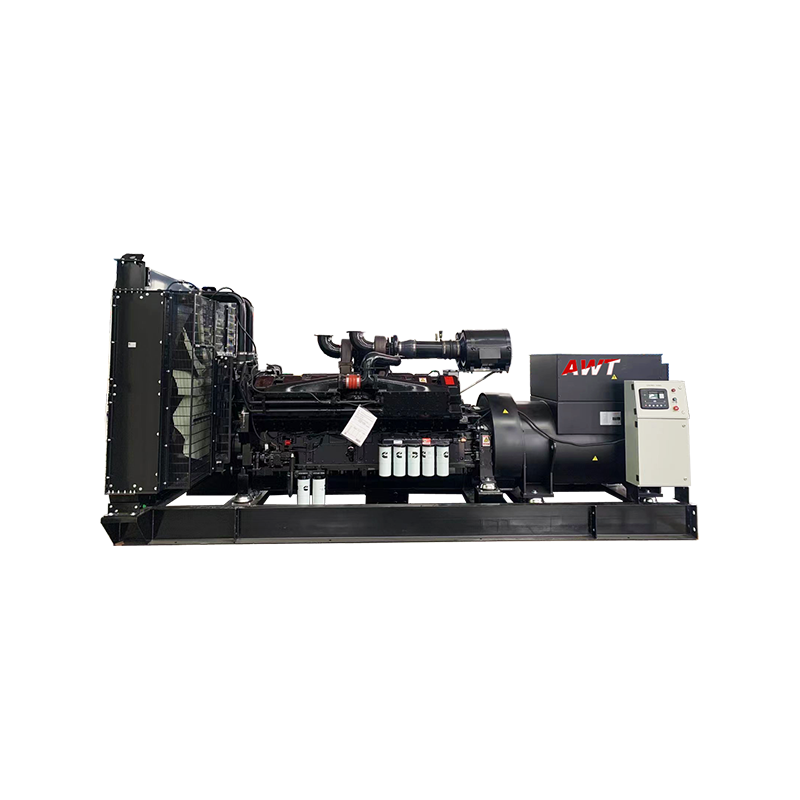
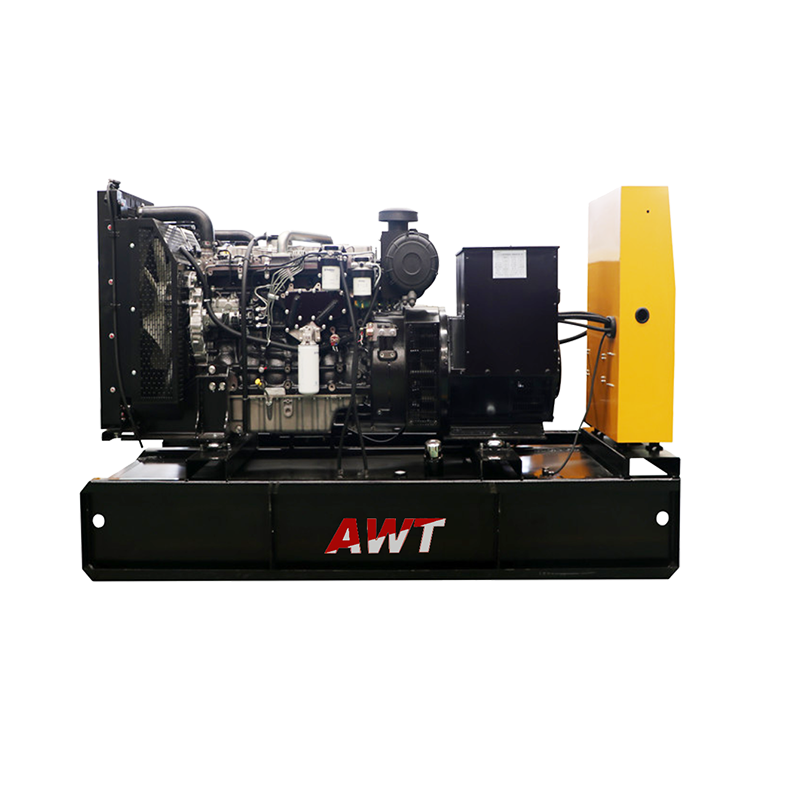
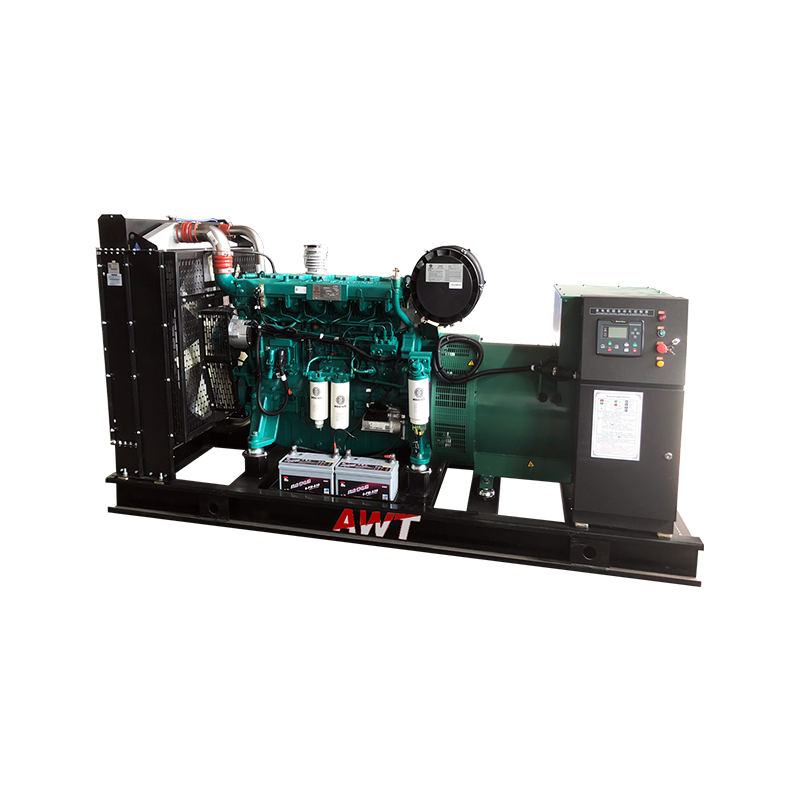
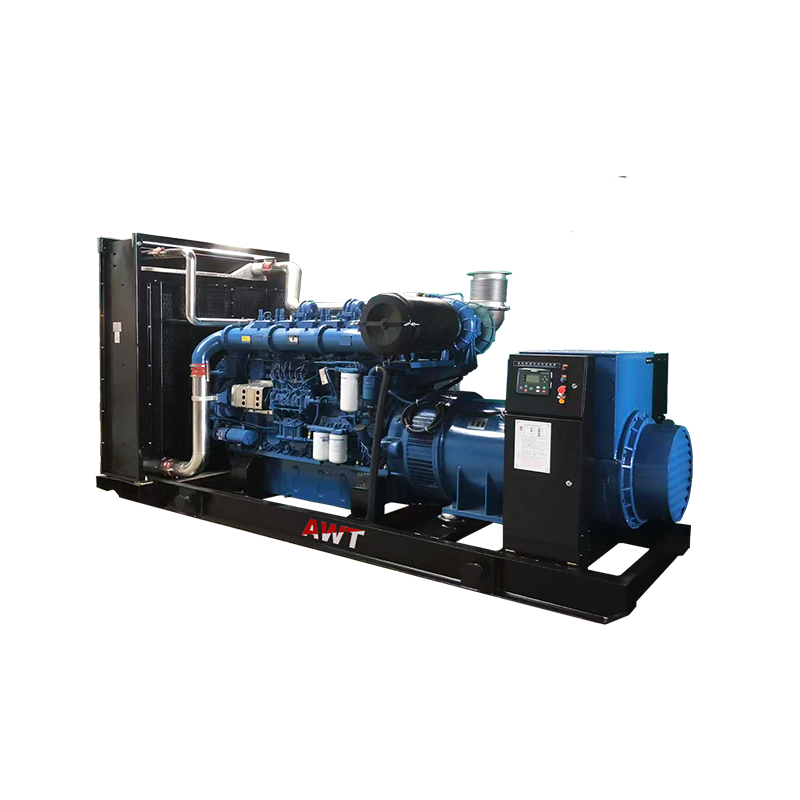
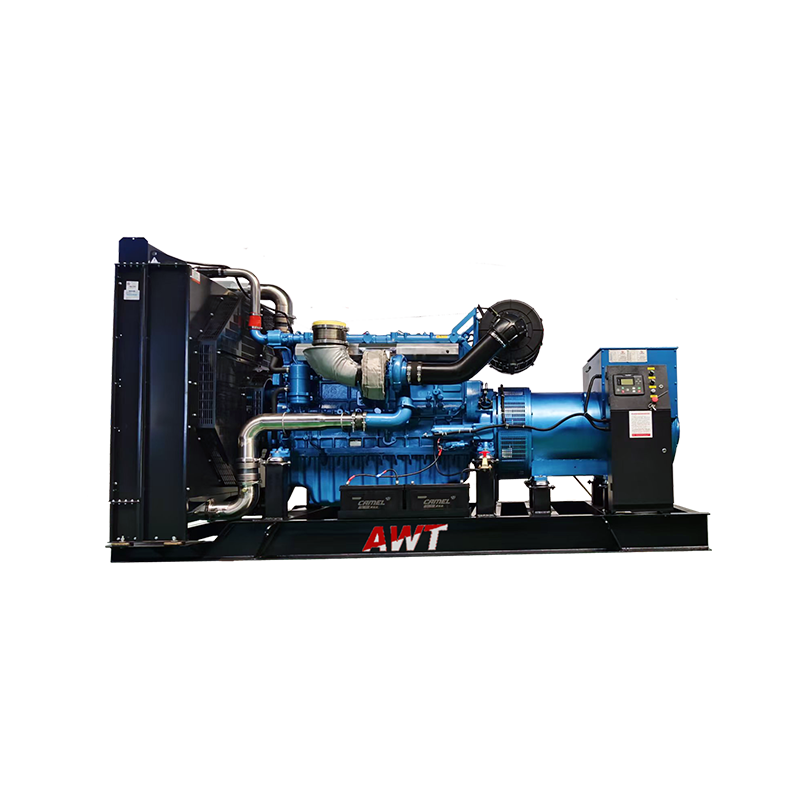
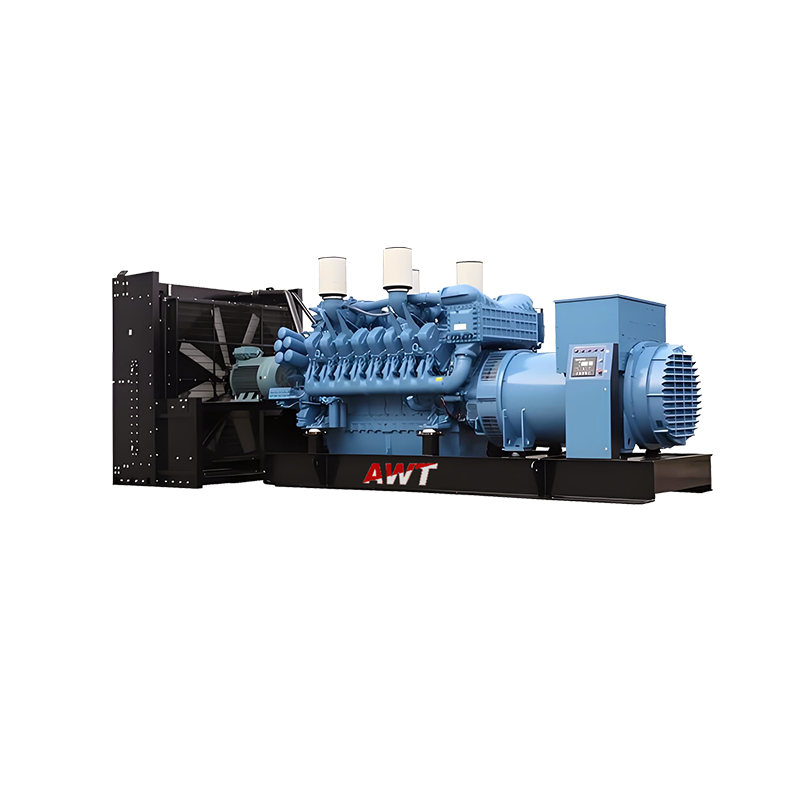
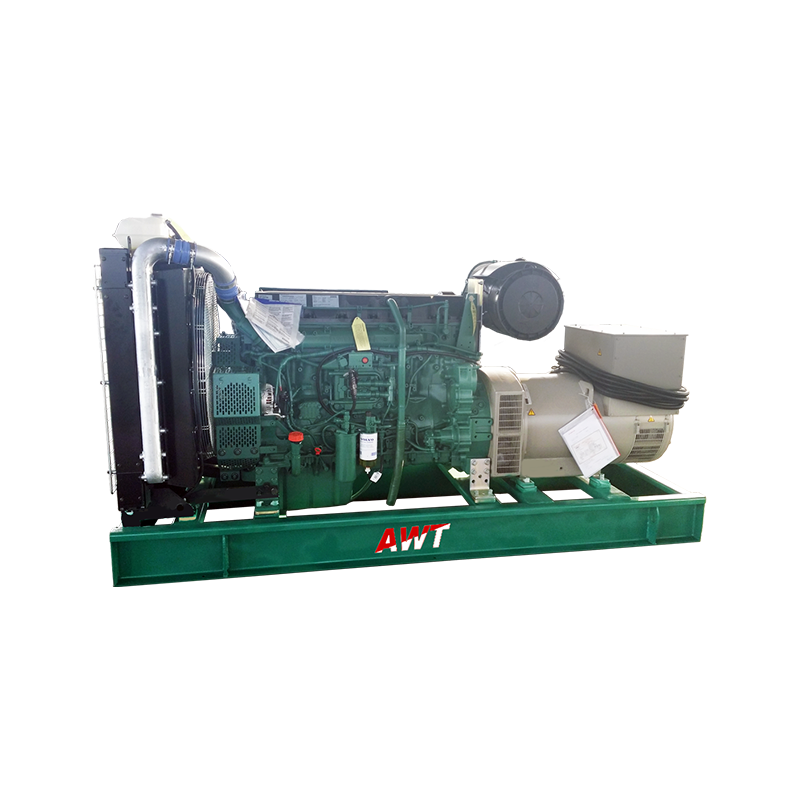
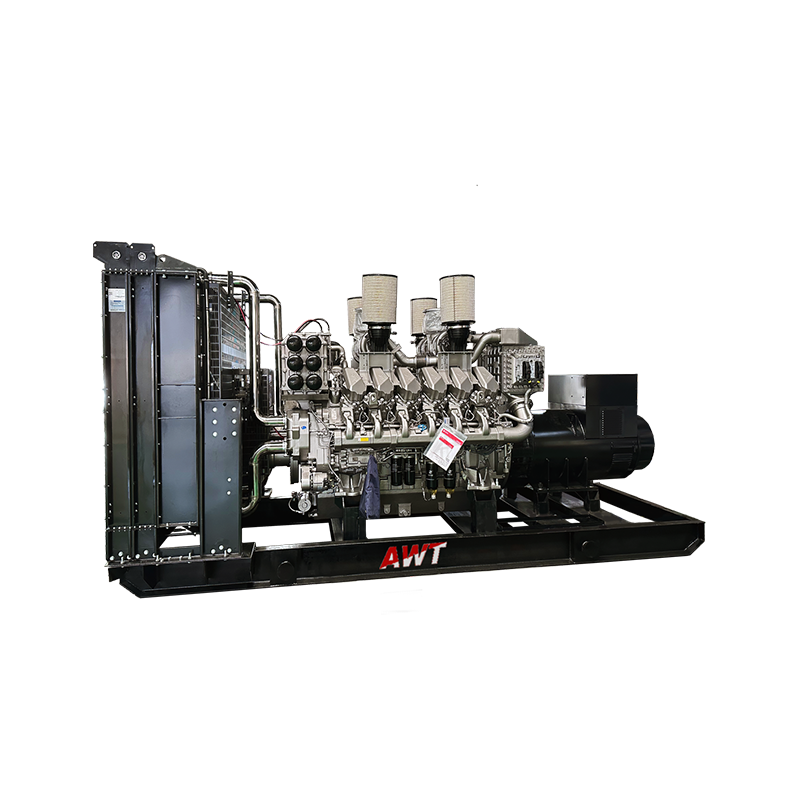
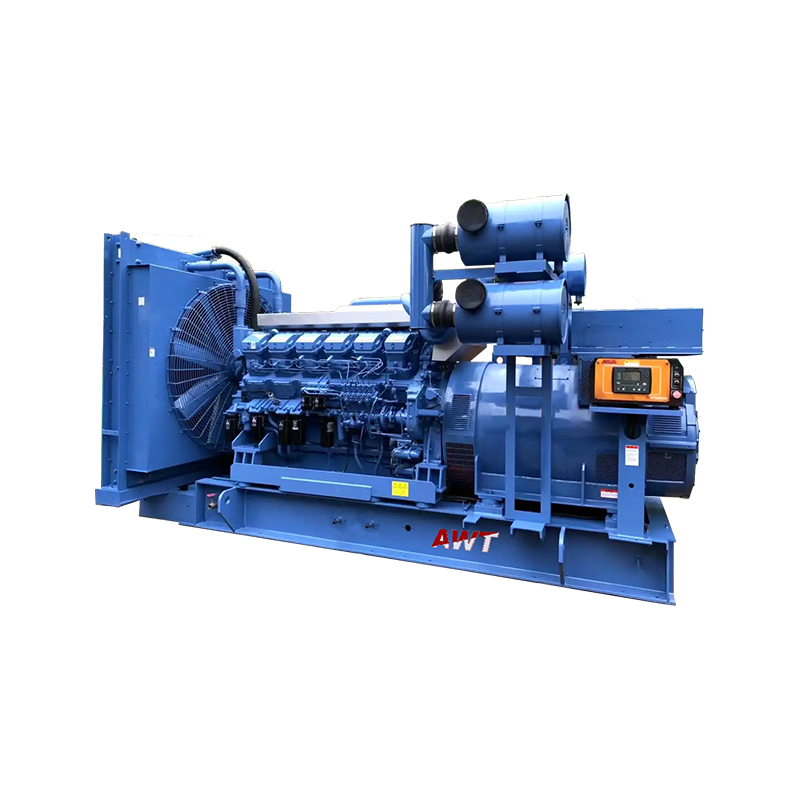
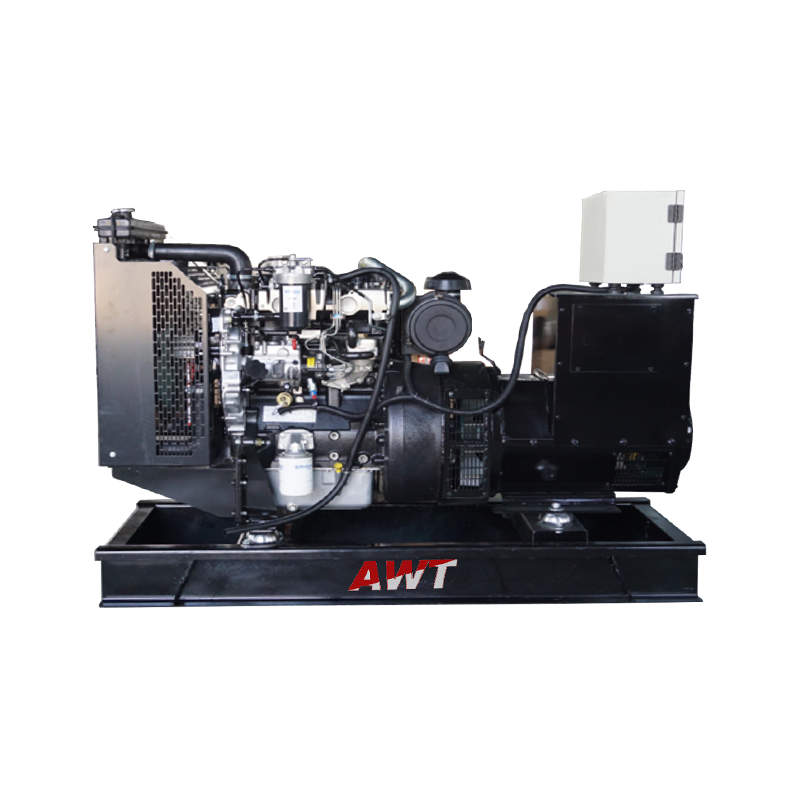
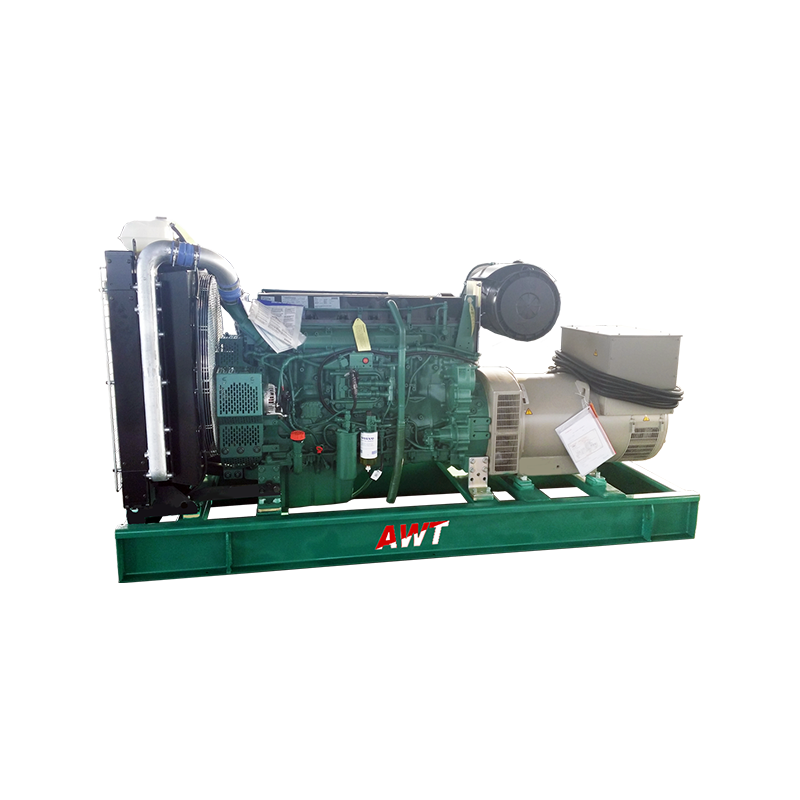
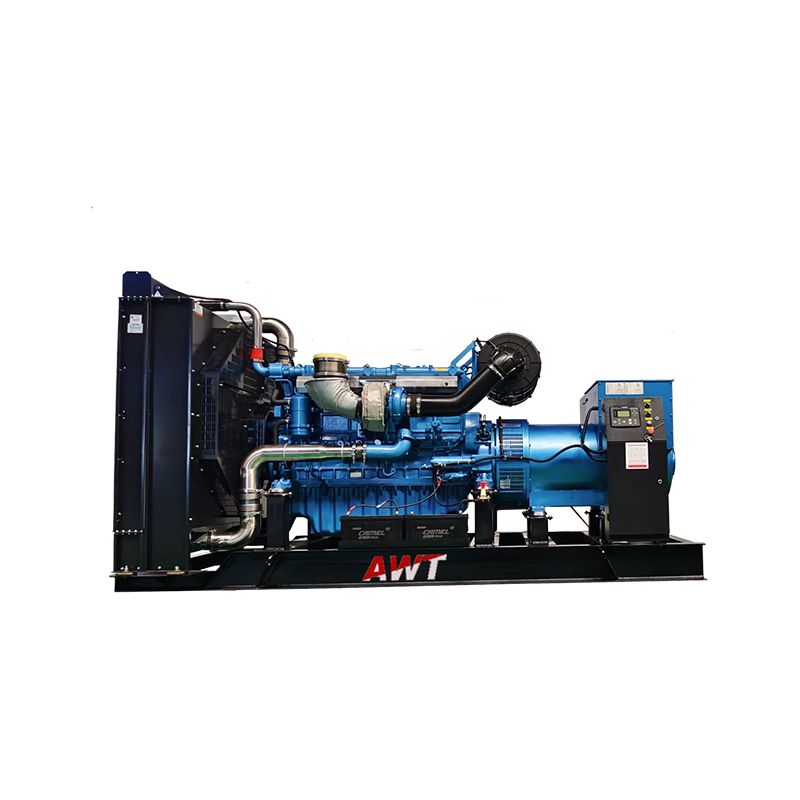
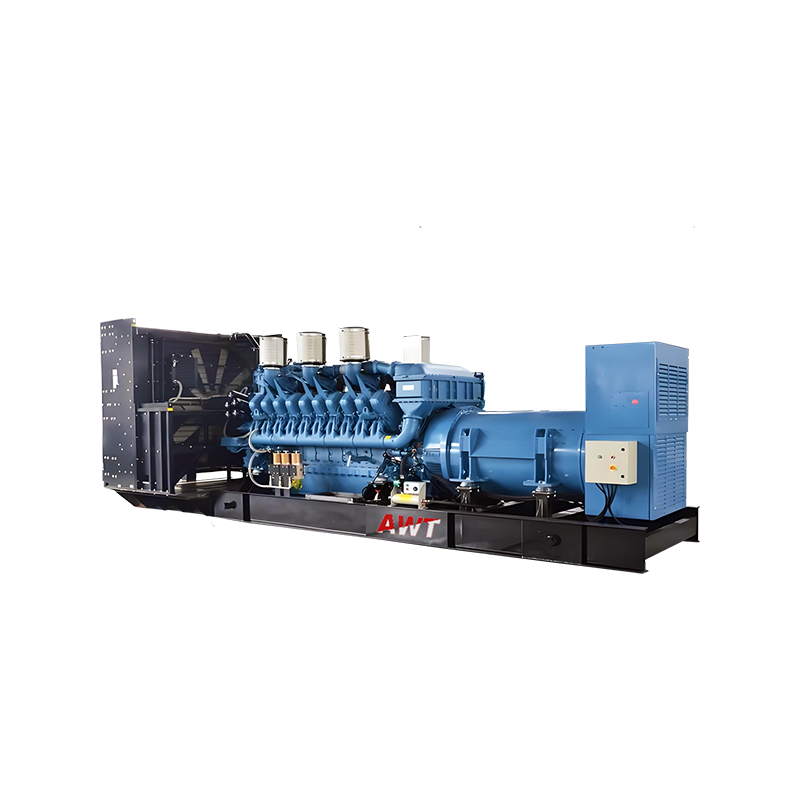
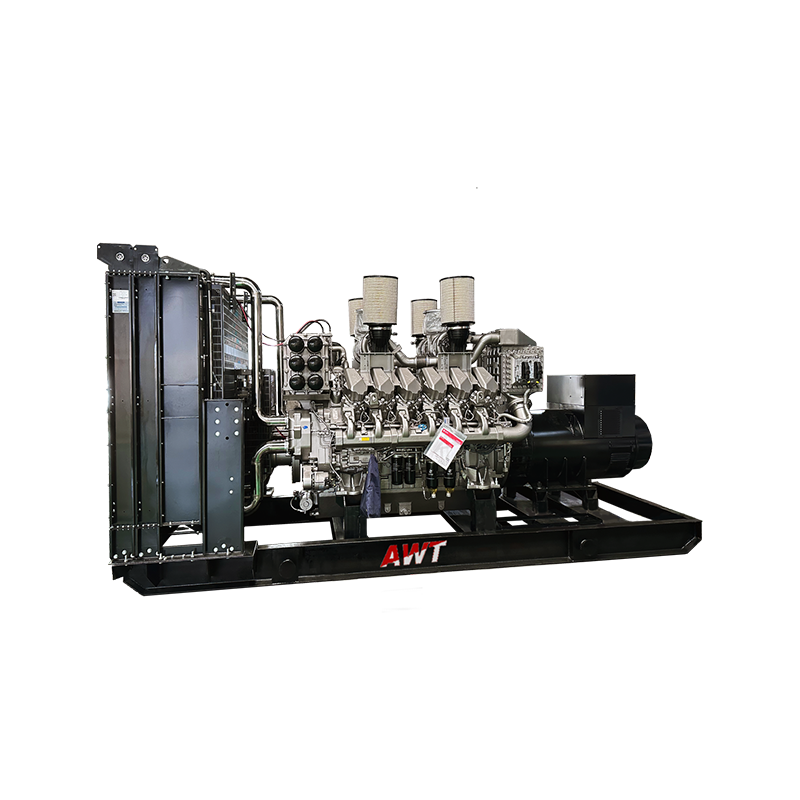
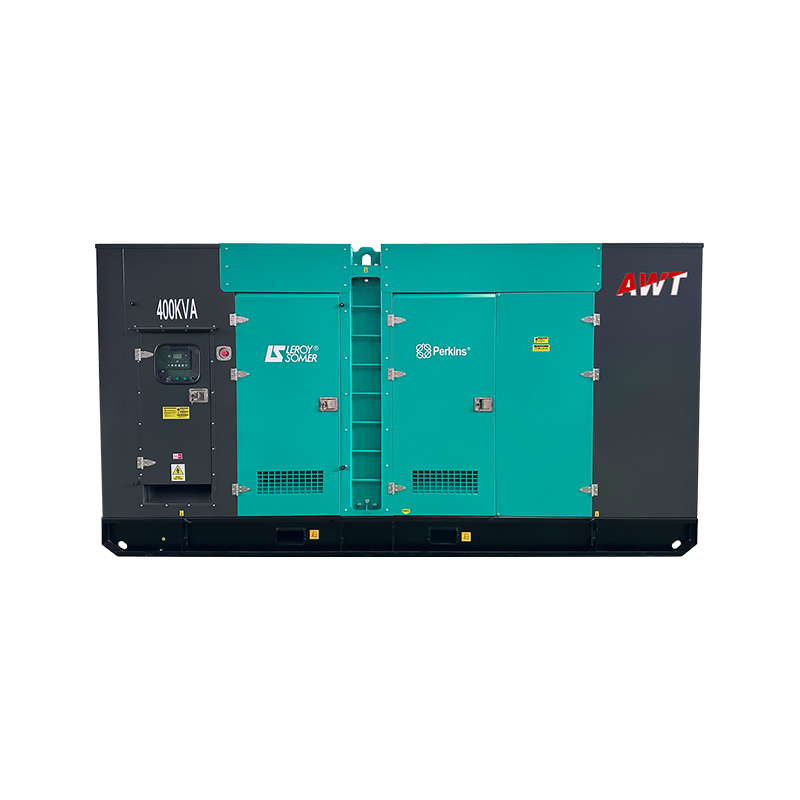
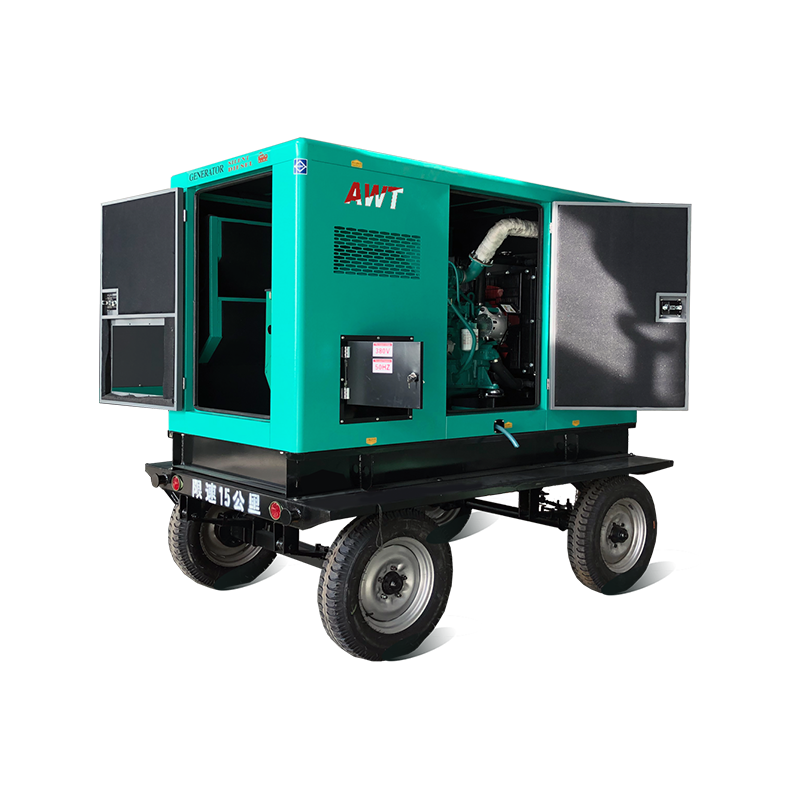
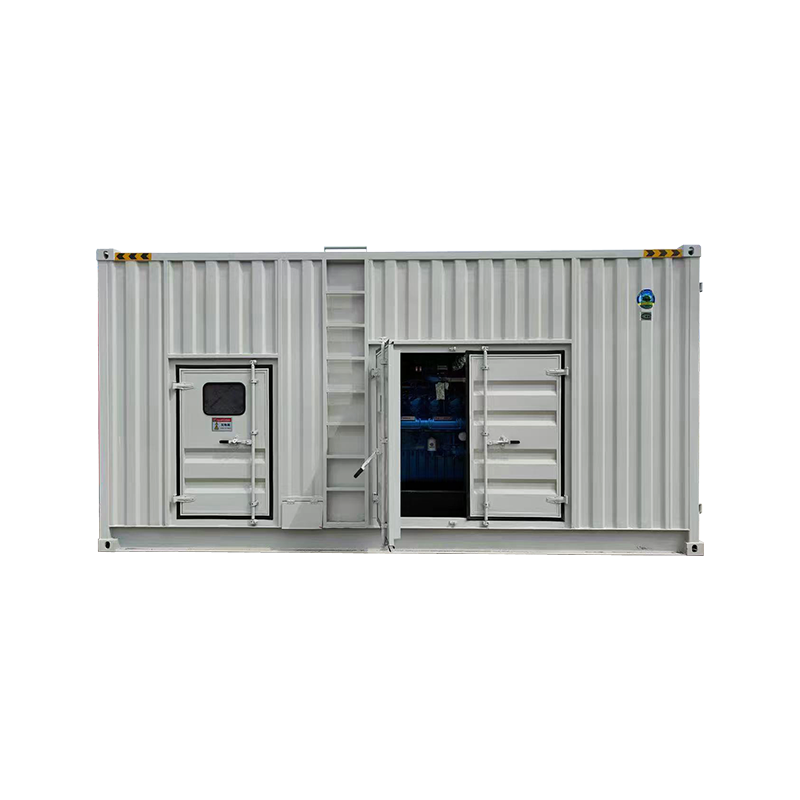
Standby Diesel Generator Set
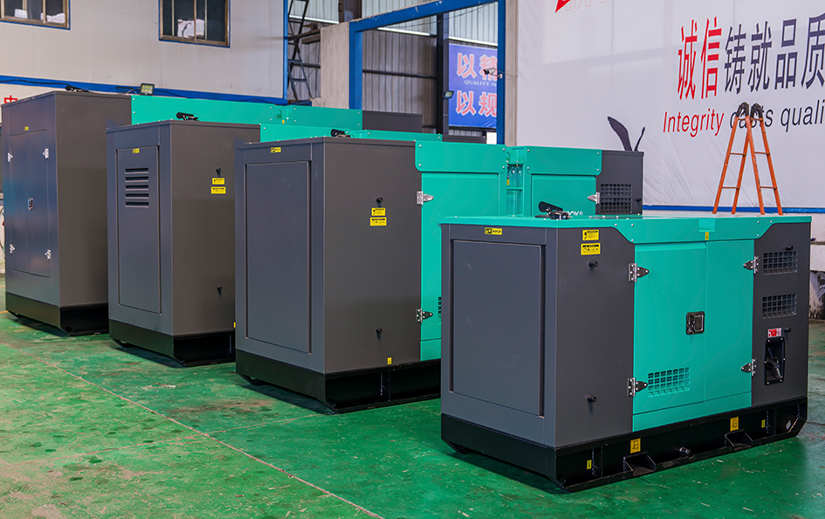
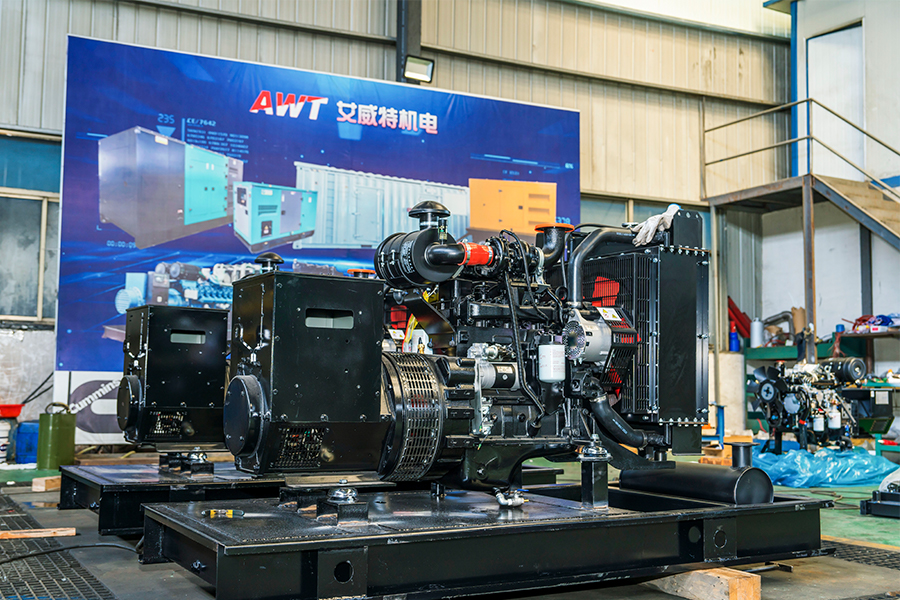
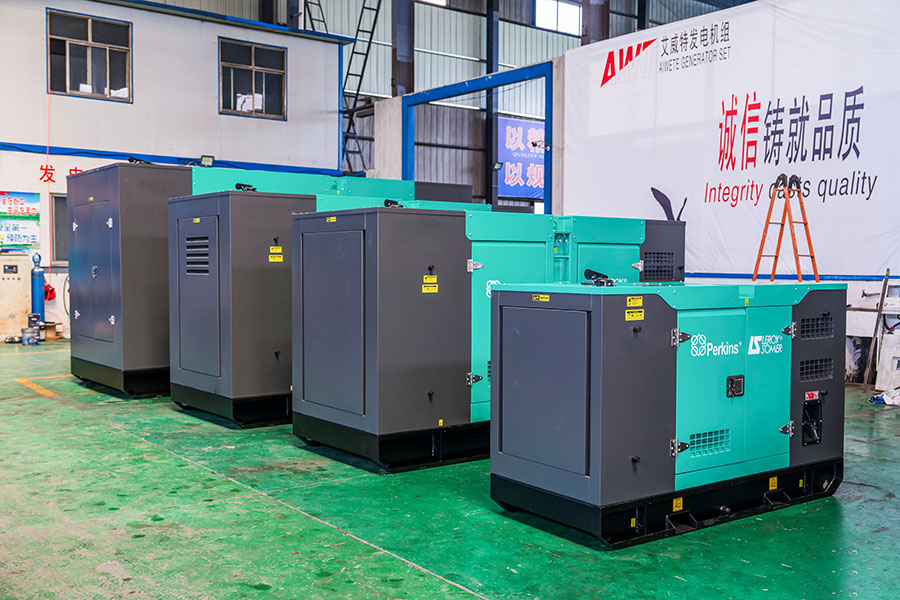
A standby diesel generator set is a fixed-installation power system designed to supply electricity automatically when the primary utility source fails. The set combines a diesel engine, an alternator, and a control system that monitors incoming mains voltage and initiates startup within seconds of detecting an outage. Standby sets are sized to carry defined critical loads rather than an entire facility, and they operate in parallel with an automatic transfer switch that isolates the building from the grid before the generator connects. Typical configurations range from 20 kVA to over 2000 kVA, with enclosure, fuel storage, and exhaust treatment selected according to site conditions and local code requirements.
System Composition
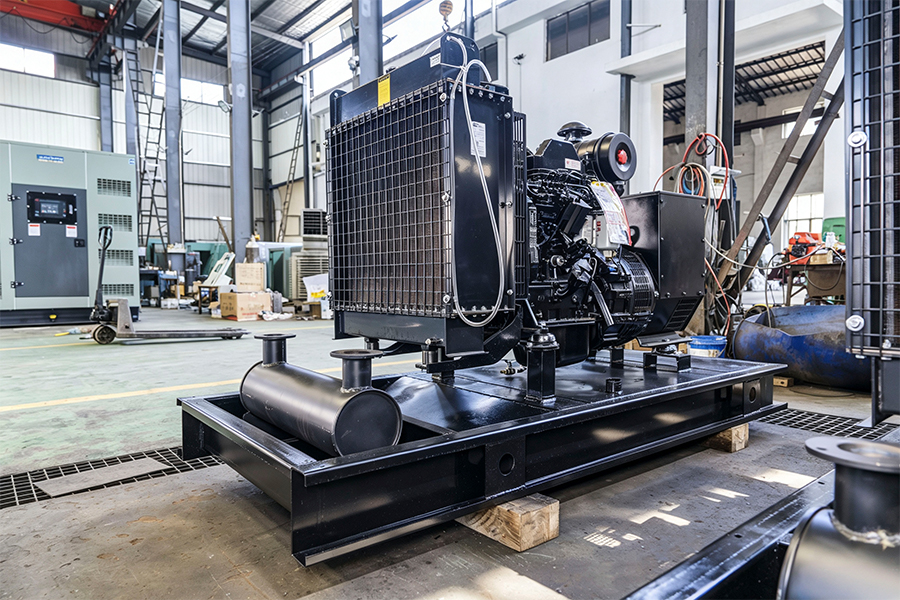
| Diesel Engine | Water-cooled four-stroke unit governed for fixed-speed operation, fitted with fuel injection, cooling, and lubrication circuits sized for intermittent standby duty. |
| Alternator | Brushless synchronous machine with permanent magnet excitation or AVR control, producing stable voltage during load step changes. |
| Automatic Transfer Switch | Mechanically interlocked switch that disconnects utility supply, starts the generator, and transfers load once voltage and frequency are within tolerance. |
| Control Panel | Microprocessor controller with mains monitoring, engine protection, event logging, and remote communication interfaces such as Modbus or dry contacts. |
| Fuel Storage | Base tank or external bulk tank with fill point, vent, level gauge, and secondary containment where required by regulation. |
Operational Characteristics
| Start Response | Typical transfer time of 8 to 15 seconds from mains failure to load acceptance, depending on controller settings and engine preheat status. |
| Duty Classification | Standby rating applies to the maximum power available during utility outage, with annual run hours normally limited and sustained overload not permitted. |
| Load Acceptance | Sets are matched to motor starting profiles through block load calculations; larger step loads may require oversizing or soft-start coordination. |
| Cooling and Ventilation | Radiator discharge and combustion air paths are defined by the enclosure design and must be verified against room airflow at installation. |
| Noise Control | Acoustic canopy options attenuate sound to defined dB(A) levels at one meter, with critical or residential applications requiring additional site measures. |
Application Profiles
| Healthcare Facilities | Backs up life safety, imaging, and refrigeration circuits where interruption affects patient care; transfer sequences are coordinated with essential circuit panels. |
| Data Centers | Provides ride-through power for server halls and cooling equipment until UPS batteries deplete or utility supply returns. |
| Manufacturing Plants | Protects production lines, process controls, and environmental systems against outages that cause material loss or equipment damage. |
| Commercial Real Estate | Supports elevators, fire pumps, emergency lighting, and building management systems in offices and retail complexes. |
| Water Treatment | Maintains pumping and aeration processes during grid loss to preserve treatment continuity and regulatory compliance. |
Frequently Asked Questions
How is a standby generator sized for a facility?
Sizing begins with a load schedule that separates essential loads from non-essential ones. The engineer calculates running kVA, starting kVA of the largest motor, and the sequence in which loads are reconnected after transfer. Standby sets are then selected so that the largest step load does not exceed the alternator's transient capability, with margin for ambient temperature and altitude derating. Oversizing beyond the load requirement is avoided because light loading reduces combustion efficiency and can cause wet stacking.
What run-hour limits apply to standby ratings?
Standby ratings are defined for emergency service with limited annual hours, typically a few hundred hours per year, and no sustained overload. Continuous operation beyond this duty cycle requires a prime-rated set, which carries a lower output figure for the same engine and alternator combination. Users who anticipate extended outages or frequent testing should confirm the duty classification against expected operating hours before selection.
What maintenance does a standby set require between outages?
Scheduled maintenance includes oil and filter replacement at manufacturer intervals, coolant and battery checks, and inspection of fuel quality in stored tanks. Periodic load bank testing confirms that the engine reaches operating temperature and that the transfer switch sequences correctly. Exercising the set under load rather than at no load helps verify alternator output and prevents unburned fuel accumulation in the exhaust system.
How should the transfer switch neutral be configured?
In a four-pole transfer switch, the neutral is switched along with the phase conductors, which isolates the generator neutral from the utility neutral during standby operation. In a three-pole switch, the neutrals remain bonded, and the earthing arrangement must be designed so that only one neutral-earth bond is effective at a time. The correct choice depends on the installation's earthing system and must be determined by the project electrical engineer.
Installation and Compliance Notes
| Location and Access | Sets are installed with clearance for cooling air, service access to filters and batteries, and exhaust discharge away from openings and occupied areas. |
| Fuel Supply | Tank capacity is calculated from expected outage duration and load profile; fuel storage rooms and tanks are subject to local fire and environmental regulations. |
| Exhaust System | Exhaust routing, silencer selection, and stack termination are designed to meet emission and noise limits applicable to the site. |
| Testing and Commissioning | Acceptance testing includes automatic transfer verification, load acceptance at defined steps, protection function checks, and documentation of measured voltage and frequency. |