English
 Français
 Español
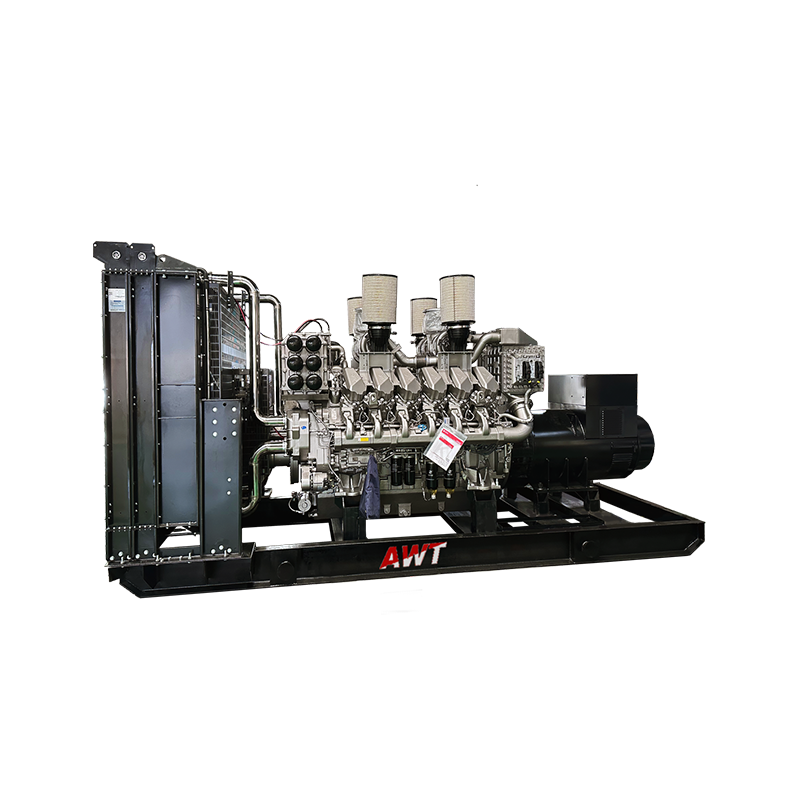
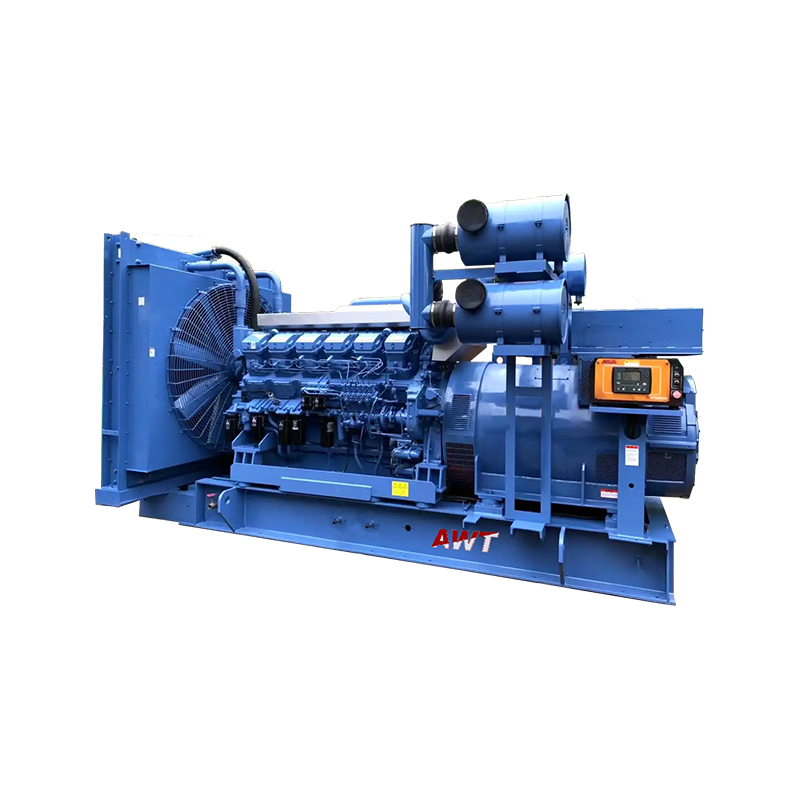
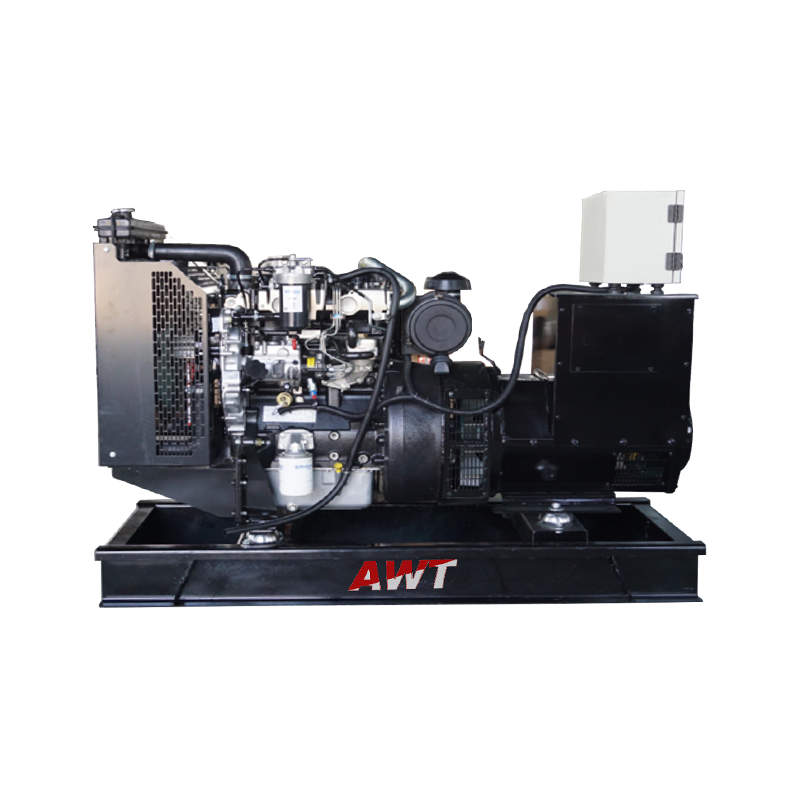
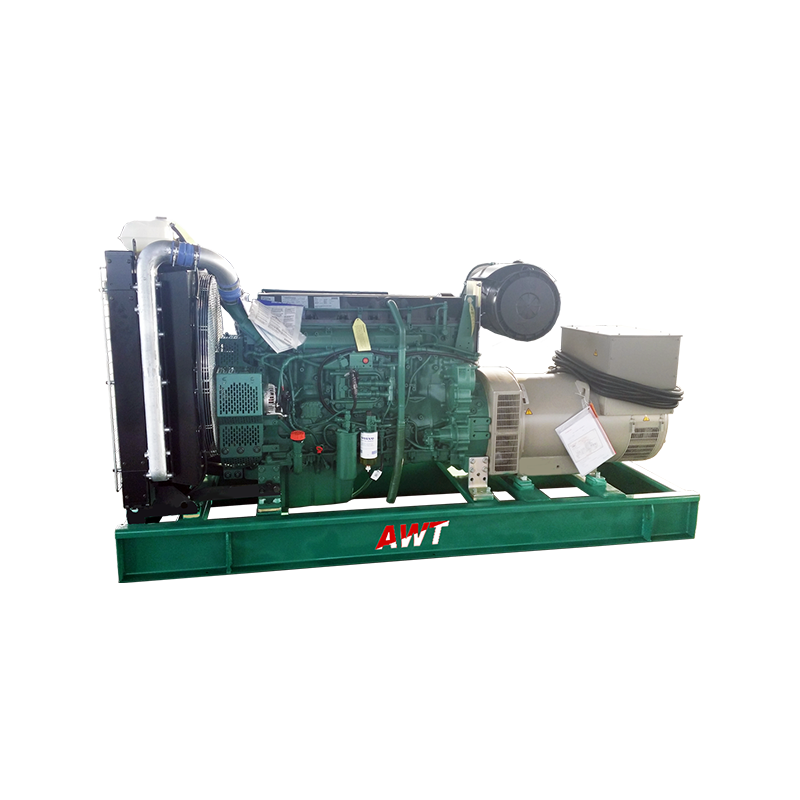
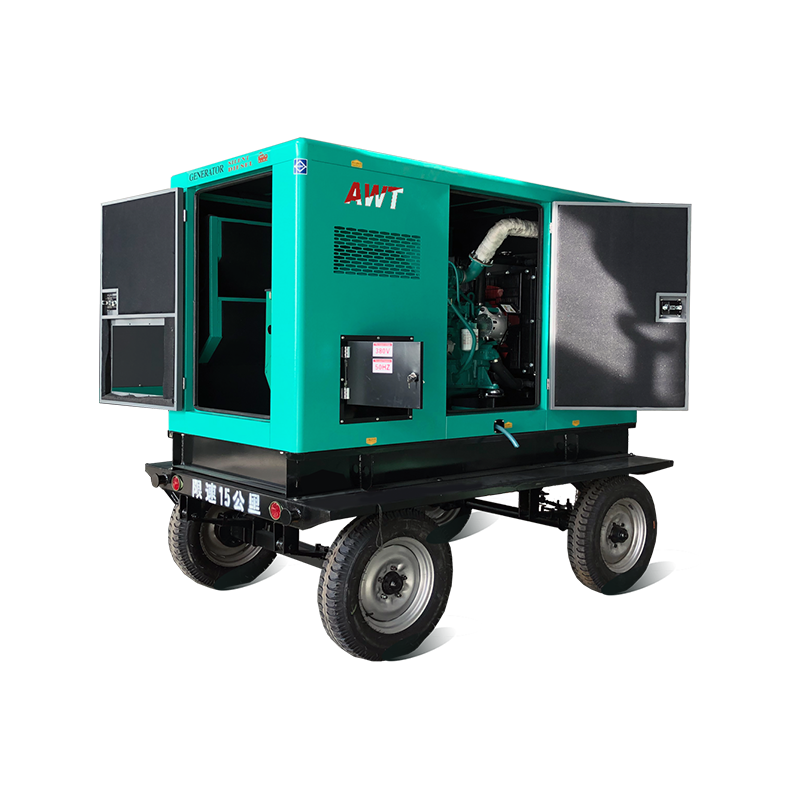
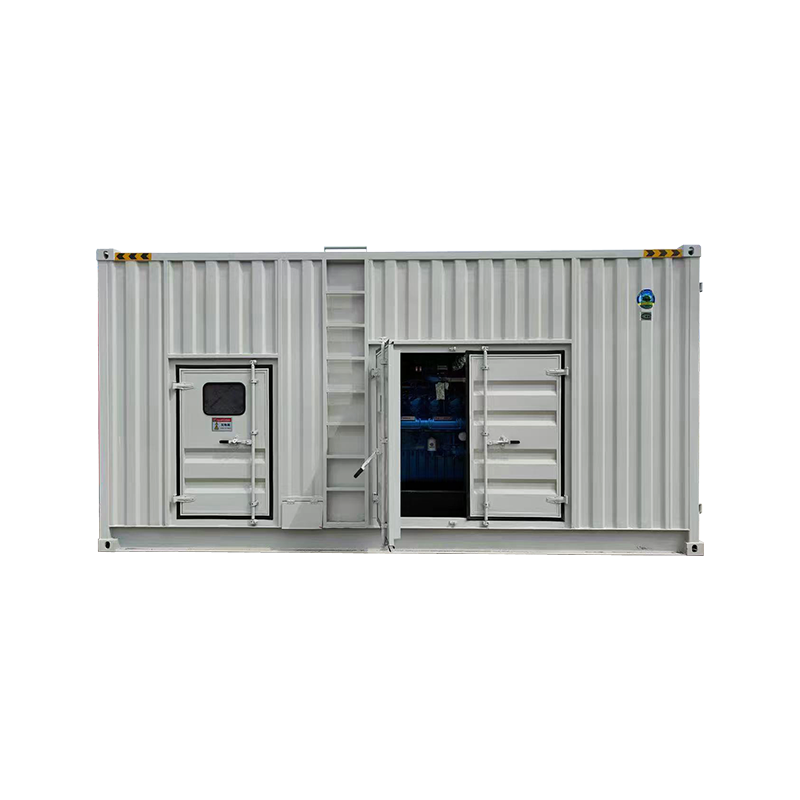
Containerized Diesel Power Station
An integrated diesel power generation system designed for industrial facilities, remote infrastructure, construction projects, mining operations, and standby power applications.
POWER GENERATION
What Is a Containerized Diesel Power Station?
An integrated solution for independent and backup electricity supply.
A Containerized Diesel Power Station is an integrated power generation system that combines diesel generator sets, electrical control equipment, fuel supply components, cooling systems, and auxiliary equipment within a standardized or customized container enclosure. It provides an independent electricity supply for industrial facilities, remote infrastructure, mining operations, construction projects, and emergency power applications.
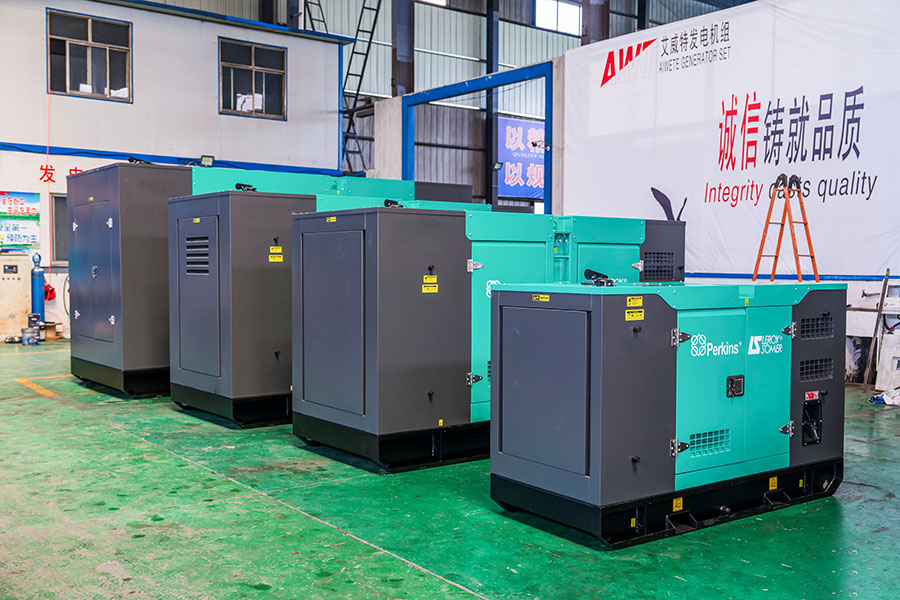
Unlike conventional open-type generator installations, a containerized diesel power station houses its major operating components within an enclosed structure. The integrated design supports equipment transportation, site deployment, environmental protection, and coordinated system installation. Depending on project requirements, the station can incorporate single or multiple diesel generator sets, automatic control systems, fuel storage, ventilation, acoustic insulation, and power distribution equipment.
Containerized diesel power generation systems can be configured for prime power, continuous operation within the applicable generator rating, or standby applications. Generator capacity, fuel autonomy, electrical output, enclosure structure, and auxiliary equipment are determined according to the project load profile and installation environment.
Core Advantages of Containerized Diesel Power Stations
System-level features that support different industrial power generation requirements.
Integrated System Configuration
Diesel generator sets, fuel systems, electrical controls, cooling equipment, and auxiliary components are arranged within one container enclosure. This reduces the need for separate equipment shelters and simplifies project coordination.
Flexible Capacity Configuration
Generator output, electrical specifications, fuel storage, and supporting equipment can be selected according to the required power demand. Multiple generator sets can be integrated for larger loads and operational flexibility.
Transportable Container Structure
The enclosed structure supports transportation, lifting, and positioning at different project locations. It is suitable for temporary installations and remote sites where conventional generator rooms may not be available.
Environmental Protection
The container enclosure provides protection against rain, dust, and external exposure. Weatherproof construction, corrosion-resistant coatings, and additional protective measures can be specified for different operating environments.
Noise and Exhaust Management
Acoustic insulation, sound attenuators, exhaust silencers, and ventilation ducts can be incorporated to manage operating noise, heat discharge, and exhaust gas routing according to project requirements.
Centralized Operation and Monitoring
Integrated control panels can monitor operating parameters, electrical output, alarms, and protection status. Automatic starting, shutdown, and remote monitoring functions can be added according to the selected control system.
Technical Features and System Configuration
Major components and their functions within an integrated diesel power generation system.
Diesel Generator Set
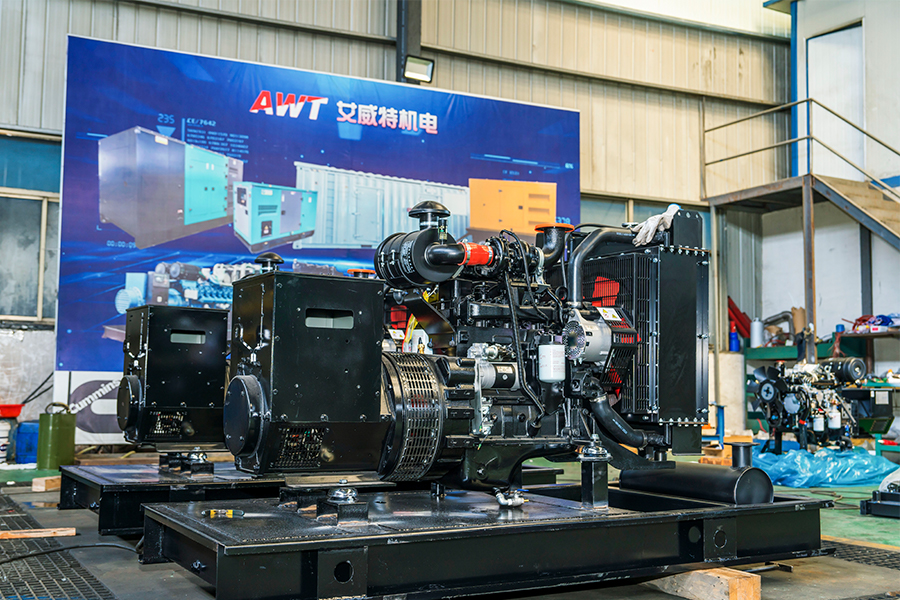
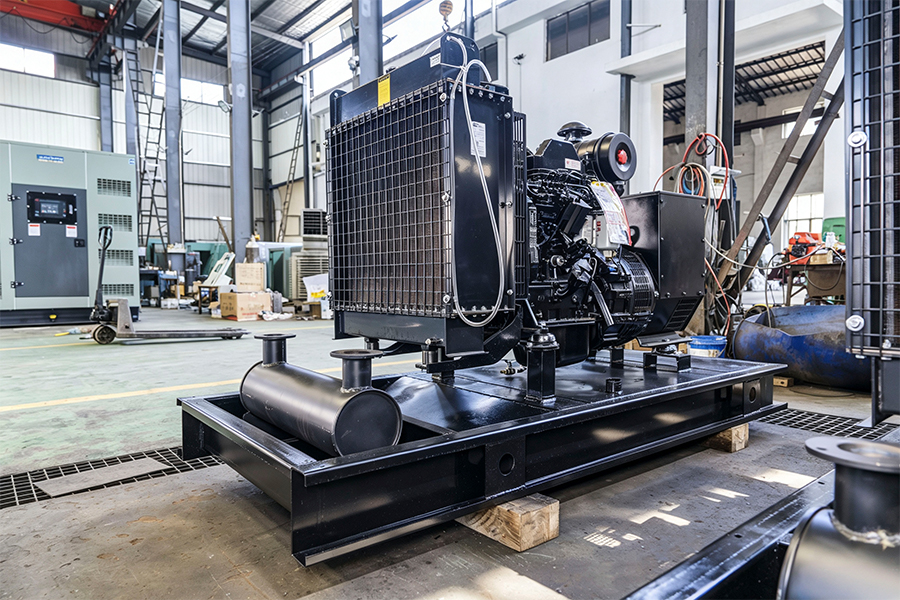
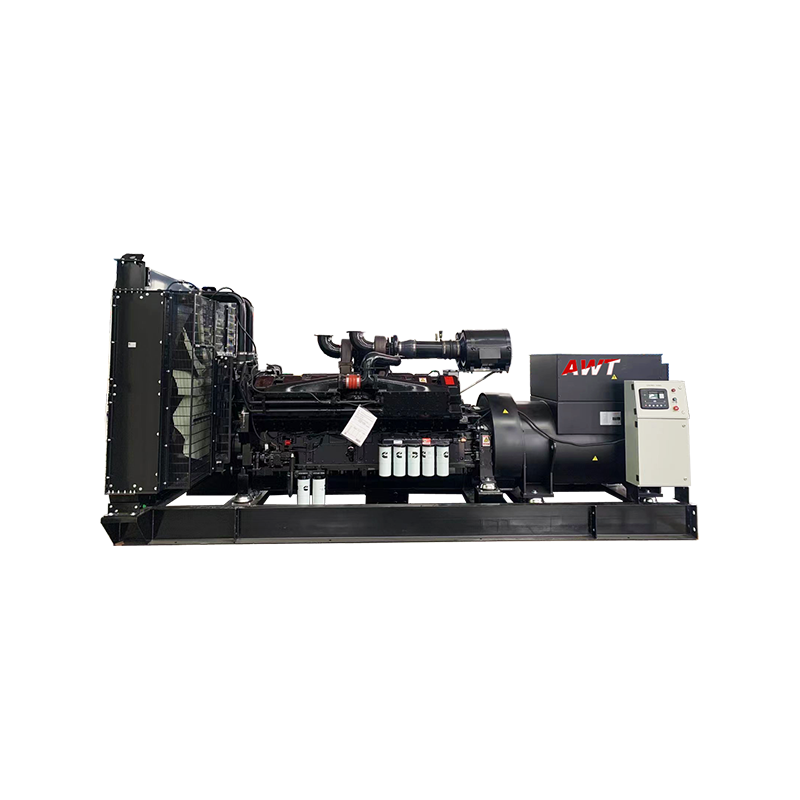
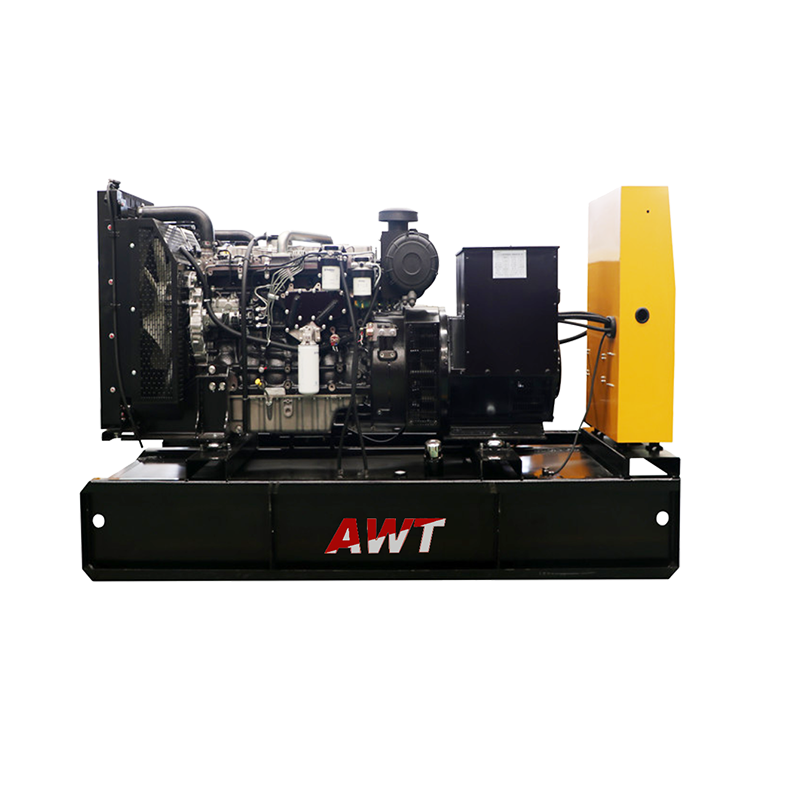
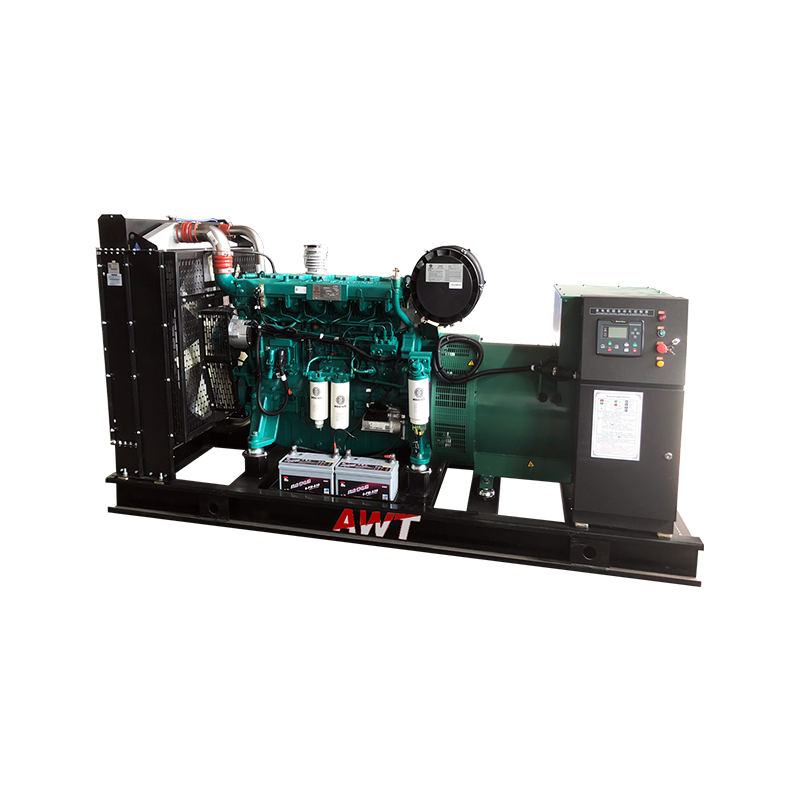
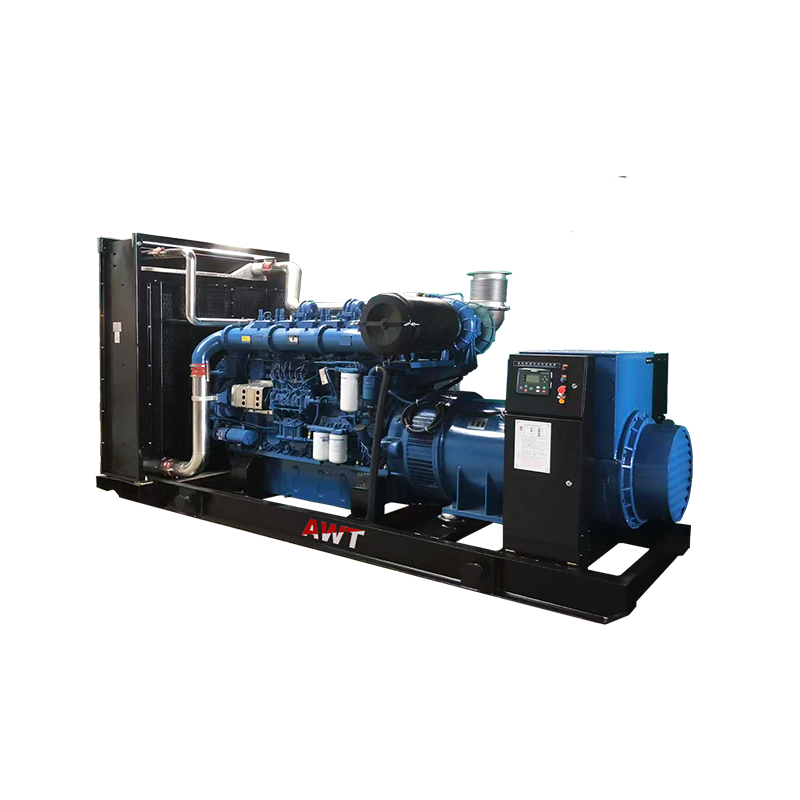
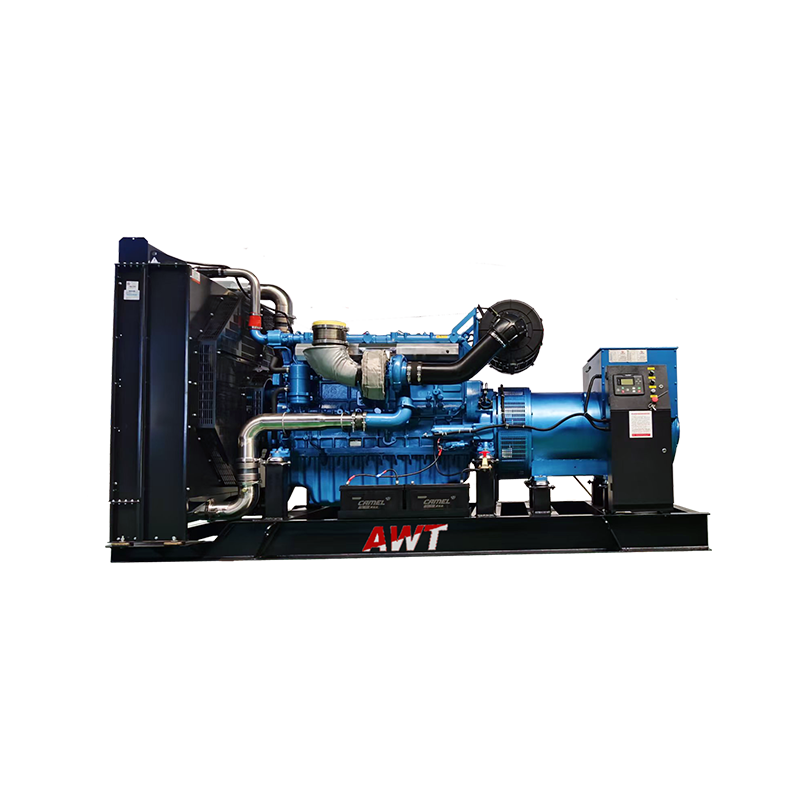
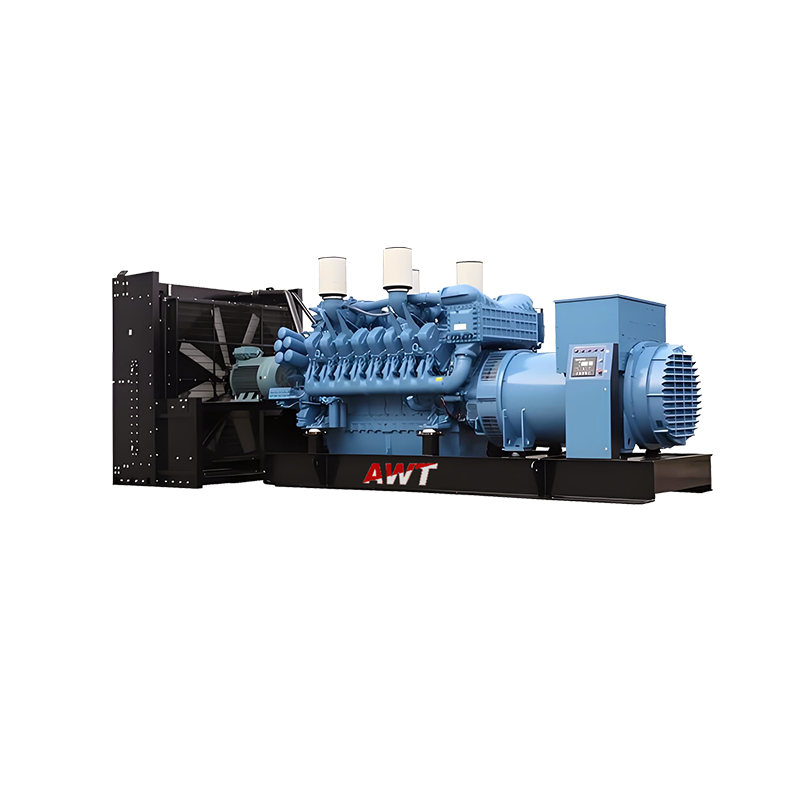
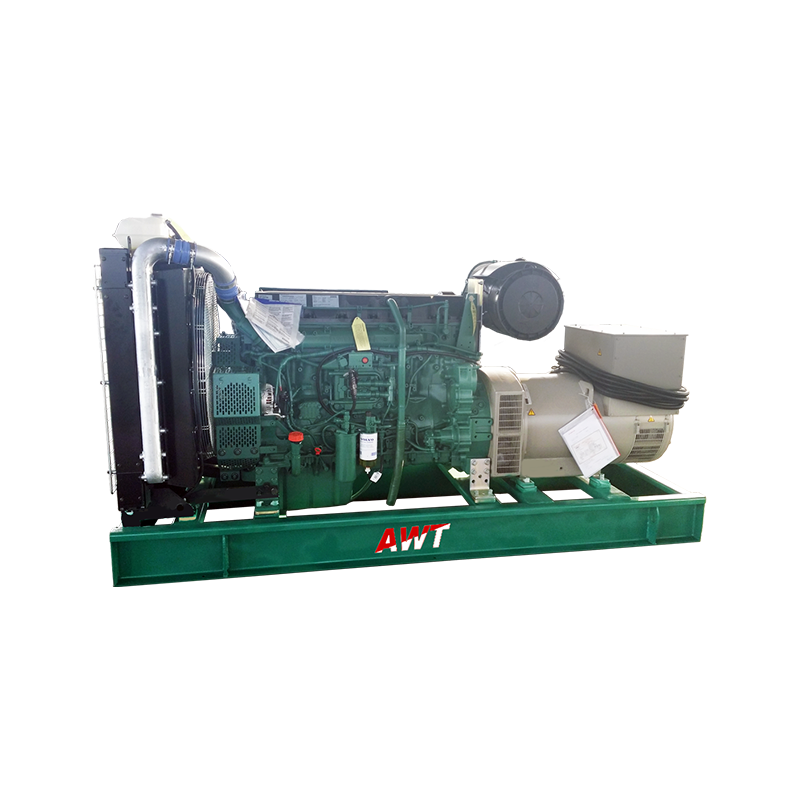
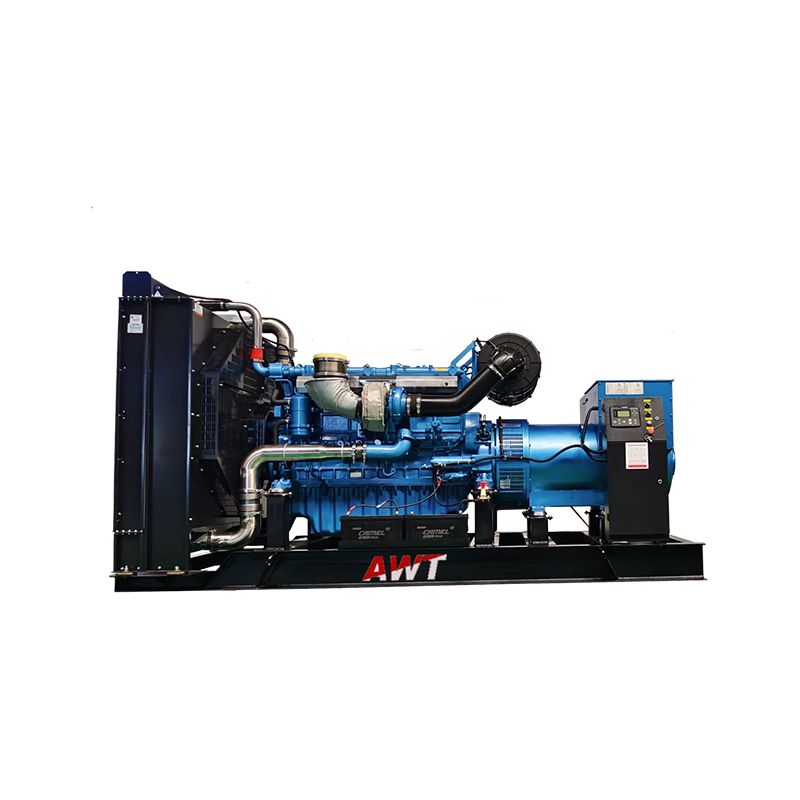
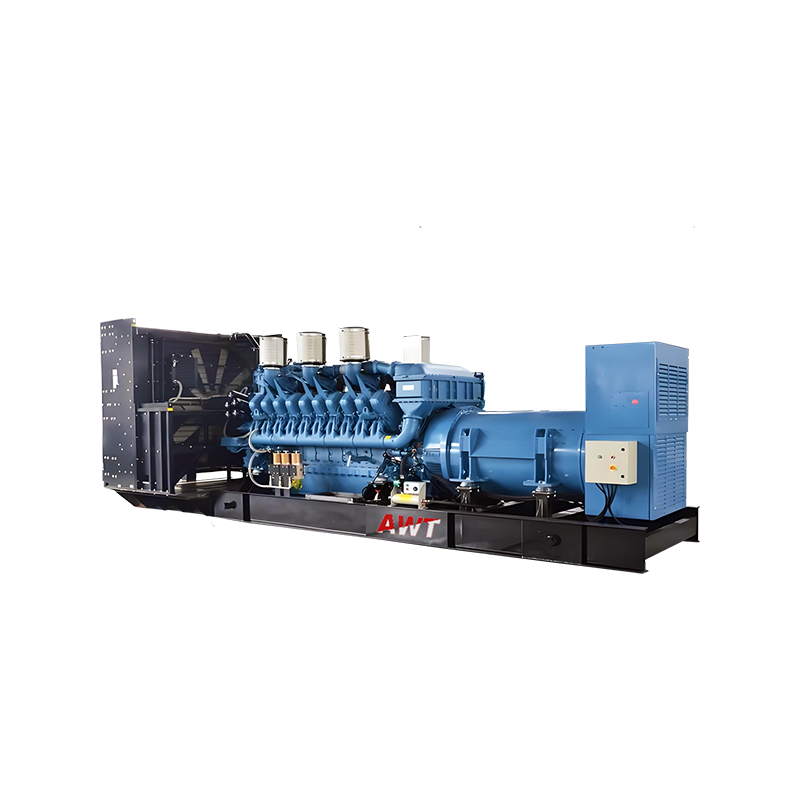
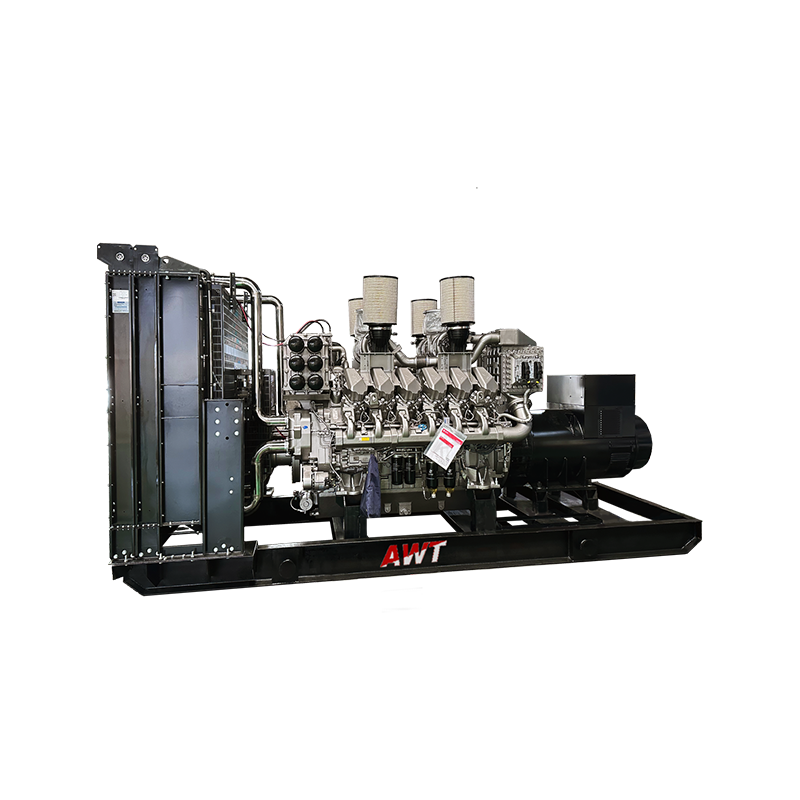
The diesel generator set is the primary power generation unit. It consists of a diesel engine, alternator, coupling system, and associated protection devices. Generator capacity, engine model, voltage, frequency, and rated operating mode are selected according to the electrical load and project conditions.
Container Enclosure
The container provides structural support and houses the generator and auxiliary equipment. Standardized or customized structures can be used according to generator dimensions, transportation restrictions, maintenance access, and installation conditions. Protective coatings and weatherproof construction can be specified for outdoor applications.
Electrical Control and Distribution System
The electrical control system manages generator operation, monitoring, and protection. Depending on the configuration, it can include an automatic control panel, circuit breakers, metering instruments, synchronizing equipment, automatic transfer functions, and power distribution components.
Fuel Storage and Supply System
The fuel system supplies diesel to the generator engine during operation. It may include an integrated base fuel tank, external storage tank, fuel transfer pump, level monitoring devices, filters, and fuel piping. Storage capacity should be calculated based on fuel consumption and required operating autonomy.
Cooling and Ventilation System
Diesel engines and alternators generate heat during operation. Air inlets, exhaust outlets, radiator arrangements, and ventilation equipment must be appropriately designed to maintain operating temperatures and prevent heat accumulation inside the enclosure.
Exhaust and Acoustic Treatment
The exhaust system directs combustion gases outside the container through suitable piping and silencing equipment. Acoustic insulation, sound attenuators, and exhaust silencers can be integrated to address site-specific noise limits and equipment operating requirements.
Applications of Containerized Diesel Power Stations
Power supply configurations for industrial facilities, infrastructure, and off-grid operations.
Industrial Manufacturing Facilities
Manufacturing plants use containerized diesel power stations as standby or supplementary power sources. They can support production machinery, control systems, material handling equipment, pumps, and essential auxiliary loads during grid interruptions.
Factory Backup PowerMining and Remote Operations
Mining sites and remote industrial operations may have limited access to utility electricity. Containerized diesel generator systems can supply power to drilling equipment, processing facilities, site buildings, pumps, and lighting systems.
Off-Grid Power SupplyConstruction and Infrastructure Projects
Construction sites, road projects, railway development, and temporary infrastructure installations require power for machinery, site offices, lighting, and temporary distribution networks. Transportable containerized systems support deployment at different project locations.
Temporary Project PowerData Centers and Telecommunications
Data centers and telecommunications facilities require backup power to maintain critical operations during utility failures. Containerized diesel power stations can be integrated into standby power architectures with automatic transfer switches and associated distribution equipment.
Critical Backup PowerRemote Communities and Infrastructure
In locations without reliable grid access, containerized diesel power stations can provide electricity for residential communities, water supply facilities, public buildings, and local infrastructure systems.
Independent Electricity SupplyEmergency and Standby Power Systems
Hospitals, utility facilities, industrial plants, and other essential installations may use containerized diesel generator systems to provide backup electricity during grid outages, equipment failures, or planned maintenance periods.
Emergency Power GenerationKey Factors When Selecting a Containerized Diesel Power Station
Technical parameters that should be confirmed before equipment selection and project procurement.
Generator Capacity and Load Requirements
Determine the total connected load, maximum demand, motor starting current, and expected load variation. Generator sizing should account for continuous operating loads, transient power requirements, and the intended generator rating.
Output Voltage and Frequency
Confirm the required output voltage, frequency, phase configuration, and electrical connection standards. Common configurations include three-phase 400V/50Hz and 480V/60Hz, subject to destination market and project specifications.
Fuel Tank Capacity and Operating Duration
Fuel storage capacity should be calculated using generator consumption at the expected load, daily operating hours, and required uninterrupted operating time. Additional fuel storage may be necessary where refueling access is limited.
Environmental and Installation Conditions
Ambient temperature, altitude, humidity, dust exposure, corrosive conditions, and installation elevation can affect generator performance and system configuration. These factors should be considered when selecting cooling arrangements, enclosure materials, ventilation capacity, and protective treatments.
Noise and Emission Requirements
Projects near residential areas, commercial facilities, or environmentally regulated zones may require specific noise limits and exhaust emission compliance. Applicable local regulations should be confirmed before finalizing the generator and container configuration.
Maintenance and Service Accessibility
Check access space for engine inspection, filter replacement, radiator cleaning, electrical maintenance, and fuel system servicing. Container layouts should provide sufficient clearance for routine maintenance and component replacement.
Frequently Asked Questions About Containerized Diesel Power Stations
Technical information for equipment buyers, project contractors, and power system integrators.
01What is the difference between a containerized diesel power station and a conventional diesel generator?
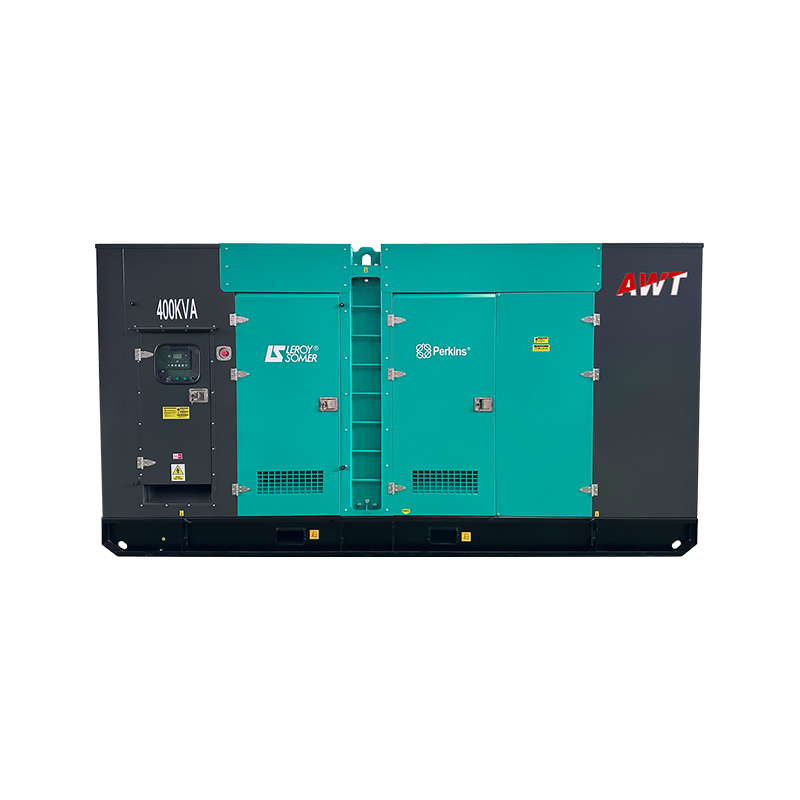
A conventional diesel generator may be supplied as an open-type unit or with a basic weatherproof canopy. A containerized diesel power station integrates the generator and supporting systems within a larger enclosure. Depending on the configuration, it may include fuel storage, electrical distribution, ventilation, acoustic treatment, and monitoring equipment. It provides an integrated installation arrangement for industrial and infrastructure projects.
02Can a containerized diesel power station operate continuously?
Yes. A containerized diesel power station can be configured for prime power or standby operation, depending on the generator rating, engine specifications, cooling capacity, maintenance schedule, and fuel supply arrangements. For continuous applications, buyers should confirm the manufacturer's prime power rating, applicable load limitations, and recommended maintenance intervals.
03Can multiple generator sets be installed in one container?
Yes. Multiple generator sets can be integrated into a containerized power generation system. Such configurations may include synchronized operation, load sharing, automatic starting and stopping, and coordinated power distribution. Container dimensions, ventilation, exhaust routing, structural loading, and maintenance access must be designed around the combined equipment layout.
04How long can a containerized diesel power station run without refueling?
Operating duration depends on fuel tank capacity, generator fuel consumption, and actual electrical load. For example, a generator consuming 100 liters of diesel per hour with 2,000 liters of usable fuel would have an approximate operating duration of 20 hours under that specific consumption condition. Actual runtime should account for reserve fuel and changes in operating load.
05Can the containerized diesel power station be customized?
Yes. Configuration options may include generator capacity, container dimensions, fuel tank volume, acoustic insulation, ventilation arrangements, electrical control systems, remote monitoring, and environmental protection. The final configuration should be determined by project power requirements, installation conditions, transportation restrictions, and applicable technical standards.
06What maintenance is required for a containerized diesel power station?
Maintenance generally includes engine oil and filter replacement, fuel filter inspection, coolant checks, battery condition checks, radiator cleaning, electrical connection inspection, and exhaust system inspection. Maintenance intervals should follow the engine and generator manufacturer's operating instructions and be adjusted according to actual operating hours and environmental conditions.
07What information is required to configure a containerized diesel power station?
Key information includes required power capacity, voltage, frequency, phase configuration, load characteristics, operating mode, fuel autonomy, installation location, ambient temperature, altitude, noise limits, and transportation requirements. These details help determine generator selection, container dimensions, auxiliary equipment, and electrical configuration.
08What is the difference between prime power and standby power?
Prime power is intended for applications where the generator serves as a primary electricity source under the operating conditions specified by the manufacturer. Standby power is intended to supply electricity during utility outages or other emergency situations for a limited operating duty. Buyers should compare the applicable generator ratings rather than relying only on the maximum advertised output.
Containerized Diesel Power Generation for Industrial and Infrastructure Projects
A Containerized Diesel Power Station combines diesel generator sets, electrical controls, fuel systems, cooling equipment, and auxiliary components within an enclosed structure. It supports independent and standby power supply for manufacturing facilities, mining operations, construction projects, telecommunications infrastructure, and remote installations.
System configuration should be based on generator capacity, load characteristics, electrical output requirements, fuel autonomy, environmental conditions, noise restrictions, and maintenance accessibility. These technical factors determine the container structure, generator selection, and supporting equipment required for each project.