English
 Français
 Español
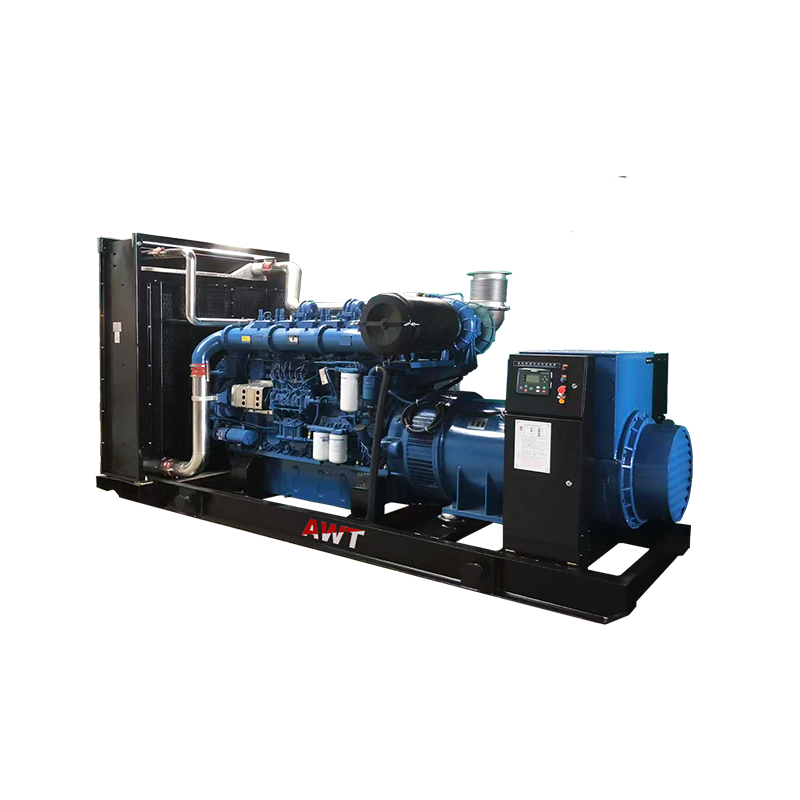
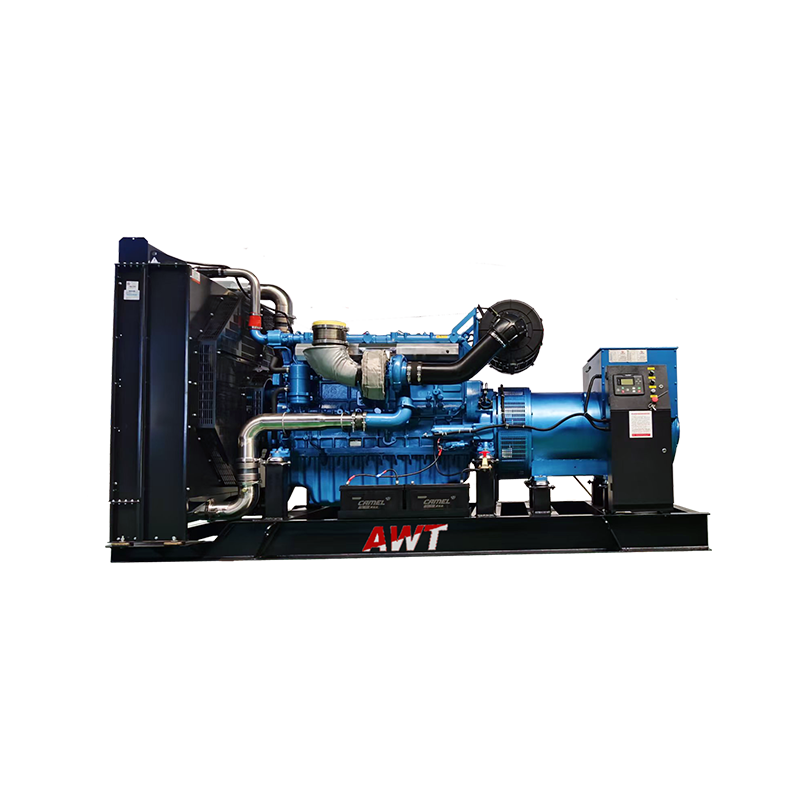
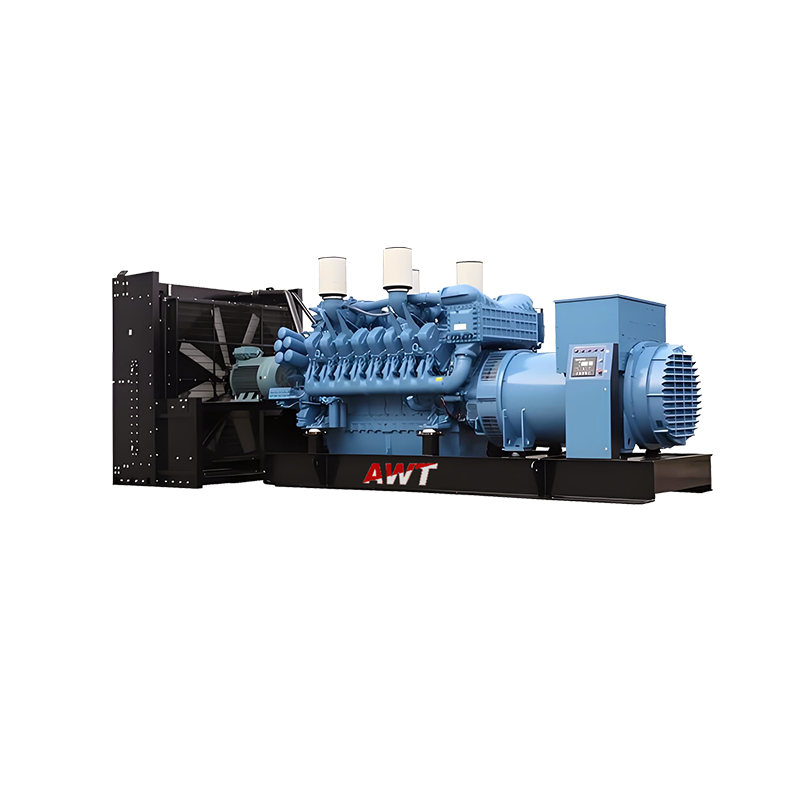
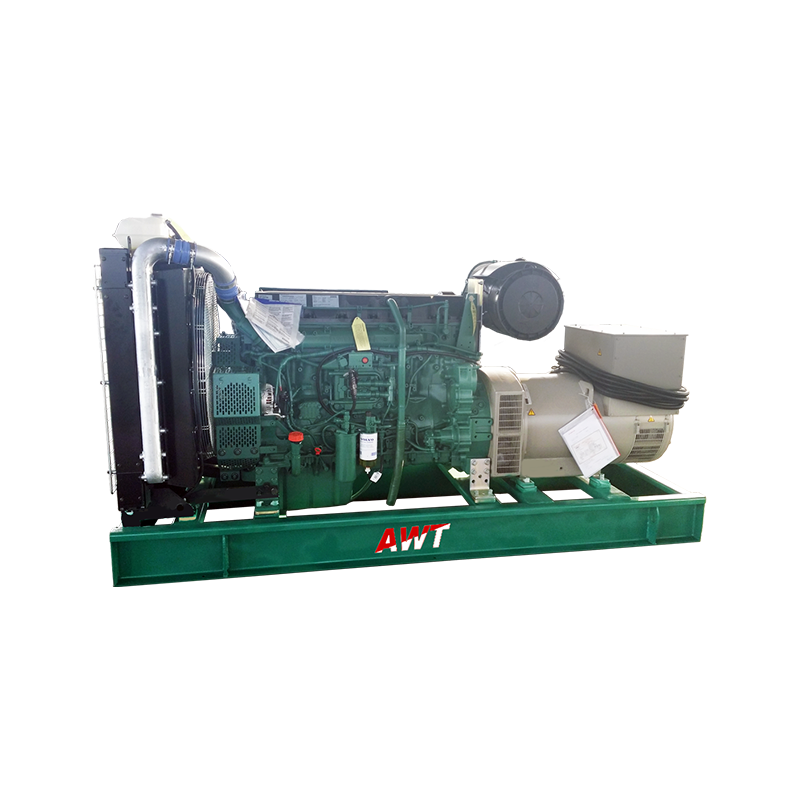
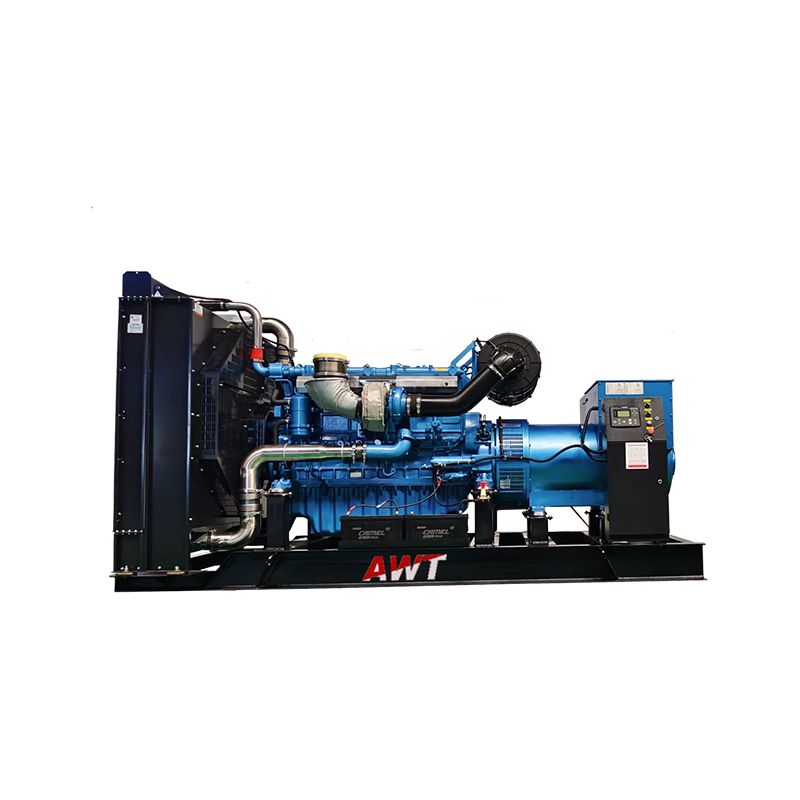
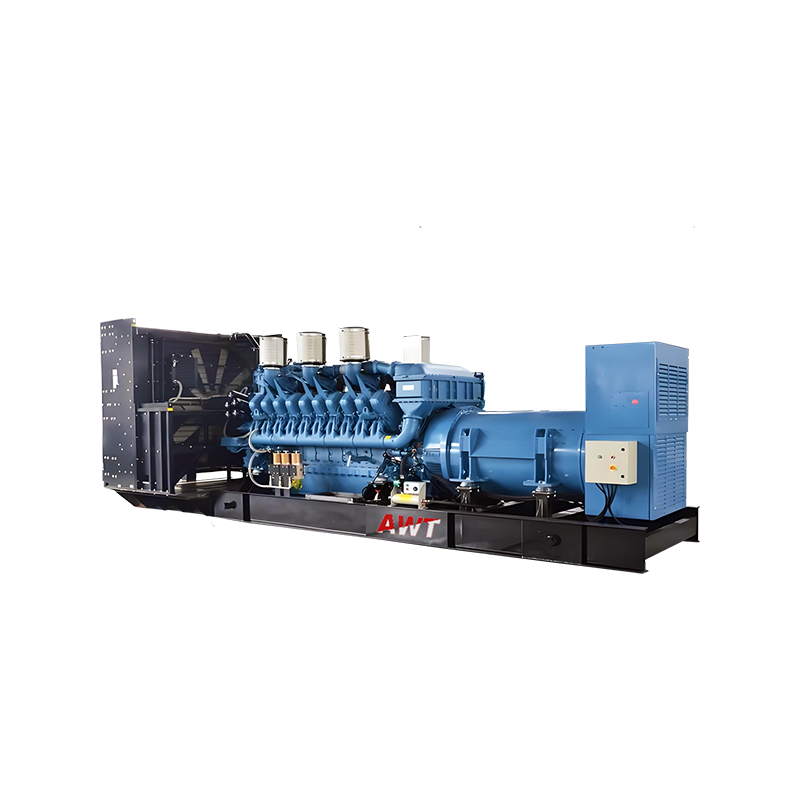
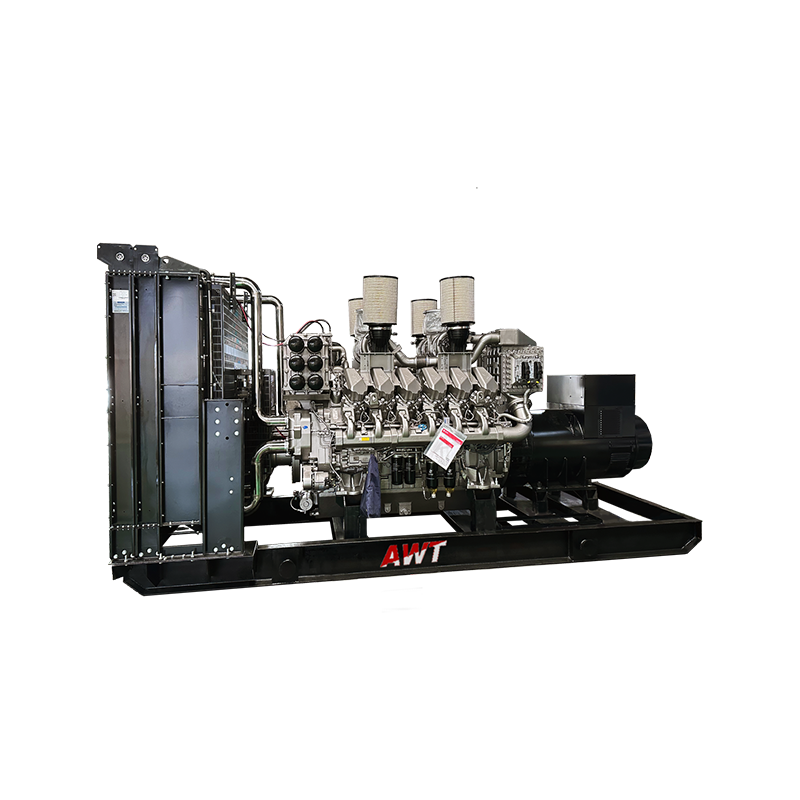
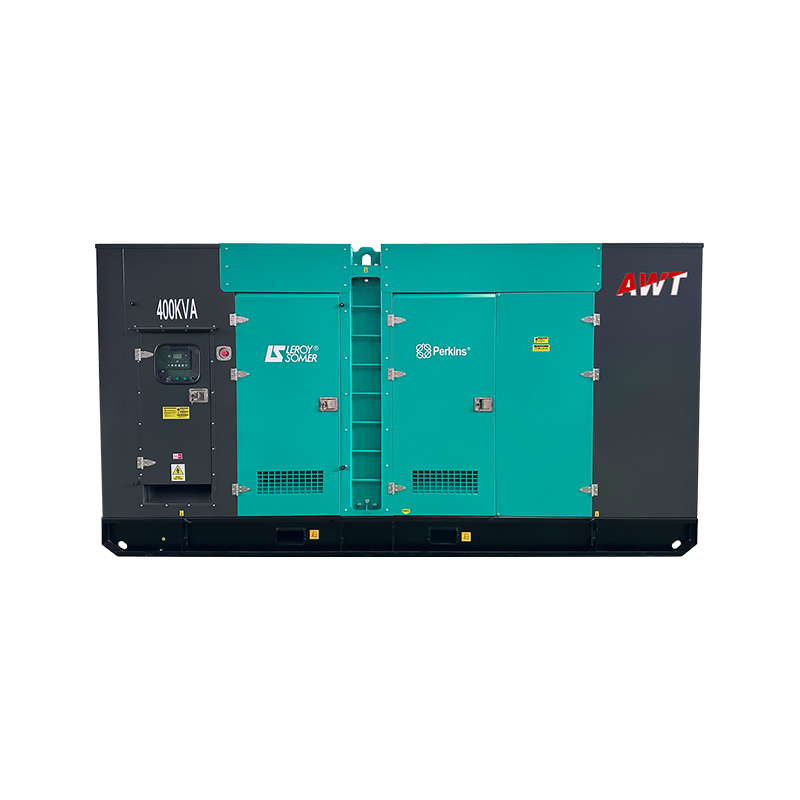
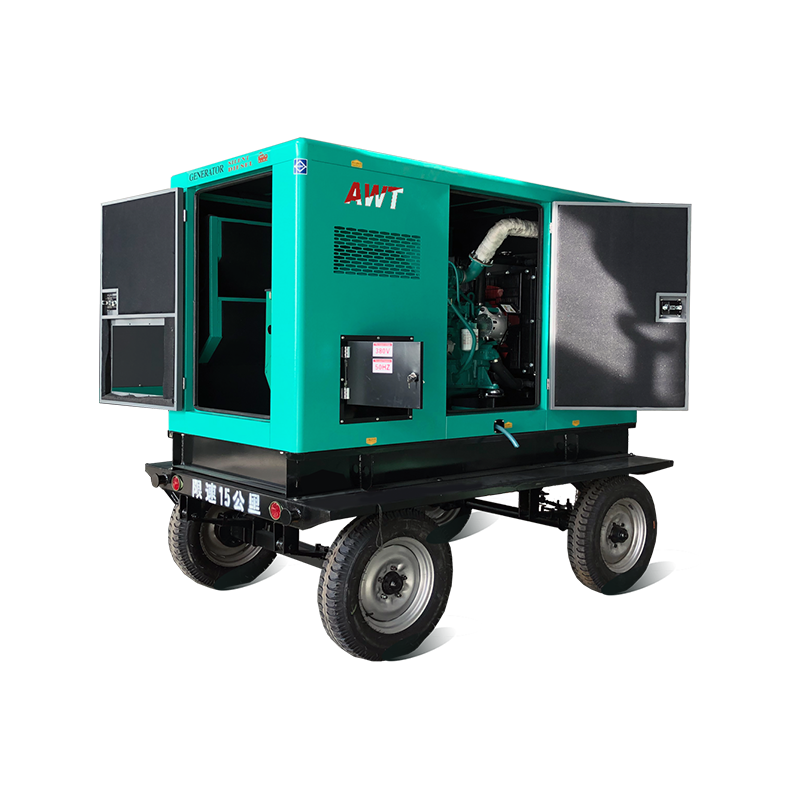
Trailer Mounted Diesel Generator
A mobile diesel power generation system designed for temporary electricity supply, remote operations, construction projects, emergency response, and industrial applications requiring flexible equipment deployment.
GENERATOR SYSTEM
Mobile Power Generation for Different Operating Locations
A Trailer Mounted Diesel Generator is a mobile power generation unit that combines a diesel generator set with a dedicated trailer chassis, towing equipment, and supporting electrical and fuel systems. The integrated design allows the generator to be transported between project locations using a suitable towing vehicle, making it applicable to temporary power supply, remote industrial operations, construction sites, mining projects, and emergency electricity generation.
The system generally consists of a diesel engine, alternator, control panel, fuel tank, trailer frame, suspension, axle assembly, tires, towing connection, and supporting accessories. Depending on the generator capacity and project requirements, the trailer can also incorporate weatherproof enclosures, acoustic treatment, cable storage, stabilizing supports, and additional safety equipment.
Compared with stationary diesel generator installations, a trailer mounted generator offers greater flexibility in equipment relocation. Its chassis and towing configuration are designed around the generator's weight, dimensions, transportation conditions, and required operating environment. During operation, the trailer is positioned at the designated site, secured with appropriate stabilizing equipment, and connected to the electrical distribution system.
Why Choose a Trailer Mounted Diesel Generator?
Its configuration addresses power supply requirements at locations where fixed generator installations are impractical or where equipment relocation is necessary.
The generator is installed on a trailer chassis that supports transportation between different work locations. This arrangement is suitable for contractors, rental companies, infrastructure projects, and temporary power operations.
The generator set, fuel system, control equipment, and trailer structure are assembled as one mobile unit. This reduces the need to arrange separate transportation equipment for individual generator components.
The unit can be deployed for temporary construction power, maintenance activities, emergency supply, and other applications where electricity is required for a defined project period.
Trailer structures can be designed with different axle arrangements, suspension systems, towing connections, braking configurations, and support structures according to generator weight and transportation requirements.
The diesel generator supplies electricity directly to compatible electrical distribution systems. It can serve as an independent power source or as part of a temporary or standby power arrangement.
Main Components of a Trailer Mounted Diesel Generator
Each component performs a specific function in power generation, equipment transportation, and on-site operation.
| System Component | Configuration and Function |
|---|---|
| Diesel Generator SetPower Generation Unit | Consists of a diesel engine, alternator, coupling, and associated protection components. The generator capacity and engine specifications are selected according to the required electrical output and operating conditions. |
| Trailer ChassisStructural Support | Supports the generator and associated equipment during transportation and operation. Chassis design considers equipment weight, dimensions, axle loads, structural strength, and transportation conditions. |
| Towing AssemblyTransportation Connection | Includes a towing eye, hitch, drawbar, or other compatible connection structure. The configuration must match the towing vehicle and applicable transportation requirements. |
| Axle and SuspensionRunning Gear | Consists of axles, wheels, tires, suspension components, and related mounting structures. These components are selected according to the loaded trailer weight and intended transportation conditions. |
| Fuel Supply SystemFuel Management | May include an integrated fuel tank, fuel lines, filters, transfer pump, and fuel level monitoring equipment. Tank capacity is determined by generator consumption and required operating duration. |
| Electrical Control SystemOperation and Protection | Includes generator controllers, circuit breakers, meters, monitoring devices, and optional automatic functions. It manages generator operation, electrical output, and protection against abnormal operating conditions. |
| Stabilizing SupportsOperating Stability | Mechanical support legs or stabilizing jacks help secure the trailer after positioning. Their capacity and arrangement should correspond to the trailer structure and ground conditions. |
| Protective EnclosureEquipment Protection | Depending on the model, the generator may use an open-frame arrangement, weatherproof canopy, or enclosed structure with ventilation and acoustic treatment. |
Actual component specifications vary according to generator capacity, trailer design, local transportation regulations, environmental conditions, and customer requirements. The towing assembly, braking system, axle capacity, and road-use equipment should be verified for the destination market.
How Does a Trailer Mounted Diesel Generator Work?
The system combines mobile transportation, diesel power generation, and electrical distribution into a coordinated operating process.
Transportation to the Site
The generator trailer is connected to a compatible towing vehicle and transported to the designated project location. Transportation preparation includes checking the loaded weight, tires, towing connection, braking equipment, and required road safety provisions.
Positioning and Stabilization
After arrival, the trailer is positioned on a suitable operating surface. Parking brakes, wheel chocks, and stabilizing supports are applied as required. Ground bearing capacity, ventilation clearance, and maintenance access should also be checked.
Diesel Engine Operation
The diesel engine converts the chemical energy of diesel fuel into mechanical energy. The engine drives the alternator, which converts mechanical energy into electrical power through electromagnetic induction.
Electrical Output and Distribution
The generated electricity passes through the generator's electrical control and protection system before being supplied to compatible loads or a distribution network. Voltage, frequency, load current, and operating parameters are monitored during operation.
Shutdown and Relocation
After the power demand ends, the generator is shut down according to the manufacturer's procedure. Electrical connections are isolated, the equipment is inspected, and the trailer is prepared for transportation to its next operating location.
Where Are Trailer Mounted Diesel Generators Used?
Mobile generator systems are used in projects where temporary, relocatable, or independent electricity supply is required.
Construction and Civil Engineering
Construction contractors use trailer mounted diesel generators to supply electricity to site machinery, welding equipment, temporary lighting, site offices, water pumps, and other temporary electrical loads. The mobile chassis allows power equipment to move between project sections as construction progresses.
Emergency Power and Disaster Response
Emergency response teams and utility operators may deploy mobile diesel generators to restore temporary electricity supply following storms, floods, infrastructure failures, or other power disruptions. Applications include temporary facilities, pumping stations, and emergency service locations.
Mining and Exploration Projects
Mining contractors and exploration teams often work at locations where permanent electrical infrastructure is unavailable. Trailer mounted diesel generator sets can provide power for site facilities, drilling equipment, auxiliary machinery, and temporary processing operations.
Industrial Maintenance and Shutdown Operations
Industrial plants may require temporary electricity during equipment maintenance, plant shutdowns, electrical system upgrades, and production line modifications. Mobile generators can be positioned near designated work areas to support temporary power requirements.
Power Rental and Equipment Leasing
Generator rental companies use trailer mounted diesel generators as deployable power equipment for construction contractors, events, temporary industrial operations, and emergency requirements. Trailer configurations support transportation between customer locations.
Agricultural and Remote Infrastructure
Mobile diesel generator systems can provide electricity for irrigation pumps, agricultural processing equipment, temporary storage facilities, and remote infrastructure installations where utility connections are limited or unavailable.
How to Select a Trailer Mounted Diesel Generator
Generator selection requires evaluating both power generation performance and trailer transportation requirements.
| Selection Parameter | What Buyers Should Confirm | Technical Consideration |
|---|---|---|
| Generator Rated Capacity | Required kW or kVA output and expected load demand. | Consider motor starting currents, load variations, power factor, and the applicable prime or standby rating. |
| Voltage and Frequency | Required output voltage, phase configuration, and frequency. | Match the generator output to the electrical equipment and destination market standards. |
| Trailer Load Capacity | Total loaded trailer weight and axle load distribution. | Confirm chassis strength, axle ratings, suspension capacity, tire load ratings, and permitted gross weight. |
| Towing Configuration | Towing vehicle type, hitch arrangement, and transportation conditions. | Verify towing compatibility, braking requirements, lighting, coupling safety, and local road regulations. |
| Fuel Tank Capacity | Required operating hours without refueling. | Calculate fuel demand according to actual engine consumption and expected loading conditions. |
| Enclosure and Noise Control | Open or enclosed structure and site noise restrictions. | Evaluate weather protection, acoustic insulation, ventilation, and exhaust arrangements. |
| Operating Environment | Ambient temperature, altitude, dust, humidity, and ground conditions. | Consider engine derating, cooling requirements, corrosion protection, and trailer stabilization. |
| Control and Monitoring | Required monitoring, automatic operation, and protection functions. | Specify controller functions, electrical protection, remote monitoring, and optional automatic transfer arrangements. |
Before requesting a quotation, prepare the following project information:
- Required generator capacity and electrical load profile
- Rated voltage, frequency, and phase configuration
- Prime power or standby operating requirements
- Required fuel storage capacity and operating duration
- Trailer dimensions, total weight, and towing vehicle specifications
- Destination country and applicable transportation regulations
- Noise limits and environmental operating conditions
- Required control, monitoring, and electrical protection functions
Operating and Maintenance Considerations
Regular inspection of the generator and trailer assembly helps maintain operating readiness and transportation safety.
Before Transportation
Inspect the towing connection, tires, wheel fasteners, braking equipment, trailer lights, safety chains where required, and structural components. Confirm that the generator and auxiliary equipment are secured and that fuel and fluid systems are prepared for transportation according to applicable procedures.
Before Generator Operation
Check engine oil, coolant, fuel level, battery condition, electrical connections, ventilation openings, and visible fluid leakage. Position the trailer on a suitable surface, apply the required parking and stabilizing measures, and verify safe exhaust discharge.
During Routine Maintenance
Follow the generator manufacturer's maintenance schedule for engine oil, fuel filters, air filters, coolant, batteries, and alternator inspection. Trailer maintenance should also cover tires, bearings, suspension, braking components, chassis condition, and towing connections.
Trailer Mounted Diesel Generator FAQs
Answers to common technical and purchasing questions from industrial buyers and project contractors.
Q01What is a trailer mounted diesel generator used for?
A trailer mounted diesel generator is used to provide mobile electricity for construction projects, mining operations, industrial maintenance, emergency response, agricultural facilities, and temporary infrastructure. Its trailer chassis allows the generator to be transported between different operating locations using a suitable towing vehicle.
Q02What is the difference between a trailer mounted generator and a containerized diesel generator?
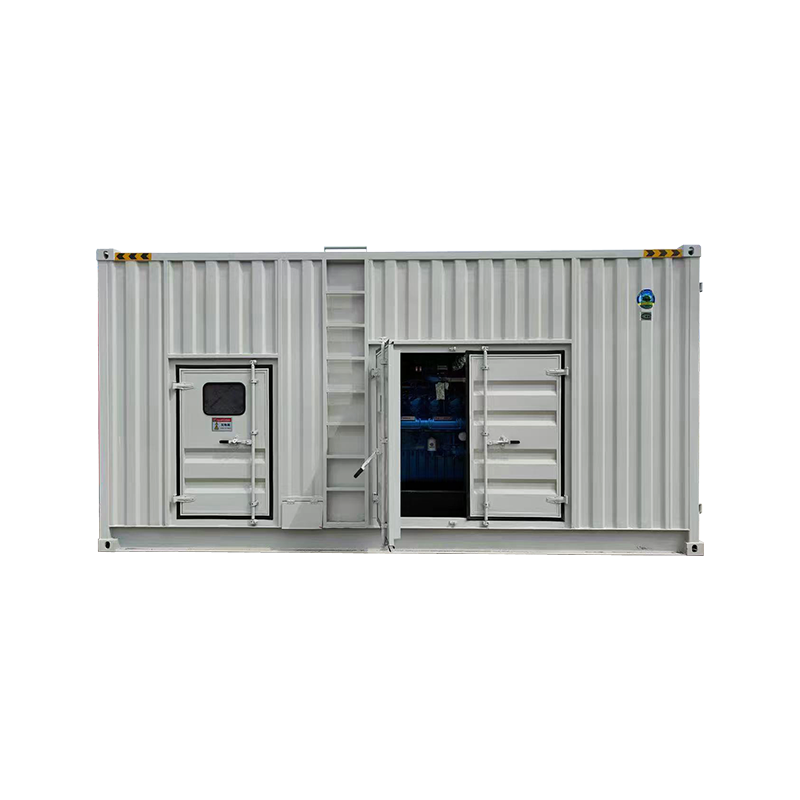
A trailer mounted generator is designed around a mobile chassis with towing equipment, wheels, axles, and suspension for transportation. A containerized diesel generator is primarily designed around an enclosed equipment structure for housing and protecting the power generation system. Some containerized generators can also be installed on trailers, combining enclosure protection with mobile transportation.
Q03Can a trailer mounted diesel generator be customized?
Yes. Customization can include generator capacity, trailer dimensions, axle configuration, suspension, towing connections, braking systems, fuel tank capacity, enclosure structure, acoustic treatment, electrical controls, and monitoring equipment. The final design should consider generator weight, transportation conditions, and local regulations.
Q04Can a trailer mounted diesel generator operate while being towed?
Standard trailer mounted diesel generators are normally designed to generate electricity after arriving at the operating location and being properly positioned and stabilized. They should not be operated during transportation unless the equipment has been specifically engineered and approved for that operating condition.
Q05How is the generator trailer stabilized during operation?
Stabilization typically involves parking the trailer on a suitable surface, applying the parking brake, using wheel chocks, and deploying stabilizing jacks or support legs where provided. The trailer should be positioned according to the manufacturer's operating instructions and the ground conditions at the installation site.
Q06How long can a trailer mounted diesel generator operate without refueling?
Operating duration depends on the fuel tank's usable capacity, engine fuel consumption, and actual generator loading. For example, a generator consuming 20 liters per hour with 400 liters of usable fuel would have an estimated operating duration of 20 hours under that specific consumption condition. Actual runtime should include an appropriate fuel reserve.
Q07What trailer configurations are available for diesel generators?
Trailer configurations may include single-axle or multi-axle structures, different suspension arrangements, towing eyes or hitch connections, braking systems, stabilizing supports, and different wheel and tire specifications. The appropriate configuration depends on the generator's loaded weight, dimensions, transportation method, and local road requirements.
Q08What information should be provided when requesting a trailer mounted diesel generator quotation?
Buyers should provide the required generator capacity, voltage, frequency, operating mode, fuel autonomy, trailer dimensions, expected total weight, towing vehicle information, destination country, and installation environment. Additional requirements such as acoustic enclosures, remote monitoring, and electrical distribution equipment should also be specified.
Trailer Mounted Diesel Generator for Temporary and Remote Power Supply
A Trailer Mounted Diesel Generator integrates a diesel power generation unit with a dedicated mobile chassis, towing assembly, and supporting systems. It provides a transportable electricity supply solution for construction, mining, industrial maintenance, emergency response, and other applications requiring equipment relocation.
When selecting a system, buyers should evaluate generator output, fuel consumption, trailer load capacity, towing compatibility, braking configuration, operating environment, and maintenance requirements. These factors help determine the appropriate generator and trailer configuration for the intended project.