English
  Français
  Español
 Container Type Diesel Generator Sets: How to Configure Remote Power Systems
Oct 14, 2026
Content
- 1 Why Container Type Enclosures Matter in Remote Power Systems
- 2 Start with the Load Profile, Not the Nameplate Rating
- 3 Fuel Autonomy and Refueling Logistics
- 4 Climate, Altitude, and Site Conditions
- 5 Control, Paralleling, and Remote Monitoring
- 6 Integration, Testing, and Customization
- 7 Frequently Asked Questions
An engineering contractor has to power a remote exploration camp 400 km from the nearest grid, with fuel delivered every three weeks and no technician on site. The reliability of the entire operation rests on one decision: how the diesel generator sets are configured. Container type diesel generator sets are built for exactly this situation, but specifying one requires more than picking a kVA rating. Load behaviour, fuel autonomy, site climate, control systems, and factory testing all have to be matched to the project before the unit ships.
Why Container Type Enclosures Matter in Remote Power Systems
Container type enclosures are the default for remote power because they package the complete generating plant into a transportable, weatherproof, secure module. Instead of building a generator room on site, the customer receives a factory-built unit that is ready to run after placement and connection.
The enclosure changes how a generator set behaves in the field:
- Weather protection keeps rain, snow, dust, and sand away from the alternator, control panel, and fuel system.
- Louvred ventilation with filtered intake airflow keeps the radiator and alternator within operating temperature at high ambient conditions.
- Locked double doors reduce theft of copper, batteries, and fuel on unattended sites.
- Integral bunded base tanks contain the fuel supply and any spill inside a single double-wall structure.
- ISO-style corner castings allow lifting, stacking, and transport by flatbed or container ship without dismantling.
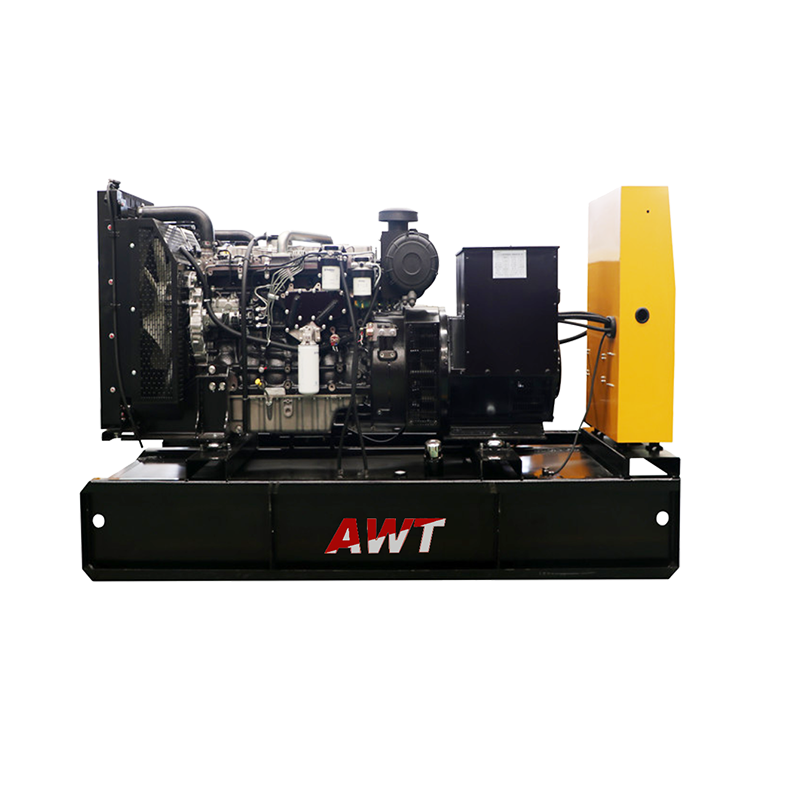
Manufacturers that build the complete container assembly, such as Yangzhou Aiweite Electromechanical Co., Ltd., test the cooling, fuel, and electrical systems together before the unit is dispatched.
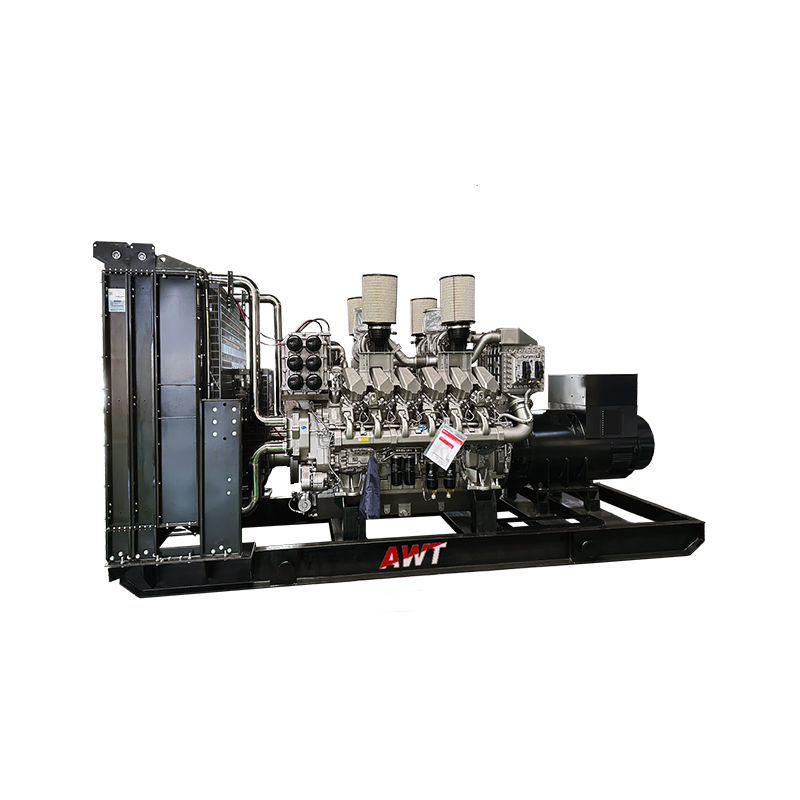
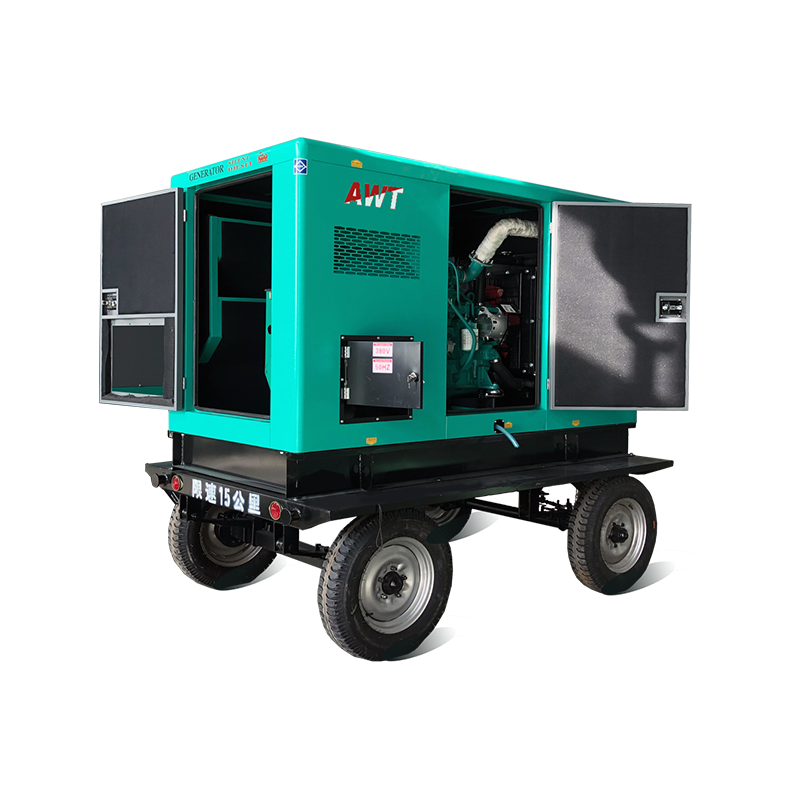
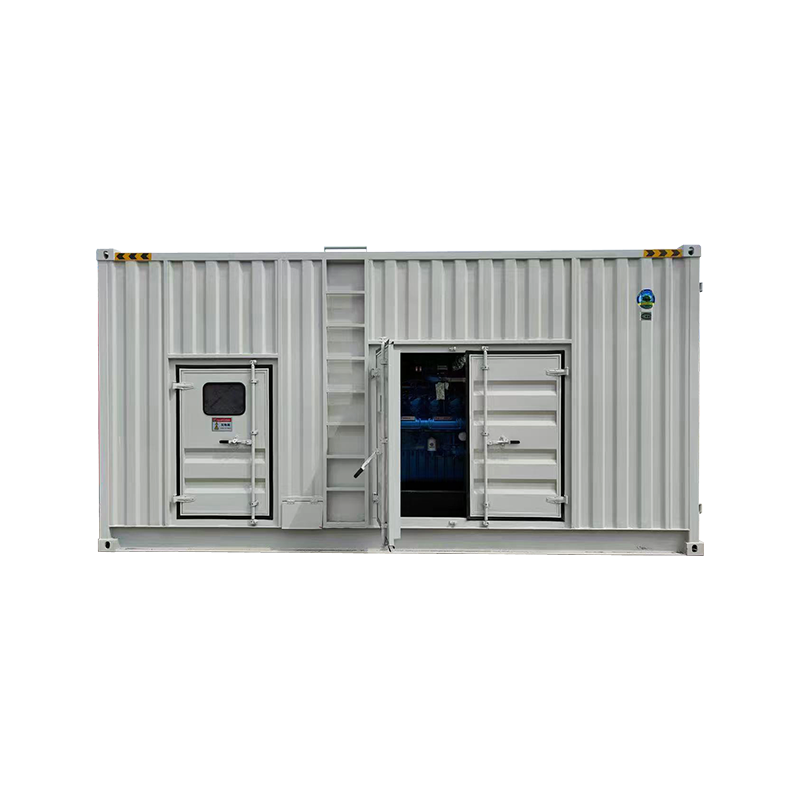 Container Type Diesel Generator Sets for Outdoor PowerFully factory-integrated ISO-style container gensets with silencing, ventilation, and fire protection. Ideal for projects needing quick deployment and reliable continuous power in harsh outdoor conditions.View Product →
A container type diesel generator set is a complete generating plant factory-integrated inside an ISO-style container, with engine, alternator, switchgear, fuel tank, ventilation louvres, and fire suppression designed and tested as one assembly.
Start with the Load Profile, Not the Nameplate Rating
The load profile determines the genset rating; equipment nameplates only provide the starting point. Starting current, power factor, and duty cycle push the real demand well above the arithmetic total, so a generator set must be sized for the peak transient, not for the sum of nameplate kW.
Three factors dominate the calculation:
- Motor starting current: induction motors draw 3 to 6 times running current for a few seconds, creating a voltage dip that can stall other loads.
- Non-linear loads: variable frequency drives and UPS units add harmonic distortion, so the alternator needs a low sub-transient reactance, with Xd around 12% or lower.
- Diversity: camp loads rarely run simultaneously, so applying a 0.7 to 0.8 diversity factor prevents over-sizing while keeping headroom for start-up.
| Load category | Running kW | Starting kVA | Duty cycle |
| Camp lighting and sockets | 35 | 42 | Continuous |
| Water supply pumps | 36 | 108 | Cyclic |
| HVAC and refrigeration | 55 | 120 | Seasonal |
| Workshop equipment | 30 | 58 | Day shift |
| Conveyor drive motor | 110 | 330 | Intermittent |
| Total running demand | 266 | 330 peak | — |
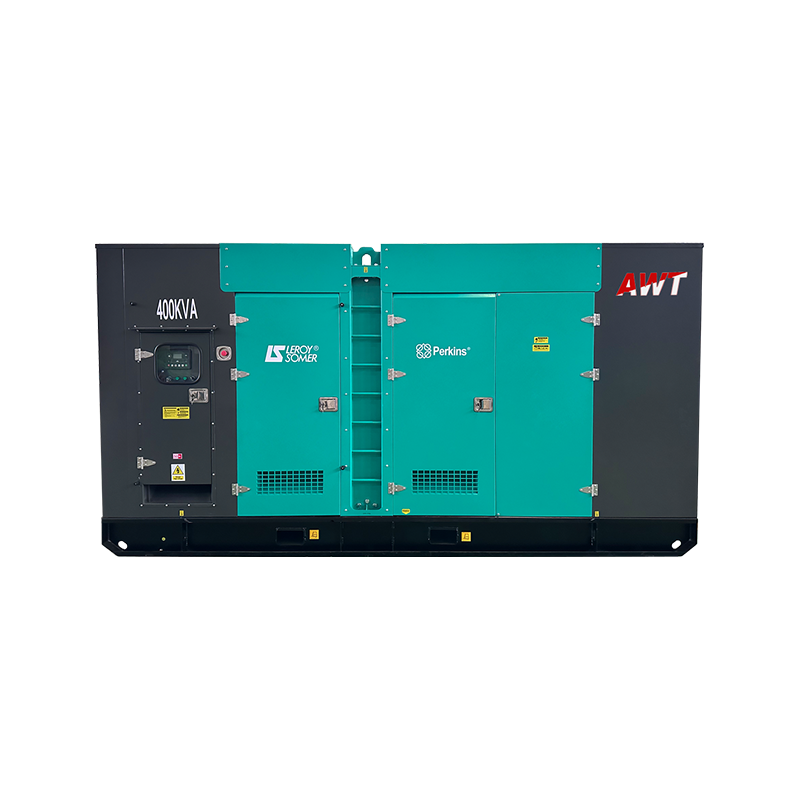
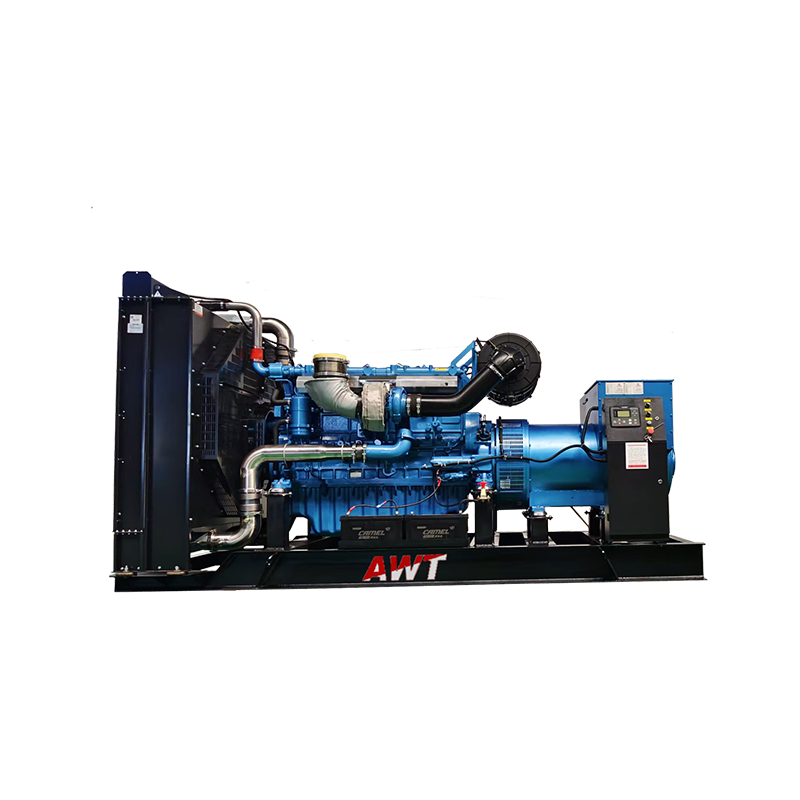 400kVA-1000kVA Heavy-Duty Industrial Diesel GensetsEngineered for large industrial and critical infrastructure loads, these sets offer robust overload capacity and fast response. Useful when sizing reserves for continuous loads around 266 kW.View Product →
The continuous total is 266 kW. At 0.8 power factor that is about 333 kVA, so a 400 to 500 kVA set in the 400-1000 kVA class leaves a 25% margin for transients and future load.
Fuel Autonomy and Refueling Logistics
Fuel system design for a remote site starts from the delivery interval, not from the brochure fuel-consumption figure. The tank capacity and the refueling schedule must be calculated together so the genset never has to shut down for lack of fuel.
A modern diesel genset burns roughly 0.20 to 0.22 litres per kWh at 75% prime load. For a 1000 kVA unit with an 800 kW alternator capacity, 75% load means 600 kW, or about 126 litres per hour. Over 24 hours that is roughly 3,000 litres, and across a two-week delivery cycle the site must store more than 42,000 litres unless deliveries are scheduled more often.
Fuel consumption vs load, 1000 kVA prime-rated container genset
For long unattended operation, specify a double-wall base tank with level sensors, automatic fuel polishing, and a leak-detection port. External fuel farms connected by a day tank give greater autonomy, but the container genset still carries the day tank that controls the refill cycle.
Climate, Altitude, and Site Conditions
Altitude and extreme temperatures change the genset's real output, so the configuration must be derated at the design stage. A set selected for sea-level conditions will be permanently underpowered at a high-altitude site, and field retrofits are costly.
Three environmental factors drive most remote-site configuration decisions:
- Altitude: above 1,000 m, output falls roughly 3.5-4% per additional 1,000 m. At 3,000 m, a 500 kVA set delivers around 440 kVA without derating.
- High ambient temperature: above 40 degrees C, derate about 2-3% for every 5 degrees C rise, and check radiator capacity for the hottest month of the year.
- Cold climate: below -15 degrees C, specify jacket-water heaters, battery heaters, and cold-rated lubricants to guarantee start-up.
Dust, salt, and driving rain also affect the enclosure specification. Heavy-duty air filters, sealed control cabinets, and rain hoods over louvres are low-cost options that prevent expensive field failures.
Derating is not optional. At 3,000 m altitude and 45 degrees C ambient, the combined derating can reach 25-30%. Size the container genset up at the RFQ stage; a larger radiator and turbocharger package fitted later is slower and more expensive than selecting it in the factory.
Control, Paralleling, and Remote Monitoring
The control system decides whether a remote power installation runs itself or demands daily attention, so specify automatic start, remote telemetry, and paralleling before the set is built. Configured correctly, the genset behaves like a small grid.
Operators in mining, oil and gas, and critical infrastructure routinely specify these features; the same industrial applications that rely on container gensets also demand the highest level of automation.
Site-attended operation
- Operator starts and stops the set daily
- Manual fuel level checks
- Local alarms only
- Single set without redundancy
Unattended remote operation
- Auto start on load demand or mains failure
- Fuel telemetry with low-level alerts
- Paralleled N+1 redundancy
- Remote voltage and load-sharing adjustment
Paralleling requires a synchronous controller with protection relays, metering, and a common bus. When one set must be serviced, the remaining sets share the load without dropping the site.
A properly configured remote power system starts on demand, shares load across parallel sets, alarms before fuel runs out, and can be reset from a laptop hundreds of kilometres away.
Integration, Testing, and Customization
The configuration process ends with a factory load test, because every interface must be proven as one system before the container ships. Cooling, fuel, exhaust, control, and protection all interact; a wiring error discovered at a remote site costs weeks of delay.
Engine choice drives fuel burn, parts availability, and service intervals. The Cummins-powered range is widely used on remote projects because of its global parts network, but other brands suit regions with local dealer support.
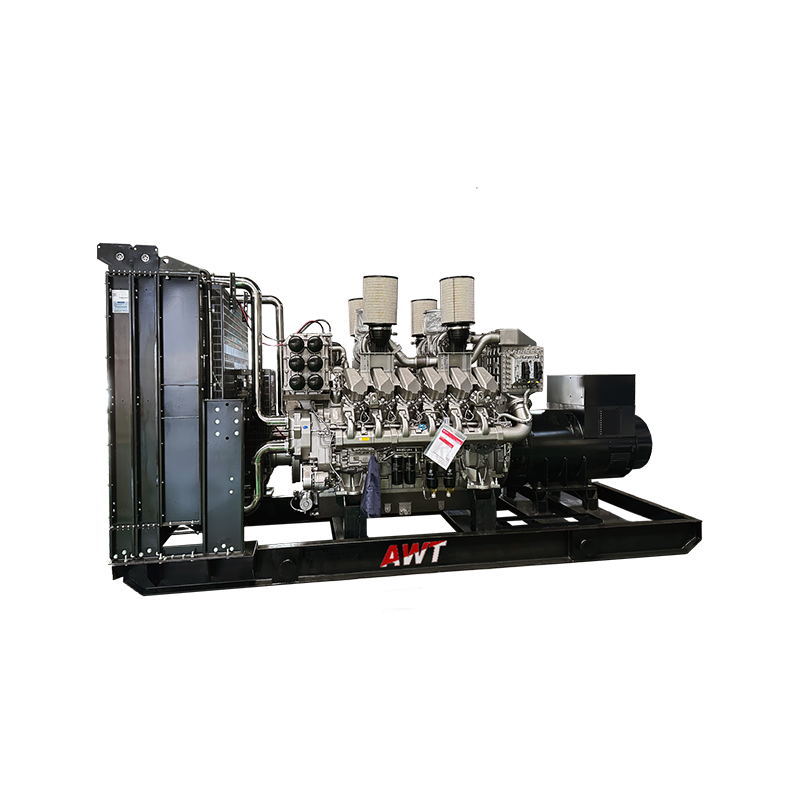
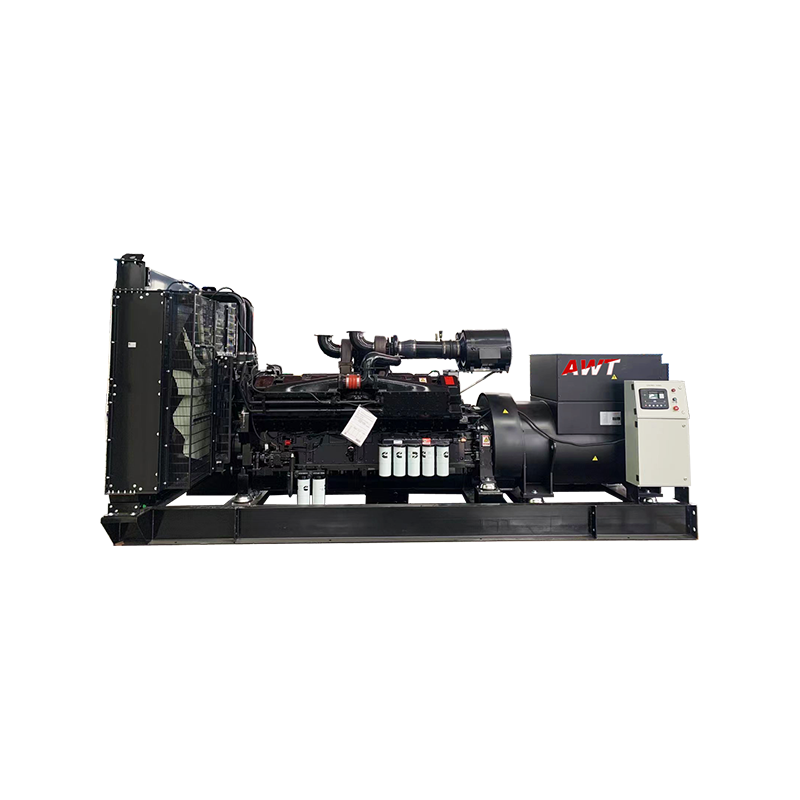 Cummins Powered Diesel Generator Sets with Global SupportGenuine Cummins engines backed by a worldwide parts network make these units well-suited for remote projects. Available across a wide power range with options for OEM/ODM customization.View Product →
For distributors and project integrators, Yangzhou Aiweite Electromechanical Co., Ltd. offers OEM and ODM services, so a container power plant can ship under the customer's own brand, paint colour, and control-panel layout. See the site's OEM/ODM manufacturing services page for the full scope of customization.
- Site survey and load audit: document loads, fuel logistics, altitude, and environmental limits.
- System design: engine, alternator, controller, tank size, derating calculations, and protection scheme.
- Container fabrication and integration: mounting, ventilation, fuel and exhaust routing, fire suppression.
- Factory load test: full load-bank test with a witness and a written test report.
- Shipping, installation, and commissioning: site works, cabling, commissioning run, and operator training.
Put the commissioning engineer's checklist into the purchase order. A remote site can lose two weeks waiting for a missing breaker or cooling-fan belt, so spares and consumables should ship inside the container.
Frequently Asked Questions
What size container type diesel generator set do I need for a remote camp?
Add up the running kW of every load, apply a 0.7 to 0.8 diversity factor, add 25% margin for starting transients, and divide by 0.8 power factor to get kVA. A camp with 266 kW running load typically needs a 400 to 500 kVA set.
How long can a container genset run without refuelling?
At 75% load a 1000 kVA unit burns about 126 L/h, so a standard base tank provides 12 to 24 hours. Extended base tanks or external fuel farms give 72 hours or more, depending on the delivery interval at the site.
Can container type diesel generator sets be paralleled?
Yes. Multiple sets with synchronous controllers run in island parallel, share load, and provide N+1 redundancy. Paralleling packages must be factory-installed because they include protection relays, metering, and a common bus.
How does altitude affect the rating of a container genset?
Above 1,000 m, derate roughly 3.5-4% per additional 1,000 m. At 3,000 m, a 500 kVA set delivers about 440 kVA, so altitude should be stated in the RFQ before the unit is configured.
When you send an enquiry for a container genset, include the site altitude, maximum ambient temperature, fuel delivery interval, and a load schedule. These four inputs determine 80% of the configuration decisions.