English
  Français
  Español
 Baudouin Powered Diesel Generator Sets: How to Choose the Right Generator Capacity
Sep 14, 2026
Content
A plant engineer adds a 180 kW load list to a spreadsheet and orders a 200 kVA Baudouin powered diesel generator set. On the first outage, the set shuts down on overload protection every time the 22 kW cooling compressor starts. The engine brand is not the problem; the sizing method is. Generator capacity is set by the worst transient in the building, not by the average kilowatt figure on equipment nameplates.
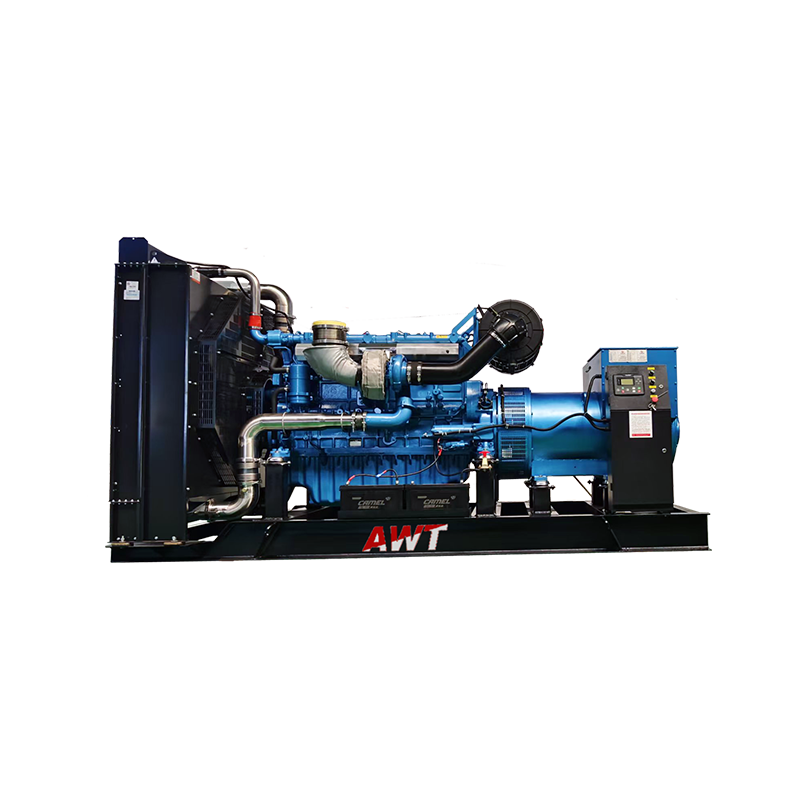
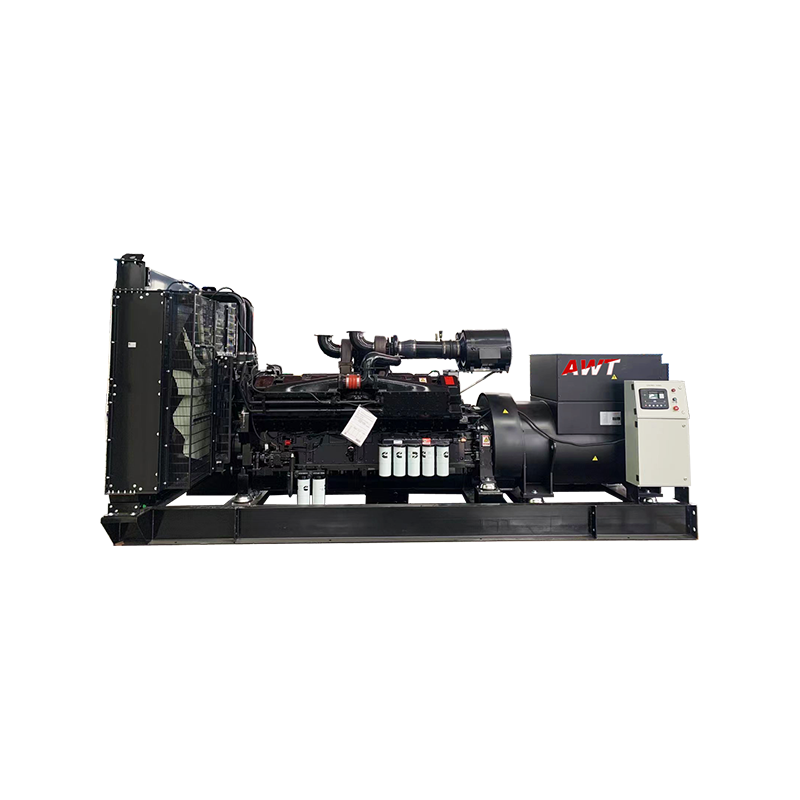
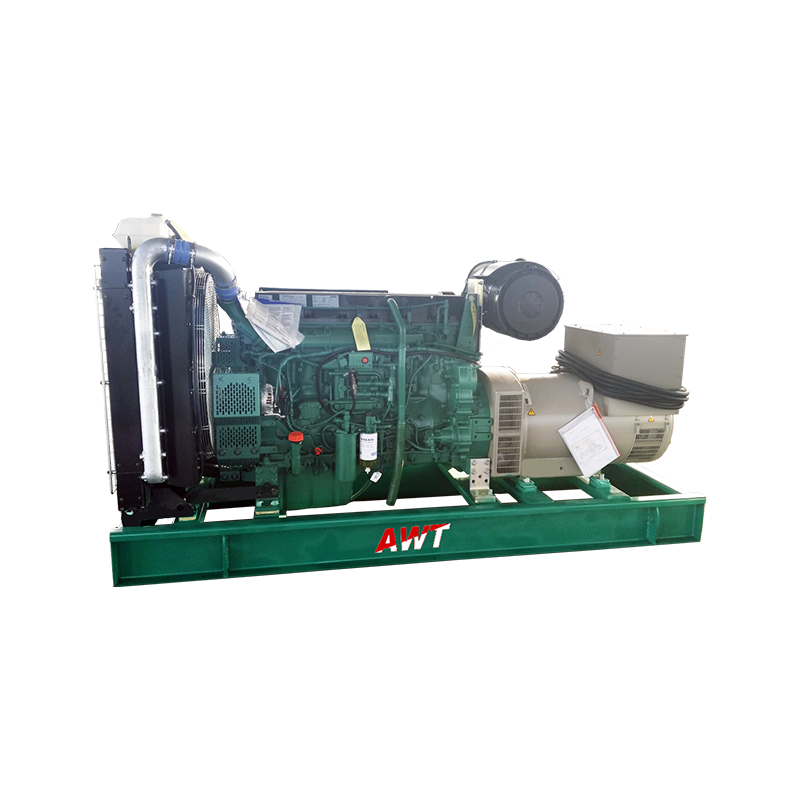
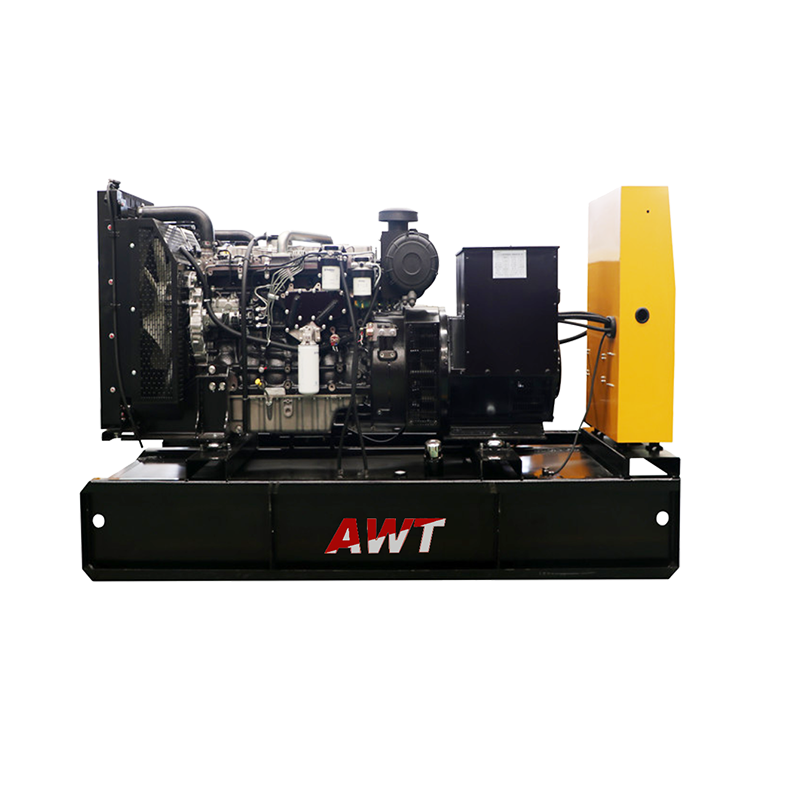
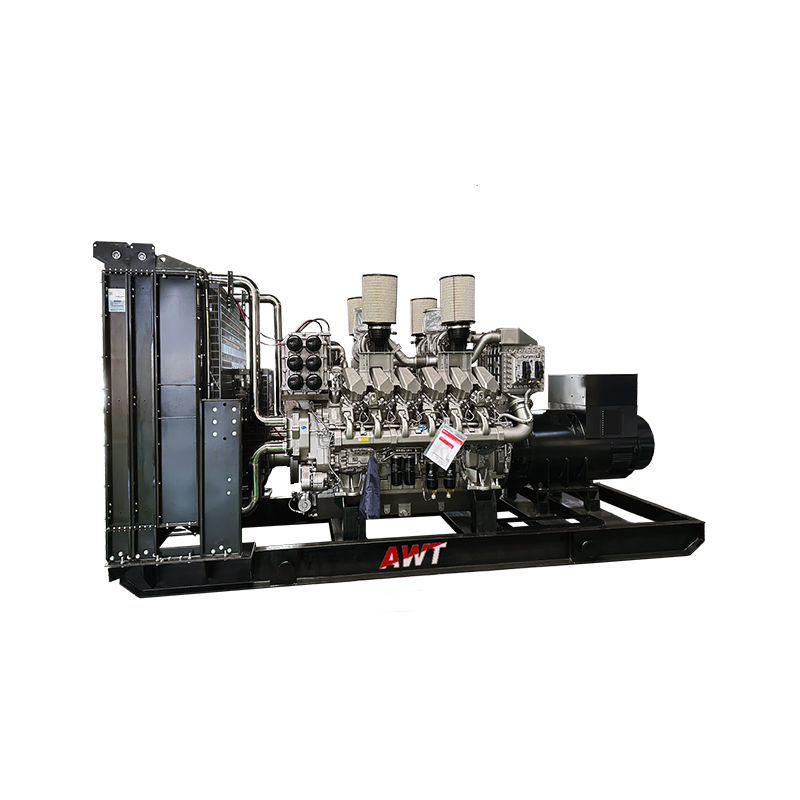
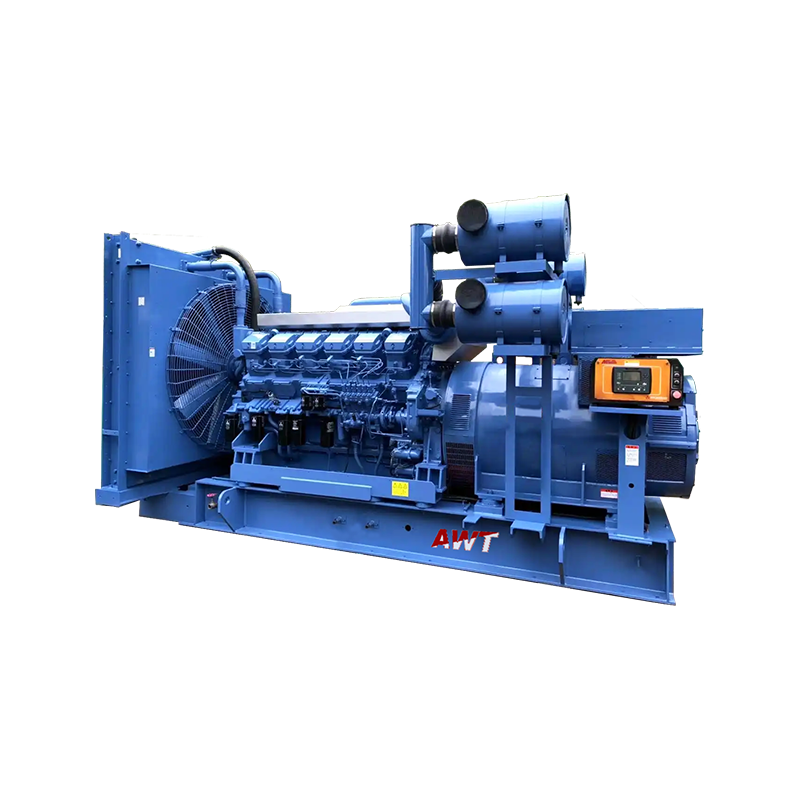
Choosing the right generator capacity for a Baudouin powered set takes five inputs: the duty rating, the running load, the starting current of the largest motor, the site's altitude and ambient temperature, and the enclosure type. Each input is covered below with the numbers a procurement engineer actually needs. The reference range throughout is the Baudouin powered diesel generator set line built by Yangzhou Aiweite Electromechanical Co., Ltd., a generator set manufacturer whose factory serves industrial and infrastructure projects across 10-2,500 kVA.
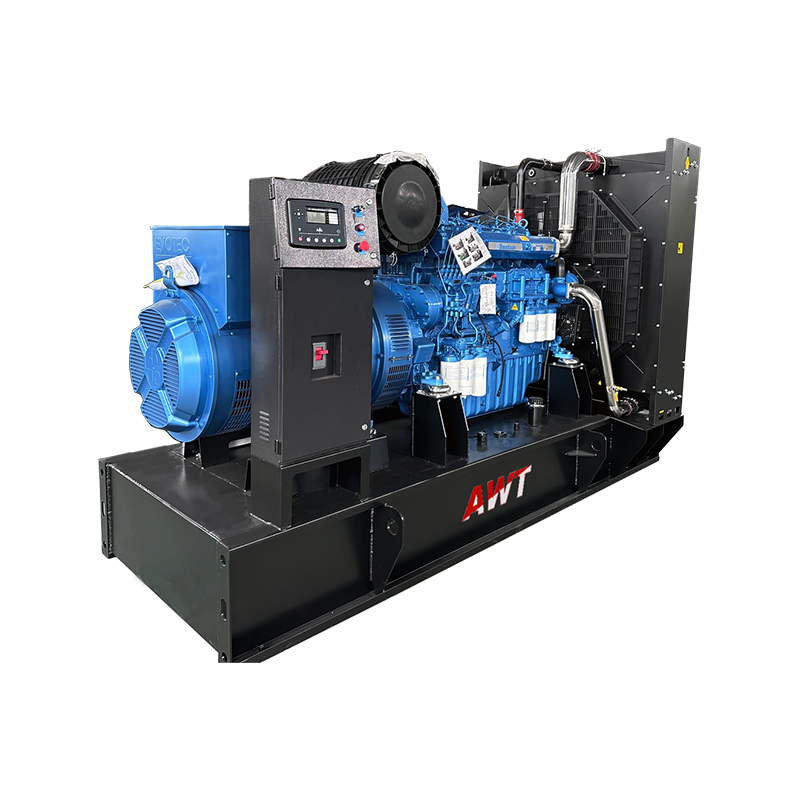 Baudouin Powered Diesel Generator Sets for Industrial ApplicationsThis reference range supports 10-2,500 kVA projects with ISO 8528 compliance and genuine Baudouin engines, useful for sizing across duty classes and environmental derating conditions.View Product →
Capacity Starts with Duty, Not with a Number
The correct generator capacity is defined by the duty class, because standby and prime machines with the same engine are deliberately de-rated for different work.
Before calculating any load, decide whether the set must carry the site for a few hours a year or for weeks at a time. A machine that runs through a multi-day outage is a prime power machine. A machine that only acts as a utility failure backup is a standby machine. Baudouin powered set nameplates follow ISO 8528-1, which publishes the same set with separate standby, prime, and continuous figures.
Operating below the load band is as damaging as overloading. Turbocharged diesel engines that run below about 30% of prime rating for long periods develop wet stacking, where unburned fuel and soot accumulate in the exhaust path and shorten engine service life.
How to Read Baudouin Ratings Correctly
The usable capacity of a Baudouin powered set equals the set nameplate kVA after duty classification, alternator power factor, and generator-side derating are applied.
Moteurs Baudouin is a French engine manufacturer founded in Marseille in 1918, now integrated into the Weichai group. In the range assembled by Yangzhou Aiweite Electromechanical, Baudouin engines are matched with industrial alternators and control systems to produce sets from 10 kVA up to 2,500 kVA. The set nameplate governs, not the engine nameplate, because the alternator's ability to hold voltage during a motor start is usually the limiting factor.
| Duty class | Intended operation | Typical annual use | Overload capacity |
| Standby (ESP) | Emergency supply during a utility failure; variable load | Up to 200 hours | None |
| Prime (PRP) | Continuous supply at variable load; average not exceeding 70% of prime | Unlimited hours | 10% for 1 hour in every 12 |
| Continuous (COP) | Constant load for extended periods | Unlimited hours | None |
If the project brief says "backup only", the standby figure is acceptable only when run hours will stay below roughly 200 per year. For any facility that must run through a multi-day outage, size against the prime figure and keep the steady load inside the 60-75% band.
Five Steps to Calculate the Generator Capacity
The right capacity is the largest of three results: running kVA, running kVA plus the largest starting transient, and the load floor that prevents wet stacking.
The five steps below translate a load inventory into a testable kVA number.
- Inventory every connected load. List motors, pumps, compressors, lighting, and controls with nameplate kW, power factor, and run pattern. The base load that runs for the whole outage matters more than occasional loads.
- Classify the starting method of every motor. Direct-on-line starting draws six to seven times full-load current. Star-delta cuts that to about one-third, soft starters to roughly 40%, and a variable-frequency drive to near 20%.
- Calculate running kVA. Divide each load's kW by its power factor and sum the results. Apply a diversity factor of 0.7 to 0.9 where loads never run simultaneously.
- Calculate the largest starting transient. Add the starting kVA of the largest motor to the running kVA of everything else. Repeat for the second-largest motor if it can start before the first start completes.
- Apply derating and select the next standard size. Adjust for altitude, ambient temperature, and enclosure ventilation, then round the result up to the nearest standard set rating.
Relative starting current by motor starting method
| Load | Running kW | Running kVA | Start method | Starting kVA |
| 40 kW lighting and IT | 40 | 42 | Not applicable | 42 |
| 22 kW compressor | 22 | 26 | Direct-on-line | 181 |
| 15 kW transfer pump | 15 | 18 | Soft starter | 50 |
| 10 kW auxiliary controls | 10 | 11 | Not applicable | 11 |
| Total | 87 | 97 | - | Peak 252 |
Note: Peak 252 kVA assumes the 22 kW compressor starts while lighting, pump, and controls are already running. Synchronized direct-on-line starts of both motors would exceed 300 kVA.
From Table 2, the steady running kVA is 97 before diversity and about 87 after the 0.9 factor. During the compressor start, the set must supply 181 kVA to the motor plus 71 kVA to the running base, roughly 252 kVA for two to three seconds. That removes every set below 200 kVA from consideration.
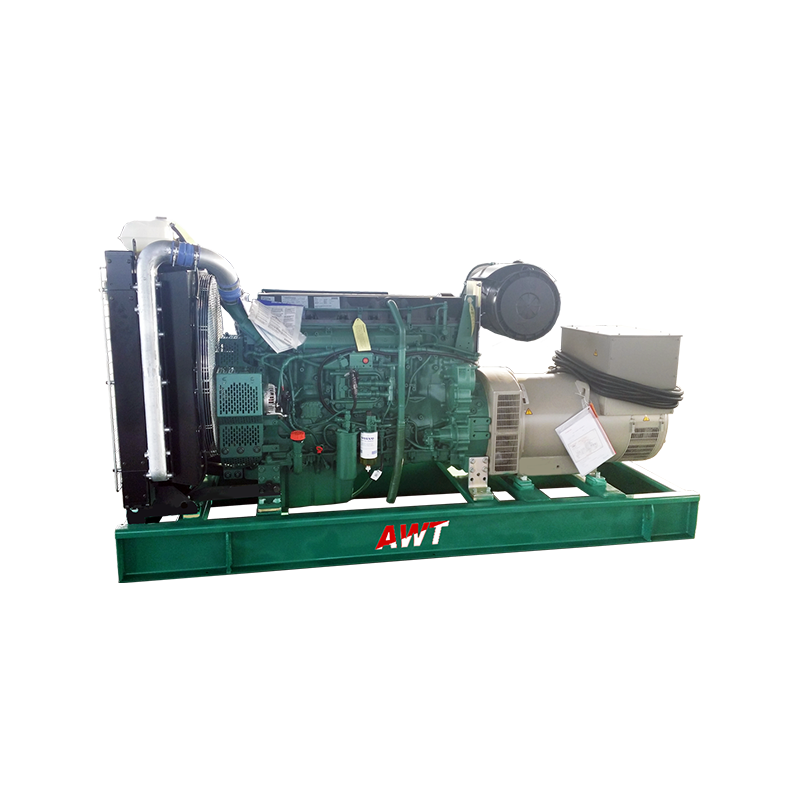 100-400 kVA Universal Diesel Generator Sets for Medium LoadsThese mid-power gensets suit motor-start transients and steady running loads, with full-copper alternators and controller options for industrial and municipal standby power.View Product →
Derate for Altitude, Temperature, and Enclosure
A Baudouin set rated at 250 kVA at sea level is not 250 kVA at 1,500 m altitude in a 40°C silent enclosure.
Manufacturers reference the prime rating at an intake air temperature around 25°C and an altitude close to sea level. Above 1,000 m, air density drops, so a turbocharged Baudouin engine typically loses about 3% of output for every additional 500 m of altitude, and about 1% for every 5°C above 25°C. A site at 1,500 m and 40°C therefore needs around 6% more installed capacity before the enclosure is considered.
Yangzhou Aiweite builds Baudouin sets in open, silent, container, and trailer structures. Open sets follow the nameplate. Silent and container sets lose part of the cooling flow through acoustic louvers and restricted radiator openings, typically 3-5%. Trailer sets follow the open curve but need clear airflow during use.
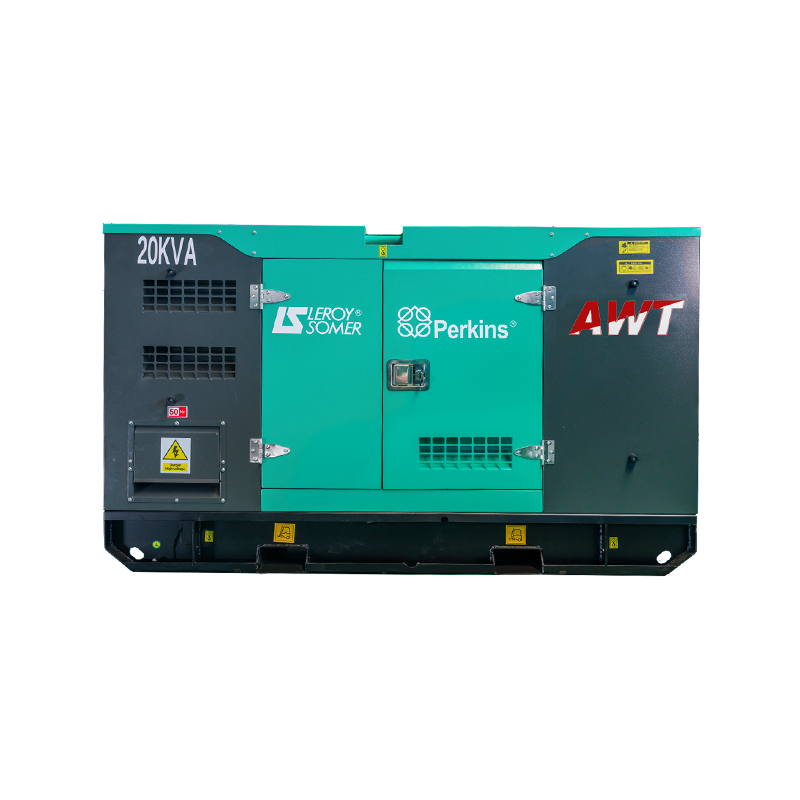 Silent Type Diesel Generator Sets with Low Noise EnclosuresEnclosed units reduce noise to ≤75 dB(A) and protect against weather and dust, relevant when enclosure derating affects generator capacity selection.View Product →
Final Selection Checklist for a Baudouin Powered Set
Confirm the duty, the motor-start transient, the derating, and the enclosure before ordering, then verify the delivered set against the purchase order before acceptance.
Confirm before ordering
- Duty class matches real outages: standby for short backup, prime for multi-day running.
- Load inventory includes every motor and its starting method.
- Peak starting kVA computed for the largest and second-largest starts.
- Altitude, ambient temperature, and enclosure derating added.
- Fuel consumption checked at 50-75% load, where the set will actually operate.
Verify before accepting delivery
- Nameplate kVA, voltage, frequency, and power factor match the purchase order.
- Load-bank test completed at 75% load for at least one hour.
- Voltage and frequency recovery observed after a 75-100% step load.
- Autostart and ATS sequence tested with the utility supply interrupted.
- Warranty, documentation, and spare parts list included in the handover.
Yangzhou Aiweite Electromechanical Co., Ltd. builds Baudouin powered sets for the capacities calculated above and also supports OEM/ODM manufacturing and installation projects, so the sizing decision can be converted directly into a factory specification.
Frequently Asked Questions
What size generator do I need for a 100 kW load?
Divide 100 kW by the site power factor, normally 0.8, to get 125 kVA of running load. Add the starting kVA of the largest motor. A facility with a 22 kW direct-on-line motor typically needs a 200-250 kVA prime-rated set; a facility with no motor starts can use a 125-150 kVA set.
Can a Baudouin powered generator set run at full load permanently?
Not if the set is prime-rated. Prime power assumes variable load with an average of 70% of the rating. Running at 100% continuously for hundreds of hours stresses the alternator thermally and shortens overhaul intervals. Specify a continuous-rated (COP) set for constant full-load duty.
What is wet stacking and how do I avoid it?
Wet stacking is the accumulation of unburned fuel and carbon in the exhaust of a diesel that runs too long below about 30% load. Avoid it by keeping the average load above 30%, scheduling a monthly load-bank run at 70-80% load for one to two hours, or adding real loads during low-demand periods.
Why does a motor start need so much more capacity than its nameplate?
A direct-on-line induction motor draws six to seven times its full-load current during the first seconds of acceleration. A 22 kW motor can momentarily demand about 180 kVA, and the generator must supply that while holding frequency and voltage inside the required class limits. The starting transient, not the nameplate power, sets the capacity.