English
  Français
  Español
 Silent Type Diesel Generator Sets: How Acoustic Enclosures Affect Performance
Sep 14, 2026
Content
A city hotel project lost its temporary power permit because the new 150 kVA backup set woke neighbouring apartments at 6 a.m. The boundary noise limit was 55 dB(A); the open skid set produced more than 100 dB(A) at 1 metre. The generator itself was healthy. The noise was never the generator's fault, and that is the whole point of a silent type diesel generator set.
An acoustic enclosure does more than absorb sound. It raises the temperature around the engine, restricts intake and exhaust flow, and changes the useful output you can safely draw from the set. This article explains exactly how acoustic enclosures affect generator performance, what trade-offs are involved, and what to verify before you buy.
What Is a Silent Type Diesel Generator Set?
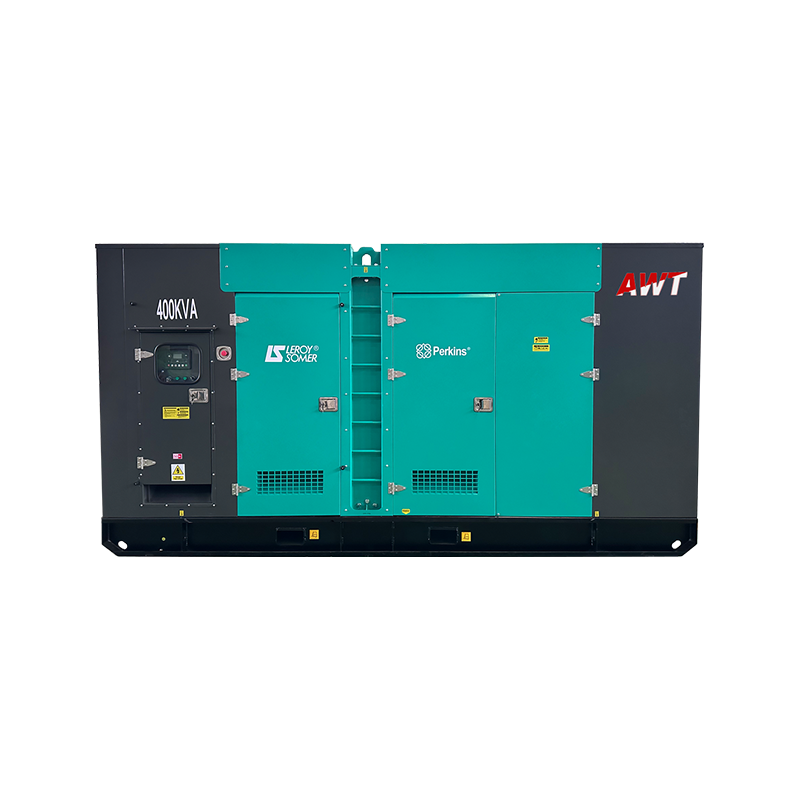
A silent type set is a generating set with a weatherproof, sound-attenuated canopy fitted at the factory. The canopy is lined with mineral wool or acoustic foam, and both the combustion intake and the cooling air path are routed through silencers so that radiated noise stays inside the enclosure.
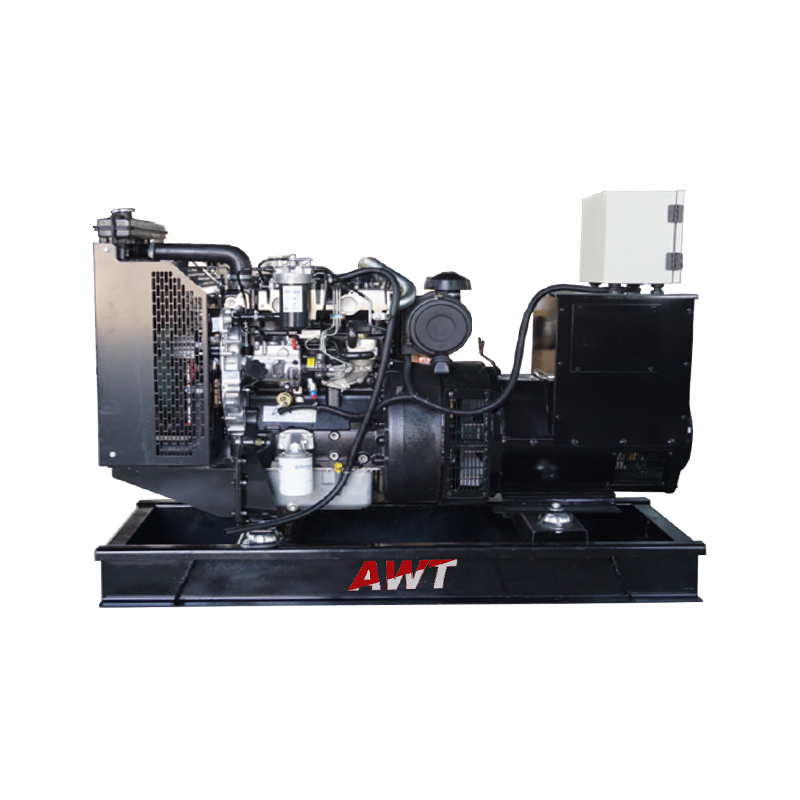
An open type set has no canopy and commonly measures 100 to 110 dB(A) at 1 m. A silent type set typically sits between 65 and 80 dB(A) at 1 m, depending on the enclosure grade and the silencer package fitted.
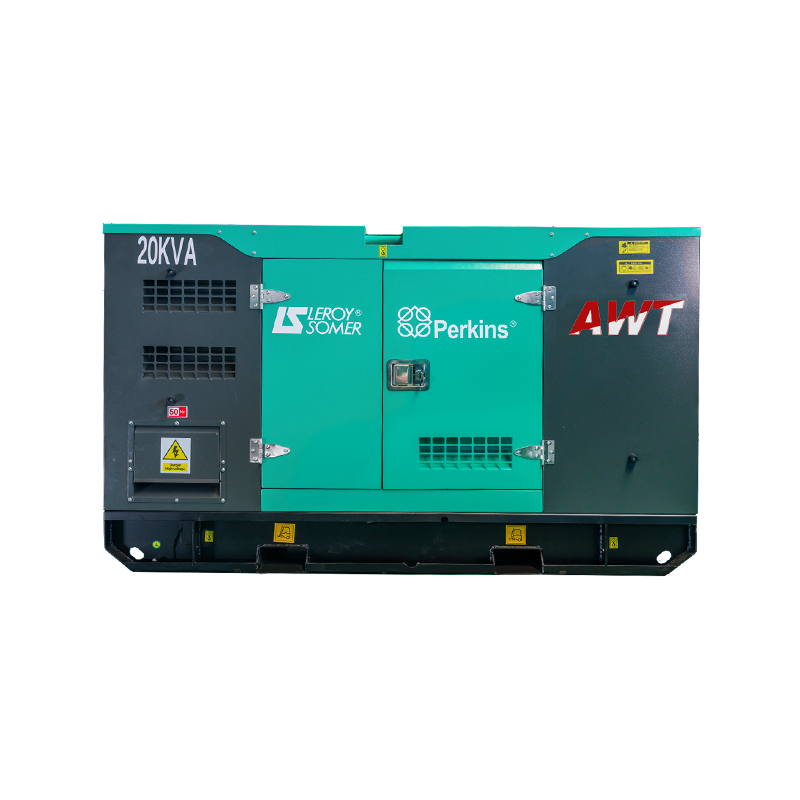 Silent Diesel Generator Set with Soundproof CanopyThis enclosed low-noise generator set reduces operating sound to around 75 dB(A) while protecting against dust and weather. Its balanced heat dissipation design suits urban, commercial, and residential standby power needs.View Product →
The practical difference is engineering balance, not panel thickness. A silent set must manage noise, cooling airflow, and heat rejection as a single system.
How an Acoustic Enclosure Affects Generator Performance
The first effect is positive: lower noise, protection from rain and dust, and simpler permitting for urban sites. The second effect is thermal, and this is where rated capacity is most often lost.
Cooling Airflow and Under-Canopy Temperature
A diesel engine turns only about 35 to 42 percent of fuel energy into shaft power; the rest is heat rejected to jacket water, exhaust, and radiated surfaces. In an open set, that heat escapes freely. Inside an acoustic enclosure, intake louvres and sound baffles reduce the free area for air, so under-canopy temperature climbs, intake air gets less dense, and the engine produces less power at the same fuel setting.
As a working rule, output falls roughly 2 percent for every 5°C above a 40°C rated ambient, and about 1 percent per 100 m of altitude above 1,000 m for naturally aspirated engines. A poorly ventilated canopy can easily run 10°C hotter than the outside air, which means a 4 percent output loss before the site altitude is even considered.
Always request the de-rate curve for your site conditions rather than assuming the nameplate kVA is continuous. A silent set that is cooked by its own heat is no bargain at any price.
Intake Restriction and Exhaust Backpressure
Acoustic enclosures lengthen the air intake and add a secondary air silencer; every bend and every reduced opening adds pressure drop. High-grade engine exhaust silencers add backpressure. If the engine manufacturer's maximum limits are exceeded, the mixture runs rich, exhaust temperature climbs, and specific fuel consumption rises. The nameplate rating assumes those limits are respected.
Maintenance and Accessibility
An enclosure changes the service routine as well. If the oil filter, fuel filter, dipstick, and controller are reachable through hinged side doors, maintenance stays a simple job. If major panels must be removed, routine service becomes an all-day task, and clogged cooling louvres will silently degrade airflow between services.
Enclosure Grades and Typical Noise Levels
Noise performance is not one number. Reliable manufacturers test to ISO 8528-10 and state dB(A) values at 1 m and 7 m with the load condition stated. The table below gives indicative ranges only.
| Configuration | Typical level, dB(A) at 1 m | Typical application |
|---|---|---|
| Open skid-mounted set | 100 to 110 | Plant rooms, remote industrial yards |
| Standard weatherproof canopy | 85 to 95 | Roof tops, warehouses, out-of-town facilities |
| Silent type acoustic enclosure | 70 to 80 | Hospitals, hotels, telecom sites, urban projects |
| Ultra-silent or containerised set | 60 to 70 | Residential boundaries, events, mixed-use districts |
Every 6 dB reduction halves the sound pressure at the same distance, while a 10 dB reduction is roughly perceived as half as loud. The gap between 80 and 68 dB(A) is therefore much larger than the digits suggest. When boundary noise is the decisive constraint, select the whole package (engine, canopy, silencer, exhaust routing) rather than a quiet box added to a standard generator.
Where Silent Type Sets Make Sense, and Where They Do Not
Silent type sets pay for themselves where people live, work, or measure noise: hospitals, hotels, apartment buildings, telecom sites, retail centres, and construction inside city limits. The acoustic package also simplifies permitting because the compliance evidence is already on the data sheet.
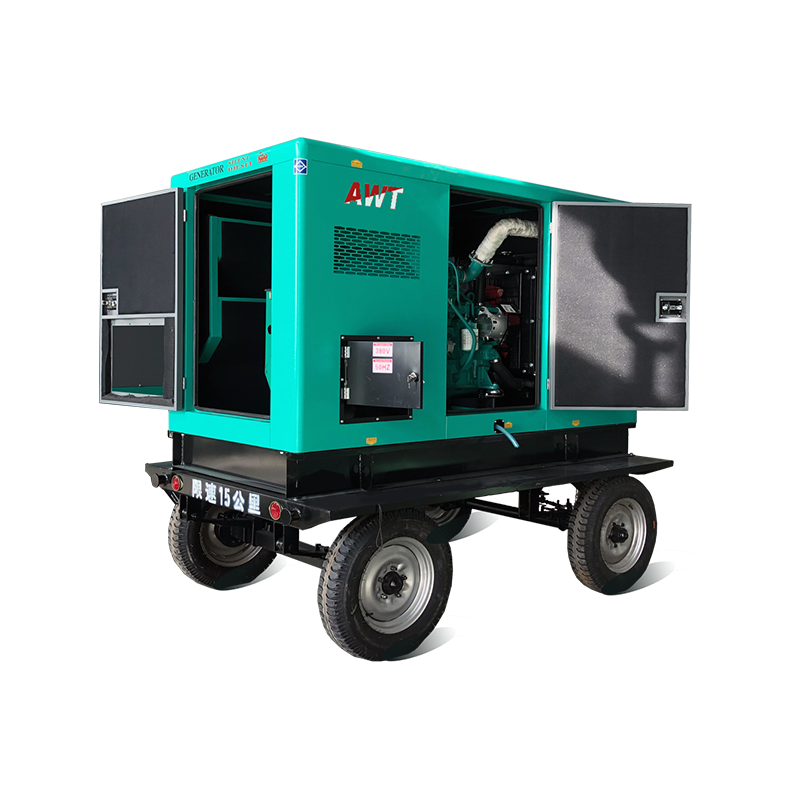
For an isolated pump station, a farm shed, or a factory yard with no nearby noise receptors, an open type set installed in a generator room is cheaper and easier to service. If the set has to move between jobs, a trailer type set gives mobility with the same acoustic benefit. For extreme weather and long unattended runs, a container type set is the stronger choice.
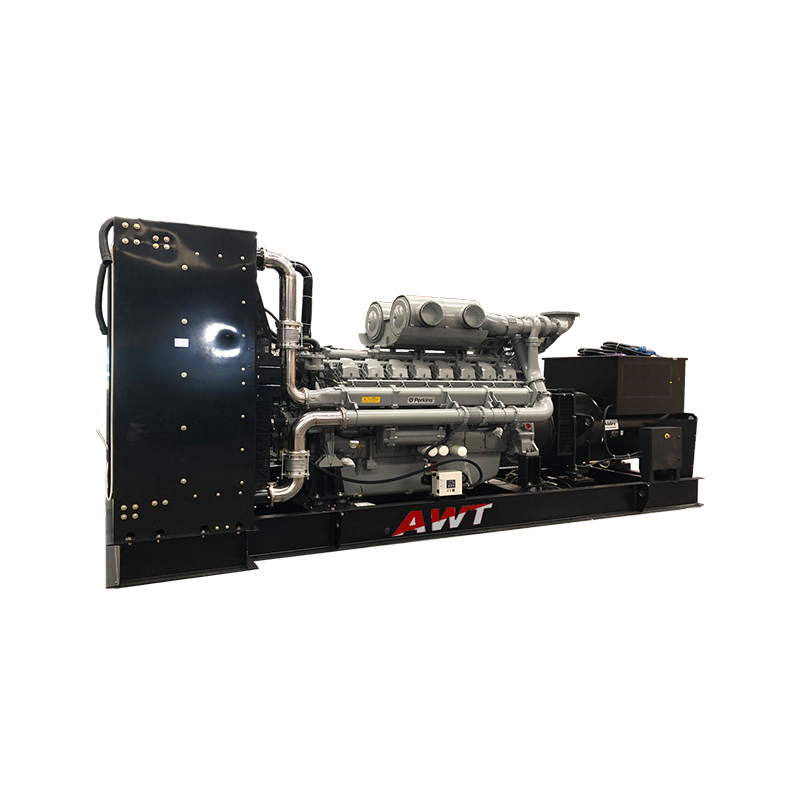 Open Diesel Generator Set for Fixed Indoor InstallationsWithout a canopy, this generator offers efficient natural cooling and easy access to core components. It provides a cost-effective choice for sites without strict noise limits, supporting straightforward maintenance and future upgrades.View Product →
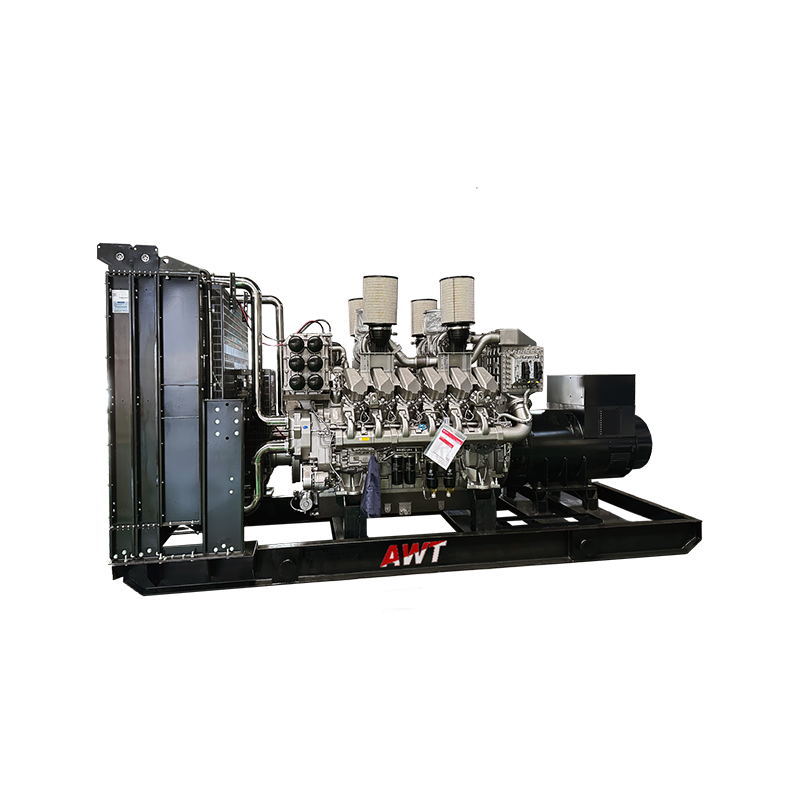
 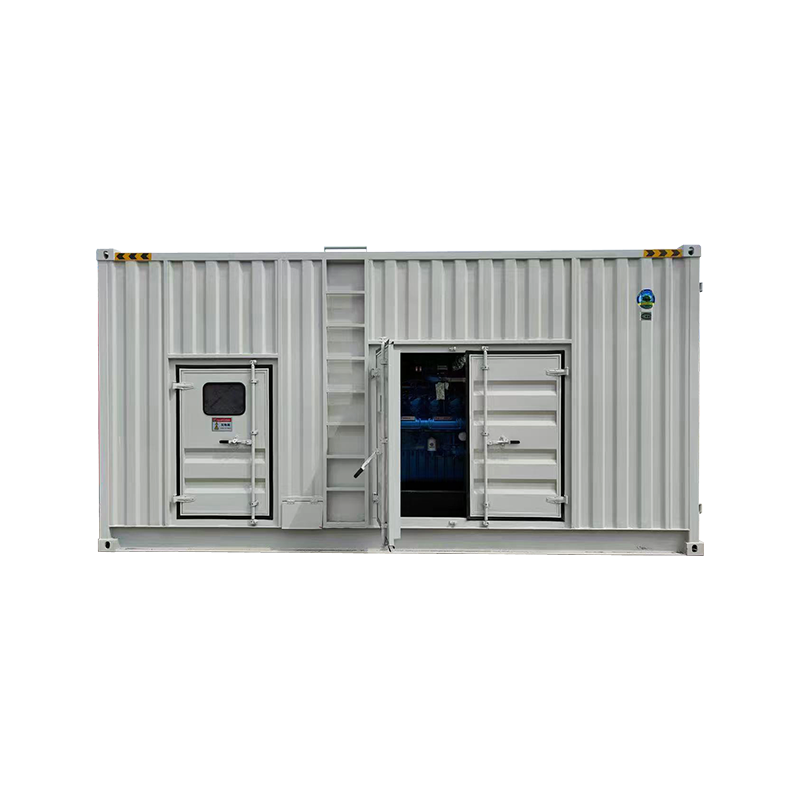 Container-Type Diesel Generator Set for Harsh ConditionsBuilt inside a standard container shell, this generator integrates silencing, weatherproofing, and fire protection. It handles extreme temperatures, salt spray, and continuous full-load runs, making it reliable for large outdoor power stations.View Product →
Selection logic starts from the boundary condition of the site, not from the generator. For more on how different sectors apply these packages, see the industry applications overview on this site.
What to Verify Before You Buy a Silent Type Set
A silent type set is a system, so buy it on system data rather than brochure figures. The checklist below covers the essentials.
- Ask for the de-rate curve at your site ambient temperature and altitude, in writing, and confirm that the quoted kVA is continuous power at those conditions.
- Request the noise test certificate to ISO 8528-10, with dB(A) at both 1 m and 7 m, measured at 75 percent load.
- Check the cooling airflow path: louvre free area, radiator face area, and rated fan airflow. A bigger fan does not compensate for badly shaped baffle openings.
- Confirm the engine manufacturer's maximum intake restriction and exhaust backpressure, and ask how the enclosure stays within those limits at full continuous load.
- Inspect maintenance access: the oil filter, fuel filter, dipstick, and controller should be reachable without removing major panels.
- Compare fuel consumption between the open and silent versions of the same base generator at your normal load. If the maker cannot quote this, the ventilation is probably marginal.
A set that burns extra fuel for ten years costs multiples of the enclosure price difference. The broader question of supplier evaluation, including production quality control and after-sales support, appears in this guide to choosing a diesel generator OEM / ODM manufacturer.
The acoustic enclosure is not a box around a generator. It is an airflow system that trades a few decibels for a measurable change in thermal load and air pressure. Designed around the engine and tested as a complete set, it delivers quiet operation and honest, de-rated power. Added as an afterthought, it delivers a set that overheats in summer and fails an audit.
Buy on verified numbers: noise levels measured to a recognised standard, de-rate values for your altitude and ambient temperature, and fuel consumption at the load you actually intend to run. A silent type diesel generator set chosen that way is one of the most dependable assets on site.