English
 Français
 Español
Diesel Generator Set Selection Guide: Engine Brands, Power Ratings, Types
Oct 30, 2026
Content
- 1 The Power Rating Defines More Than the kVA Figure
- 2 Engine Brand Comparison: Parts Networks Decide the Fifth Year
- 3 Matching Power Rating to Load: The Numbers That Prevent Oversizing
- 4 Generator Types: Open, Silent, Container and Trailer Compared
- 5 A Three-Step Selection Sequence That Survives Procurement Review
- 6 Answers to Specification Questions Buyers Ask Most
Two 500 kVA diesel generator sets quoted against the same tender can differ by more than 40 percent in price, and the gap almost never sits in the alternator. It sits in three decisions taken before the quotation is written: how the power rating is defined, which engine platform is bolted to the skid, and what kind of enclosure the set travels in.
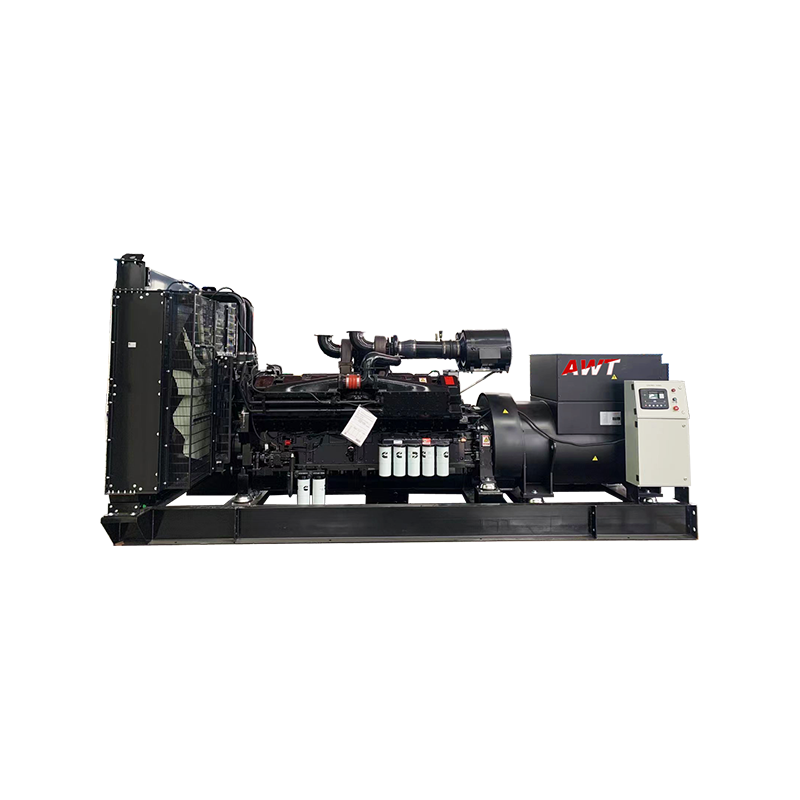
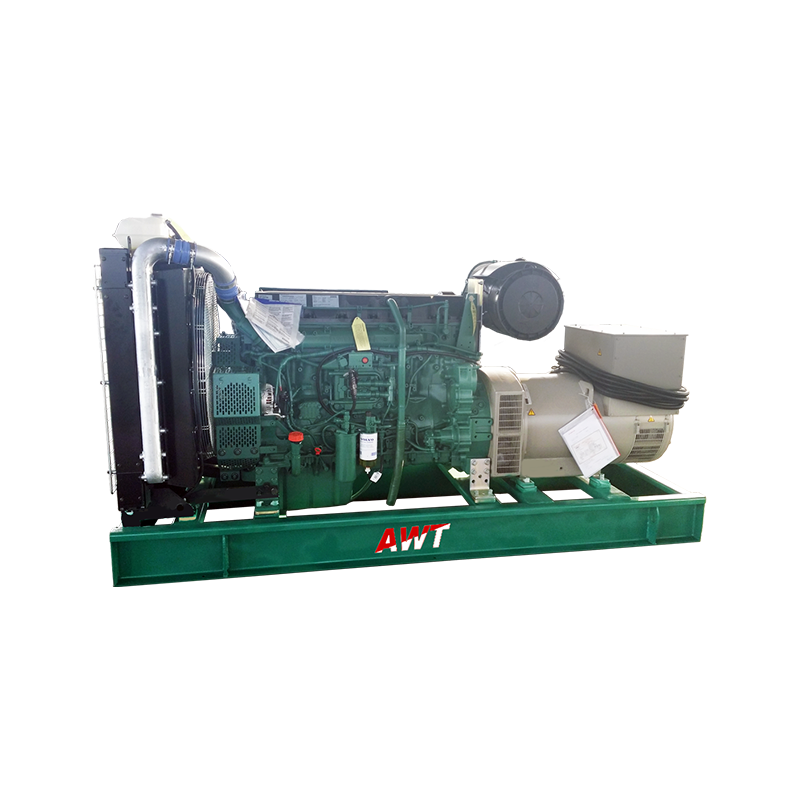
Yangzhou Aiweite Electromechanical Co., Ltd., trading as AWT Genset, has manufactured land-use diesel generator sets since 2008 and builds units from 1 kVA to 2,500 kVA. Its catalogue is organised along those same three axes: engine brand, power range and structure type. That is not a marketing convenience. It mirrors the order in which a specification should be written, because each axis removes a large part of the market before price is discussed.
What follows covers all three with figures a buyer can check: ISO 8528 rating definitions, transient limits under ISO 8528-5, sound pressure measured at 7 m under ISO 8528-10, and the point at which a spare part turns into a project risk.
The Power Rating Defines More Than the kVA Figure
ISO 8528-1 defines four power ratings, and one physical machine can be sold under a rating up to 10 percent below its emergency standby figure when it is configured as a prime power unit. Choosing the wrong rating is the most expensive single mistake in set selection, because nothing on the nameplate reveals it.
Power rating: the declared electrical output a generating set can deliver under a defined ambient temperature, altitude, load profile and annual running-hour limit, as classified by ISO 8528-1.
| Rating | Load profile | Annual hours | Overload allowed |
| ESP | Emergency standby, variable load | Up to 200 | None |
| PRP | Prime power, variable load | Unlimited | 10 percent, 1 h in 12 |
| COP | Continuous, constant load | Unlimited | None |
| LTP | Limited-time running | Up to 500 | None |
A set rated ESP and then run as a primary supply for 2,000 hours a year will exceed its thermal design and will fall outside the engine manufacturer's warranty conditions. Buyers who cannot yet forecast annual hours should specify prime power and accept the slightly larger radiator and alternator that come with it.
Engine Brand Comparison: Parts Networks Decide the Fifth Year
The engine and alternator together account for 60 to 70 percent of a generator set's material cost, and the engine alone drives almost all of its long-term service risk. In practice, engine brand selection is a question of parts availability and emission compliance rather than badge prestige.
Global platform engines
- Baudouin, Cummins, Mitsubishi, MTU, Perkins and Volvo
- Dealer networks that stock injectors, water pumps and control modules locally
- Emission options up to EU Stage V and EPA Tier 4 Final
- Typical engine cost premium of 30 to 50 percent against high-volume Chinese platforms
High-volume platform engines
- SDEC, Weichai and Yuchai
- Parts reach strongest in Asia, Africa, Latin America and the Middle East
- Short lead times on standard 50 Hz ratings
- Well matched to 10-400 kVA standby duty where fuel quality is managed
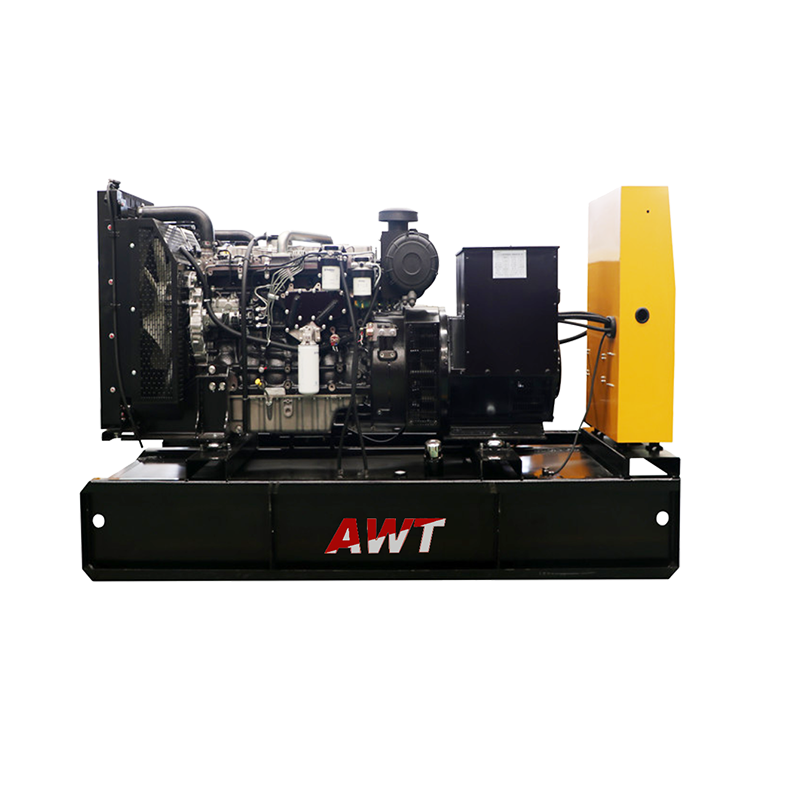
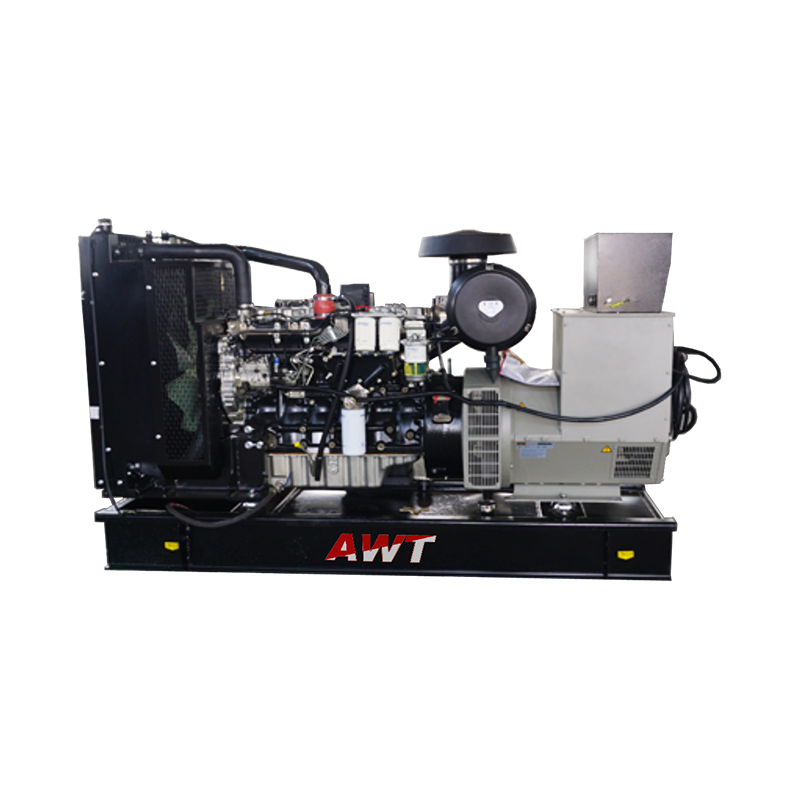 Perkins Powered Diesel Generator SetsAdopting original Perkins engines, high-quality brushless synchronous alternators and intelligent control systems, this series complies with ISO 8528 GB/T 2820 standar...View Product →
What the emission tier actually blocks
Emission tier is a market gate, not a quality label. EU Stage V and EPA Tier 4 Final are mandatory for non-road mobile applications in those jurisdictions, while stationary standby installations in many Asian, African and Middle Eastern markets follow national rules that are far less restrictive. Specifying a Tier 4 Final platform where it is not required commonly adds 15 to 30 percent to the engine cost.
Service reach beats horsepower
Check the exact engine model, not the brand family. Two engines carrying the same badge frequently share no filters, no injectors and no sensor part numbers. Ask the supplier to name the nearest stocking dealer for that model and to quote the three most frequently replaced parts with lead times. Any part exceeding 30 days makes the engine a project risk on an emergency power application.
Matching Power Rating to Load: The Numbers That Prevent Oversizing
Size the set so that normal running load sits between 70 and 80 percent of the prime rating and the largest single load step stays inside the transient limits of ISO 8528-5 performance class G2. Oversizing is not a safety margin; on diesel engines it creates wet stacking below roughly 40 percent load.
| Power band | Typical site | Sizing note |
| 10-100 kVA | Telecom shelters, small workshops, pump stations | The largest motor often sets the rating, not total kW |
| 100-400 kVA | Retail buildings, clinics, light manufacturing | Watch the start-up sequence when loads share one set |
| 400-1000 kVA | Mid-size factories, water treatment, data hall backup | Parallel capability and load shedding usually pay back |
| 1000-2500 kVA | Heavy plant, infrastructure, district energy | Ambient and altitude derating must be calculated |
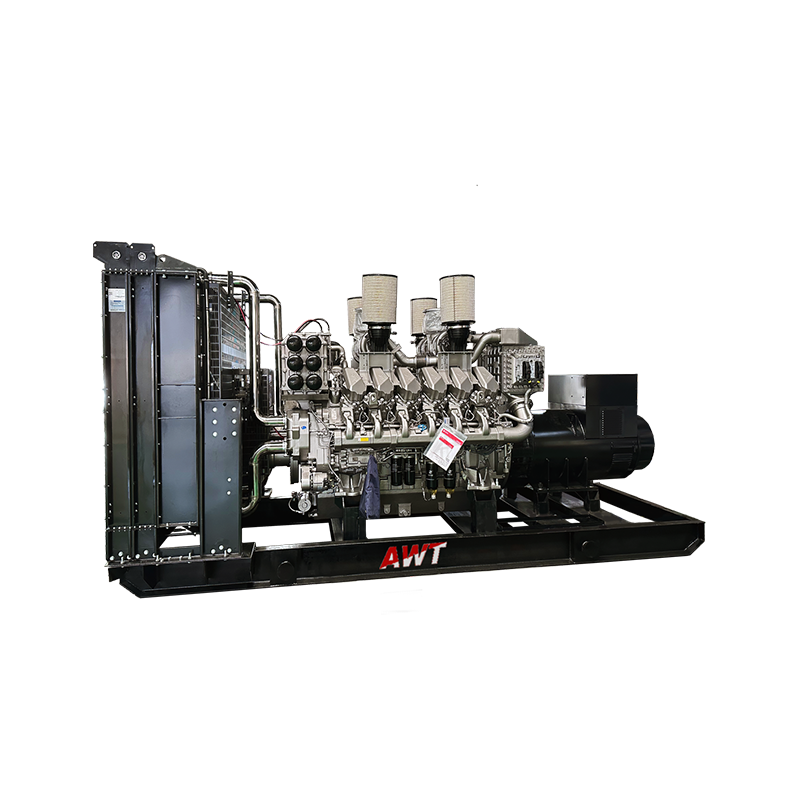
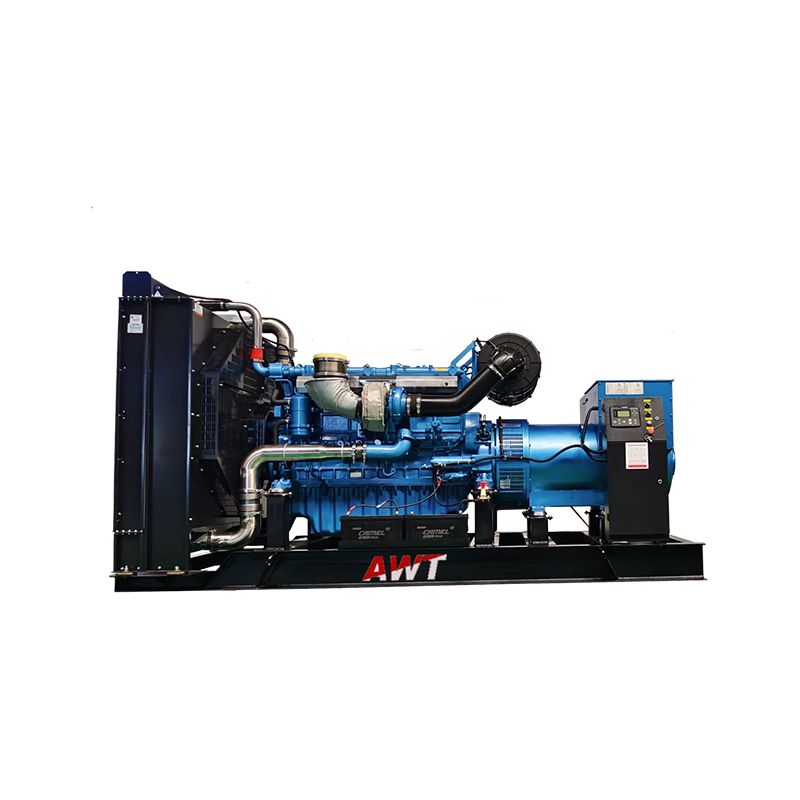 400kVA – 1000kVA Universal Diesel Generator SetsCompliant with ISO 8528 and GB/T 2828 standards, these gensets adopt mainstream heavy-duty industrial engines, full-copper brushless alternators, and intelligent contr...View Product →
A direct-on-line motor draws 6 to 7 times its rated current for several hundred milliseconds. A set expected to start a 90 kW motor is therefore sized at 2 to 2.5 times the motor rating, not 1.2 times, unless a soft starter or variable frequency drive removes the inrush.
ISO 8528-5 performance class G2 permits a voltage deviation of up to 20 percent with recovery to steady state within 1.5 seconds, and a frequency deviation of up to 10 percent with recovery within 5 seconds, after a load step. Ask for the test record, not the datasheet claim.
Generator Types: Open, Silent, Container and Trailer Compared
Moving from an open set to a sound-attenuated enclosure reduces measured sound pressure by 25 to 35 dB(A) at 7 m under ISO 8528-10 and adds roughly 15 to 40 percent to the set price, depending on structure.
| Structure | Ingress protection | Typical installation | Budget vs open type |
| Open type | IP21 to IP23 | Indoor plant room on a foundation | Baseline |
| Silent type | IP23 | Hospitals, hotels, residential boundaries | Plus 15 to 25 percent |
| Container type | IP44 to IP54 | Outdoor, no building required | Plus 25 to 40 percent |
| Trailer type | IP23 | Mobile power, rental and event supply | Plus 20 to 30 percent |
Site noise limits usually settle the matter. Where a boundary limit of 55 dB(A) at night applies, a silent set rated 68 dB(A) at 7 m belongs in a plant room or behind an acoustic screen; the enclosure alone will not reach the limit. Comparing open type versus silent type diesel generator sets is only part of the picture, because container and trailer builds change installation cost far more than they change the noise figure.
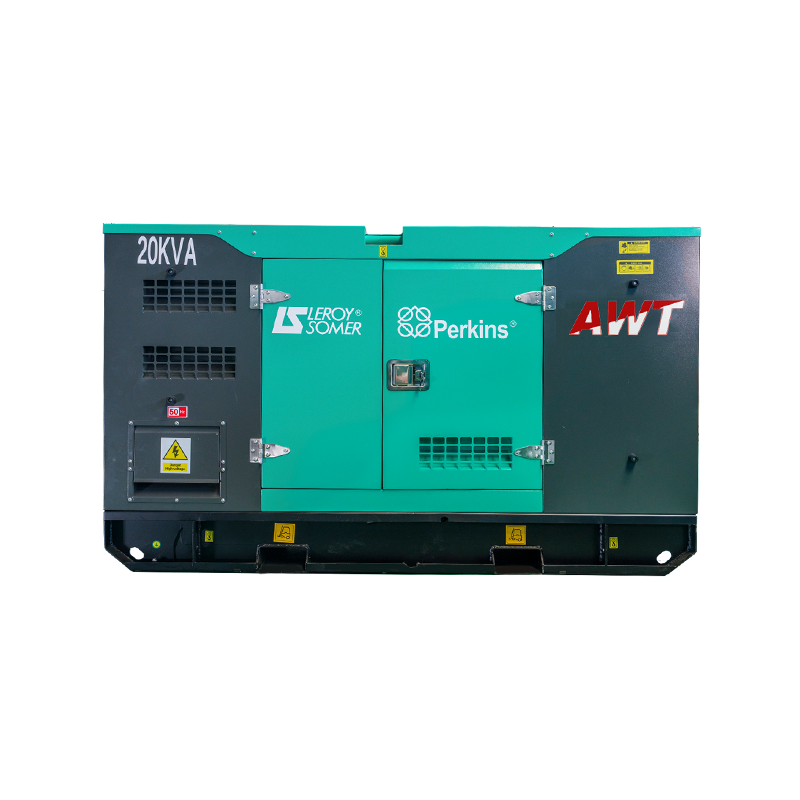 Silent Type Diesel Generator SetsComplying with ISO 8528 industrial standards, silent gensets are upgraded from open-type units with fully sealed soundproof canopies. Built-in mufflers and sound-absor...View Product →
Every decibel removed costs airflow
A typical silent canopy holds the set to a 40 °C ambient and derates usable output by 5 to 8 percent against an open set of the same rating, because radiator airflow is restricted and the alternator shares the same air stream.
A Three-Step Selection Sequence That Survives Procurement Review
Following the three axes in order prevents the most common failure in generator procurement, which is a quotation written before the load profile is known.
- Fix the rating and the load profile. Measure the existing load for at least seven days, list every motor above 5 kW, and state annual running hours. That single figure decides ESP, PRP or COP.
- Choose the engine platform against the service map. Rank candidates by distance to a stocking dealer for that exact model, then by emission tier, then by price. Price should be the last filter, not the first.
- Choose the structure against the site. The boundary noise limit, available floor area, whether the set moves, and whether a building already exists decide open, silent, container or trailer.
Then verify. ISO 8528-6 defines the test methods, and a factory acceptance test should record voltage and frequency recovery at 25, 50, 75 and 100 percent load, plus a one-hour 110 percent overload run on prime-rated sets.
Projects that need a non-standard configuration, a customer-specific control panel or a buyer's own badge can be delivered as OEM and ODM generator set manufacturing rather than as a catalogue order, which is worth raising before the technical specification is frozen.
Answers to Specification Questions Buyers Ask Most
What is the difference between standby and prime power?
Standby power under ISO 8528-1 is limited to about 200 running hours a year with no overload permitted, while prime power allows unlimited annual hours with a 10 percent overload for one hour in every twelve. A site running 2,000 hours a year must be specified at prime power, or the engine warranty conditions will not be met.
How much spare capacity should be left?
Plan for normal load at 70 to 80 percent of the prime rating. That absorbs a 20 to 30 percent load step, keeps specific fuel consumption near its optimum, and avoids wet stacking below roughly 40 percent load, where unburnt fuel and carbon accumulate in the exhaust.
How is enclosure noise actually measured?
ISO 8528-10 specifies measurement at 7 m from the enclosure in free-field conditions. Because sound pressure falls by about 6 dB for every doubling of distance, a set quoted at 70 dB(A) at 7 m produces roughly 87 dB(A) at 1 m, which is why the measurement distance must be stated with every dB figure.
What should a factory acceptance test include?
ISO 8528-6 test methods should be followed, with recorded load steps at 25, 50, 75 and 100 percent of the declared rating, voltage and frequency recovery times checked against ISO 8528-5 class G2, a one-hour 110 percent overload run for prime-rated sets, and an insulation resistance reading on the alternator windings.
AWT Genset builds and installs land-use diesel generator sets from 1 kVA to 2,500 kVA across nine engine platforms and supports projects from the initial load survey through to commissioning. Send the load profile, the site ambient temperature and the boundary noise limit, and the three-axis selection narrows to two or three workable configurations before any quotation is issued.