English
  Français
  Español
 400kVA-1000kVA Universal Diesel Generator Sets: Load, Fuel, Cooling Guide
Sep 18, 2026
Content
A 630 kVA diesel generator set running at 80 percent load in a mid-size factory burns roughly 90 to 110 liters of diesel per operating hour. That single number determines the long-term operating cost of the machine, yet most procurement documents for 400-1000 kVA universal diesel generator sets stop at nameplate ratings and delivery dates.
Load profile, fuel supply, and cooling capacity are the three engineering variables that decide whether a set accumulates 20,000 dependable hours or fails in the second season. Yangzhou Aiweite Electromechanical Co., Ltd., a generator set manufacturer established in 2008 with design and installation experience spanning 1 kVA to 2500 kVA, builds universal diesel generator sets for industrial and infrastructure projects and emergency power supply worldwide. This guide covers the decisions that matter most in the 400-1000 kVA band.
What Defines a 400-1000 kVA Universal Diesel Generator Set
A universal diesel generator set is a factory-assembled package that combines an industrial diesel engine, an alternator, a control system, and an enclosure into one electrical supply unit that can serve continuous, prime, or standby duty without feeder modifications.
Universal diesel generator set: a complete engine-alternator package designed for variable operating modes, offered with multiple enclosure formats and engine choices within one rated capacity band.
In the 400-1000 kVA range, "universal" means the same electrical core appears in open skid, silent canopy, container, or trailer form, and the buyer can change the selected structure without re-engineering the alternator or control wiring. That flexibility is why the same product line appears in factory basements, containerized power plants, and mobile rental fleets.
- Real power output: 320 to 800 kW at a 0.8 lagging power factor
- Frequency options: 50 Hz at 1500 rpm or 60 Hz at 1800 rpm
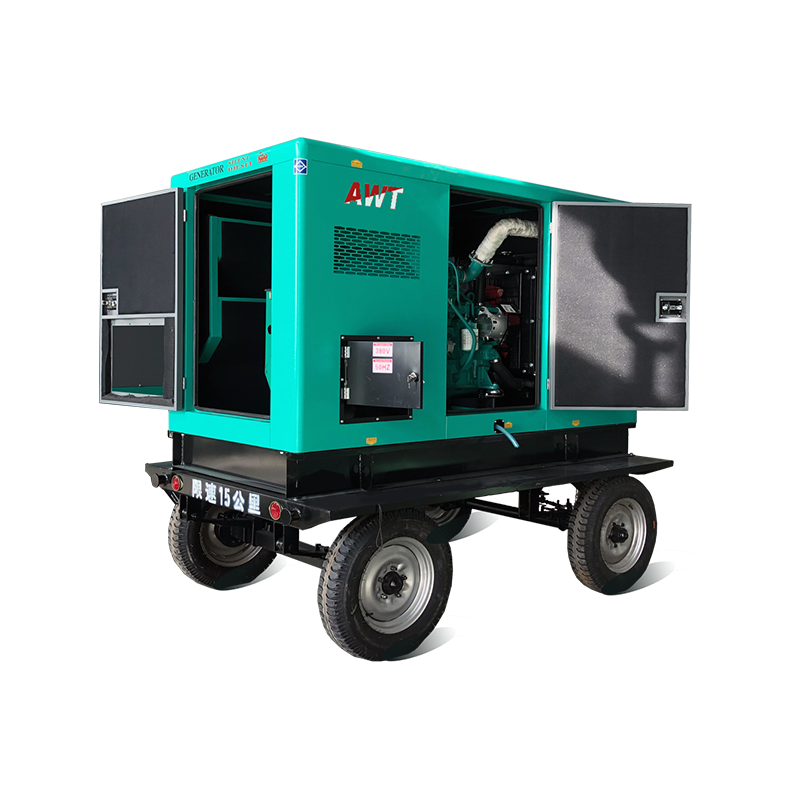
- Enclosure options: open type, silent type, container type, trailer type
- Engine options: multiple international and Chinese diesel engine lines
Load Planning: Match the Set to Real Demand
Load planning decides the reliability of a 400-1000 kVA set because a machine that spends long periods below 40 percent load or above 90 percent load fails sooner and costs more per kilowatt-hour than a correctly loaded set of the same model.
Three demand factors matter more than the peak kilowatt number on the specification sheet:
- Motor starting inrush: large induction motors draw six to eight times full-load current for several seconds. Size the set so the largest motor start plus the running load keeps the transient voltage dip below 20 percent.
- Non-linear loads: variable-frequency drives and UPS systems inject harmonic current that overheats alternator windings and control electronics.
- Step load changes: sudden block loads above 60 percent of rated kVA force the governor into transient overfueling and increase exhaust smoke during the settling period.
The duty cycle must then be matched to the ISO 8528 rating category the manufacturer used for the nameplate.
| Duty type | Average load limit | Overload behavior | Typical application |
| COP | 100 percent continuous | None permitted | Base-load off-grid supply |
| PRP | 70 percent of PRP rating | 10 percent for 1 hour in 12 | Factory and construction power |
| ESP | 70 percent over 24 hours | No overload, limited outage hours | Emergency standby in critical facilities |
Design rule: keep sustained average load between 70 and 85 percent of the prime rating. Below 40 percent load, wet stacking and low exhaust temperature damage the engine; above 85 percent, maintenance intervals shorten sharply.
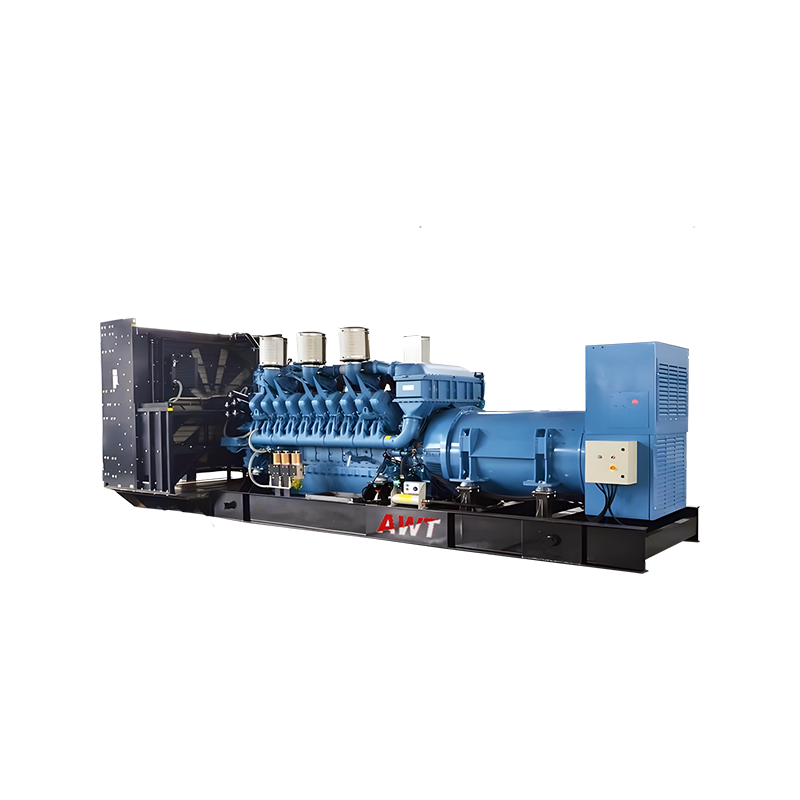
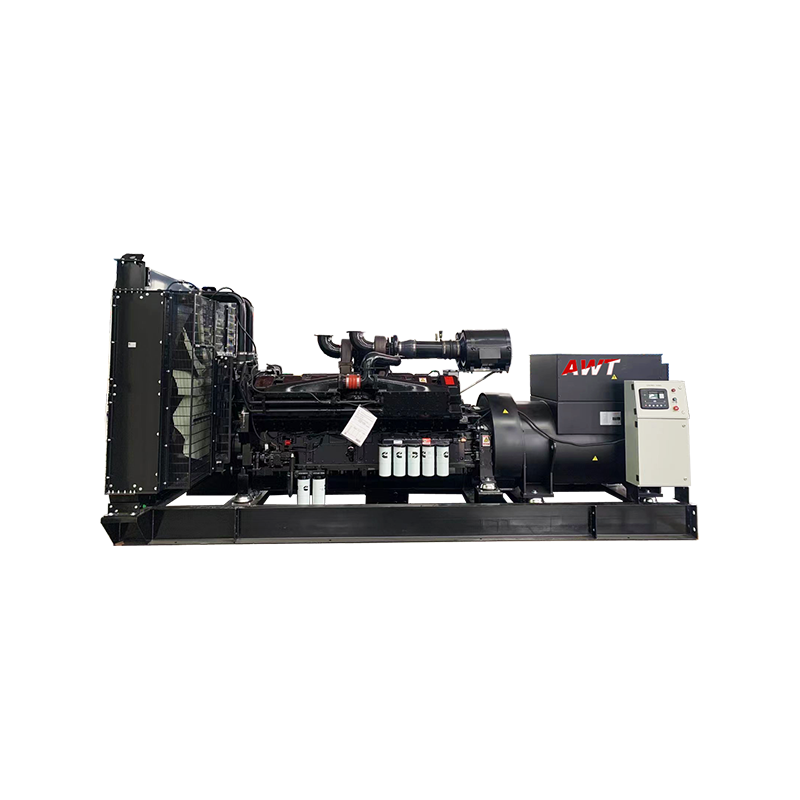
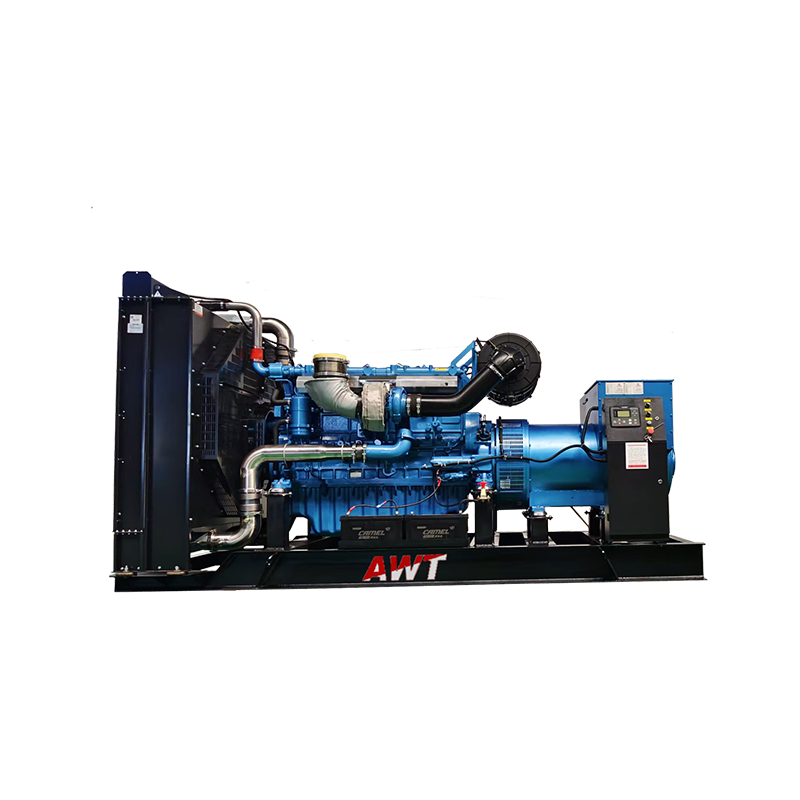 400–1000 kVA Industrial Diesel Generator SetThis heavy-duty genset is suitable for sustained loads near the prime rating. Its fuel system design should be evaluated against the full-load consumption curve, as fuel cost quickly becomes the largest lifecycle expense.View Product →
Fuel Consumption and Fuel Supply System Design
Fuel cost is the largest lifecycle expense of a 400-1000 kVA set, typically exceeding the purchase price within 6 to 12 months of continuous operation, so the fuel system must be designed around the full consumption curve rather than a single full-load figure.
A typical 500 kVA set with a 400 kW prime rating shows this consumption pattern across the three most common load points:
Specific fuel consumption is lowest between 70 and 90 percent load. Running the same set at 30 percent load can push specific consumption above 260 g/kWh, which makes the cost per delivered kilowatt-hour higher than a smaller set sized for the same duty.
- Day tank capacity: size for 8 hours at full load, and arrange the engine fuel return line so it does not aerate the supply.
- External storage: 24 to 72 hours of runtime is standard for industrial sites; supply and return lines need a settling and water-drain arrangement.
- Fuel polishing: diesel stored beyond 90 days accumulates water and microbial growth that blocks injectors.
- Fuel quality: low-cetane or high-sulphur fuel raises specific consumption by 3 to 7 percent and shortens injector service life.
Budgeting rule: multiply the expected annual load factor by the consumption at that load, then add 10 percent for auxiliary loads such as fuel pumps, cooling fans, and battery chargers to get a realistic annual fuel volume.
Cooling System Sizing and Ventilation
Cooling system sizing begins with total heat rejection, because the radiator, fan, and room ventilation must remove engine coolant heat, charge-air heat, alternator loss, and radiant heat without recirculating hot air back into the radiator face.
A 500 kVA set at full rated load converts roughly one-third of fuel energy into shaft power and rejects the remainder through the cooling package. Radiator heat rejection is typically 200 to 250 kW, and the radiator fan moves 7 to 12 m3/s of air depending on enclosure resistance and fan static pressure.
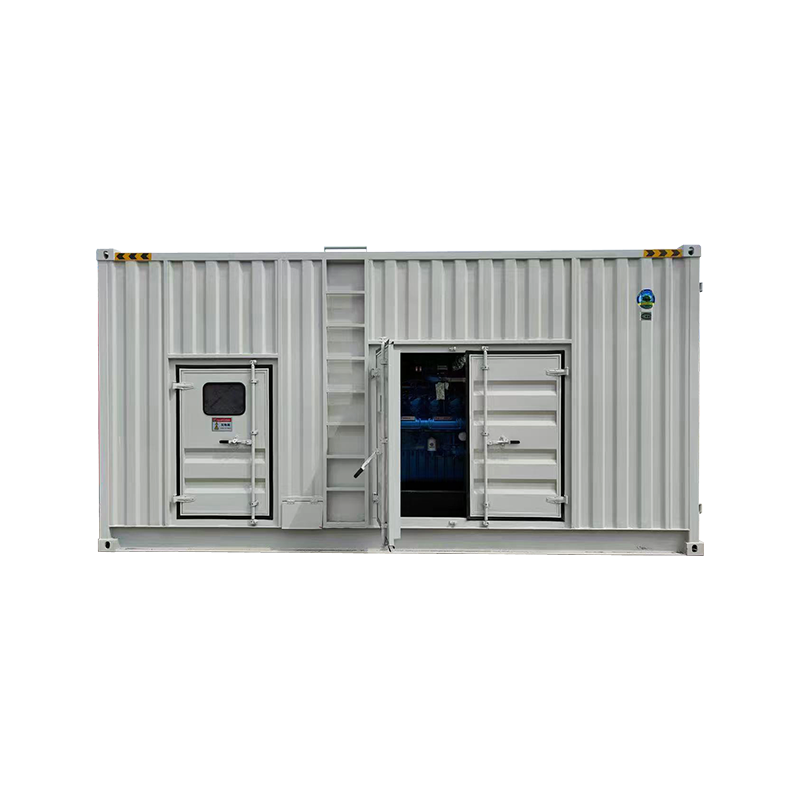 Containerized Diesel Generator Set for Outdoor PowerAt high ambient temperatures or altitudes, derating can reduce output by up to 12 percent. This containerised unit includes integrated cooling and ventilation, but heat rejection should be recalculated for specific site conditions.View Product →
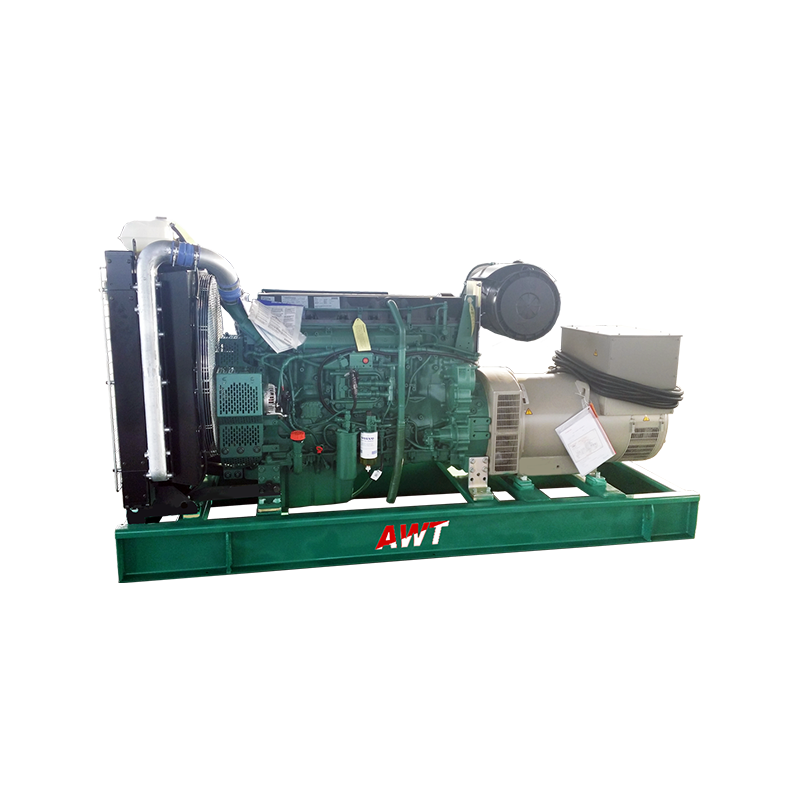
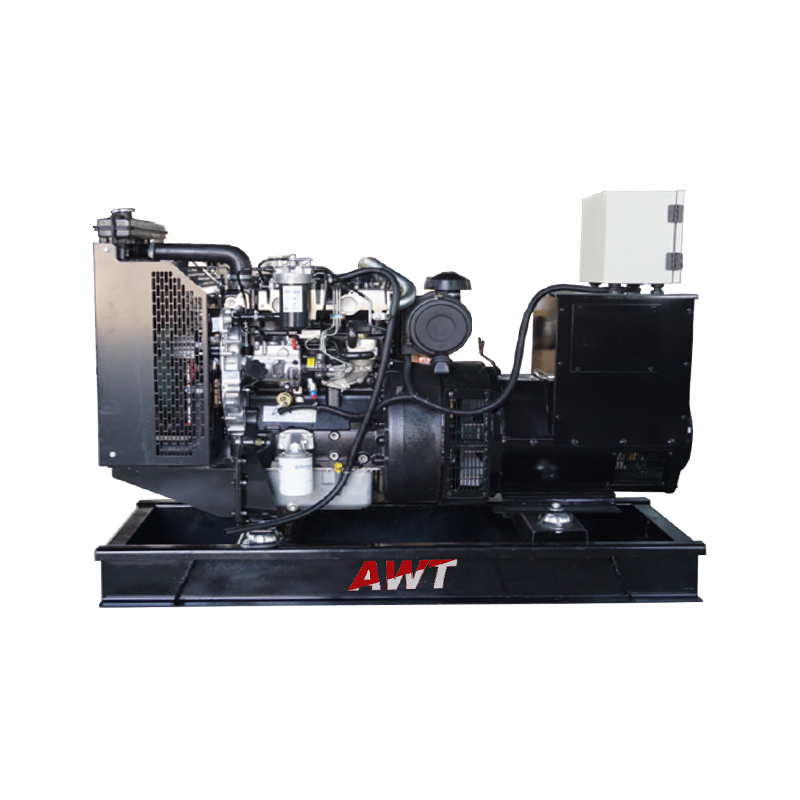
Open type set
- Free air access, lowest cooling risk
- Requires a dedicated machine room with matched inlet and outlet louvres
- Noise in the 95-105 dBA range at 1 meter
- Simplest maintenance and cleaning access
Container or silent type
- Enclosure restricts airflow, so fan static pressure must be higher
- Internal canopy temperature can run 8 to 15 K above outdoor ambient
- Noise reduced to 70-85 dBA depending on canopy construction
- Cooling package must be derated for restricted inlet and discharge openings
Derating reference: most engines lose about 1 percent of rated power for every 100 m of altitude above 1000 m and about 1 percent for every 5 K above 40 degrees Celsius ambient. A 500 kVA set installed at 1500 m and 45 degrees Celsius can lose 8 to 12 percent of its sea-level rating.
For sites above 1000 m altitude or above 40 degrees Celsius ambient, ask the manufacturer to recalculate radiator sizing and alternator derating before finalizing the enclosure. A set ordered without site ambient data will almost always be oversized or undersized by margins nobody planned.
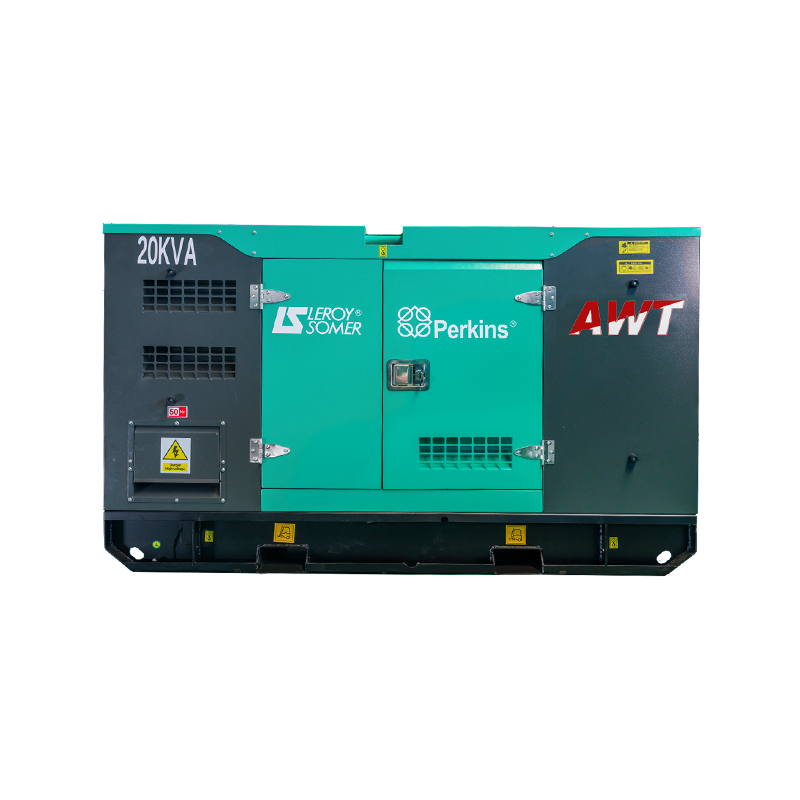 Silent Diesel Generator Set with Low Noise CanopyFor sites above 1000 m altitude or above 40 degrees Celsius, the alternator and radiator sizing must be recalculated. This quiet, weatherproof unit is designed for noise-sensitive urban areas, but please confirm derating with the manufacturer.View Product →
Frequently Asked Questions
Quick answers for the specification decisions that come up most often in the 400-1000 kVA band.
How much fuel does a 600 kVA generator set consume per hour?
A 600 kVA set under 75 percent load typically consumes 90 to 100 liters per hour. The exact figure depends on engine specific fuel consumption, fuel density, and alternator efficiency, so the manufacturer's declared test data should be used for budgeting.
What is the difference between prime and standby power?
Prime power (PRP) is the maximum output a set can supply with variable load for unlimited hours, with average load limited to 70 percent. Standby power (ESP) is a higher output allowed only for a limited number of hours during a mains failure, with no overload permitted.
Can a container-type generator set run at full load in summer?
Yes, if the container cooling package has been derated for the installation altitude and maximum ambient temperature, and if the discharge louvres stay clear. Most 400-1000 kVA container sets are designed for up to 40 or 45 degrees Celsius with sufficient fan static pressure.
How much airflow does a 700 kVA set need for cooling?
A 700 kVA set typically requires 9 to 12 m3/s of cooling airflow through the radiator face in an open installation, and the machine room must have matched inlet and discharge openings to prevent hot air recirculation.
Selecting a 400-1000 kVA universal diesel generator set is an engineering decision that combines load data, fuel logistics, and heat rejection calculations. A manufacturer with design and installation experience can convert an ambiguous specification into a documented, working configuration.
Yangzhou Aiweite Electromechanical Co., Ltd. designs and installs universal diesel generator sets across the full 1-2500 kVA range, including 400-1000 kVA sets in open, silent, container, and trailer structures. The company also supports OEM and ODM partnerships for buyers who need customized branding or configuration under their own product line.