English
 Français
 Español
10kVA-100kVA Universal Diesel Generator Sets: Small Industrial Power Guide
Oct 28, 2026
Content
- 1 What a Universal Diesel Generator Set Covers
- 2 Engine Brand Options Change Maintenance, Not Just Price
- 3 Open, Silent, Container or Trailer: Structure Controls Where the Set Can Work
- 4 Load, Fuel and Sizing Rules for Small Industrial Sites
- 5 Procurement Checklist and Cost Decisions
- 6 Frequently Asked Questions
A metalworking shop with two CNC lathes, a screw compressor and welding bays rarely calculates its worst-case starting current until the utility line drops. That calculation usually ends between 10 kVA and 100 kVA - the power band that keeps small industrial sites running when the grid cannot. A 75 kVA set delivers roughly 60 kW of prime power, but motor loads with high inrush can push the practical choice to 90 kVA or 100 kVA. Oversizing burns fuel and capital; undersizing trips breakers exactly when production depends on the set.
What a Universal Diesel Generator Set Covers
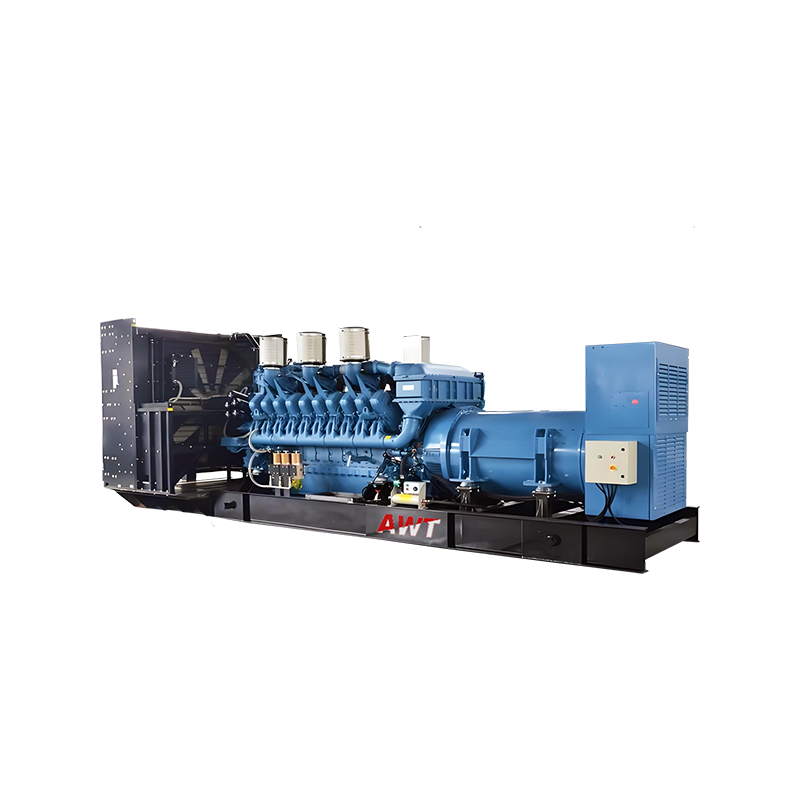
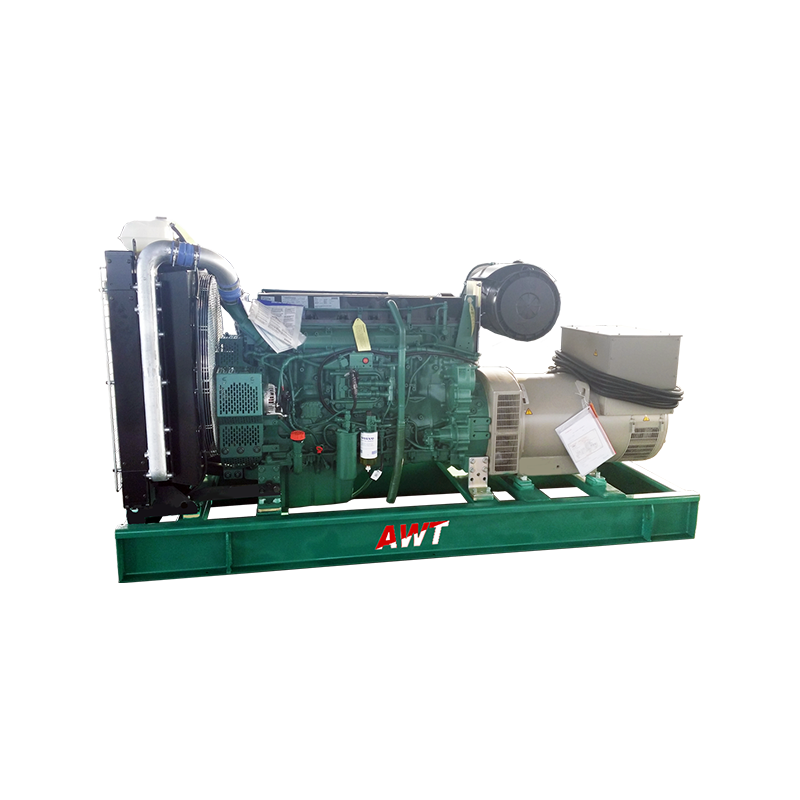
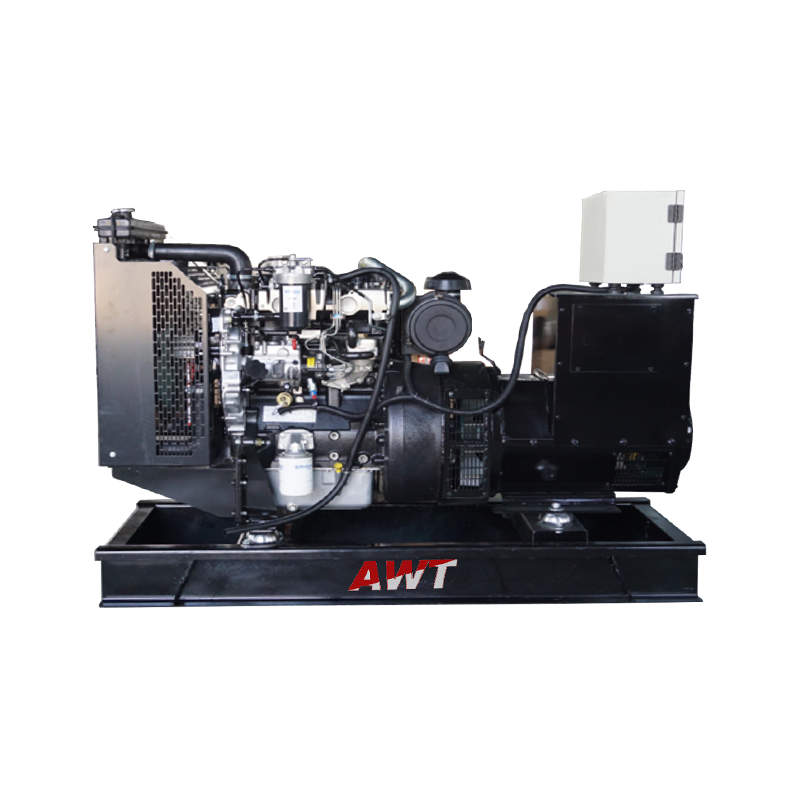
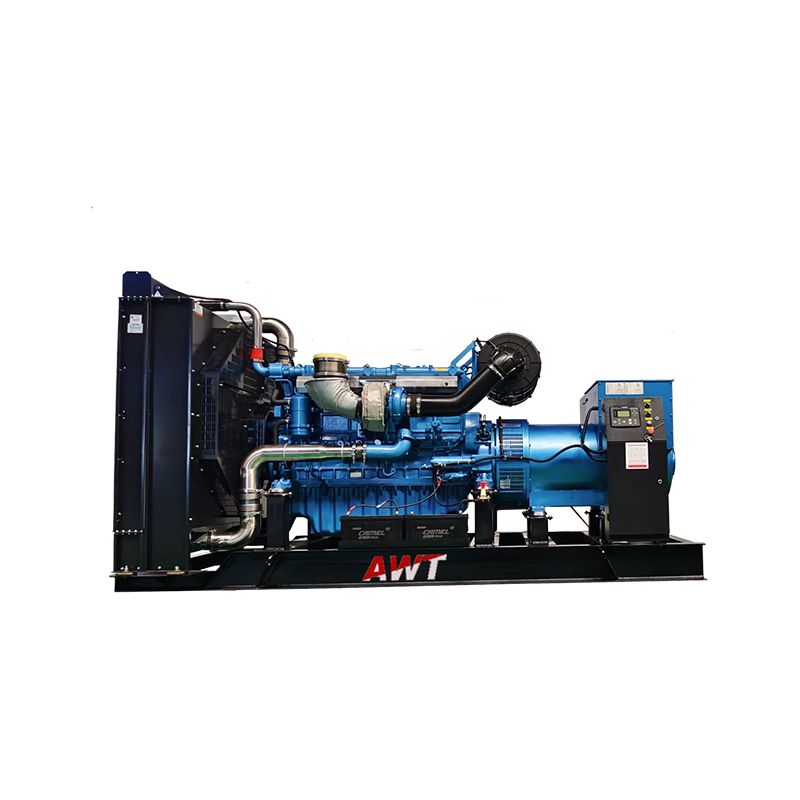
A universal diesel generator set in the 10-100 kVA range is a factory-assembled power package with a diesel engine, alternator, control panel and base frame, built for prime, standby and continuous duty across small industrial applications.
Universal diesel generator set: a standardized, multi-configuration genset in which the engine, alternator, controller and enclosure are matched at the factory, so one product family can serve many industrial jobs without custom engineering.
Yangzhou Aiweite Electromechanical Co., Ltd. has built diesel gensets since 2008 and covers the full 1-2,500 kVA spectrum, but the 10-100 kVA class is where most small plant decisions land. "Universal" does not mean one fixed machine. The platform can be specified with different engine brands, enclosure types, voltages and control packages while sharing the same base frame and service logic. The same factory that ships a 30 kVA open set for a machine room can also configure a 75 kVA silent set for an outdoor site.
Ratings follow ISO 8528 conventions. The same physical set may carry a standby rating about 10% higher than its prime rating, but the duty cycles differ. A standby set is not designed to carry plant loads for weeks on end.
| Rating | Duty | Load limit | Typical application |
| Standby (ESP) | Emergency and outage duty only | Variable load, limited annual hours | Backup for refrigeration, security and essential circuits |
| Prime (PRP) | Unlimited running hours | Variable load, average not above 70% of nameplate | Main supply for small factories, workshops and farms |
| Continuous (COP) | Constant load, unlimited hours | Up to 100% of nameplate continuously | Base-load sites such as telecom or process plants |
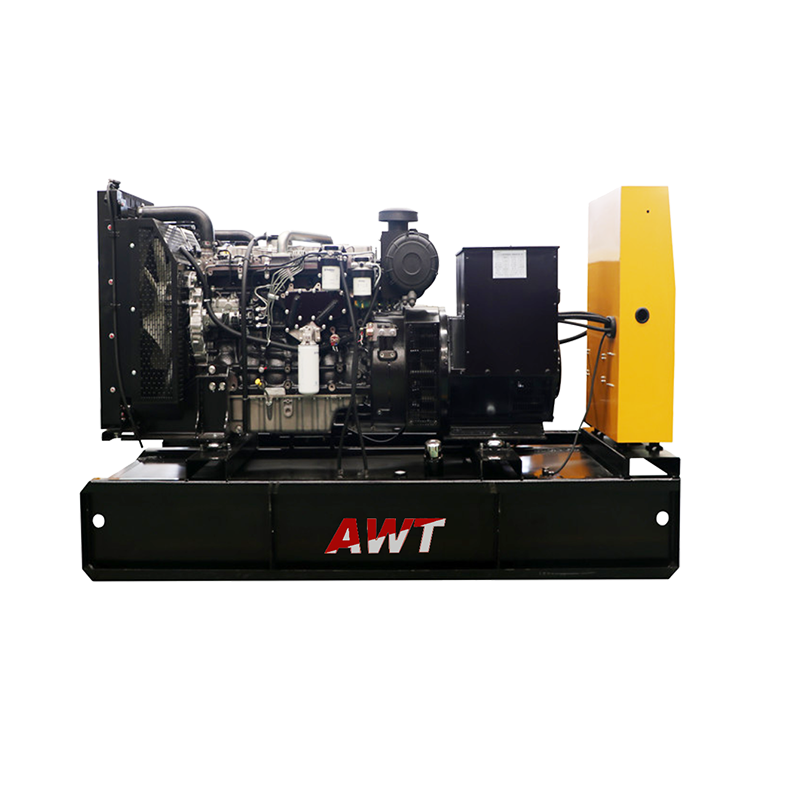
 Compact 10–100 kVA Universal Diesel Generator SeriesThis series covers common standby power needs with ISO 8528 ratings. Before choosing, consider the engine brand's local support because parts availability and service intervals vary, as noted nearby.View Product →
Engine Brand Options Change Maintenance, Not Just Price
The engine inside a 10-100 kVA set determines parts availability, service intervals, cold-start behavior and fuel tolerance, so the brand should match the support network near your site, not the lowest initial quote.
Multi-brand assembly gives buyers a real choice. Cummins and Perkins engines have wide dealer networks in most regions, which shortens the time to get filters, injectors and service technicians. Volvo engines generally deliver strong fuel economy. SDEC, Weichai and Yuchai engines reduce first cost while still meeting load and emission targets in less regulated grids. Mitsubishi and MTU options suit projects that require an approved engine list.
- Injection system: common-rail for tighter emissions and quieter running; mechanical pumps for simpler field repair.
- Governing class: check ISO 8528-5 G2 or G3 performance for voltage and frequency recovery after load steps.
- Cold-start aid: glow plugs or intake heaters for sites below 5 degrees C.
- Service interval: oil and filter changes every 250-500 hours become an operating cost line item.
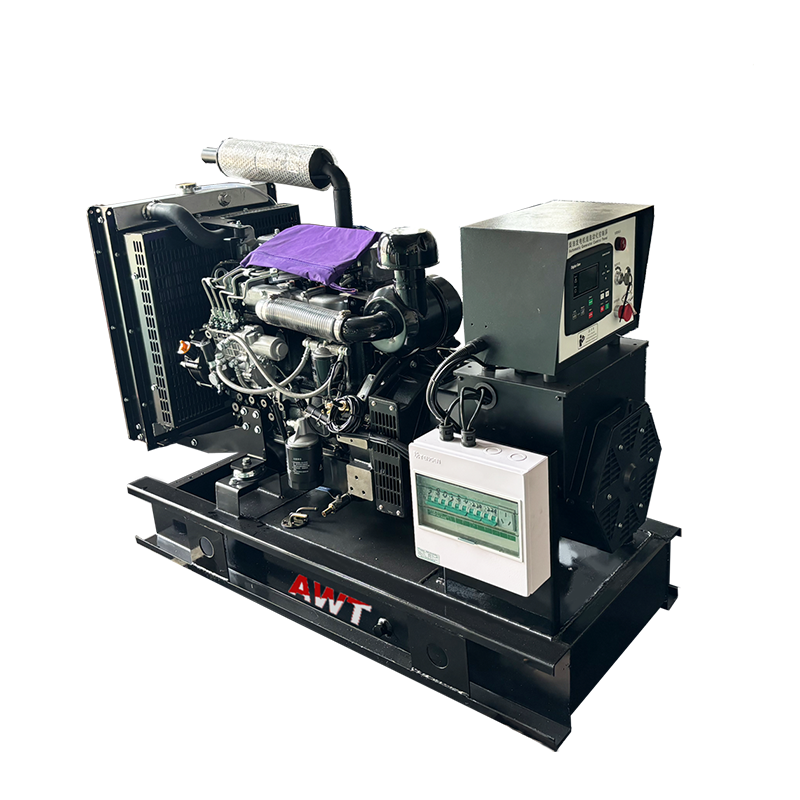
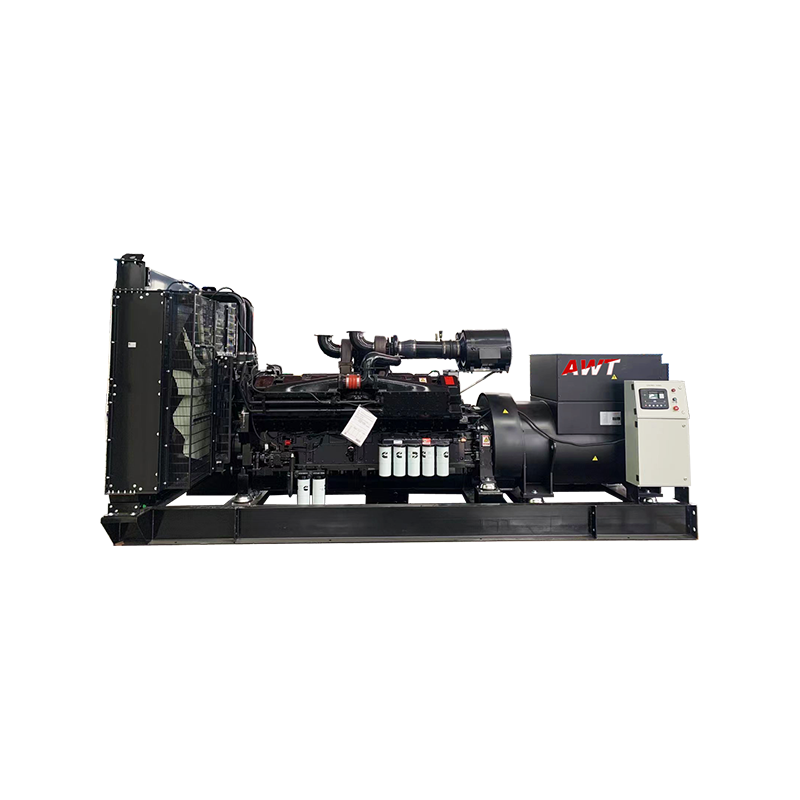 Cummins-Powered Generator Sets for Critical PowerGenuine Cummins engines provide broad dealer networks and long overhaul intervals. Ideal for data centers, hospitals, and other high-reliability sites, these sets align with the reliability expectations discussed earlier.View Product →
Open, Silent, Container or Trailer: Structure Controls Where the Set Can Work
The enclosure decides where the set can run: open sets belong in a dedicated machine room, silent sets suit noise-sensitive or outdoor sites, container sets support modular block installations, and trailer sets exist for moving job sites.
| Structure | Typical noise | Protection | Typical use |
| Open type | Above 85 dB(A) | IP23 base | Dedicated machine rooms with forced ventilation |
| Silent type | 65-75 dB(A) | IP54/55 | Outdoor installation near occupied buildings |
| Container type | 70-80 dB(A) | IP55/56 | Weatherproof blocks for sites or rental fleets |
| Trailer type | 70-80 dB(A) | IP54 | Mobile power for temporary and remote sites |
Noise figures at 7 meters are a planning aid, not a guarantee; surrounding walls, surface reflections and exhaust routing change the measured level. A silent enclosure adds mass and reduces airflow. If intake airflow is restricted, the engine runs hotter and the set loses output.
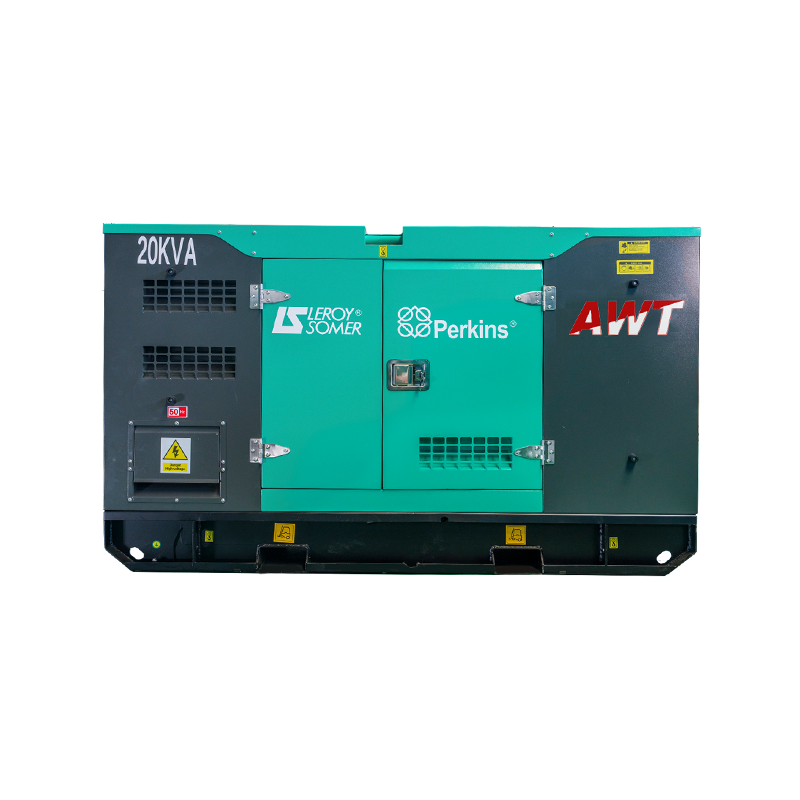 Low-Noise Silent Enclosed Diesel Generator SetsEnclosed canopies reduce noise to ≤75 dB(A) at 1 meter and protect against dust and rain. Suitable for urban or noise-sensitive areas, though airflow must remain unobstructed to preserve output.View Product →
Container and trailer sets suit different logistics. Container sets are lifted into position and treated as fixed plant. Trailer sets are towed between locations, so the service brake, drawbar rating and axle load must comply with destination country road rules.
Load, Fuel and Sizing Rules for Small Industrial Sites
Size a 10-100 kVA set from the largest motor start plus running load, confirm the alternator can tolerate the voltage dip, and calculate fuel from the real load factor rather than the nameplate kVA.
Inventory every load. List running kW for motors, heaters, lighting and electronics.
Add the toughest start. The largest motor starting kVA usually sets the alternator size.
Apply diversity. Not every machine runs at full load at the same moment.
Apply ambient derating. Above 40 C ambient, reduce output by roughly 2-3% per 5 C.
Choose the duty. Standby or prime changes the kVA you should specify.
Diesel engines produce rated power at a reference intake condition. Higher altitude lowers air density; most turbocharged engines in this range lose about 1% per 100 meters above 1,000 m. A 50 kVA set at 2,000 m may deliver only 45 kVA unless the fuel system and turbocharger are matched for altitude.
Fuel consumption follows load. A practical planning figure is 200-230 g/kWh for modern engines at 75% load. A 50 kVA set burning 11-13 L/h at 75% load is a sensible expectation; a 100 kVA set will be roughly twice that.
Typical fuel consumption at 75% prime load
See our analysis of fuel use and load requirements for 10-100 kVA sets for worked examples and a printable calculation sheet.
Procurement Checklist and Cost Decisions
A reliable small industrial purchase balances first cost against operating cost over the next decade; the cheapest quote often fails this test once fuel, maintenance and downtime are priced in.
- Confirm the set carries an ISO 8528 rating, not a marketing nameplate.
- Ask for alternator performance data at a 35% voltage dip at 80% load.
- Specify control panel functions: auto start, fault alarms, remote monitoring.
- Clarify the spare parts package that ships with the set.
- Check local emission rules and fuel grade before signing.
Lowest first cost
Mechanical engine, open structure, basic controller. Lower upfront payment, but fuel and maintenance bills continue for the life of the plant.
Lowest life-cycle cost
Efficient engine, silent enclosure, digital controller, matched service plan. Higher initial payment, lower cost per running hour.
Frequently Asked Questions
What is the difference between standby and prime power on a 10-100 kVA diesel set?
Standby power (ESP) covers emergency running during outages with limited annual hours and variable load. Prime power (PRP) allows unlimited running hours with an average load not exceeding 70% of rating. A set rated 50 kVA prime can often be listed at 55 kVA standby, but it should not carry plant loads on the standby curve every day.
Can a 100 kVA set start a large three-phase motor directly online?
A motor drawing six times its full-load current at startup can cause a voltage dip of more than 20% on the generator bus. A 100 kVA set generally handles a 22-30 kW direct-on-line motor start, depending on alternator excitation and the motor starting method. Soft starters or variable frequency drives reduce the dip and protect the alternator.
How much fuel does a 50 kVA diesel generator use per hour?
Approximately 11-13 L/h at 75% prime load for a modern engine, and 14-16 L/h near 100% load. Mechanical-injection engines may use 10-15% more. Track actual consumption with a flow meter in the first 100 hours to calibrate supply planning.
Does a silent enclosure reduce generator output?
It can, if cooling airflow is insufficient. A well-designed acoustic enclosure holds intake depression within specification and keeps the set within 2-3% of open-type performance. Poorly ventilated enclosures raise air temperature and force derating; always ask for the enclosure pressure-drop and derating data.