English
  Français
  Español
 10kVA–100kVA Universal Diesel Generator Sets: Fuel Use & Load Requirements
Sep 14, 2026
Content
A 63 kVA silent diesel generator set sits on a concrete pad behind a small packaging plant. The production line draws about 48 kVA through the working day, and the maintenance manager needs a fuel figure for the weekly cost report. The datasheet says full-load consumption is about 14 L/h, but at 48 kVA the set actually burns closer to 10 L/h. That gap between the brochure number and the real one is what drives budgets, tank sizes and service intervals.
The direct answer for anyone specifying a 10–100 kVA universal diesel generator set is simple: fuel consumption follows load. Plan the continuous running band between 60% and 80% of rated output, expect roughly 0.20–0.25 L per kVA hour at full load, and define the load profile before you define the machine. Everything else — tank size, fuel cost, maintenance schedule — follows from that starting point.
What a 10–100 kVA universal diesel generator set covers
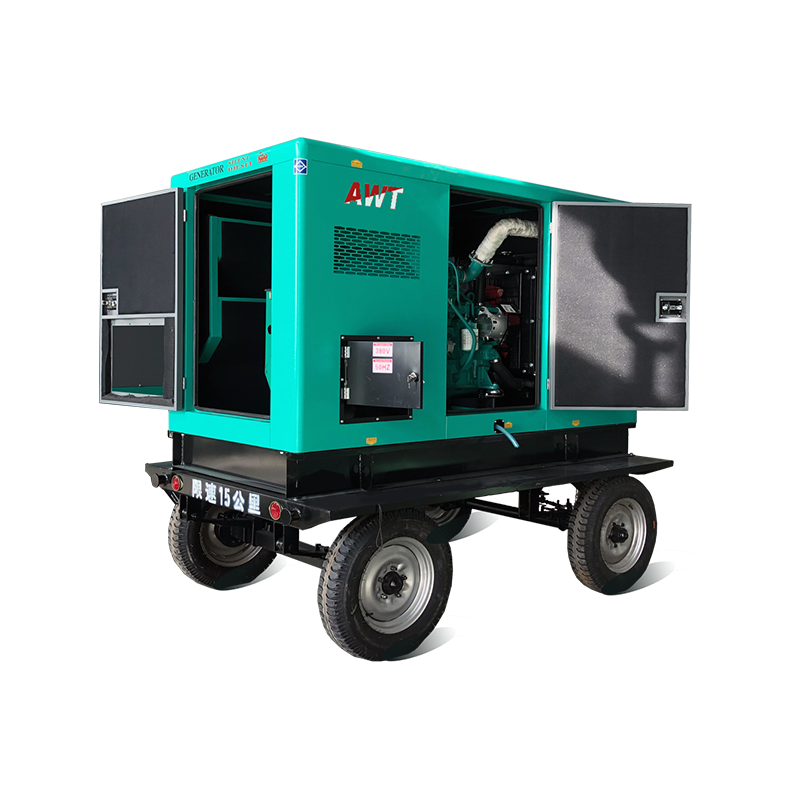
A universal diesel generator set is a factory-assembled power unit built around the same core: a diesel engine, an alternator, a radiator, a control panel and a common base frame. The same package is then supplied as an open set, a silent canopy set, a container set or a trailer-mounted set, which is why the range is called universal. The site decides the form; the engine and alternator decide the capacity.
Capacity is quoted in kVA because the alternator is rated in apparent power. At the standard 0.8 power factor, a 100 kVA set delivers about 80 kW of usable electrical output, and a 10 kVA set about 8 kW. That distinction matters when the site engineer talks in kilowatts: motors, transformers and lighting ballasts draw reactive current, so the generator must be sized above the kW figure to stay within its current rating.
In real projects, this size class powers small factory lines, telecom towers, construction tools, cold stores, water pumps and emergency lighting in offices and public buildings. It is the fastest segment to install — a silent set on a pad with a cable connection can be running the same afternoon — and large enough to keep essential services alive during a mains failure.
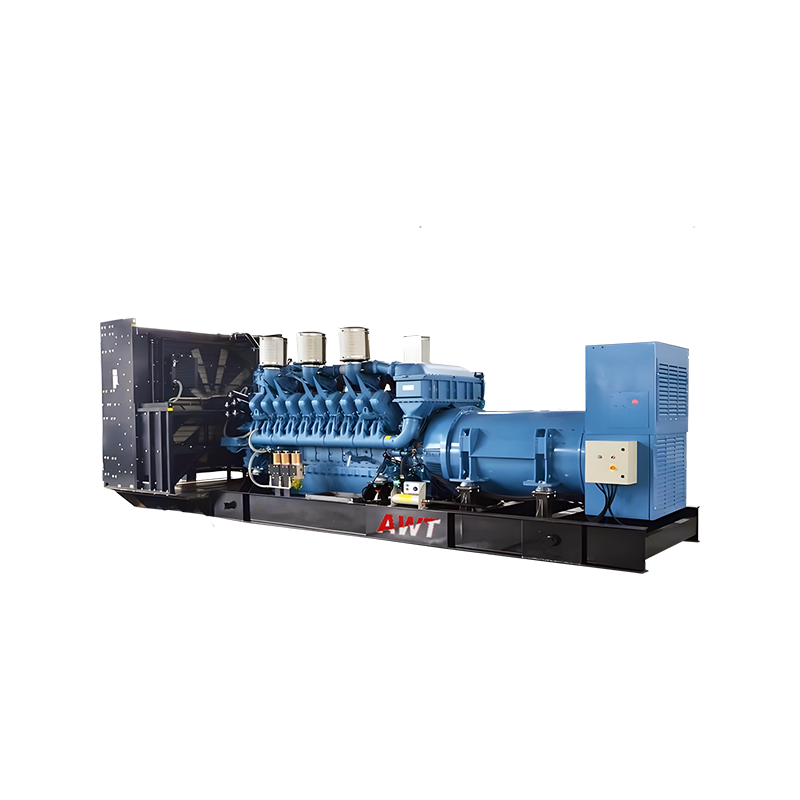
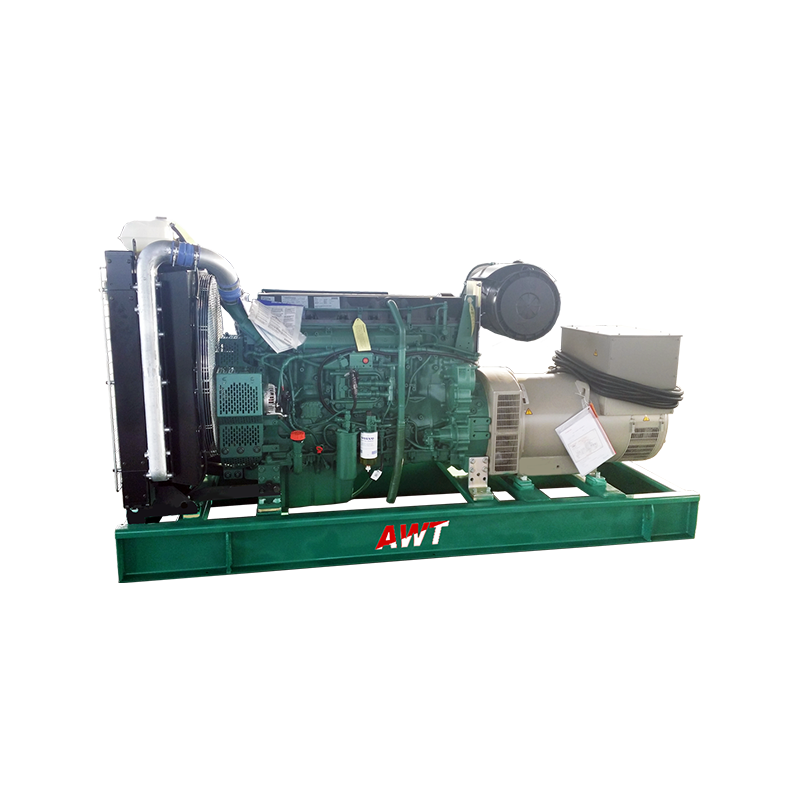
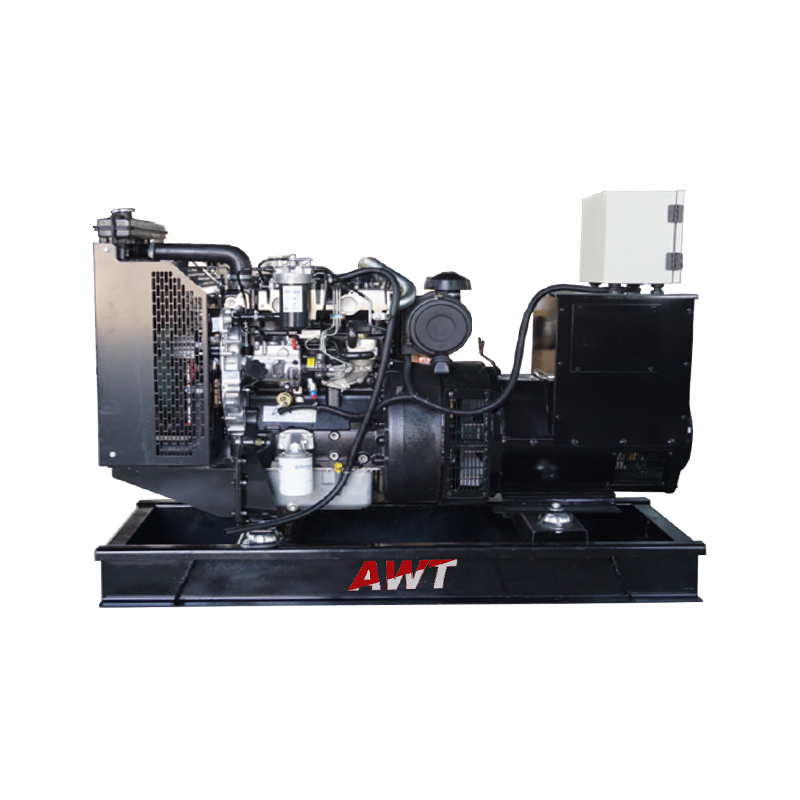
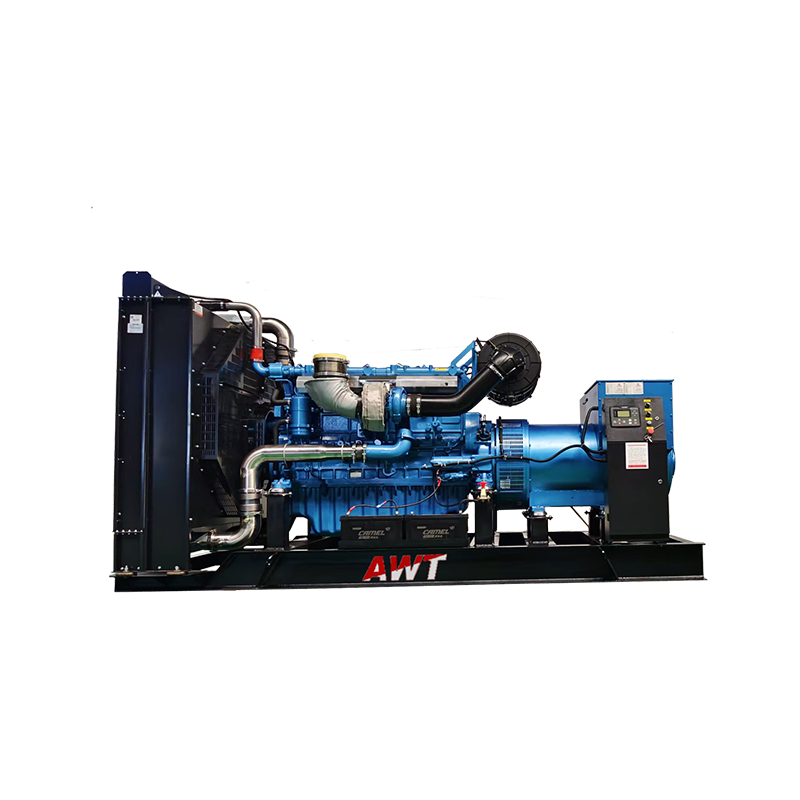
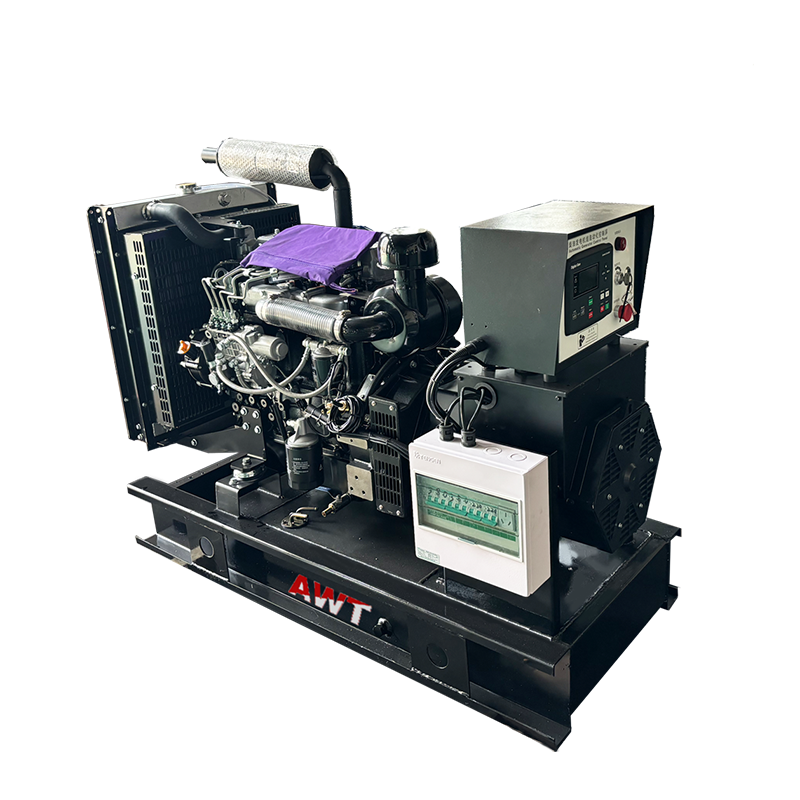 10-100 kVA Universal Diesel Generator Sets for Standby PowerCompact and cost-effective generator sets with mainstream engines, brushless alternators, and intelligent controllers. Ideal for small factories, telecom towers, and emergency lighting, offering low fuel consumption and easy maintenance.View Product →
Fuel consumption: what the numbers actually mean
Generator efficiency is stated as specific fuel consumption (SFC) in grams per kilowatt-hour. Modern four-stroke genset engines in this size range sit between roughly 195 and 230 g/kWh from half to full load. Diesel fuel weighs about 0.83–0.85 kg per litre, which converts to a convenient planning rule: expect about 0.20–0.25 L per kVA hour at full load, and a bit more per useful kilowatt at lighter loads.
The table below shows representative figures for a 100 kVA (80 kW) class set.
| Load level | Output (kW) | Approx. SFC (g/kWh) | Approx. fuel use (L/h) |
|---|---|---|---|
| Full load (100%) | 80 | 215 | ~20.5 |
| Three-quarter load (75%) | 60 | 210 | ~15 |
| Half load (50%) | 40 | 225 | ~10.5 |
| Quarter load (25%) | 20 | 265 | ~6 |
Three conclusions follow. First, hourly consumption falls as load falls, so a lightly loaded set does use fewer litres. Second, the saving is not proportional: dropping from 100% to 50% load cuts fuel roughly in half but also halves the useful output, and the per-kilowatt-hour figure at 25% load climbs noticeably because engine friction and pumping losses stay nearly constant. Third, oversizing defeats itself — a 100 kVA set running most of the year at 25 kVA burns more per useful kilowatt and slowly soots up the engine.
Engine choice moves these numbers less than load planning does. A correctly loaded turbocharged four-stroke from any established engine family — Cummins, MTU, Perkins, Volvo, Weichai, Yuchai, SDEC, Baudouin or Mitsubishi — lands in the same general band. The brand decision is really about parts availability, service familiarity and commercial preference, not about a dramatic fuel advantage.
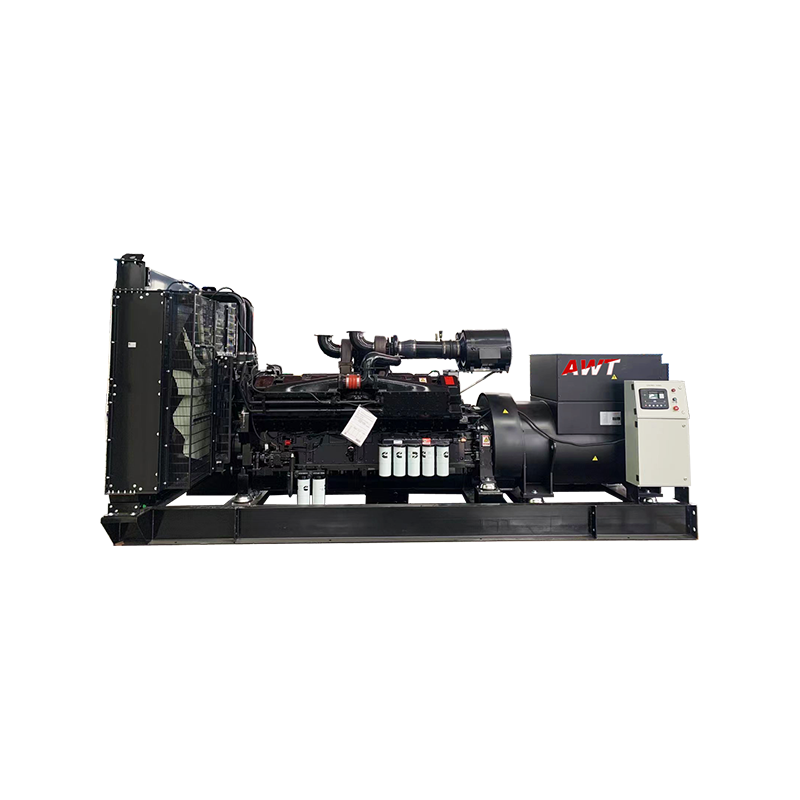 Cummins Powered Diesel Generator Sets for Critical ApplicationsGenuine Cummins engines with turbocharging and electronic injection, paired with reliable alternators and smart controls. Suited for data centers, hospitals, and industrial plants, with long overhaul intervals and robust performance.View Product →
Load requirements: ratings, duty cycles and derating
Universal sets are flexible, but the rating system is often misunderstood. The same engine-alternator package can be labelled prime power or standby power. Under ISO 8528 and GB/T 2820, a prime-rated set runs continuously at rated load with only small daily overloads, while a standby set is sized for limited running hours during a mains failure. The common mistake is comparing one brand's standby kVA with another brand's prime kVA; the two numbers are not equivalent.
The loading rules for this power range are simple to state: keep continuous load between 60% and 80% of prime rating for the best balance of fuel economy, exhaust temperature and component life; allow brief overloads of about 110% for one hour in twelve only on standby duty; and never run continuously below 30% load. Prolonged light running causes wet stacking — unburned fuel, carbon deposits, oil dilution and turbocharger damage — and that is the most frequent cause of early failure in small sets.
Altitude and heat also change what the set can deliver. As a rule of thumb, derate output by 3–4% for every 300 m above 1,000 m, and by about 1% for every 5 °C above 40 °C ambient. A set sized at sea level can be short of power at 1,500 m in summer unless the site conditions are declared when ordering.
Motor starting is where small sets get overloaded. A loaded motor draws four to seven times its running current for a few seconds, so a 15 kW pump may demand more starting kVA than a 30 kVA set can supply while holding voltage and frequency. When one large motor dominates the site, the generator is sized for starting capability rather than running load, or a soft-starter is fitted to the motor.
Planning fuel supply and tank size
Once the load profile is established, fuel planning is arithmetic. Take a 75 kVA set supplying an average 65% load — about 49 kVA. At a typical 0.22–0.24 L per kVA hour, it burns roughly 11 L/h. An eight-hour shift needs about 90 L, so a 120 L day tank gives a sensible buffer. A site that runs 24 hours with one daily refuelling needs about 270 L of storage plus reserve.
Three fuel-system decisions belong at the ordering stage rather than on site. First, modern injection systems return little fuel to the tank, so a small day tank does not heat up excessively. Second, an engine-mounted mechanical lift pump handles a few metres of suction lift, while a remote bulk tank needs an electric transfer pump. Third, water separation is not optional on compact machines: the smallest amount of contaminated fuel can block an injection nozzle and stop a production line.
Factories, infrastructure projects and emergency installations follow the same fuel logic, although the duty differs. An emergency standby set may sit at negligible load for months, so it should be exercised under load at least once a month to burn off combustion deposits and keep the alternator dry.
What to clarify before you order
The summary is short: define the continuous load, the duty cycle, the worst ambient condition and the largest starting load. The 10–100 kVA class is mechanically forgiving, but a wrong specification shows up quickly in higher fuel bills, black smoke and a premature overhaul.
- Continuous kW and kVA at 0.8 power factor, three-phase or single-phase
- Prime or standby rating, with expected running hours per year
- Largest motor or starting load, and whether a soft-starter is planned
- Altitude, maximum ambient temperature and indoor or outdoor installation
- Required fuel autonomy and day tank or bulk tank configuration
- Noise limit at the site boundary, which usually decides between open, silent and container types
- Control requirements: manual start, automatic transfer switch or remote monitoring
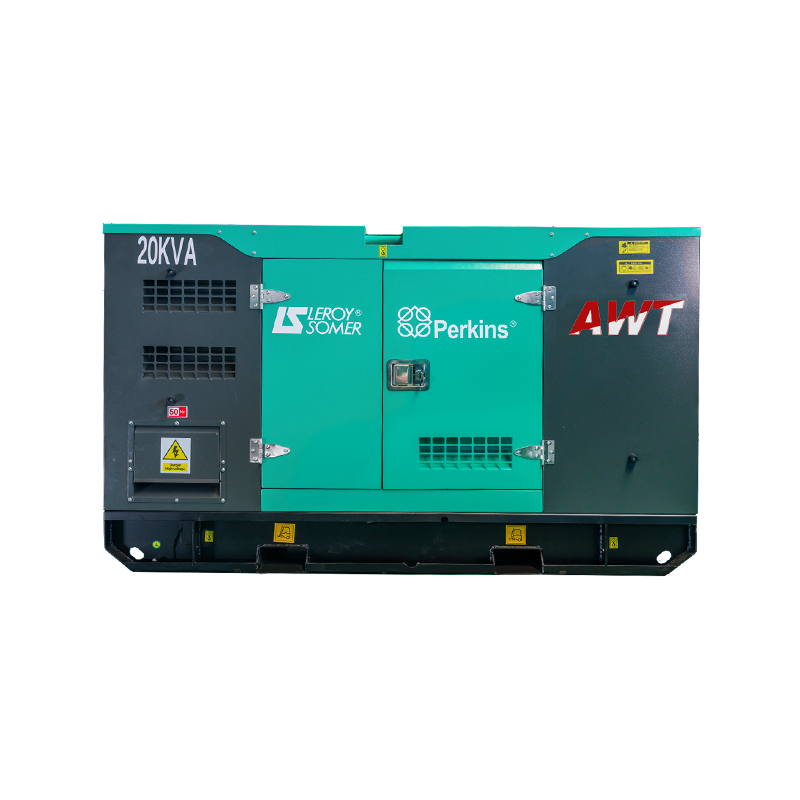 Silent Enclosed Diesel Generator Sets with Low Noise OperationWeatherproof soundproof canopies reduce noise to ≤75 dB(A) at 1 meter. Suitable for urban and residential areas, with dustproof and rainproof protection, compatible with various engines and supporting remote monitoring.View Product →
Buyers who source generators under their own brand for a project tender normally discuss OEM/ODM terms in parallel with the specification. A supplier that has manufactured and installed sets since 2008 will also give a clearer answer about tank sizing, derating and service access — and that conversation is where most under-specified machines get corrected.
For a 10–100 kVA universal diesel generator set, the fuel figure in the budget should come from the actual load, not from the brochure. Design for 60–80% of rating for continuous running, expect about 0.20–0.25 L per kVA hour at full load, and accept that lighter loads save litres per hour but cost a little more per useful kilowatt. Define duty, derating and starting loads in writing, and the tank size, running cost and service schedule will all fall into place.