English
  Français
  Español
 100kVA-400kVA Universal Diesel Generator Sets: Key Specifications for Procurement Teams
Sep 14, 2026
Content
A mid-size factory, a logistics depot, or a hospital wing rarely demands more than 400 kVA and rarely survives on less than 100 kVA. That makes the 100-400 kVA band the most quoted segment in diesel genset procurement and the segment where a rating mistake is most expensive.
Between these two limits, a set must carry everyday production loads, motor starting, and the occasional mains failure without being oversized for lightly loaded, fuel-thirsty operation. The practical target is a set that runs at 60-80% of its prime rating during normal work. Manufacturers such as Yangzhou Aiweite Electromechanical Co., Ltd., a China-based producer operating since 2008, design universal packages for exactly this band.
The same sets are quoted for a broad range of industries, from factories to infrastructure projects and emergency power supply, which is why the specification process follows the same skeleton regardless of the site. This guide covers the key specifications a procurement team needs: rating definitions, engine and alternator data, fuel consumption, enclosure selection, and the site conditions that change every one of those values.
Why the 100-400 kVA Band Carries Most Mid-Size Loads
A set between 100 kVA and 400 kVA matches the connected-load profile of most small and medium facilities, provided the largest motor starting load stays within the alternator's transient capability.
At a 0.8 power factor, a 100 kVA set delivers 80 kW, a 250 kVA set delivers 200 kW, and a 400 kVA set delivers 320 kW. The resulting scaling of facility size is easy to visualize:
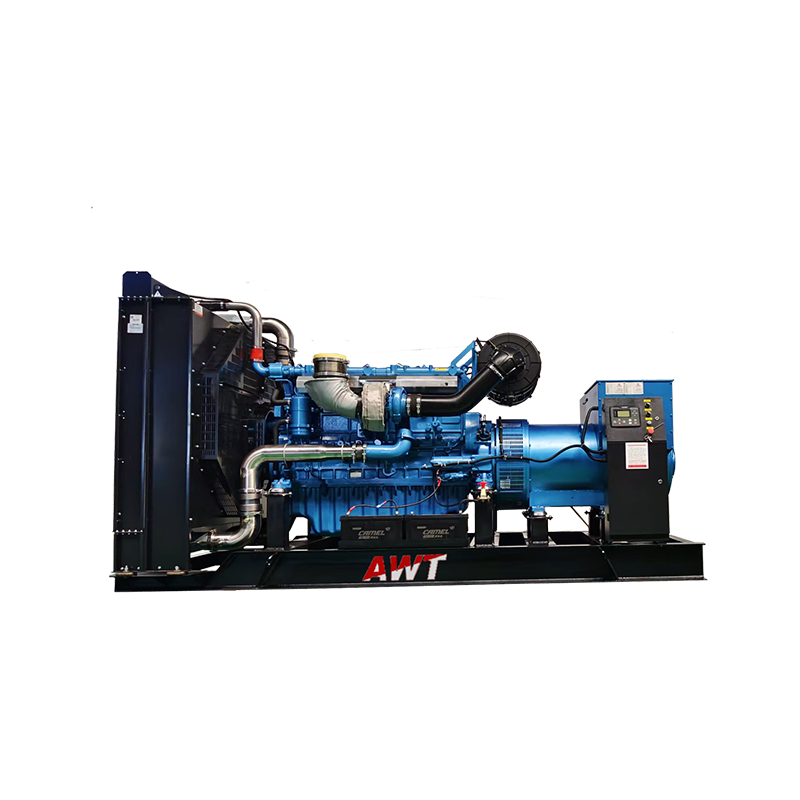
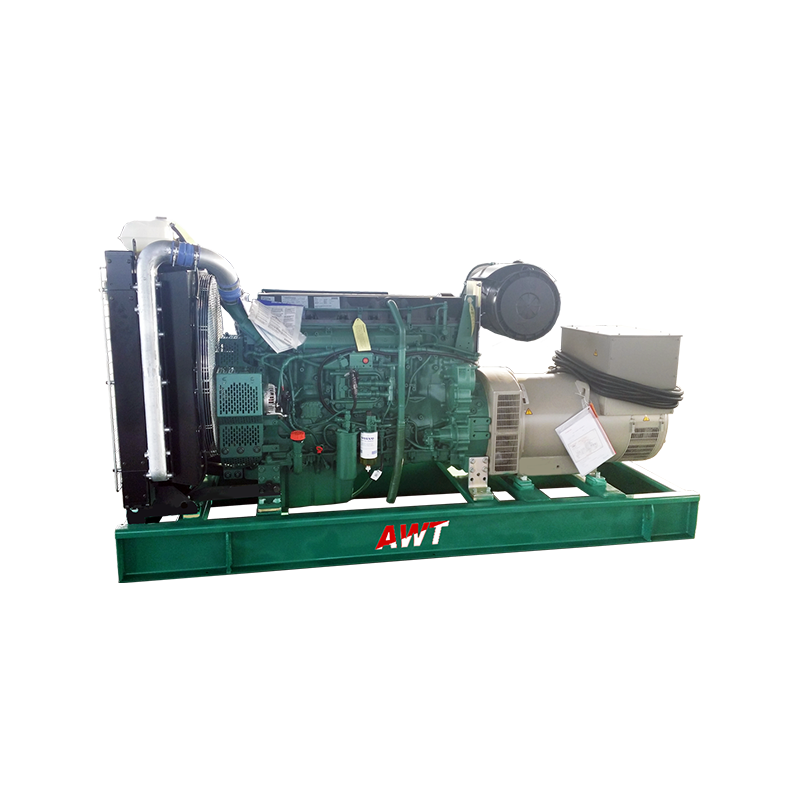 100–400 kVA Universal Diesel Generator Sets for Medium Power NeedsThese mid-range gensets match the article's sizing example: at 0.8 power factor, a 250 kVA unit delivers 200 kW, making it a practical choice for facilities with lower running load than installed motor capacity.View Product →
The most common procurement error is sizing for connected equipment instead of running load. A factory with 350 kW of installed motors may draw only 180 kW in normal operation, so a 250 kVA set working at 75% load is usually cheaper to buy and run than a 400 kVA set idling at 45%.
Motor starting deserves its own line in the specification. A direct-on-line motor can draw six times its full-load current for 2-5 seconds; across a 250 kVA set, an 80 kW motor start creates a brief overload that the alternator must carry. Ask for the set's 3-5 second overload figure, not just its steady-state rating.
Core Specifications to Verify Before You Issue a Purchase Order
Seven parameters must be confirmed in writing before an order: prime rating, standby rating, voltage and frequency, power factor, voltage regulation, fuel consumption at part load, and the noise figure of the chosen enclosure.
Use the table below as a template and fill in the values from the exact model in the quotation.
| Parameter | 100 kVA class | 250 kVA class | 400 kVA class |
| Prime rating (kW) | 80 | 200 | 320 |
| Standby rating (kVA) | 110 | 275 | 440 |
| Voltage and frequency | 400/230 V, 50 Hz | 400/230 V, 50 Hz | 400/230 V, 50 Hz |
| Power factor | 0.8 lagging | 0.8 lagging | 0.8 lagging |
| Voltage regulation | within 1% with AVR | within 1% with AVR | within 1% with AVR |
| Rated speed | 1500 rpm | 1500 rpm | 1500 rpm |
| Fuel at 75% load | about 17 L/h | about 38 L/h | about 62 L/h |
| Noise (silent canopy, at 7 m) | 72-78 dB(A) | 74-80 dB(A) | 75-80 dB(A) |
Voltage regulation matters in plants with CNC machines or medical equipment. An AVR holding voltage within 1% from no load to full load protects those loads from brown-out damage. For loads with high inrush, ask for the transient voltage dip and recovery time; a dip below 15% can reset electronic controllers.
Check the alternator insulation class and protection level as well. Brushless alternators with Class H insulation and IP23 protection are the practical default for this power band; they handle factory-floor humidity and dust better than lower-grade machines.
Engine Platforms and Rating Definitions
The engine platform decides fuel economy, oil change intervals, and spare parts availability, so it must be agreed before the rest of the specification is frozen.
Manufacturers in this band build on multiple engine platforms, including Baudouin, Cummins, Mitsubishi, MTU, Perkins, SDEC, Volvo, Weichai, and Yuchai. Domestic platforms such as Weichai and SDEC shorten lead times for buyers close to China; global platforms such as Cummins, Perkins, and Volvo simplify service in projects with an international contractor.
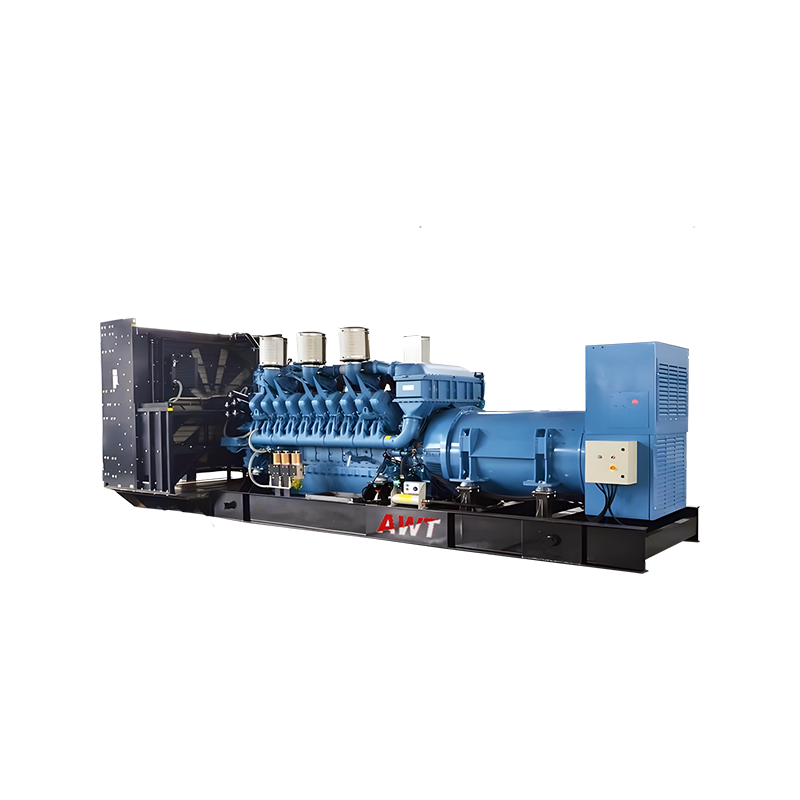
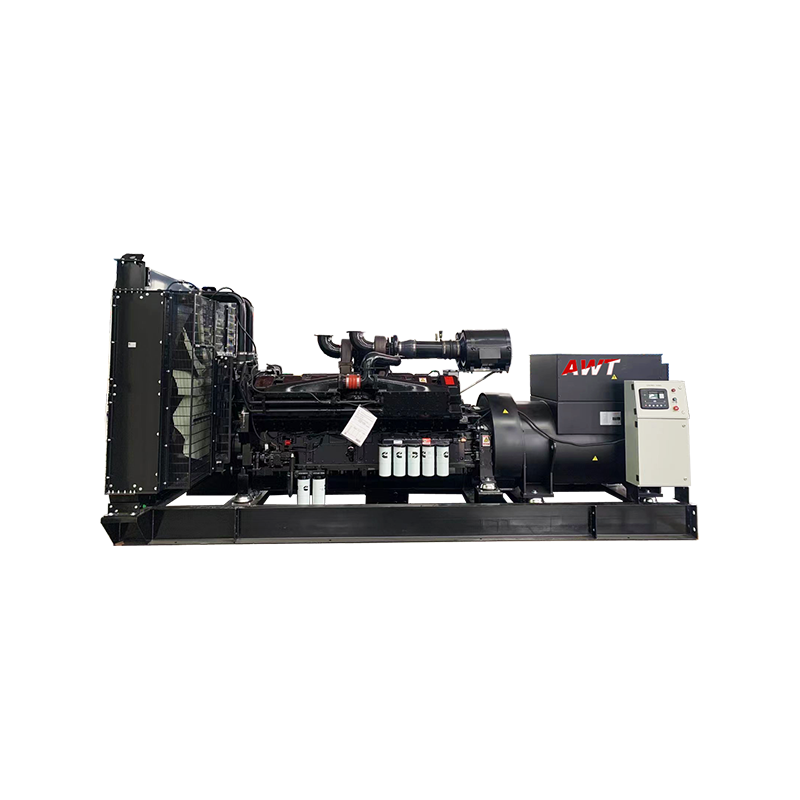 Cummins-Powered Diesel Generator Sets for Critical ApplicationsFeaturing genuine Cummins engines across a wide power range, this series suits projects requiring proven reliability and global service support, aligning with the article's note on international contractor needs.View Product →
Prime rating
Unlimited running hours at variable load, with an average load factor not exceeding 70%. Prime permits 10% overload for 1 hour in every 12. This is the rating to quote for a factory or a continuous process.
Standby rating
Runs only during mains failure or testing, typically under 500 hours per year. A standby set carries its rated load for limited periods but must not be treated as continuous capacity.
Continuous rating (COP) sits above both: 100% constant load without interruption. Most 100-400 kVA sets are sold as prime or standby, because true fixed full-load duty is rare outside remote mining and base-station power.
Fuel quality is part of the engine selection. Water and sediment shorten injector life, so include a fuel/water separator when delivered fuel comes in drums. Oil change intervals for continuous duty typically land between 250 and 500 hours, depending on engine and fuel sulphur content.
Enclosure Types and Installation Constraints
Choose the enclosure only after you know three site facts: the noise limit, the weather exposure, and how often the set will be moved.
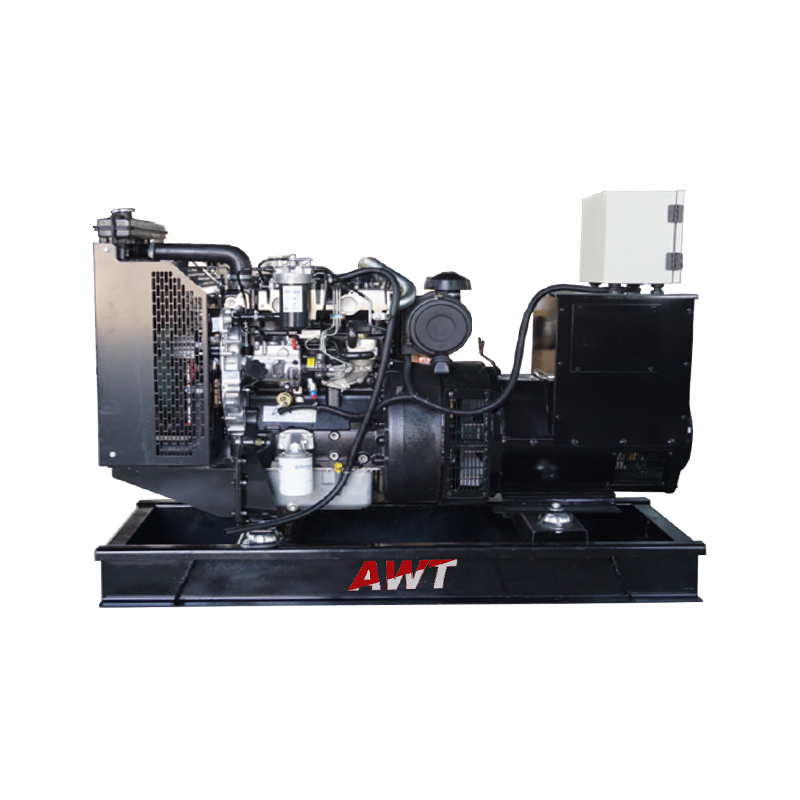
- Open type (skid mounted): lowest first cost, for dedicated machine rooms, requires hearing protection, 95-105 dB(A) at 1 m.
- Silent type (canopied): weatherproof steel canopy, 70-80 dB(A) at 7 m, outdoor installation, integrated day tank, the most common choice in this range.
- Container type: 20 ft or 40 ft ISO container, 8-24 hour fuel capacity, crane-lifting sockets, for rented power rooms and infrastructure sites.
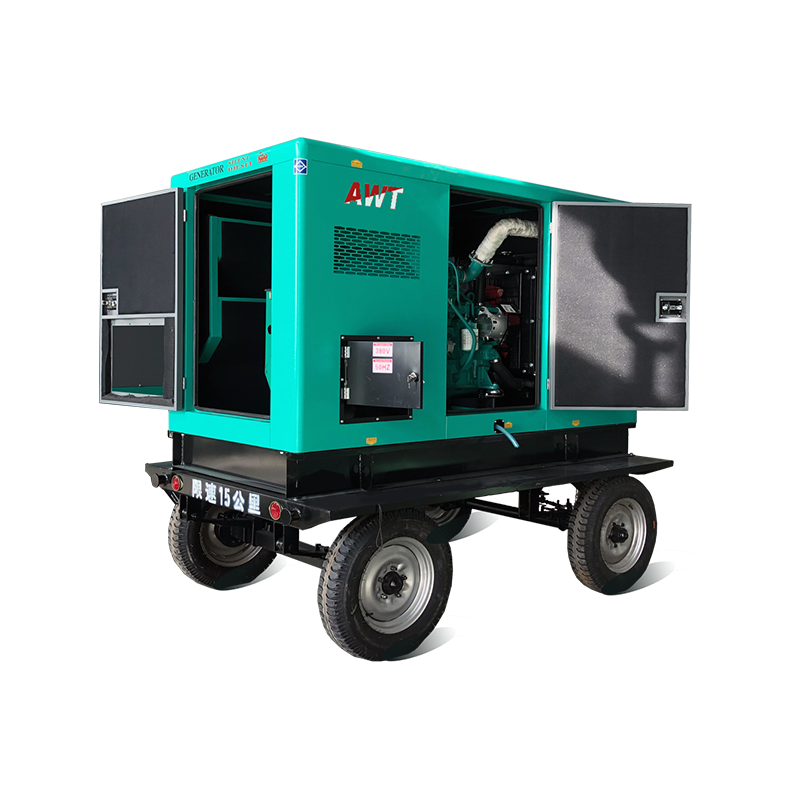
- Trailer type: road-towable undercarriage, spring suspension, brake system, for rental fleets and temporary power that moves between sites.
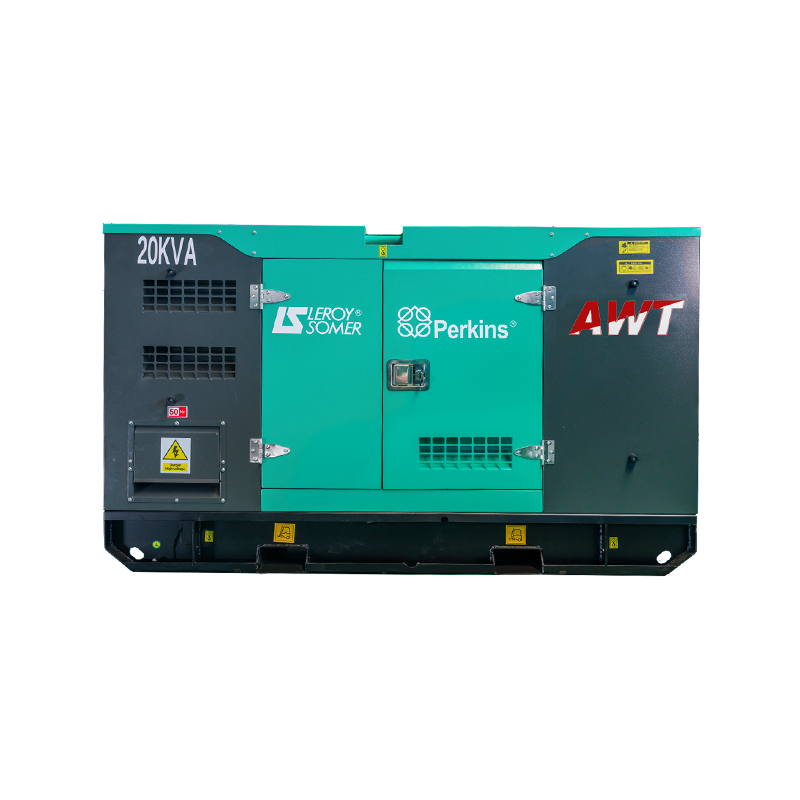 Silent Diesel Generator Sets with Enclosed Soundproof CanopyThese low-noise, weatherproof units fit noise-sensitive urban sites. The article highlights considering fuel autonomy and optional remote monitoring, which this enclosed design can support while protecting equipment outdoors.View Product →
Fuel autonomy is the next line. A standard day tank provides 6-12 hours at 75% load; for a 250 kVA set burning 38 L/h, that means a tank of 230-460 L. Remote monitoring and automatic mains failure controls are worth adding on the same purchase order, because retrofitting AMF later costs more than configuring it on a new build.
Procurement Checklist: What to Put in the Inquiry
A complete inquiry asks for numbers, not adjectives - every requirement should be a value a supplier can be held to during acceptance testing.
- Define the duty: standby, prime, or continuous, with total connected load and expected load factor.
- State the site conditions: altitude, maximum ambient temperature, and ventilation airflow limits.
- Request the prime and standby kVA at your exact site conditions, with the de-rating calculation shown.
- Ask for fuel consumption at 25, 50, 75, and 100% load from a type-test report.
- Fix the noise limit and enclosure type, including the measurement distance and method.
- Define the control interface: AMF/ATS, RS485/Modbus, remote start, and fault reporting.
Buyers who will resell the set under their own brand should raise Diesel Powered Generator OEM/ODM Manufacturers requirements at the inquiry stage; paint color, control logic, and documentation changes all affect lead time and price.
Frequently Asked Questions
Which rating should I specify: prime or standby?
Specify prime when the set supplies production loads for more than about 200 hours per year. Prime allows unlimited running hours at variable load; standby is limited to outage use, typically under 500 hours per year, and cannot be loaded continuously at full kVA.
How do I size a set between 100 kVA and 400 kVA?
Sum the running loads, apply a diversity factor of 0.7-0.9 for typical factories, add the starting kVA of the largest motor, and select a prime rating that keeps normal operation at 60-80% of the set output.
What fuel consumption should I expect at 75% load?
For a 250 kVA set, about 38 L/h; a 100 kVA unit burns roughly 17 L/h, and a 400 kVA unit around 62 L/h. Ask the supplier for a fuel curve with consumption values at each load point.
Do I need a silent set or an open set?
Open sets belong in dedicated machine rooms; silent canopies suit outdoor sites and noise-sensitive locations. Compare the noise permit against the enclosure class before ordering, because converting an open set to a silent one later is expensive.