English
 Français
 Español
Yuchai Powered Diesel Generator Sets for Factory and Commercial Backup Power
Nov 27, 2026
Content
- 1 What a Yuchai-Powered Diesel Generator Set Is
- 2 Rating Basis: ESP, PRP and COP
- 3 Sizing a Yuchai Set for a Factory or Commercial Load
- 4 Enclosure Structure and Where the Set Can Live
- 5 Procurement Checks That Prevent Costly Surprises
- 6 Fuel, Runtime and Routine Testing
- 7 Questions Buyers Ask Before Ordering
A three-shift packaging plant lost grid supply for 40 minutes in 2025 and its 400 kVA standby set tripped on overload after 11 minutes. The load schedule listed 250 kW. Nobody had counted the 132 kW screw compressor starting direct-on-line, or the 70 percent average load factor that ISO 8528-1 applies to a standby rating. That gap between the nameplate and the real load is where most Yuchai-powered generator projects are won or lost.
Yuchai-powered diesel generator sets fit factory and commercial backup power because the engine family covers the capacity band most of that demand occupies. Yangzhou Aiweite Electromechanical Co., Ltd., the manufacturer behind awtgenset.com, has built diesel generating sets since 2008 and assembles around Yuchai and eight other engine brands across a stated 1 kVA to 2,500 kVA build range.
What a Yuchai-Powered Diesel Generator Set Is
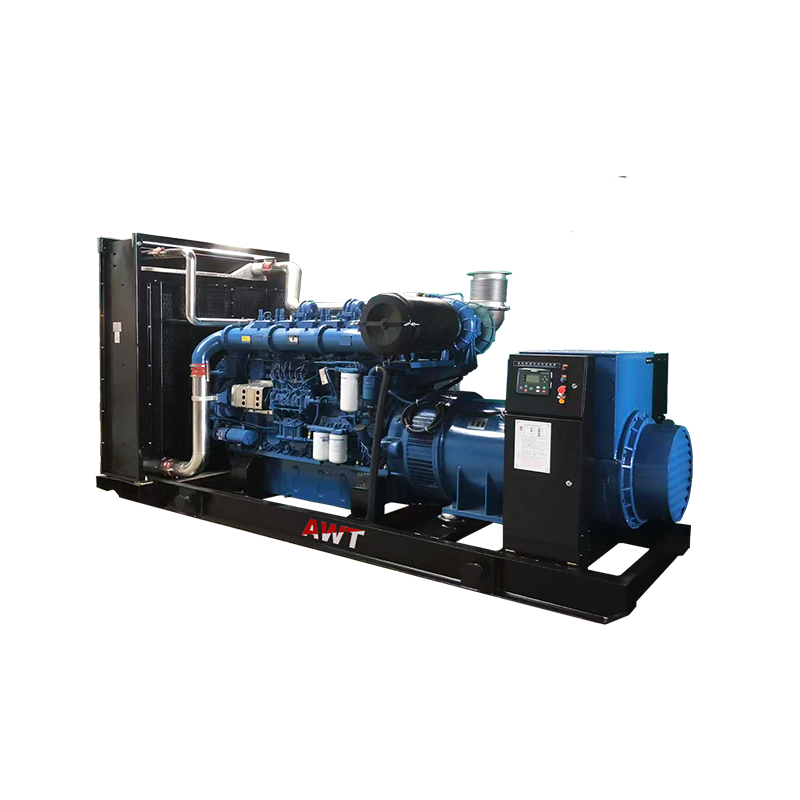
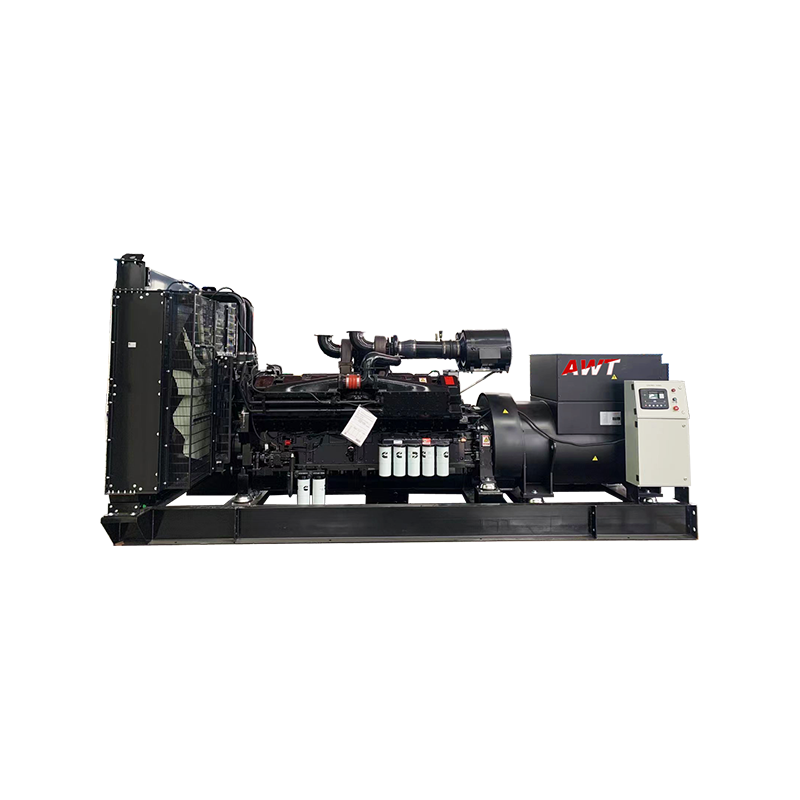
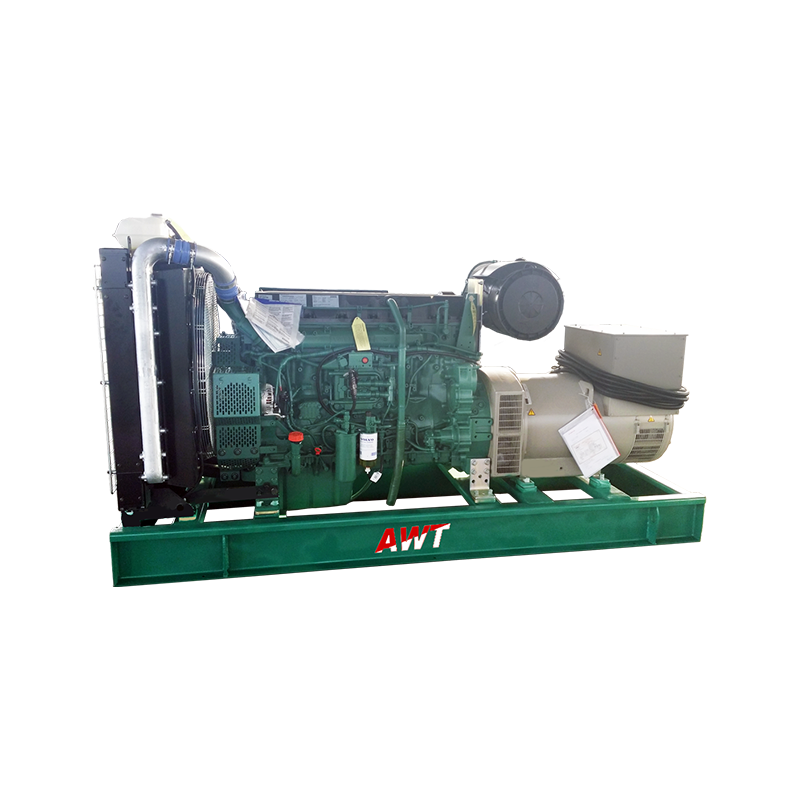
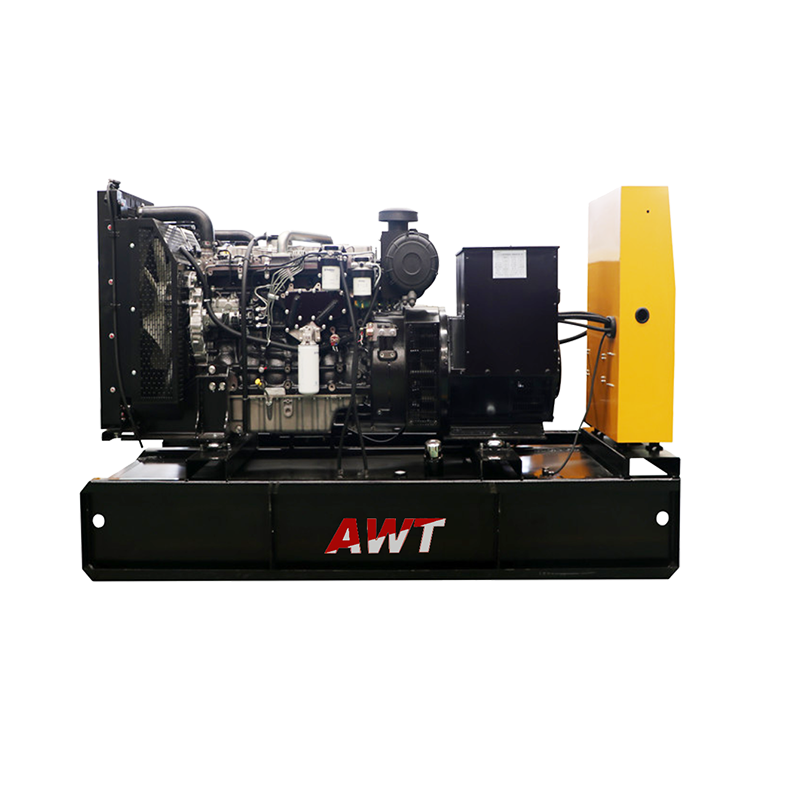
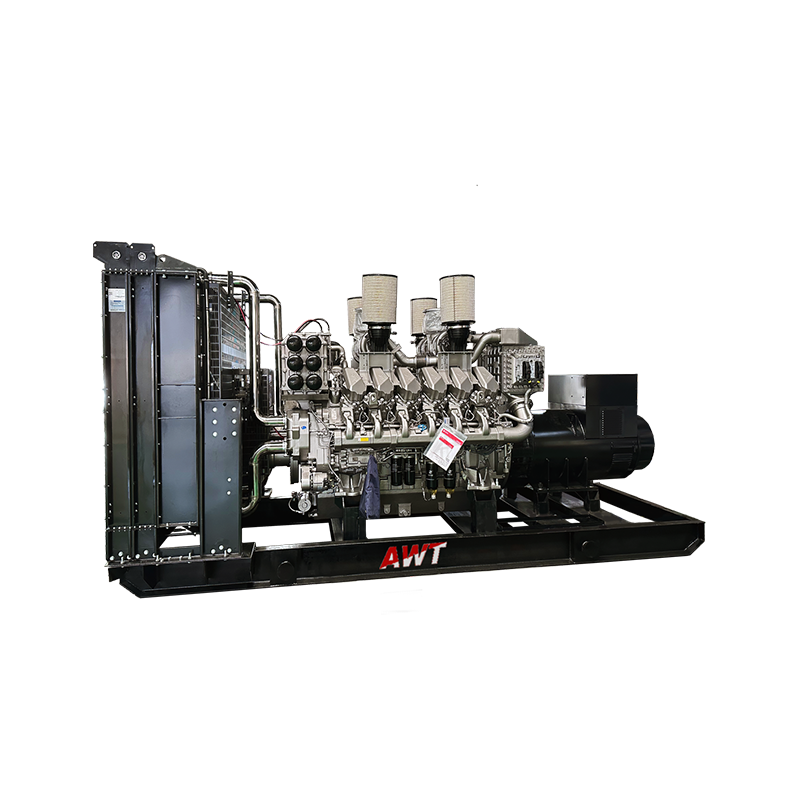
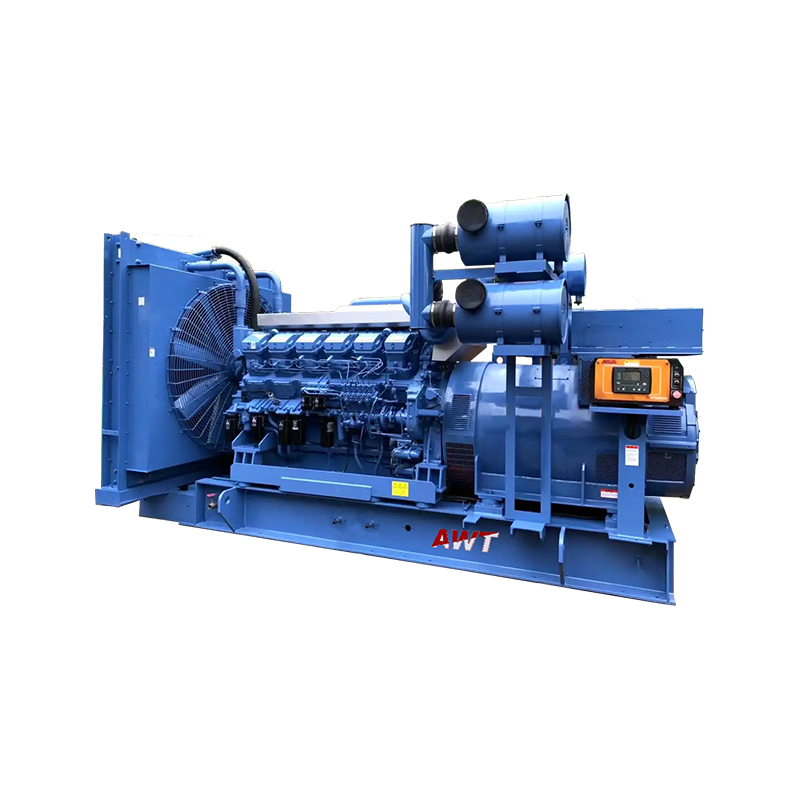
A Yuchai-powered diesel generator set is a packaged generating unit in which an industrial diesel engine built by Guangxi Yuchai Machinery Co., Ltd. drives an AC alternator on a common steel base frame, with a control panel handling voltage regulation, frequency governing and protection.
Every set in this category is assembled from five functional blocks, and each one carries its own procurement risk:
- Engine and governor. Yuchai industrial diesels are supplied with mechanical or electronic governing, and the governor type decides how the set recovers from a block load.
- Alternator. Brushless and three-phase in most factory and commercial configurations, with the nameplate rated at a 0.8 power factor.
- Control panel. Start and stop logic, metering, alarm and shutdown protection, and the interface to an automatic transfer switch.
- Base frame and coupling. Single-bearing or two-bearing arrangement, anti-vibration mounts, and a sub-base fuel tank where specified.
- Enclosure and exhaust. Acoustic canopy, container shell or open skid, plus silencer, piping and thermal insulation.
A Yuchai-powered diesel generator set is the matched package of a Yuchai engine, an alternator, a control system and a structural enclosure. The engine sets the kW available, the alternator sets the kVA nameplate, and both must be declared against the same rating basis, or the set will not carry its stated load at 0.8 power factor.
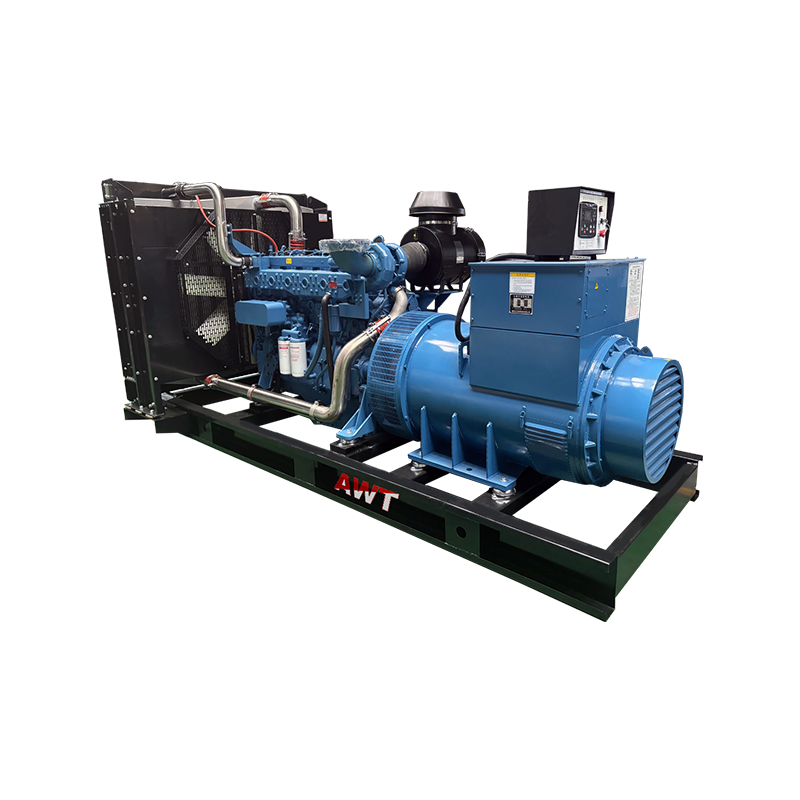 Yuchai-Powered Diesel Generator Sets from 10 to 4200 kWMatched Yuchai engine and alternator packages spanning 10–4200 kW; check declared rating basis and site-specific derating before selecting.View Product →
Matching matters more than the brand on the canopy. A set whose alternator is rated above what the engine can carry at site altitude and ambient temperature will still trip on overload, even when the nameplate looks generous. Ask for the derating data for the specific engine model, the site altitude and the expected ambient, then confirm the alternator rating is declared at the same conditions.
Rating Basis: ESP, PRP and COP
ISO 8528-1 defines the rating categories that decide how many hours a year a set may run and how much overload it can absorb, and the rating you buy is a contractual limit rather than a marketing label.
For factory and commercial backup power, two categories do most of the work, and a third applies when the site runs base load:
| Rating basis | Typical duty | Overload capability | Running hour limit |
| ESP (Emergency Standby Power) | Grid outage backup, life-safety and critical process loads | None | ISO 8528-1:2018 limits ESP to 200 h per year |
| PRP (Prime Power) | Sites with an unreliable grid or long daily running hours | 10 percent for 1 h in every 12 h | Unlimited with varying load, 24 h average load factor of 70 percent |
| COP (Continuous Power) | Base-load operation at a steady load | None | Unlimited at constant load |
Buying an ESP set for a site that will run it 1,500 hours a year is a reliability problem, not a saving. If the load profile includes daily running, specify PRP or COP and confirm the engine's continuous rating rather than the alternator nameplate alone.
Sizing a Yuchai Set for a Factory or Commercial Load
Sizing is done in kW at the load, not in kVA on the nameplate, and the number that usually decides the outcome is the largest motor's starting demand.
List every load that must run at the same time: lighting, HVAC, compressors, pumps, process drives, UPS and battery chargers. Keep the largest motor out of the total and treat it separately.
ISO 8528-1 expects the 24-hour average load to stay at or below 70 percent of an ESP or PRP rating. Divide the sustained running load by 0.7 to find the minimum rating, then check it against the peak.
Direct-on-line starting draws roughly 5 to 7 times full-load current. A working rule is to allow about 3 times the largest motor's kW when it starts direct-on-line, then confirm the figure against the alternator's short-term overload curve.
ESP for outage-only duty, PRP where the set carries load for hours at a time, COP only for steady base load. The choice changes the engine rating you are entitled to claim.
Altitude, ambient temperature, enclosure airflow and fuel temperature all reduce available output. Apply the manufacturer's derating factors before the quotation is issued, not after the set is on site.
An illustrative calculation shows how the numbers move. Assume a 400 kVA set rated 320 kW at 0.8 power factor, a fuel consumption of 210 g/kWh at full load and a diesel density of 0.84 kg/L. At 100 percent load the set burns 320 x 210 = 67,200 g/h, or 67.2 kg/h, which is about 80 L/h. At a 70 percent average load the same assumptions give roughly 56 L/h. These are planning assumptions only. Use the engine data sheet for the exact Yuchai model, because consumption per kWh rises sharply below 50 percent load.
Size for starting kVA first, then confirm the result against the alternator's overload curve. A set selected on running kW alone will start the plant and trip the first time the largest compressor restarts under load.
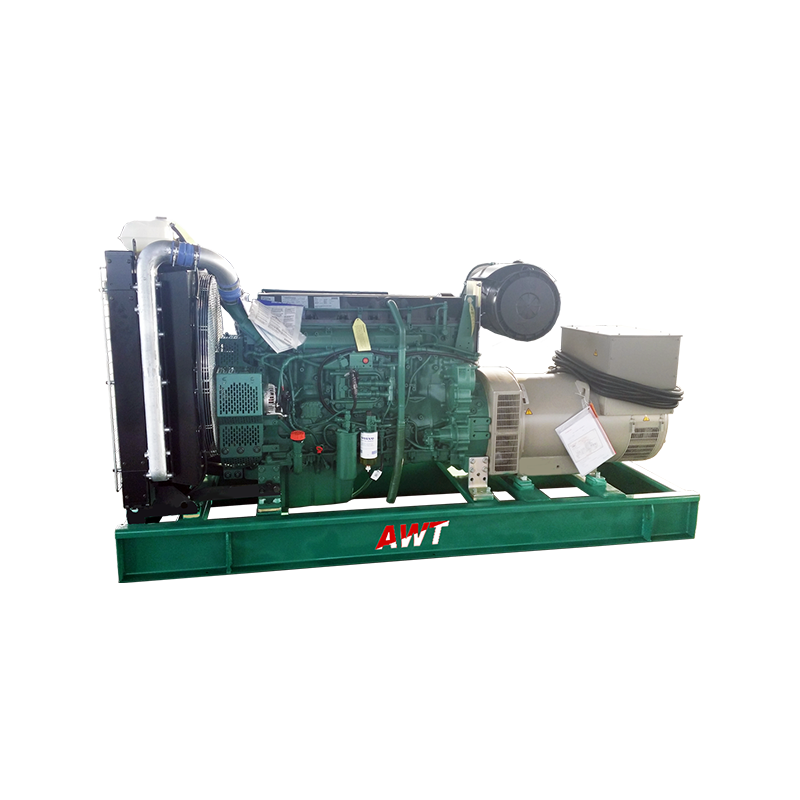 100–400 kVA Universal Diesel Generator SetsMedium-duty 100–400 kVA sets compatible with mainstream engines; review starting kVA and alternator overload curve for commercial or industrial loads.View Product →
For medium and large plants, the load, fuel and cooling guide for 400 to 1000 kVA universal diesel generator sets applies the same sizing logic at plant scale, including cooling and ventilation limits.
Enclosure Structure and Where the Set Can Live
The enclosure decides where the set can be installed, how much noise reaches the site boundary, and how the unit ships.
| Structure | Where it fits | What to verify before ordering |
| Open type | Indoor plant rooms with a dedicated foundation and room acoustic treatment | Room ventilation, exhaust routing, coupling guard, noise at the nearest boundary |
| Silent type | Urban commercial sites, offices, hotels and hospitals with a noise limit | Declared sound pressure level measured to ISO 8528-10, and airflow restriction from the canopy |
| Container type | Outdoor sites needing weather protection and fast deployment | Lifting points, cable entry, fuel bunding, and engine derating at high ambient inside the shell |
| Trailer type | Temporary or mobile power across several sites | Road-legal towing and braking, earthing at each site, and fuel autonomy for the shift length |
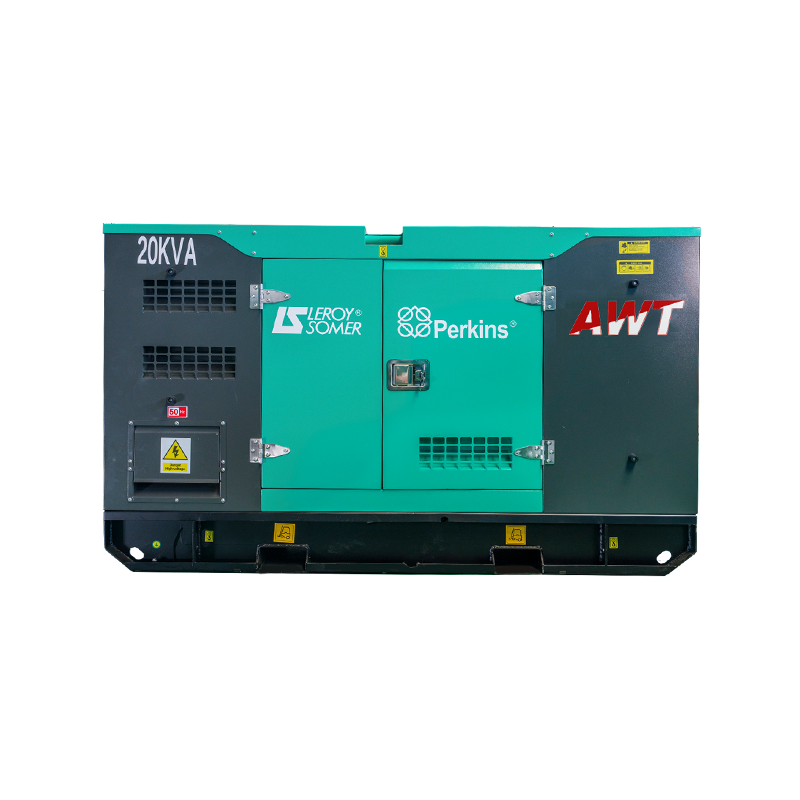 Silent Type Diesel Generator Sets with Soundproof CanopiesEnclosed low-noise sets from 10–2500 kVA with soundproof canopies and ≤75 dB(A) at 1 m; verify noise measurement conditions.View Product →
Noise figures are only comparable when they are measured the same way. ISO 8528-10 defines how airborne noise from generating sets is measured, including the measurement surface and distance, so a sound pressure level quoted without that context cannot be used to compare two quotations. The same enclosure logic carries across the industries served, from manufacturing plants to infrastructure and emergency power installations.
Procurement Checks That Prevent Costly Surprises
Two groups of checks catch most problems before shipment: engine-side evidence and electrical-side evidence.
Engine-side checks
- Engine model and rating basis stated on the data sheet, matching the contract
- Fuel consumption at 25, 50, 75 and 100 percent load, per ISO 3046 test conditions
- Emission certification valid for the destination market where a stage applies
- Governor type and expected frequency recovery on block load
- Spare parts and service availability in the destination country
Electrical-side checks
- Alternator rating at site ambient, with insulation class and temperature rise declared
- Overload and short-circuit capability curve for motor starting
- Automatic transfer switch compatibility and transfer time
- Breaker, cable and earthing design reviewed against the panel schedule
- Factory test report with recorded load bank results
before
shipment
Insist on a load bank test at 25, 50, 75 and 100 percent of the contracted rating, with voltage, frequency, coolant temperature and fuel consumption recorded at each step. A set that holds 100 percent load for one hour without exceeding the declared temperature rise is the minimum evidence for a factory or commercial installation.
Fuel, Runtime and Routine Testing
Runtime is a tank calculation, not a guess, and the testing regime is usually set by the authority having jurisdiction over the installation.
- Tank sizing. Multiply the expected average load in kW by the consumption per kWh at that load, then size the tank for the outage duration you are contracted to cover.
- Fuel quality. Diesel stored for long periods is subject to water ingress and microbial growth; specify filtration, water separation and a fuel polishing interval.
- Testing. NFPA 110 requires a monthly operational test of not less than 30 minutes for Level 1 emergency power supply systems, with load bank testing used to verify the full rating.
- Consumables. Track battery voltage, coolant condition and oil sampling intervals from the first commissioning run, not from the first failure.
Questions Buyers Ask Before Ordering
How many hours per year can a Yuchai standby set run?
An ESP-rated set is limited to 200 running hours per year under ISO 8528-1:2018 and has no overload capability. If the site needs 500 hours or more of running per year, specify a PRP or COP rating instead of buying an ESP set and running it beyond its declared category.
What size set does a 300 kW running load need?
A 300 kW running load needs at least 375 kVA of alternator capacity at 0.8 power factor before any starting margin is added. If the 24-hour average is expected to sit at 300 kW against the 70 percent load factor limit, the minimum rating rises to about 536 kVA, and the largest motor's starting demand is then checked separately.
Can a Yuchai-powered set run continuously?
Only if it is ordered with a PRP or COP rating and the engine's continuous output is confirmed on the data sheet. Running an ESP-rated set at continuous load is outside its declared rating category, and the resulting temperature rise and wear are not covered by the engine's rating statement.
What should be checked at the factory acceptance test?
Record voltage and frequency deviation at 25, 50, 75 and 100 percent load against the performance class declared under ISO 8528-5, verify the protection settings and shutdown alarms, and log fuel consumption at each step. A test report without load bank data at those four points does not demonstrate the contracted rating.